
Blooming
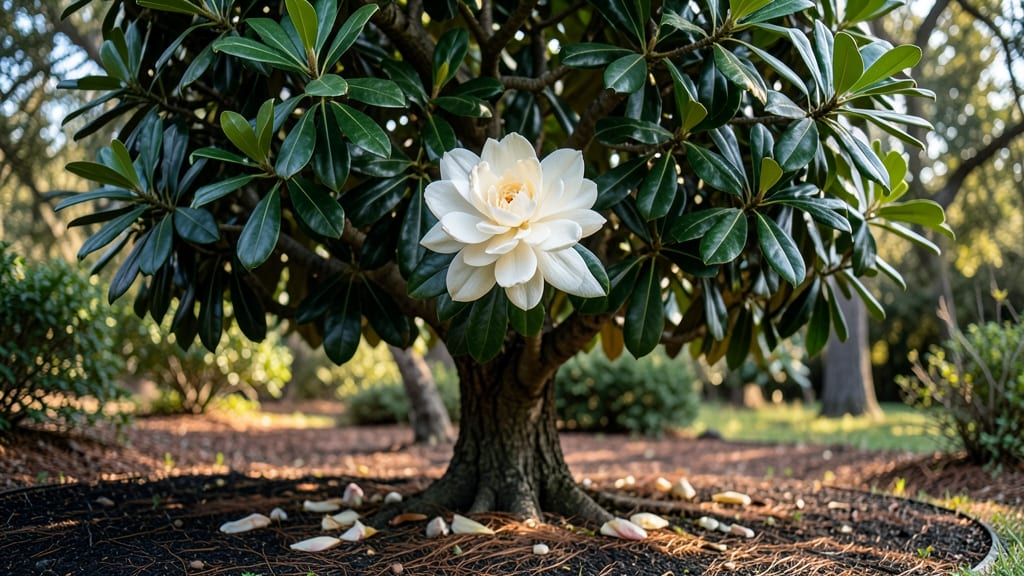
A magnolia tree in bloom turns your garden into a fragrant dream—its delicate petals and intoxicating scent create the perfect spring centerpiece, drawing hummingbirds and neighbors alike to admire its beauty. 🌸 I planted mine near the patio where I can enjoy the show—and the sweet aroma—every morning with my coffee.
These trees thrive in partial shade but still make a statement in full sun gardens. Their glossy leaves add year-round interest, while the blooms arrive reliably in late spring, just as other spring flowers start to fade.
The key to their perfect performance? Planting them where you can see them from indoors, so you get that daily dose of color and fragrance.
Pair them with azaleas for a layered spring display or plant near a bench where you can sit and watch the hummingbirds dart between the blossoms. The contrast of deep green foliage against pink petals creates a shockingly lush focal point that elevates any landscape design.
Timing is everything—most varieties bloom for just 5-7 days, so choose a spot where you'll notice them immediately. The fragrance lingers for hours, making even a quick walk through the garden feel like a sensory experience.
This is the kind of tree that makes your neighbors ask, "What is that amazing smell?"
📚 In This Guide
- What you need
- Instructions
- Tips and common mistakes
- Wrapping up and next steps
What you need
- ● Magnolia tree: Choose a Magnolia grandiflora (southern magnolia) or Magnolia stellata (star magnolia) based on your climate zone (zones 5–9 for most varieties). Purchase a 3–5 gallon container-grown tree (mature size: 20–40 ft tall).
- ● Shovel: A heavy-duty garden shovel (18–24" blade) for digging.
- ● Garden gloves: Durable, breathable gloves (e.g., leather or nitrile-coated) to protect hands.
- ● Compost or organic mulch: 2–3 cubic feet of aged compost or pine bark fines (3–4 inches thick after planting).
- ● Slow-release fertilizer: 10–10–10 or 12–12–12 NPK blend (½ cup per tree).
- ● Watering can or hose with nozzle: 5+ gallon capacity for deep watering.
- ● Native flowering plants: 3–5 companion plants like crossvine (Bignonia capreolata), azaleas (Rhododendron spp.), or bee balm (Monarda) (hummingbird favorites!).
- ● Hummingbird feeder: 1–2 red glass feeders (4:1 sugar-water ratio; no dye).
- ○ Perching branch or stake: Optional small wooden perch near the tree for hummingbirds.
- ● Tree stakes & ties: 2 bamboo stakes (if planting in windy areas).
- ● Soil pH tester: To check acidity (pH 5.0–6.5 ideal for magnolias).
- ● Pruning shears: Bypass pruners (sharp, 6–8" blades) for shaping.
- ● Mulch ring: Black plastic or landscape fabric (to retain moisture and suppress weeds).
- ● Camera or journal: To document bloom times and hummingbird visits! 📸
How to ensure your magnolia tree blooms with fragrant pink perfection
Here's how to coax those stunning pink blooms and keep hummingbirds flocking to your yard.
🌱 Step 1: Choose the Right Variety for Your Climate
Not all magnolias bloom pink—focus on varieties like 'Ann Cuthbert' or 'Jane' that thrive in your hardiness zone. These cold-hardy types need zones 4-8 and produce the most fragrant pink flowers. I always check the USDA zone map before buying, because a tropical magnolia won't survive northern winters.
Look for established 3-5 year old trees at nurseries—they bloom faster than seedlings. You'll see the difference immediately: mature trees have sturdy branches already bearing flower buds. Plant in early spring or fall when temperatures stay 50-60°F to reduce transplant shock.
☀️ Step 2: Plant in Full Sun with Well-Draining Soil
Magnolias need 6-8 hours of direct sun daily for optimal blooming. A south or west-facing spot works best. I test soil drainage by digging a hole and filling it with water—if it drains within 30 minutes, it's perfect. Amend heavy clay with 3-4 inches of compost mixed into the backfill.
Dig the planting hole twice as wide as the root ball but no deeper. Position the tree so the top of the root ball sits 1-2 inches above ground level—this prevents waterlogging. Backfill with native soil, tamping gently to eliminate air pockets. Water immediately after planting to settle the soil.
💧 Step 3: Water Deeply and Mulch Properly
Water newly planted magnolias 2-3 times weekly for the first month, then taper to once weekly once established. You'll know it's time to water when the top 2 inches of soil feel dry. Overwatering causes root rot—magnolias hate soggy feet.
Spread 2-3 inches of mulch over the root zone, keeping it 6 inches away from the trunk. I use pine bark mulch because it slowly releases nutrients. Replenish mulch annually in early spring to maintain moisture and suppress weeds. Avoid fresh mulch touching the trunk—it can cause rot.
✂️ Step 4: Prune After Bloom Season
Prune only after flowers fade in late spring or early summer. Remove dead, crossing, or weak branches first—these compete with blooms for energy. I cut just outside the branch collar where it meets the trunk. For shaping, limit pruning to no more than 25% of the canopy to avoid stressing the tree.
Never prune in fall or winter—you'll remove next year's flower buds. Magnolias bloom on old wood, so heavy pruning now means fewer flowers next spring. Use clean, sharp pruners to make cuts at a 45-degree angle just above an outward-facing bud.
🌿 Step 5: Feed and Protect for Maximum Blooms
Apply a balanced 10-10-10 fertilizer in early spring when new growth appears. Scatter granules evenly over the root zone and water deeply to activate them. I avoid high-nitrogen fertilizers—they promote leafy growth at the expense of flowers. For established trees, a low-nitrogen 5-10-10 works better.
Protect young trees from deer and rabbits with a tree guard or wire mesh. I've seen deer browse magnolia buds completely off in a single night. Mature trees develop thicker bark that resists browsing, but young specimens need protection for their first 3-4 years. Also watch for scale insects—spray with horticultural oil in early spring if you see sticky residue on leaves.
Tips & tricks for perfect magnolia blooms
Here's what nobody tells you about getting those dreamy pink magnolia blooms—tricks that'll make all the difference between a few sad flowers and a showstopping spring display.
Variety Matters: Those 'Ann Cuthbert' and 'Jane' varieties aren't just suggestions—they're the secret to reliable pink blooms. I've seen 'Elizabeth' magnolias with gorgeous flowers, but they're white, not pink. Stick to the proven pink varieties, and you'll get that signature fragrance hummingbirds adore. Confession: I skipped this step for years and wondered why my magnolias never bloomed pink until I finally checked the variety tags.
Sunlight Secret: That 6-8 hours of direct sun isn't just a recommendation—it's non-negotiable for pink blooms. I test sunlight spots by placing a white board in the location for a full day. If it's shaded for more than 2 hours, move your tree. South-facing spots get the most consistent sun, but west-facing works too. East-facing spots often get too much morning moisture, which can stress the tree.
Watering Wisdom: The 2-3 times weekly watering for the first month isn't just about keeping roots moist—it's about establishing a consistent moisture level. I use a rain gauge to track exactly how much water we're getting from rainfall, then adjust accordingly. Too much water causes root rot, but too little stresses the tree. That 2-inch soil dry test is your best friend—stick your finger in and check before watering.
Pruning Precision: That 25% canopy limit during pruning isn't arbitrary—it's based on how much stress the tree can handle while still producing blooms. I mark branches before cutting to ensure I'm not removing more than a quarter of the total foliage. And remember: prune at a 45-degree angle just above an outward-facing bud. This encourages new growth in the right direction and prevents unsightly stubs that can attract pests.
Pro Tips for Magnolia Tree In Bloom
- Here's what nobody tells you about getting those dreamy pink magnolia blooms—tricks that'll make all the difference between a few sad flowers and a showstopping spring display.
- Variety Matters: Those 'Ann Cuthbert' and 'Jane' varieties aren't just suggestions—they're the secret to reliable pink blooms.
- Sunlight Secret: That 6-8 hours of direct sun isn't just a recommendation—it's non-negotiable for pink blooms.
Frequently asked questions
Got questions about nurturing your magnolia’s stunning blooms? Here are answers to the most common curiosities—from timing to troubleshooting—so you can enjoy that fragrant pink perfection year after year!
When is the best time to plant a magnolia tree for optimal blooms?
The ideal time to plant a magnolia is in early spring or fall, when temperatures are mild (50–70°F). This gives roots time to establish before extreme heat or cold. Avoid planting in summer—heat stress can stunt growth, delaying those show-stopping blooms for years. Pro tip: Water deeply after planting and mulch to retain moisture!
Why isn’t my magnolia tree blooming yet? What am I doing wrong?
Magnolias can take 3–5 years to bloom after planting, especially if stressed. Common culprits include:
- Improper sunlight: Most need full sun (6+ hours/day)—shady spots delay flowers.
- Over-fertilizing: Too much nitrogen = leafy growth, fewer blooms. Use a balanced 10-10-10 fertilizer in early spring.
- Pruning mistakes: Never trim after buds form (late winter/early spring).
- Patience: Some varieties (like Magnolia grandiflora) bloom later than others.
How do I attract more hummingbirds to my blooming magnolia?
Magnolias are already a hummingbird magnet thanks to their high nectar content! Boost their visits with these tricks:
- Plant companion flowers like bee balm, columbine, or salvia nearby for a buffet.
- Avoid pesticides—hummingbirds are sensitive to chemicals. Opt for neem oil if pests appear.
- Add a hummingbird feeder with a 4:1 sugar-water ratio (no dye!). Place it 10–15 feet from the tree.
- Leave seed heads on the tree in winter—they provide winter food for birds.
Can magnolia trees survive cold winters? What’s the hardiest variety?
Most magnolias thrive in USDA Zones 4–9, but cold tolerance varies:
Variety
Cold Hardiness
Bloom Time
Magnolia stellata (‘Star Magnolia’)
Zones 4–9 (most cold-resistant!)
Early spring (often before leaves appear)
Magnolia virginiana
Zones 5–9 (sweetly fragrant but less cold-hardy)
Late spring/early summer
Magnolia grandiflora (‘Southern Magnolia’)
Zones 7–10 (needs winter protection in colder areas)
Summer (June–July)
What should I do if my magnolia leaves turn yellow or brown?
Yellowing or browning leaves usually signal one of these issues:
- Overwatering: Magnolias hate soggy roots. Ensure well-draining soil and water only when the top 2 inches are dry.
- Underwatering: Drooping leaves + crispy edges? Water deeply 1–2 times per week (more in summer).
- Fungal issues: Brown spots with yellow halos? It’s likely anthracnose. Prune affected branches and apply copper fungicide in spring.
- Nutrient deficiency: Pale yellow leaves? Test soil and amend with iron or compost.
Wrapping up and next steps
The sight of a magnolia tree in bloom—with its fragrant pink perfection—is nature’s way of painting your garden in pure elegance. 🌸 Whether you’re planting one for the first time or simply admiring its beauty, these stunning trees bring joy, wildlife, and timeless charm to any landscape.
Ready to invite more of this magic into your outdoor space?
Take the next step: research your local climate, pick the perfect variety, and start planning your magnolia’s home. Your garden—and the hummingbirds—will thank you! 🐦❤️