
Blooming
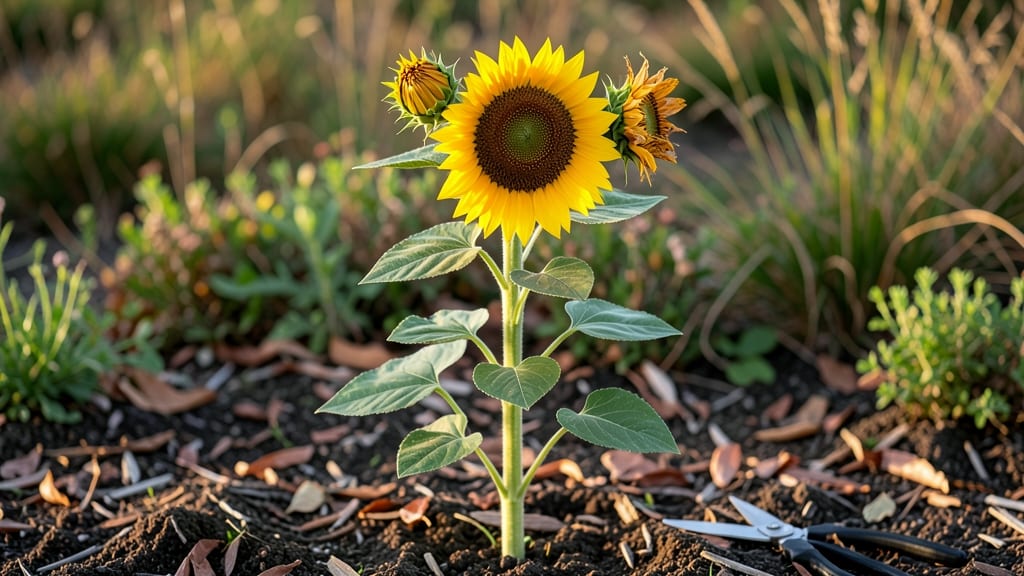
Growing multiple-bloom sunflowers turns your garden into a sun-drenched sea of golden faces—without the backbreaking work of replanting every year. 🌻 These self-sowing giants don’t just bloom once; they multiply naturally, returning bigger and bolder each season if you let them.
The secret lies in choosing the right varieties like 'Moulin Rouge' (deep red petals) or 'Autumn Beauty' (rusty-orange blooms) and giving them the space to thrive where they stand.
Start with well-drained soil rich in compost—sunflowers hate soggy roots—and plant seeds 1 inch deep, 6 inches apart in full sun. They’re tough, but they’ll reward you with 6-foot stalks packed with 20+ blooms each if you water consistently (about 1 inch per week).
The key? No pruning unless you’re harvesting seeds—these plants want to go wild, and that’s when the magic happens.
By mid-summer, you’ll have towering stems loaded with blooms that attract pollinators like crazy. Let a few go to seed, and next year’s sunflowers will sprout right where they fell—no digging, no fuss.
The only real challenge is keeping them from flopping in wind or rain, but a simple stake or cage fixes that.
Troubleshooting is easy: too much nitrogen = leafy stems, no blooms? Cut back on fertilizer. Aphids? A strong spray of water usually washes them away. And if your neighbors start asking where you bought them? That’s the real reward—a garden that grows itself.
📚 In This Guide
- What you need
- Instructions
- Tips and common mistakes
- Wrapping up and next steps
What you need
- ● Sunflower seeds: Choose a self-sowing variety like ‘Autumn Beauty,’ ‘Moulin Rouge,’ or ‘Russian Giant.’ Plant 3–5 seeds per hole (they’re big and love space!).
- ● Well-draining potting soil: 5–10 gallons (or a raised bed mix with compost). Sunflowers hate soggy roots!
- ● Containers or garden space: For containers: Use pots at least 12 inches deep and 12 inches wide (bigger = happier giants!).
- ● For garden beds: Space plants 18–24 inches apart (they’ll sprawl!).
- ● Watering can or hose: With a gentle spray nozzle (sunflowers hate wet leaves!).
- ○ Fertilizer (optional but helpful): Balanced 10-10-10 or 5-10-10 fertilizer (follow package rates).
- ● Compost (mix 1–2 cups per planting hole for a nutrient boost).
- ● Sunlight: Full sun (6+ hours daily)—no compromises!
- ● Garden trowel or small shovel (for digging holes 1–2 inches deep).
- ● Gloves (sunflower stems can be spiky—trust us!).
- ○ Stakes or cages (optional for tall varieties like ‘Russian Giant’ to prevent flopping).
- ● Mulch (straw or shredded leaves to retain moisture and suppress weeds).
- ● Pruning shears (to trim dead blooms and encourage more flowers!).
- ● Seed-saving envelope (to collect seeds from dried blooms for next year’s magic!).
How to grow multiple-bloom sunflowers that self-sow year after year
Here's how to cultivate these sun-loving giants that reward you with natural propagation and endless summer blooms.
🌱 Step 1: Select the Right Variety and Plant at Proper Depth
Choose a multiple-bloom sunflower variety like 'Autumn Beauty' or 'Moulin Rouge'—these produce secondary blooms after the first flower dies. Plant seeds ½ inch deep in well-drained soil when nighttime temperatures consistently stay above 50°F. I always wait until after the last frost because cold soil slows germination and can rot seeds.
Space seeds 12-18 inches apart in rows 24 inches apart to allow for full growth and airflow. Crowding leads to leggy stems and fewer blooms. Tap the soil gently after planting to ensure good seed-to-soil contact—this prevents air pockets that delay germination.
☀️ Step 2: Provide Full Sun and Consistent Moisture
Sunflowers need 6-8 hours of direct sunlight daily—no compromise here. If your garden gets less, choose a south-facing location or supplement with a reflective surface like white gravel nearby to maximize light exposure. You'll notice stems lean toward light if they're not getting enough; this is a clear sign to relocate or add supplemental lighting.
Water deeply 2-3 times per week once seedlings emerge, ensuring moisture reaches 12 inches down. Let the top inch of soil dry between waterings to prevent root rot. I use a soaker hose for even distribution—this keeps foliage dry and reduces disease risk. Overwatering is the #1 killer of sunflower seedlings, so resist the urge to water daily.
✂️ Step 3: Deadhead and Encourage Secondary Blooms
When the first bloom fades, snip the stem 2-3 inches below the flower head with clean pruners. This redirects the plant's energy into producing secondary blooms instead of going dormant. I always sterilize my pruners with rubbing alcohol between cuts to prevent bacterial spread—this keeps your plants healthy for the next round of flowers.
Remove only the dead flower head, not the entire stem. The plant will naturally produce 3-5 additional blooms from the same stem over the season. Watch for buds forming along the stem—these are your next flowers. If you see buds but no blooms, check for aphids or powdery mildew, which can stunt flower development.
🌿 Step 4: Allow Seeds to Mature for Natural Propagation
Leave one or two of the largest, healthiest blooms on the plant to fully mature. Once the back of the flower head turns brown and papery, cut the head off and place it in a paper bag. Tie the bag loosely and hang it upside down in a dry, shaded spot. This prevents seeds from scattering while allowing them to dry completely.
After 2-3 weeks, shake the bag gently to release seeds. Store them in a cool, dark place until spring. Sunflower seeds remain viable for 2-3 years, so you'll have a ready supply for future plantings. Scatter a few seeds in the fall or early spring—they'll self-sow naturally, giving you volunteer sunflowers for years to come.
⏰ Step 5: Prepare for Winter and Next Season’s Growth
After the first frost blackens the stems, cut the plants back to 4-6 inches tall. Leave the cut stems in place—they provide winter habitat for beneficial insects and organic matter that enriches the soil as it decomposes. I never remove all plant debris; instead, I mulch lightly with straw to protect the soil and retain moisture for next season.
In early spring, loosen the soil around where your sunflowers grew last year. Scatter saved seeds lightly over the area and cover with ¼ inch of soil. Sunflower seeds germinate quickly in warm soil—you'll see sprouts within 7-10 days. Thin seedlings to 12 inches apart once they reach 4 inches tall to ensure strong, healthy plants.
Tips & tricks for growing self-sowing sunflower giants
These proven strategies will help you cultivate sunflowers that multiply naturally and bloom abundantly year after year.
Soil Preparation: Before planting, mix in a handful of compost into the top 6 inches of soil where you'll place your seeds. Sunflowers are heavy feeders, and this gives them the phosphorus boost they need for strong root development. I also recommend adding a layer of coarse sand if your soil is heavy clay—this improves drainage and prevents seed rot at the critical ½-inch planting depth. The goal is well-drained soil that warms up quickly after the last frost.
Sunlight Strategy: While sunflowers thrive on 6-8 hours of direct sunlight, I've found that positioning them slightly east of true south can actually extend their bloom time by 1-2 weeks. This creates a gradual light exposure that prevents the sudden heat stress of midday sun. If you notice stems leaning toward the light, rotate the plants gently every few days to encourage straight growth and prevent shading between plants.
Deadheading Technique: When you're ready to deadhead in Step 3, make your cuts at a 45-degree angle just below the flower head. This angled cut allows rainwater to run off rather than pool on the stem, which reduces fungal infections that can stunt secondary blooms. I also recommend using sharp pruners—dull blades crush stems and create larger wounds that invite disease. Sterilizing between cuts is non-negotiable for maintaining plant health through multiple bloom cycles.
Seed Collection: For the most viable seeds, wait until the flower heads are completely brown and papery before harvesting. Shake the heads gently over a clean sheet of newspaper to catch the seeds—this gives you a visual way to separate seeds from chaff. Store seeds in a sealed container with a desiccant packet to maintain dryness. I've had seeds remain viable for up to 4 years when stored this way, though they'll lose some germination vigor after 2-3 years as specified in the instructions.
Pro Tips for Multiple Bloom Sunflowers
- These proven strategies will help you cultivate sunflowers that multiply naturally and bloom abundantly year after year.
- Soil Preparation: Before planting, mix in a handful of compost into the top 6 inches of soil where you'll place your seeds.
- Sunlight Strategy: While sunflowers thrive on 6-8 hours of direct sunlight, I've found that positioning them slightly east of true south can actually extend their bloom time by 1-2 weeks.
Frequently asked questions
Got questions about growing these stunning, self-sowing giants? Here are some of the most common concerns—and their answers—to help you cultivate a thriving patch of multiple bloom sunflowers with ease!
How do I encourage multiple blooms on a single sunflower?
Prune the spent blooms (deadhead) regularly to redirect energy from seed production to new flower growth. Use sharp shears to cut just above a leaf node or side branch. Avoid over-pruning—aim for 2-3 blooms per stem for balance. Pro tip: Fertilize lightly with a balanced 10-10-10 mix every 3-4 weeks for extra vigor!
When is the best time to plant multiple bloom sunflowers?
Start seeds indoors 4-6 weeks before your last frost date, or sow directly outdoors after soil temps hit 55°F (13°C). For year-round blooms, stagger plantings every 2 weeks. In warm climates, fall planting (6-8 weeks before first frost) often yields stunning winter blooms!
Can I grow multiple bloom sunflowers in containers?
Choose dwarf varieties like ‘Moulin Rouge’ or ‘Autumn Beauty’ for containers. Use a 12"+ pot with drainage, fill with well-draining soil, and place in full sun (6+ hours daily). Dwarf sunflowers thrive in containers but may need staking for support. Pro tip: Rotate pots weekly for even growth!
Why aren’t my sunflowers producing multiple blooms?
Check these common issues:
- Nutrient deficiency: Yellowing leaves? Boost nitrogen (first number in fertilizer) or switch to a bloom-boosting 5-10-10.
- Overcrowding: Thin seedlings to 12-18" apart for airflow and sunlight.
- Pests: Aphids or Japanese beetles sap energy. Spray with neem oil or introduce ladybugs!
- Variety mismatch: Some sunflowers (like ‘Mammoth’) focus on size over blooms. Opt for ‘Teddy Bear’ or ‘ProCut’ for prolific blooms.
Will multiple bloom sunflowers spread uncontrollably?
Yes! Their self-sowing nature means they’ll reseed aggressively. To manage them:
- Deadhead after blooms fade to reduce seed production.
- Thin seedlings in spring to prevent overcrowding.
- Collect seeds for next year’s garden (or share with friends!).
- In small spaces, grow them in containers or designated beds.
Wrapping up and next steps
Multiple bloom sunflowers aren’t just stunning—they’re self-sufficient giants that reward gardeners with effortless propagation and bold beauty year after year. Whether you’re a beginner or a seasoned grower, their ability to sow themselves makes them a dream for low-maintenance gardens. 🌻
Ready to invite more sunshine into your space? Start by saving seeds from this season’s blooms or planting a few extra next spring—watch your garden transform into a sunflower spectacle in no time!