
Blooming
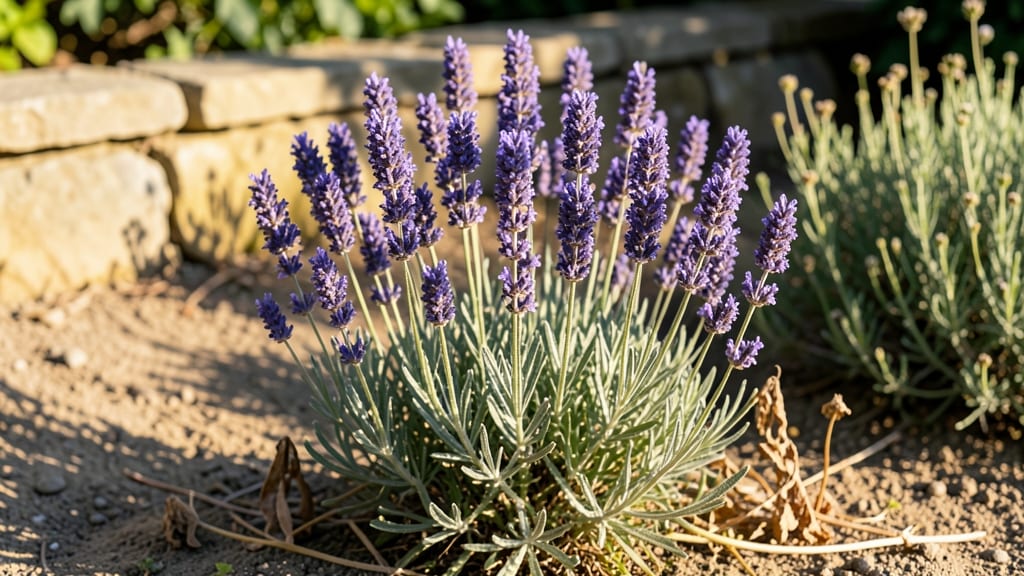
Nothing beats the sight of lavender in bloom—those fragrant purple spikes swaying in the breeze, drawing bees like magnets. 🌿 I’ve watched my garden transform from ordinary to extraordinary once these silvery-green bushes burst into color, turning borders into living tapestries that smell like summer in a jar.
The secret to showstopping lavender isn’t just planting it—it’s placing it right. Along pathways, it invites visitors to pause and breathe in the scent. In pollinator gardens, it’s a bee magnet, while in modern landscapes, its silvery foliage contrasts beautifully with bold colors.
Even dried, it keeps giving—bundles in vases or sachets for closets that smell like a Provençal meadow.
With the right care, your lavender will reward you with three to four weeks of peak bloom, followed by months of subtle fragrance. The key? Full sun, well-drained soil, and just enough water—never soggy roots.
Prune after flowering to keep it bushy, and you’ll have years of effortless beauty that does double duty as both a garden star and a pollinator party host.
Whether you’re lining a walkway, framing a patio, or creating a fragrant retreat, lavender in bloom is the easy, foolproof way to add drama, scent, and life to any outdoor space. Let’s make yours irresistible to both humans and bees.
📚 In This Guide
- What you need
- Instructions
- Tips and common mistakes
- Wrapping up and next steps
What you need
- ● Lavender plants: Choose Lavandula angustifolia (English lavender) or Lavandula x intermedia (hybrid lavender) for best results. Buy 3–5 plants for a small garden bed or 1–2 per 10-inch pot for containers.
- ● Well-draining soil: Mix 60% potting soil with 40% coarse sand or perlite (lavender hates soggy roots!).
- ● Sunlight access: A spot with 6–8 hours of full sun daily (partial shade in hot climates).
- ● Drainage solution: Crushed gravel or pebbles (1–2 inches) at the bottom of pots or garden beds.
- ● Garden trowel or transplanting spade (for planting).
- ● Pruning shears (for shaping and harvesting).
- ○ Organic mulch (optional): Gravel or straw to suppress weeds and retain moisture.
- ○ Slow-release fertilizer (optional): A low-nitrogen, phosphorus-rich formula (like 5-10-10) for blooms.
- ○ Drip irrigation or soaker hose (optional): Keeps roots consistently moist without overwatering.
- ● 🌡️ Test your soil—lavender thrives in alkaline soil (pH 6.5–7.5). Amend with lime if needed.
- ● ✨ Group plants in odd numbers (3, 5, or 7) for a natural, full look!
- ● 🔥 Avoid synthetic fertilizers—they can burn lavender’s delicate roots.
Step-by-step guide to growing lavender in bloom
Here's how I coax those signature purple spikes into full, fragrant display—season after season.
🌱 Step 1: Choose the Right Lavender Variety and Location
English lavender (Lavandula angustifolia) thrives in USDA zones 5-9 and produces the classic purple spikes, while French lavender (L. dentata) handles humidity better for zones 7-10. I always plant mine in full sun—at least 6-8 hours daily—with well-draining soil. The key is avoiding soggy roots, which rot quickly.
Pick a spot with sheltered afternoon breezes to prevent stem flopping. Lavender hates competition—space plants 18-24 inches apart in the ground or 12-15 inches apart in containers. I mark locations with stakes before digging to ensure proper spacing, since lavender spreads slowly but lives for decades.
🪴 Step 2: Prepare Soil and Plant with Proper Spacing
Lavender despises heavy clay or wet soil. Amend native soil with 50% coarse sand or gravel and 50% native soil to create a gritty mix that drains fast. I test drainage by filling a hole with water—if it doesn’t drain within 10 minutes, add more sand or consider a raised bed.
Plant bare-root lavender in early spring when soil warms to 60°F. Dig a hole twice as wide as the root ball but no deeper. Gently spread roots outward and backfill with your amended mix, firming lightly. Water deeply once to settle soil—after that, lavender hates consistent moisture. Mulch with 1 inch of gravel (never organic mulch) to keep roots cool.
☀️ Step 3: Water and Fertilize for Optimal Bloom
Water lavender only when soil feels bone-dry to touch—typically every 7-10 days in summer, less in winter. Overwatering causes root rot, and you’ll see yellowing leaves or mushy stems as the first sign. I water at the base in early morning to prevent fungal diseases from evening dampness.
Skip high-nitrogen fertilizers—lavender blooms best with low fertility. In early spring, I sprinkle ½ teaspoon of 5-10-5 fertilizer around each plant and water it in. Deadhead spent blooms in late summer to encourage a second flush of flowers, but avoid cutting into old wood—this kills the plant.
✂️ Step 4: Prune and Maintain for Long-Term Health
Prune lavender right after flowering (June-July for most varieties) to shape plants and encourage dense growth. Cut back one-third of the previous year’s growth with clean shears, avoiding the woody base. I angle cuts slightly to prevent water pooling. Never prune into old wood—this triggers dieback.
In late winter, trim any dead or leggy stems to maintain a compact shape. Lavender’s woody stems are its strength—never cut back more than one-third in a season. I also watch for powdery mildew (white dust on leaves) and treat it immediately with neem oil spray to protect blooms.
🐝 Step 5: Encourage Pollinators and Extend the Season
Lavender’s fragrance and nectar attract bees, butterflies, and hummingbirds. To maximize visits, plant in clusters of 3-5 plants and intersperse with thyme, rosemary, or catmint for a pollinator buffet. I avoid pesticides entirely—even "organic" sprays can harm beneficial insects.
For extended blooms, choose late-blooming varieties like Lavandula × intermedia (Grosso or Provence), which flower from mid-summer to fall. In colder zones, I protect plants with 4-6 inches of mulch in winter and a light frost cloth during extreme freezes. With proper care, lavender rewards you with purple spikes for 10+ years—and the fragrance lingers for months.
Tips & tricks for perfect lavender in bloom
These little-known details make all the difference between lavender that thrives and lavender that struggles—trust me, I've seen both.
Location is Everything: That 6-8 hours of full sun requirement isn't negotiable—lavender won't bloom properly with less. I've seen gardeners plant theirs in partial shade and wonder why the flowers never develop fully. The purple spikes need intense sunlight to produce their signature fragrance. If your yard doesn't get full sun, containers can be moved to follow the sun's path throughout the day.
Soil Science Matters: The 50/50 sand-soil mix isn't just about drainage—it's about creating an environment where roots can breathe. I once tried planting lavender in regular garden soil and watched in horror as the roots rotted within weeks. Test that drainage by filling a hole with water and timing how quickly it drains—if it takes longer than 10 minutes, you need more sand. For heavy clay soils, raised beds solve this problem completely.
Pruning Precision: When you cut back one-third of the previous year's growth after flowering, you're not just shaping the plant—you're encouraging next year's blooms. I learned this the hard way by pruning too aggressively and nearly killing a mature plant. Always use clean shears and cut at a slight angle to prevent water from pooling on the stems. The woody base is the plant's lifeline—never cut into it.
Winter Protection: That 4-6 inches of mulch in winter isn't just decoration—it's insulation. I've seen lavender plants survive -10°F winters with proper protection, while unprotected plants blackened in the first freeze. Use gravel mulch (never organic) to keep moisture away from the roots while trapping heat. In extreme climates, add a light frost cloth for additional protection—just remove it as soon as temperatures rise above freezing.
Pro Tips for Lavender In Bloom
- These little-known details make all the difference between lavender that thrives and lavender that struggles—trust me, I've seen both.
- Location is Everything: That 6-8 hours of full sun requirement isn't negotiable—lavender won't bloom properly with less.
- Soil Science Matters: The 50/50 sand-soil mix isn't just about drainage—it's about creating an environment where roots can breathe.
Frequently asked questions
Got questions about growing or enjoying lavender in bloom? Here are some of the most common ones—and their answers!
When is the best time to plant lavender for peak blooms?
Plant lavender in early spring or fall (4–6 weeks before the first frost) for the best results. This gives roots time to establish before summer heat or winter cold stress. Avoid planting in mid-summer, as the heat can shock young plants.
How long does lavender stay in bloom, and how can I extend the season?
Lavender typically blooms for 2–4 weeks, but with deadheading (snipping spent flowers), you can encourage multiple flushes throughout the season. Prune lightly after the first bloom, and fertilize sparingly—lavender thrives on neglect but rewards care with longer blooms!
Does lavender attract bees, and is it safe for pollinators?
Lavender is a bee magnet and a pollinator-friendly plant. Its nectar-rich flowers support bees, butterflies, and hummingbirds. Just avoid pesticides—organic control methods (like neem oil) keep pests away without harming pollinators.
Why is my lavender turning brown or dying back?
Overwatering, poor drainage, or fungal issues are common culprits. Lavender loves well-draining soil and full sun—water only when the top inch of soil is dry. If brown tips appear, it may need less water or a trim to improve airflow. Mulch lightly (if at all) to avoid root rot.
Can I grow lavender in containers, and what’s the best pot size?
Yes! Lavender thrives in containers with drainage holes and a mix of potting soil and sand/perlite. A pot at least 12–18 inches deep and wide works best. Choose a terracotta pot (which dries faster) and place it in full sun for optimal growth.
Wrapping up and next steps
Watching your lavender burst into fragrant purple bloom isn’t just a treat for the senses—it’s a gift to pollinators and your garden’s health! 🌸 These vibrant spikes aren’t just pretty; they’re a magnet for bees, butterflies, and hummingbirds, turning your space into a thriving ecosystem.
Now that you’re armed with the how-tos and tips to keep your lavender flourishing, why not take the next step?
Ready to elevate your garden? Start small—plant a few lavender bushes in sunny spots, or share your newfound knowledge with fellow gardening enthusiasts. Every bloom makes a difference, and soon, your yard could be buzzing with life (and beauty)!