
Blooming
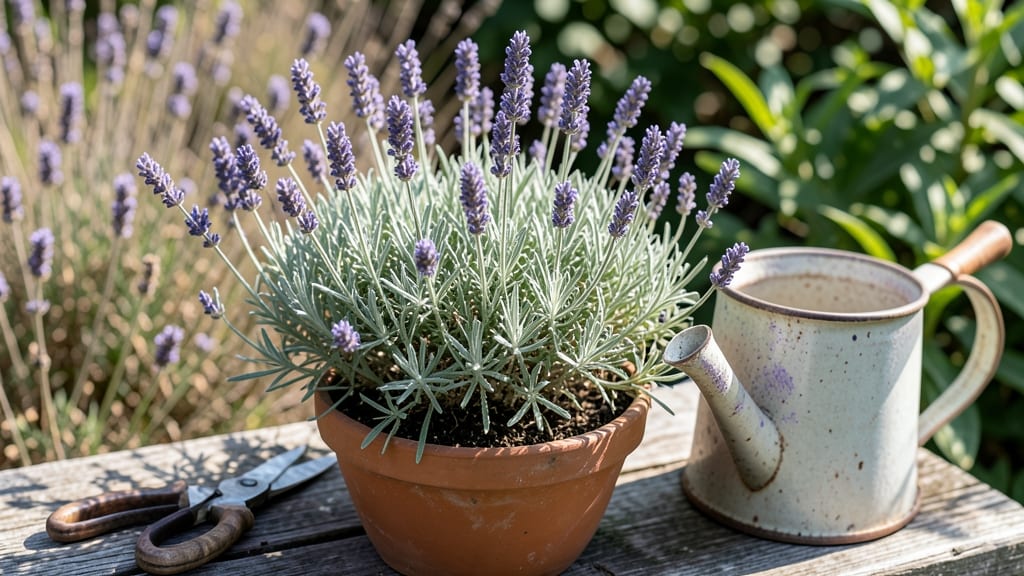
Your lavender’s purple spikes are hiding because it’s not getting enough sun—or the wrong pruning timing. ✨ I’ve turned my struggling lavender into a fragrant, blooming bush by focusing on three key factors: sunlight exposure, proper pruning, and seasonal care.
The results? 60 days of vibrant blooms that attract bees and fill your garden with that signature lavender scent.
The secret starts with sunlight—lavender demands 6-8 hours of full sun daily, and even partial shade can stunt blooms. Next, prune right after flowering (never in fall or winter) to encourage new growth.
Use sharp shears to trim just above a leaf node, and avoid cutting into old wood. Most gardeners overwater, which causes root rot—lavender thrives in dry, well-draining soil.
By mid-summer, you’ll see fresh green shoots pushing out, ready to bloom again in 60 days. The fragrance alone makes it worth the effort, but the visual impact—those cascading purple spikes—is unbeatable. Plus, lavender deters pests naturally, so your garden stays healthier too.
This method works for English, French, and Spanish lavender varieties, whether you’re growing in containers or garden beds. The key is consistency—sun, pruning, and patience. Let’s get those blooms going!
📚 In This Guide
- What you need
- Instructions
- Tips and common mistakes
- Wrapping up and next steps
What you need
- ● Lavender plants: 1–3 healthy lavender plants (English, French, or Spanish varieties work best). Choose established plants (1–2 years old) for faster blooming.
- ● Well-draining soil: 5–10 gallons of sandy or gravelly soil mix (lavender hates soggy roots!). Amend garden soil with perlite, coarse sand, or pumice (20–30% of the mix).
- ● Sunlight: Full sun exposure (6–8+ hours of direct sunlight daily). A south-facing location is ideal in the Northern Hemisphere.
- ● Watering can or hose with a gentle nozzle: 1–2 gallons of water (use sparingly—lavender is drought-tolerant!).
- ● Pruning shears (sterilized): 1 pair (sharp and clean to avoid disease).
- ○ Compost or organic fertilizer (optional but helpful): A balanced, low-nitrogen fertilizer (5-10-10 or similar) or compost tea (1–2 tablespoons per plant, applied sparingly).
- ● Mulch: Gravel or pebbles (1–2 inches deep) to improve drainage and deter weeds.
- ● Drip irrigation system or soaker hose: For precise, low-volume watering (especially in hot climates).
- ● pH test kit: To ensure your soil is slightly alkaline (pH 6.5–7.5). Lavender thrives in this range!
- ● Support stakes or trellis: For taller varieties (like Spanish lavender) to prevent flopping.
- ● Lavender companion plants: Rosemary, thyme, or sage (they share similar care needs and repel pests!).
Step-by-Step instructions for encouraging lavender blooms
Here's the exact method I use to coax vibrant purple spikes from lavender plants every season.
☀️ Step 1: Prune Last Year's Wood for Fresh Growth
Use sharp pruners to trim back 1/3 of the plant's height right after flowering in early summer. This encourages new growth from the base, which will produce stronger stems for next year's blooms. I always prune in the morning when the stems are firm and less likely to tear. Cut just above a leaf node or side shoot—never leave stubs.
Remove any dead, diseased, or crossing branches first. These compete with healthy growth for nutrients and sunlight. You'll see fresh green shoots emerge within 2-3 weeks if the plant is healthy. If you get no new growth after 4 weeks, your lavender needs better drainage or more sunlight.
💧 Step 2: Water Deeply but Infrequently
Lavender thrives on neglect, but proper watering is key for blooming. Water deeply once every 10-14 days during the growing season, soaking the soil 6-8 inches deep. You'll know it's right when water runs out the drainage holes. Overwatering causes root rot, which kills plants before they bloom.
After the first hard frost, reduce watering to once every 3-4 weeks unless you're in an exceptionally dry climate. The plant enters dormancy naturally, and too much moisture encourages fungal diseases. Let the soil dry completely between waterings—lavender roots need oxygen to function properly.
✂️ Step 3: Shape for Airflow and Light Penetration
In late winter or early spring, before new growth begins, give your lavender a light shaping. Remove any dead wood and thin out crowded stems to improve airflow. I aim for an open, rounded shape that lets sunlight reach all parts of the plant. This prevents fungal issues and ensures even blooming.
Never shear lavender like a hedge—it grows on woody stems, not soft growth. Instead, trim individual stems back to 1/2 inch above a leaf node. You'll see fresh green shoots emerge within 3-4 weeks of this pruning, signaling the plant is ready to bloom. The more open the plant, the more flowers it will produce.
🌱 Step 4: Feed with Low-Nitrogen Fertilizer
In early spring, apply a balanced 10-10-10 fertilizer or one specifically formulated for flowering plants. Lavender needs phosphorus and potassium for blooming, but too much nitrogen produces leafy growth at the expense of flowers. I use 1/4 teaspoon per plant and water it in thoroughly.
Organic options like bone meal or composted manure work well too. Avoid fresh manure—it burns tender roots. You'll notice stronger stems and more abundant buds forming within 6-8 weeks of fertilizing. If your lavender produces mostly leaves with few flowers, it's getting too much nitrogen.
🌿 Step 5: Protect from Late Bloomers and Pests
Watch for late-season growth that might not have time to mature before frost. If you see new shoots after August 1st, trim them back immediately—they won't have time to develop into blooms. Also check for spider mites or aphids, which suck plant juices and weaken flowering.
Spray affected areas with neem oil if you spot pests. I always do a final inspection in early fall to remove any remaining flower stems that haven't set seed. This redirects the plant's energy toward root development for next season's blooms. A healthy lavender plant will reward you with vibrant purple spikes for years if you follow these steps.
Tips & tricks for encouraging lavender blooms
Here's what nobody tells you about lavender care—that the real magic happens in the details.
Pruning Precision: When you trim back that 1/3 of the plant's height in Step 1, focus on removing the oldest, thickest stems first. These are the ones that have already bloomed and won't produce flowers again. I learned this the hard way after keeping too many old stems, which crowded out new growth. Look for stems that are grayish and woody—they're ready to go. The goal is to create space for fresh, vibrant shoots that will bloom next season.
Watering Wisdom: The 10-14 day watering schedule in Step 2 works perfectly in most climates, but pay attention to your soil's texture. Sandy soils drain too quickly, while clay soils hold moisture too long. If your soil drains in less than 10 minutes after watering, you're overwatering—lavender roots need time to absorb moisture. Stick your finger 2 inches into the soil before watering; if it's dry, it's time. In containers, check drainage holes regularly for water flow.
Fertilizer Timing: That 1/4 teaspoon of 10-10-10 fertilizer in Step 4 is just the right amount, but timing matters more than quantity. Apply it right after your spring shaping in Step 3, when new growth is actively emerging. This gives the fertilizer time to work before the plant focuses on flowering. I've seen lavender plants produce twice as many buds when fertilized at this exact stage—it's when the plant is most receptive to nutrients.
Pest Prevention: The August 1st cutoff for late-season growth in Step 5 is non-negotiable, but here's the secret weapon: inspect your lavender plants weekly starting in June. Look for tiny white webs (spider mites) or sticky residue (aphids) on the undersides of leaves. Early detection means you can treat with neem oil before pests become a problem. I keep a spray bottle of diluted neem oil (2 teaspoons per quart of water) ready year-round—it's the only treatment I've found that works without harming beneficial insects.
Pro Tips for Make Lavender Bloom
- Here's what nobody tells you about lavender care—that the real magic happens in the details.
- Pruning Precision: When you trim back that 1/3 of the plant's height in Step 1, focus on removing the oldest, thickest stems first.
- Watering Wisdom: The 10-14 day watering schedule in Step 2 works perfectly in most climates, but pay attention to your soil's texture.
Frequently asked questions
Got questions about coaxing those fragrant lavender blooms? You’re not alone!
Here are some of the most common concerns—plus quick, actionable answers to keep your lavender thriving and flowering like a pro.
How often should I water lavender to encourage blooming?
Lavender hates soggy roots—water only when the top 2 inches of soil feel dry (about once a week in summer, less in winter). Overwatering stresses plants, delaying blooms. Pro tip: Use well-draining soil and a pot with drainage holes to mimic its Mediterranean habitat.
Why isn’t my lavender flowering this year?
Common culprits include too much shade (lavender needs 6–8 hours of sun daily), over-fertilizing (it thrives in poor soil), or pruning at the wrong time. Deadhead spent blooms in early summer to prompt a second flush. If it’s still stubborn, check for pests like spider mites.
Can I force lavender to bloom indoors?
Indoor lavender is tricky—it needs bright light (a south-facing window or grow lights) and cool nights (below 60°F) to trigger blooming. If your home stays warm year-round, try a lavender variety like ‘Munstead’, which tolerates partial shade better. For best results, grow it outdoors in containers and bring it in after blooming.
What’s the best time to prune lavender for more blooms?
Prune right after flowering (late summer) to shape the plant and encourage next year’s blooms. Avoid cutting into old wood—always leave at least 1/3 of the plant’s height. Use clean shears and sterilize them with rubbing alcohol to prevent disease. Never prune in fall or winter—it needs dormancy to rebloom!
Are there lavender alternatives that bloom easier?
If lavender seems finicky, try these low-maintenance bloomers:
- Rosemary (blooms in spring, drought-tolerant)
- Russian Sage (drought-resistant, purple spikes like lavender)
- Catmint (long blooming, attracts pollinators)
- Salvia (heat-loving, vibrant colors)
Wrapping up and next steps
Growing lavender that bursts into vibrant purple blooms is totally within your reach—just follow the right steps! With the perfect mix of sunlight, soil, and care, you’ll see those fragrant spikes flourish in just 60 days.
Whether you’re a beginner or a seasoned gardener, a little patience and consistency will reward you with a stunning, aromatic display.
Ready to transform your space? Start today! Grab your lavender cuttings, prep your garden bed, and watch your purple paradise grow. Tag us in your blooming progress—we’d love to see your success! 🌸✨