
Blooming
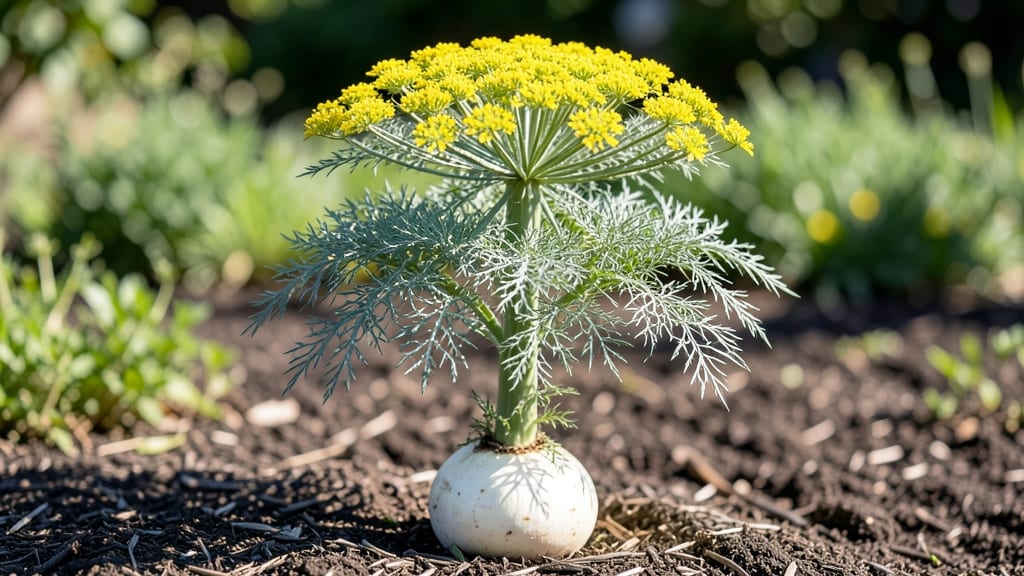
Dog fennel blooms transform your garden into a fragrant, pollinator paradise. 🌸 These delicate white flower clusters not only add height and texture but also attract bees, butterflies, and beneficial insects—making them a must-have for any sunny border or cottage garden.
The secret to showstopping blooms lies in full sun and well-drained soil. Plant in spring after the last frost, spacing them 2-3 feet apart to give their feathery foliage room to spread.
Once established, they thrive with minimal fuss—just occasional watering during dry spells and a light trim after flowering to keep them tidy.
By midsummer, you’ll be rewarded with clouds of fragrant white blooms that last for weeks. The flowers are edible too—add them fresh to salads or dry them for teas. Just avoid letting them self-seed aggressively if you’re not aiming for a wildflower meadow.
Perfect for pollinator gardens, cottage-style borders, or even as a cut flower. With its airy habit and long bloom time, dog fennel is one of those plants that just keeps giving—both for wildlife and for you.
📚 In This Guide
- What you need
- Instructions
- Tips and common mistakes
- Wrapping up and next steps
What you need
- ● Dog fennel seeds or seedlings: Choose Eryngium varieties like Eryngium yuccifolium (rattlesnake master) or Eryngium planum (sea holly). Start with 10–20 seeds or 3–5 healthy seedlings for a small patch.
- ● Well-draining soil: Mix 50% native soil with 50% compost or sand (especially in clay-heavy areas). Aim for a pH of 6.0–7.5—dog fennel thrives in slightly alkaline conditions!
- ● Sunlight: A full-sun spot (6+ hours of direct light daily) is non-negotiable for robust blooms.
- ● Watering can or hose: A gentle spray nozzle helps avoid disturbing shallow roots.
- ○ Organic fertilizer (optional but helpful): A balanced 10-10-10 or fish emulsion (diluted per package) applied once in spring boosts growth.
- ● Garden gloves: Protect your hands from prickly foliage (some varieties have spiky stems!).
- ● Hand trowel or transplanting spade: For sowing seeds ¼ inch deep or moving seedlings.
- ● Mulch (straw or shredded leaves): 1–2 inches to retain moisture and suppress weeds.
- ● Pruners (sharp, clean): For trimming dead blooms to encourage more flowers.
- ○ Pollinator-friendly companions (optional): Plant nearby bee balm, lavender, or coneflowers to create a buzzing ecosystem!
Step-by-step guide to cultivating dog fennel blooms
Here's how to coax fragrant, pollinator-friendly dog fennel into full, lacy bloom—no guesswork involved.
🌱 Step 1: Select and Prepare the Planting Site
Dog fennel thrives in full sun (at least 6-8 hours daily) and tolerates poor soil, but it rewards you best in well-draining, slightly alkaline conditions. I always test my soil pH first—aim for 6.5-7.5. If yours runs acidic, add a handful of crushed limestone per square foot and mix it in.
Choose a location where the plant can spread naturally. Dog fennel grows 3-5 feet tall and wide, so give it room or expect it to dominate a corner. Loosen the top 6 inches of soil with a fork to help roots establish without competition. I avoid heavy amendments like compost here—dog fennel prefers lean soil and won't appreciate rich, nitrogen-heavy mixes.
☀️ Step 2: Plant Seeds or Transplants at the Right Time
Sow seeds 4-6 weeks before your last frost date for spring blooms, or directly in late summer for fall flowers. Dog fennel germinates best in 60-70°F soil, so wait until nighttime temperatures stay above 50°F—cold soil slows germination dramatically. Plant seeds ¼ inch deep and 12-18 inches apart in rows 18-24 inches apart for full, airy growth.
If using transplants, choose established plants with strong stems and no signs of yellowing. Handle roots gently—they're brittle and break easily. Water deeply before transplanting to reduce shock, then place the plant in its hole and firm soil around the base. Press down firmly enough to eliminate air pockets but don't compact the soil.
💧 Step 3: Water and Fertilize for Strong Stems
Water deeply once a week after planting, allowing the top 2 inches of soil to dry between waterings. Dog fennel is drought-tolerant once established, but young plants need consistent moisture to develop sturdy stems. I use a soaker hose for this—it delivers water at the base without wetting the foliage, which helps prevent fungal issues.
Skip the fertilizer. Dog fennel grows best in poor soil and over-fertilizing leads to weak stems that flop under the weight of heavy blooms. If your soil is truly barren, add a light layer of compost around the base in early spring, but keep it 2 inches away from the stem to avoid rot.
✂️ Step 4: Prune and Support for Optimal Blooms
Pinch back the top 2-3 inches of growth when plants reach 12 inches tall to encourage bushier, stronger stems. This step is critical—without it, dog fennel grows leggy and top-heavy, snapping under its own weight. Use clean, sharp pruners and make cuts just above a set of leaves to promote new growth.
Install stakes or cages (4-5 feet tall) at planting if your site has wind exposure. Tie stems loosely to the support with soft twine as they grow—tight bindings restrict growth. Watch for yellowing lower leaves in summer; this is normal as the plant redirects energy to blooms. Remove only the most damaged leaves to maintain airflow and prevent disease.
🌿 Step 5: Encourage Continuous Blooming and Harvest Flowers
Deadhead spent blooms by cutting the stem just below the flower head to encourage more flowers. I do this every 2-3 weeks during peak bloom season (late spring through summer). The plant will reward you with new flowers within 3-4 weeks if you keep up with deadheading.
Harvest flowers in the morning when dew is present but hasn't fully evaporated. This ensures maximum fragrance and freshness. Use clean scissors to snip stems at a 45-degree angle, leaving 1-2 inches of stem on the plant. Store harvested flowers in a paper bag in the fridge for up to 5 days—they retain their scent better than plastic.
Tips & tricks for perfect dog fennel blooms
Took me years of trial and error to perfect these pollinator magnets—here's how to skip the mistakes and get lacy, fragrant blooms every time.
Soil pH Precision: That 6.5-7.5 pH range isn't just a suggestion—dog fennel actually struggles to absorb nutrients in acidic soil. I use a simple pH test kit from the garden center and adjust with crushed limestone if needed. The difference in bloom size and fragrance is dramatic when you nail this step. For best results, test your soil in the fall before planting, giving the amendments time to work.
Timing Secret for Germination: Those 60-70°F soil temperatures are critical because dog fennel seeds are slow to germinate in cooler conditions. I've found that using a seedling heat mat under my seed trays shaves 3-5 days off germination time. If you're planting in spring, wait until nighttime temperatures consistently stay above 50°F—cold snaps can stall germination completely. For fall plantings, aim for late August to give plants time to establish before winter.
Pruning Technique: When pinching back those top 2-3 inches at 12 inches tall, make your cuts just above a set of leaves where new growth will emerge. I use clean, sharp pruners and always sterilize them with rubbing alcohol between cuts to prevent spreading disease. This step might seem counterintuitive—you're removing growth—but it forces the plant to develop stronger, bushier stems that can support those heavy blooms without snapping.
Harvesting Hack: That morning dew timing isn't just about fragrance—it's also when the flowers contain the most pollen. I harvest by cutting stems at a 45-degree angle and immediately place them in a paper bag (never plastic) to preserve their scent. For culinary use, I like to let the flowers dry completely on a screen before using them in teas or garnishes—they keep their flavor for months when stored properly in an airtight container away from light.
Pro Tips for Dog Fennel Bloom
- Took me years of trial and error to perfect these pollinator magnets—here's how to skip the mistakes and get lacy, fragrant blooms every time.
- Soil pH Precision: That 6.5-7.5 pH range isn't just a suggestion—dog fennel actually struggles to absorb nutrients in acidic soil.
- Timing Secret for Germination: Those 60-70°F soil temperatures are critical because dog fennel seeds are slow to germinate in cooler conditions.
Frequently asked questions
When is the best time to plant dog fennel bloom?
Plant dog fennel (Eryngium spp.) in early spring (after the last frost) or late summer for a fall display. Seeds need light to germinate, so don’t bury them—just press them lightly into moist soil. Young plants are frost-tolerant but thrive in full sun with well-draining soil.
How long does it take for dog fennel to bloom?
From seed, expect blooms in 60–90 days under ideal conditions. Established plants may rebloom if deadheaded (remove faded flowers). Pro tip: For a longer season, plant successive batches every 3–4 weeks. Patience pays off—those steel-blue spheres are worth the wait!
Are there any alternatives if dog fennel attracts too many pests?
If pollinators (or pests!) overrun your garden, try these low-maintenance alternatives with similar charm:
- Sea holly (Eryngium maritimum) – Salt-tolerant, drought-resistant cousin
- Globe thistle (Echinops) – Spherical blooms, deer-resistant
- Russian sage (Perovskia) – Fragrant, long-blooming, and pollinator-friendly
Why isn’t my dog fennel blooming? Troubleshooting tips
No flowers? Check these fixes:
- Too much nitrogen? Fertilizer high in N (first number) fuels leaves, not blooms. Switch to a low-N, high-P (phosphorus) formula.
- Overcrowding? Thin plants to 12–18 inches apart for better airflow and sunlight.
- Wrong light? Dog fennel needs 6+ hours of sun daily—move to a sunnier spot.
- Leggy stems? Prune back by ⅓ in early spring to encourage bushier growth.
Can I eat dog fennel blooms, or are they just for show?
Yes! All parts are edible—though the leaves and stems have a mild licorice flavor, the blooms add a peppery crunch to salads, garnishes, or infused oils. Harvest sparingly to preserve pollinator appeal. Caution: Avoid if allergic to carrot family plants (e.g., dill, fennel).
Wrapping up and next steps
Discovering the dog fennel bloom isn’t just about adding beauty to your garden—it’s about fostering a thriving ecosystem that delights pollinators like bees and butterflies! 🐝 These fragrant, edible flowers are a low-maintenance, high-reward addition to any outdoor space, offering both practical and aesthetic benefits.
Whether you’re a seasoned gardener or just starting out, their resilience and versatility make them a fantastic choice for sustainable landscaping.
Ready to bring more life to your garden? Start by planting a few dog fennel blooms this season and watch as your outdoor space transforms into a buzzing hub of activity. Happy gardening! 🌸