
Blooming
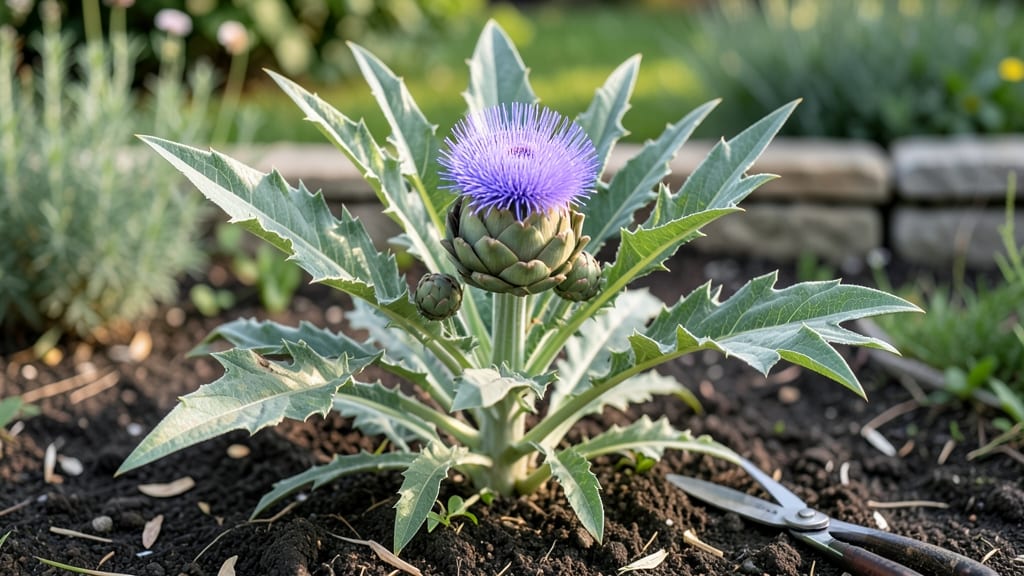
Seeing artichokes in bloom feels like discovering a secret garden gem—those striking purple thistles rising like edible sculptures. 🌿 I planted mine last spring purely for their dramatic foliage, but the blooms stole the show, turning my patio into a living art piece.
The contrast of deep purple flowers against their bold, silvery-blue leaves creates a look you won't find with ordinary ornamentals.
These aren't just pretty faces—they're productive too. The same plants that produce those showstopping blooms will give you tender artichokes for eating. The key is giving them plenty of sun (at least 6 hours daily) and room to grow, whether in containers or garden beds.
In my 15-gallon pots, they've thrived alongside rosemary and thyme, creating a fragrant, edible border that neighbors admire.
By mid-summer, you'll have clusters of those unique blooms perfect for cutting or leaving on the plant. The flowers themselves are edible (though tougher than the hearts), and even the spent blooms add texture to arrangements.
Prune spent stems to encourage more blooms, and you'll enjoy this dual-purpose plant all season long.
Works beautifully in containers, cut gardens, or as a statement piece in perennial beds. The best part? You get both beauty and bounty from the same plant—something no other edible garden staple delivers quite like this.
📚 In This Guide
- What you need
- Instructions
- Tips and common mistakes
- Wrapping up and next steps
What you need
- ● Artichoke seeds or young plants: Global or Green Globe varieties (best for containers). 2–3 seeds per container or 1–2 plants per 12" pot (spaced 18–24" apart in gardens).
- ● Well-draining potting mix: 1–2 bags (1–2 cubic feet) for containers. Mix with perlite or sand (20% volume) for aeration.
- ● Containers (if growing in pots): Minimum 12" deep and wide (1 gallon or larger). Drainage holes are a must—no exceptions!
- ● Sunlight access: Full sun (6+ hours daily) for optimal blooms and thistle-like edibles.
- ● Watering can or hose with gentle spray: Keep soil consistently moist (not soggy) during germination and growth.
- ○ Fertilizer (optional but recommended): Balanced 10-10-10 or organic compost (e.g., worm castings) at planting and mid-season.
- ○ Gloves (optional): Artichoke leaves can be prickly—protect your hands! 🧤
- ● Pruning shears: For trimming spent blooms or harvesting thistles.
- ● Mulch (straw or shredded leaves): Retains moisture and suppresses weeds.
- ○ Support stakes (optional for tall varieties): If growing in windy areas.
Step-by-step instructions for growing artichokes in containers
Here's how to coax those showstopping purple thimbles from your own backyard—no greenhouse needed.
🌱 Step 1: Start Seeds Indoors for Early Growth
Begin seeds indoors 8-10 weeks before your last frost date. Fill 2-inch deep seed trays with sterile seed-starting mix (not garden soil) and moisten until damp like a wrung-out sponge. Plant seeds ½ inch deep, spacing them 1 inch apart—they'll need room to stretch.
Cover the tray with plastic wrap to trap warmth and place it in a 70-75°F spot. A seedling heat mat speeds germination to 10-14 days. Keep the soil consistently moist but never soggy—artichokes hate wet feet. Once sprouts appear, remove the plastic immediately to prevent fungal rot.
☀️ Step 2: Harden Off and Transplant to Containers
When seedlings have 4-6 true leaves (not just the initial seed leaves), it's time to move them outdoors. Start by placing them in a shaded, sheltered spot for 1-2 hours the first day. Gradually increase exposure over 7-10 days, ending with full sun.
Choose 15-gallon containers with drainage holes—artichokes need deep roots. Fill with well-draining potting mix (amend with perlite if yours is heavy). Transplant one seedling per container, burying up to the first set of true leaves. Water deeply to settle the soil, then let it dry slightly before watering again.
💧 Step 3: Feed and Water for Robust Growth
Artichokes are heavy feeders. After transplanting, apply a balanced 10-10-10 fertilizer at half strength every 2 weeks until buds form. They need 1-2 inches of water per week, but check soil moisture—containers dry out faster. Water at the base, avoiding leaves to prevent fungal diseases like powdery mildew.
Mulch with 2-3 inches of organic mulch (like straw) to retain moisture and keep roots cool. Watch for purple-tinged buds forming in late spring—this means your plants are ready to produce. Pinch off any side shoots to encourage the main bud to grow larger and more uniform.
✂️ Step 4: Harvest and Encourage More Blooms
Harvest artichokes when buds are 3-4 inches tall and tightly closed—this is peak flavor. Cut the stem 1 inch below the bud with clean pruners. You'll get 4-6 harvests per plant in a season if you care for them well.
After harvesting, fertilize again with a low-nitrogen, high-phosphorus formula to encourage more blooms. Deadhead spent flowers promptly to redirect the plant's energy. In containers, artichokes may need winter protection in cold climates—wrap pots in burlap and move them to a sheltered spot or bring them indoors before frost hits.
Tips & tricks for perfect artichoke growth in containers
These simple strategies will help you nurture thriving artichoke plants that produce those stunning edible blooms.
The Heat Factor: Maintaining that 70-75°F temperature range during germination is crucial—artichoke seeds need warmth to sprout reliably. If your home runs cooler, place the seed tray on a heating mat or near a sunny window. I've found that using a clear plastic lid (instead of just plastic wrap) helps trap even more heat while still allowing light to penetrate.
Timing Secret: Those 1-2 hours of initial hardening off might seem short, but it's about gradual acclimation. Start with just 1 hour on day one, then increase by 30 minutes each subsequent day. This slow transition prevents transplant shock that can stall growth. I've seen seedlings wilt dramatically when rushed into full sun too soon.
Container Wisdom: While the instructions call for 15-gallon containers, you can successfully grow artichokes in 10-gallon containers if you're in a warmer climate and have limited space. Just be prepared for slightly smaller plants and fewer harvests. The key is ensuring the container is at least 12 inches deep—artichokes develop deep taproots that need room to grow.
Watering Watch: The 1-2 inches of water per week guideline assumes average temperatures. In hotter climates, you may need to water daily during peak summer months. I check soil moisture by sticking my finger 2 inches deep—if it's dry at that level, it's time to water. Overwatering is the #1 killer of container-grown artichokes, so always let the top inch dry out between waterings.
Pro Tips for Artichoke In Bloom
- These simple strategies will help you nurture thriving artichoke plants that produce those stunning edible blooms.
- The Heat Factor: Maintaining that 70-75°F temperature range during germination is crucial—artichoke seeds need warmth to sprout reliably.
- Timing Secret: Those 1-2 hours of initial hardening off might seem short, but it's about gradual acclimation.
Frequently asked questions
Got questions about growing and enjoying artichoke in bloom? You’re not alone! Here are some of the most common queries—plus quick, practical answers to help you cultivate those stunning edible purple thimbles like a pro.
When do artichoke plants actually bloom?
Artichoke plants typically bloom 60–90 days after transplanting, depending on the variety and climate. In warmer zones (USDA 7–10), expect flowers in early spring or late fall. In cooler areas, start seeds indoors 8–10 weeks before the last frost for a summer bloom. Pro tip: Pinch off early buds to encourage larger, showier blooms later!
How do I keep my artichoke flowers from turning brown or wilting?
Brown or wilted blooms often signal stress from heat, drought, or pests. Ensure your plants get 1–2 inches of water weekly (more in containers) and mulch to retain moisture. Check for aphids or spider mites—spray with neem oil if needed. Bonus: Deadhead spent blooms to redirect energy to new growth!
Can I eat the blooms if they’re not fully open?
Edible artichoke varieties (like ‘Green Globe’ or ‘Purple of Rome’)
are best harvested when buds are tight but still plump—about the size of a golf ball. Wait until the scales are still closed; once they open, the heart becomes tough. Fun fact: The purple thimbles (like ‘Romanesco’) are ornamental but not edible—save those for bouquets!
How long does it take for artichokes to produce blooms after planting?
From seed to bloom, expect 3–4 months in ideal conditions. If starting with transplants, blooms may appear in 4–6 weeks. Patience pays off! Cold snaps or poor soil can delay flowering, so amend soil with compost and choose a sunny, sheltered spot (6+ hours of sun daily).
What can I do with artichoke flowers that aren’t edible?
Ornamental varieties (like Cynara cardunculus ‘Atropurpurea’) are gorgeous in floral arrangements—their deep purple bracts add drama to bouquets. Dry them for potpourri or use as culinary garnishes (non-edible parts only!). Sustainable tip: Share extras with gardeners or compost them to enrich your soil.
Will artichokes bloom in cold climates?
Most artichokes thrive in USDA zones 7–10, but hardy varieties like ‘Green Globe’ can tolerate brief chills. In colder zones (below 5), grow them in containers and move them indoors during frost. Alternative: Try cardoon (a related species) for milder climates—its edible stems are a unique twist!
Wrapping up and next steps
Watching an artichoke in bloom is like uncovering a hidden garden gem—vibrant, edible, and full of surprises! These purple thistle-like flowers aren’t just stunning; they’re a delicious reward for your gardening efforts.
Whether you’re growing them in containers or cutting them for bouquets, their unique charm and culinary potential make them a must-have for any green thumb.
Ready to bloom with confidence? Start small—plant a few this season, experiment with recipes, or share your harvest with friends. Your garden (and taste buds) will thank you! 🌱✨