
Blooming
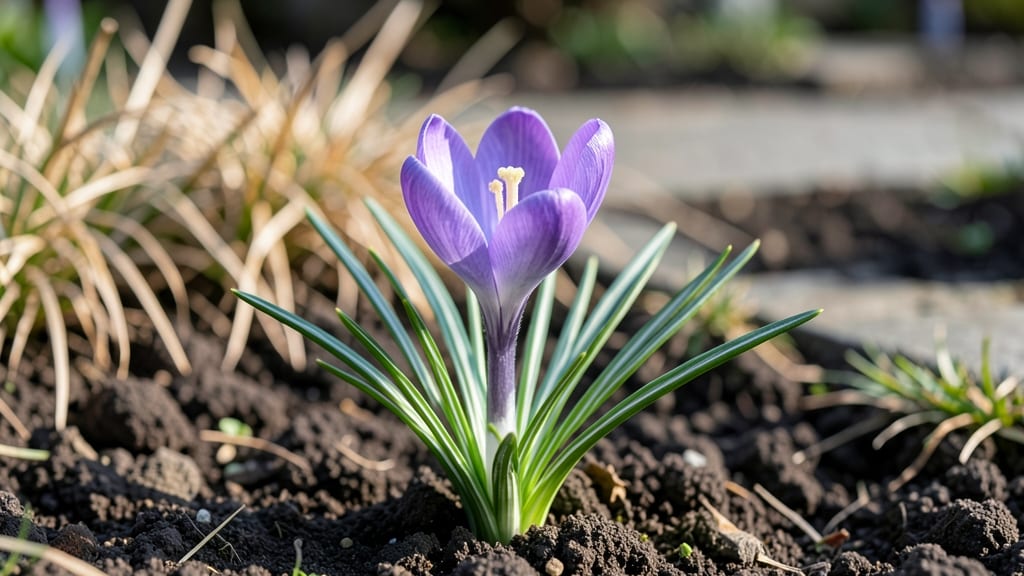
Cold-resistant blooms that greet you before the last frost. ✨ Early spring flowers like crocuses and hellebores prove that winter's grip isn't permanent—these tough plants push through snow to paint your garden with color when most everything else is still dormant.
I've learned the hard way that timing is everything: plant too late, and you miss the show; too early, and frost nips them before they bloom.
The secret to their success isn't complicated—just the right spot and a little patience. Most thrive in partial shade, where they avoid harsh afternoon sun but still get enough light to push through the cold. They prefer well-draining soil, so amending heavy clay with compost makes all the difference.
My 3 favorite varieties—crocus 'Purple Striped,' hellebore 'Black Pearl,' and snowdrops—return every year with minimal care, proving that early blooms don't require babying.
What you'll get is a garden that feels alive months before summer arrives. The sight of purple crocuses peeking through melting snow or hellebores' nodding bells in late winter is pure magic.
These plants also attract early pollinators, giving your bees and butterflies a head start on the season. Plus, they naturalize beautifully, multiplying each year with almost no effort.
Works in zones 3-8, from Pacific Northwest gardens to Midwestern yards, with adjustments for southern climates where winter is milder. The key is matching varieties to your specific frost dates—plant too early in warm zones, and you'll get leggy, weak stems instead of sturdy blooms.
Let's get those early color plans in motion!
📚 In This Guide
- What you need
- Instructions
- Tips and common mistakes
- Wrapping up and next steps
What you need
- ● Cold-hardy flower bulbs/seeds: Choose from varieties like crocus, daffodils, tulips, heather, or winter aconite (check USDA Zone 3-7 compatibility).
- ● Well-draining soil mix: 50% native soil + 50% compost or peat moss (10-15 lbs per planting area).
- ● Garden tools: Trowel (medium-sized, stainless steel)
- ● Hand fork (for loosening soil)
- ● Pruners (for trimming dead foliage)
- ● Mulch: 2-3 inches of straw, pine needles, or shredded leaves to insulate roots.
- ● Watering can or hose with a gentle spray nozzle: 1-2 gallons of water per planting session.
- ● Garden gloves: A pair to protect hands from thorns or sharp soil.
- ● Frost cloth or row covers: Lightweight fabric to shield tender shoots from late frosts (1-2 per planting bed).
- ● Slow-release fertilizer: 10-10-10 or bulb-specific formula (sprinkle lightly post-planting).
- ● Plant labels: Waterproof markers to track varieties (especially useful for mixed beds!).
- ● Knee pad or small stool: For comfort during long planting sessions.
- ● Organic slug bait (if needed):strong> Copper tape or diatomaceous earth for pest control.
Step-by-Step guide to planting early spring bloomers
Here's how to get vibrant color thriving even when frost still lingers in the forecast.
🌱 Step 1: Choose the Right Cold-Hardy Varieties
Focus on proven early spring performers like crocuses, hellebores, and winter aconite—these handle 20-25°F temperatures without flinching. I always check USDA zone hardiness ratings (most early bloomers thrive in zones 3-8) and select varieties with early bloom times (February-April). For best results, mix bulbs and perennials together—bulbs like snowdrops provide quick color while hellebores offer long-lasting foliage interest.
Plant bulbs 6-8 weeks before frost (typically October-November in most regions) so roots establish before winter. Perennials like lungwort or bleeding heart can go in early spring as soon as soil is workable—usually when you can push a trowel in 3 inches deep without resistance. These plants reward patience with weeks of blooms before summer annuals even think about waking up.
☀️ Step 2: Prepare the Planting Site
Clear the area of weeds and loosen soil to a depth of 12 inches—this prevents root restriction when spring rains arrive. I always amend with 2-3 inches of compost mixed into the top 6 inches of soil to provide nutrients without overwhelming tender new growth. Early spring bloomers prefer partial shade to full sun, depending on variety—check individual plant tags for light requirements.
For bulbs, dig holes 3 times as deep as the bulb's height (usually 4-6 inches deep) and space them 3-6 inches apart, depending on size. Larger bulbs like tulips need more space, while tiny crocus bulbs can cluster closely. Press soil gently around each bulb—you want firm contact but no compaction that restricts roots.
💧 Step 3: Plant and Water Strategically
Place bulbs with the pointed end up (this ensures proper growth direction) and cover with soil, leaving the top 1-2 inches exposed for smaller bulbs like snowdrops. For perennials, set the root ball at the same depth it was in the container—burying too deep suffocates roots while planting too shallow exposes them to drying winds.
Water immediately after planting to settle soil and remove air pockets. Use 1 gallon of water per planting hole for bulbs, and 2 gallons for perennials. The soil should feel moist 2 inches deep—not soggy, just consistently damp. This initial watering helps establish roots before winter dormancy sets in. I avoid overhead watering after planting to prevent fungal diseases that thrive in cold, wet conditions.
⏰ Step 4: Mulch and Monitor for Early Growth
Apply 2-3 inches of mulch (straw or shredded leaves work best) after the ground freezes to insulate roots. This protects against temperature swings that can damage emerging shoots. I check mulch depth in spring—if it's broken down to 1 inch thick, add more to maintain insulation until soil warms.
Watch for first green shoots in late winter—this is your signal to remove mulch gradually. Start by pulling back edges to let light reach the soil surface, then completely remove mulch when shoots reach 2-3 inches tall. This prevents overheating of tender new growth. Early bloomers often push through snow—don't be surprised to see hellebores flowering while snow still blankets the ground!
✂️ Step 5: Maintain Through First Blooming
Once flowers appear, water 1 inch per week—more during dry spells—to keep blooms vibrant. I always water at the base in the morning to prevent fungal issues from evening moisture. Deadhead spent blooms on perennials (like hellebores) to encourage a second flush of flowers, but leave seed heads on bulbs like crocuses—they provide winter interest and food for birds.
Fertilize lightly in early spring with 5-10-10 formula** at half strength once leaves appear. Too much fertilizer encourages leafy growth at the expense of blooms. These early spring stars are tough but appreciate a little support—your goal is to help them establish strong roots for years of reliable performance.
Tips & tricks for early spring blooming flowers
Here's what nobody tells you about getting those first bursts of color through winter's last gasp—without losing your plants to frost.
Cold-Hardiness Reality Check: Just because a plant survives 20-25°F doesn't mean it thrives in it. For true early spring success, look for varieties labeled "early bloom times" (February-April) and check their specific cold tolerance—some hellebores handle 10°F while others need protection at 20°F. I've learned this the hard way with expensive tulip bulbs that looked perfect but failed to bloom because they needed 15°F minimum.
Soil Prep Secret: The 12-inch deep loosening in Step 2 isn't just about weeds—it's about creating drainage paths for spring rains. I use a broadfork to break up compacted layers without turning the soil, which preserves beneficial microbes. For heavy clay soils, mix in 1 part sand to 3 parts soil to improve drainage while maintaining moisture retention. This makes all the difference when roots need to establish before winter sets in.
Watering Wisdom: That 1 gallon per bulb and 2 gallons per perennial might seem like a lot, but early spring soil holds moisture differently than summer. I test moisture by pushing a screwdriver 2 inches deep—if it comes out clean, water; if it's damp, wait. Overwatering in cold weather can suffocate roots just as much as underwatering. And remember: mulch (from Step 4) should be 2-3 inches thick—this isn't decoration, it's insulation that prevents temperature swings from damaging tender new growth.
Mulch Timing Trick: Don't apply mulch immediately after planting—wait until the ground freezes. I've seen gardeners do this and end up with rotting bulbs because the mulch traps too much moisture. Instead, apply it after frost when the soil is cold but not frozen solid. In spring, remove mulch gradually when shoots hit 2-3 inches tall, pulling back edges first to let light reach the soil surface. This prevents the "mulch burn" I've seen on hellebores when gardeners remove it all at once.
Pro Tips for Early Spring Blooming Flowers
- Here's what nobody tells you about getting those first bursts of color through winter's last gasp—without losing your plants to frost.
- Cold-Hardiness Reality Check: Just because a plant survives 20-25°F doesn't mean it thrives in it.
- Soil Prep Secret: The 12-inch deep loosening in Step 2 isn't just about weeds—it's about creating drainage paths for spring rains.
Frequently asked questions
Got questions about early spring bloomers? You’re not alone!
Here are answers to the most common queries about cold-resistant flowers that brighten up your garden before summer even arrives.
When is the best time to plant early spring blooming flowers?
Plant them in late fall (6–8 weeks before your first frost) or early spring (as soon as the soil is workable). Bulbs like tulips and daffodils thrive when planted in fall, while perennials like hellebores can handle spring planting. Just avoid soggy soil—wait until temperatures stabilize above freezing at night.
Can I still enjoy early blooms if I miss the planting window?
Many varieties (like crocuses or snowdrops) naturalize easily—plant them now, and they’ll return year after year. For a quick fix, try potted bulbs (like hyacinths) or pre-planted containers from garden centers. Even late additions can still steal the show!
How do I protect my early bloomers from late frosts?
Use frost cloth or lightweight row covers on chilly nights (especially for delicate blooms like primroses). Mulch around the base with straw or shredded leaves to insulate roots. Avoid heavy mulch—it can trap moisture. Pro tip: Water deeply before a frost to help plants withstand cold better!
Are there low-maintenance early bloomers for busy gardeners?
Yes! Opt for self-sowing annuals like calendula or perennials such as heuchera (coral bells) and lamium (dead nettle). These thrive with minimal care, spread easily, and often return year after year. Daffodils and alliums are also deer-resistant and nearly foolproof!
Why aren’t my early bloomers coming up this year?
Check these common culprits:
- Poor drainage: Bulbs rot if planted in soggy soil. Amend with compost or sand.
- Too much shade: Some varieties (like bleeding heart) need partial sun.
- Over-fertilizing: Too many nutrients can delay blooms. Use a balanced, low-nitrogen fertilizer.
- Pests/squirrels: Protect bulbs with chicken wire or plant daffodils (toxic to critters).
If all else fails, dig up a bulb to check for mold or damage—sometimes a simple replant in fresh soil is all it takes!
Wrapping up and next steps
Early spring bloomers prove that beauty thrives even when winter lingers! 🌸 From hardy crocuses to delicate snowdrops, these frost-resistant flowers bring color and hope to your garden before summer’s peak.
Whether you’re a seasoned gardener or a beginner, adding these varieties can transform your outdoor space into an early-season paradise.
Ready to bring life to your garden? Start by selecting a few cold-resistant varieties, then plan your planting schedule based on your local frost dates. Your next step: Sketch a simple layout or browse local nurseries to pick plants that suit your space and sunlight.
Happy gardening—your spring haven awaits! 🌱