
Blooming
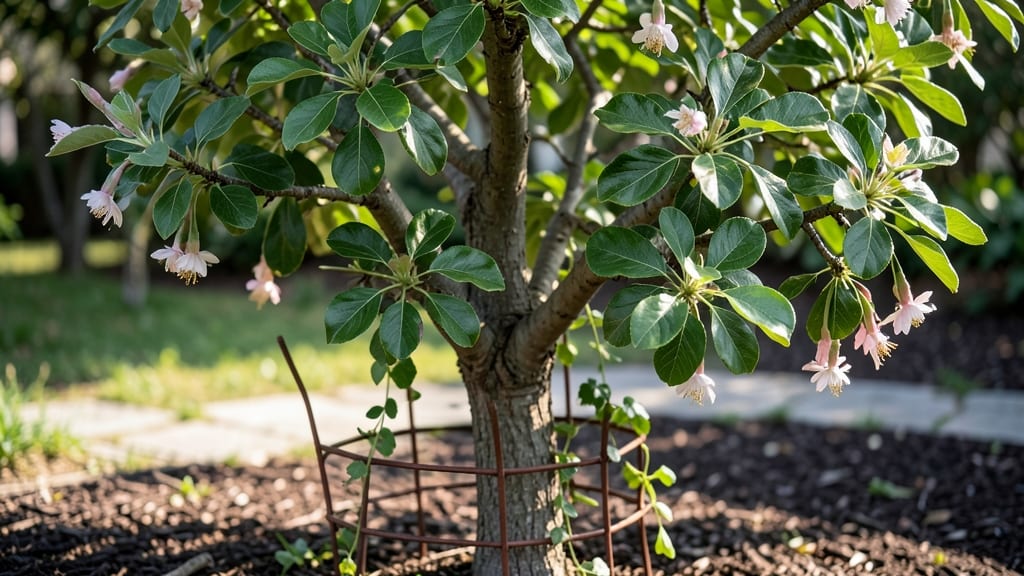
A quince tree in bloom transforms your garden into a fragrant spring paradise. 🌸 Its delicate white blossoms create a dreamy, almost ethereal atmosphere while drawing bees and butterflies to your yard.
Unlike many spring bloomers, quince flowers have a subtle, sweet scent that lingers in the breeze—perfect for creating a sensory garden experience.
Timing is everything with quince trees, as they burst into bloom in late April to early May, just as other spring flowers are fading. The flowers last about 2-3 weeks, but their impact on the landscape is undeniable.
Pair quince with dwarf lilacs, early roses, or ornamental cherries to extend the blooming season and create a layered, textured border or focal point.
What makes quince truly special is its rugged charm—it thrives in full sun or partial shade, tolerates poor soil, and even handles urban pollution better than many ornamentals. The glossy, dark green leaves provide year-round interest, while the persimmon-like fruit in fall adds another layer of visual appeal.
For best results, plant quince where you can enjoy its fragrance up close, like near patios or garden paths. A light pruning after blooming keeps the shape tidy, and mulching helps retain moisture.
This versatile tree works in formal gardens, cottage-style layouts, or even as a standalone specimen—once you see it in bloom, you’ll wonder why you didn’t plant one sooner.
📚 In This Guide
- What you need
- Instructions
- Tips and common mistakes
- Wrapping up and next steps
What you need
- ● Quince tree sapling: Choose a Cydonia oblonga variety (e.g., 'Smyrna,' 'Champion,' or 'Van Deman') from a reputable nursery. Opt for a 1-3 year old tree for faster establishment.
- ● Well-draining soil: Quince trees thrive in slightly acidic to neutral soil (pH 6.0–7.5). Amend heavy clay with compost (5–10 gallons) or sand (2–3 cubic feet) if needed.
- ● Organic fertilizer: A balanced 10-10-10 or 5-10-10 fertilizer (1–2 lbs) to kickstart growth. Avoid high-nitrogen blends.
- ● Mulch: Wood chips or straw (2–3 inches thick) to retain moisture and suppress weeds. Keep mulch 3–4 inches away from the trunk.
- ● Shovel or spade (for digging planting holes 2–3 times wider than the root ball).
- ● Garden trowel (for adjusting soil around roots).
- ● Pruning shears (sterilized with rubbing alcohol) to trim dead branches post-planting.
- ● Watering can or hose with a gentle spray nozzle (quince trees hate soggy roots!).
- ● Measuring tape (to ensure proper spacing—15–20 feet apart for full-grown trees).
- ● Pollinator-friendly plants: Pair with lavender, rosemary, or native wildflowers to attract bees and butterflies during bloom.
- ● Tree stakes & ties (if planting in windy areas—use biodegradable options).
- ● Drip irrigation system for consistent moisture (especially in dry climates).
- ● Fruit cage or netting (if growing for harvest—quince fruit is a delicacy but attracts pests!).
How to cultivate a fragrant quince tree in bloom
Here's how to nurture a stunning, pollinator-friendly quince tree that bursts with springtime fragrance.
🌱 Step 1: Select and Prepare the Planting Site
Quince trees thrive in full sun with at least 6-8 hours of direct light daily. Choose a location with well-draining soil—they hate soggy roots. I dig a hole twice as wide as the root ball but only as deep, loosening the surrounding soil to encourage root spread.
The ideal spot offers shelter from strong winds, which can damage delicate blossoms. Test your soil's pH—quince prefers 6.0-7.0. If yours is too acidic, mix in 1-2 pounds of lime per planting hole. Amend heavy clay with compost or sand to improve drainage.
☀️ Step 2: Plant at the Right Time and Depth
Plant your quince in early spring before new growth begins, or in fall at least 6 weeks before frost. The tree's root flare (where roots meet trunk) should sit 1-2 inches above ground level—burying it too deep suffocates the roots. Backfill with native soil mixed with compost to enrich the planting hole.
Water deeply after planting to settle the soil around roots, then create a 4-inch deep watering basin around the base. This directs moisture straight to roots where it's needed most. Mulch with 2-3 inches of organic mulch (like wood chips) to retain moisture and regulate soil temperature.
💧 Step 3: Water and Fertilize for Optimal Bloom
Keep the soil consistently moist but never soggy during the first growing season. Water when the top 2-3 inches of soil feel dry—stick your finger in to check. Mature trees are drought-tolerant once established, but young trees need regular watering to support vigorous bloom production.
Feed with a balanced 10-10-10 fertilizer in early spring before buds swell, then again after the first flush of blooms. Avoid high-nitrogen fertilizers—they promote leafy growth at the expense of flowers. I also top-dress with compost annually to improve soil structure and provide slow-release nutrients.
✂️ Step 4: Prune for Airflow and Abundant Blooms
Prune in late winter or early spring before buds break, removing any dead, diseased, or crossing branches first. Open the tree's center by cutting out 1/3 of the oldest, thickest branches to improve airflow—this reduces humidity where fungal diseases thrive. Thin out crowded branches to let sunlight penetrate to the interior.
Shape the tree by selectively pruning to maintain an open vase shape. Never remove more than 25% of the tree's canopy in one season. After flowering, you can do light pruning to remove any suckers or water sprouts that appear at the base or along branches.
🪴 Step 5: Protect and Maintain for Long-Term Beauty
Quince trees are relatively pest-resistant, but watch for quince scale or aphids on new growth. Treat infestations early with horticultural oil or insecticidal soap. The fragrant blossoms attract beneficial pollinators like bees and butterflies—leave some flowers on the tree even if you're not growing fruit.
In late fall, rake up and dispose of any fallen leaves to prevent fungal diseases from overwintering. Apply a 2-3 inch layer of mulch around the base, keeping it 6 inches away from the trunk. This protects roots from freeze-thaw cycles and retains moisture through summer droughts.
Tips & tricks for perfect quince tree cultivation
Transforming your yard into a fragrant haven starts with these essential insights that'll set your quince tree up for spectacular blooms.
Site Selection Wisdom: When evaluating your planting spot, prioritize locations that get morning sun and afternoon shade—this mimics the tree's natural Mediterranean habitat. I've found that southern exposures with afternoon shade produce the most abundant blossoms. Also, avoid planting near large shrubs that could compete for water and nutrients during the critical first two years.
Planting Depth Precision: The root flare should sit just above soil level—this is non-negotiable. I learned this the hard way after burying one too deep, which led to root suffocation. Use a level or stick to verify the flare sits 1-2 inches above ground. For containers, ensure at least half the root ball is above the rim to prevent rot from water pooling.
Pruning Strategy: When removing 1/3 of the oldest branches in Step 4, focus on those growing inward or rubbing against others. These are the branches that create dense centers where air can't circulate. I mark these with a flag during winter inspection so I remember which to remove. The goal is to create a vase shape that allows sunlight to reach all blossoms, not just the outer branches.
Fertilization Timing: That second feeding after the first flush of blooms is crucial—it replenishes nutrients used during flowering. I've seen trees with stunning spring blooms produce sparse summer flowers because gardeners forget this second feeding. Use a slow-release fertilizer or organic compost tea to avoid nitrogen spikes that promote leaves over blossoms.
Pro Tips for Quince Tree In Bloom
- Transforming your yard into a fragrant haven starts with these essential insights that'll set your quince tree up for spectacular blooms.
- Site Selection Wisdom: When evaluating your planting spot, prioritize locations that get morning sun and afternoon shade—this mimics the tree's natural Mediterranean habitat.
- Planting Depth Precision: The root flare should sit just above soil level—this is non-negotiable.
Frequently asked questions
Got questions about quince trees in bloom? You’re not alone!
Here are answers to the most common queries—from timing and care to troubleshooting—so you can enjoy (and protect) your fragrant spring spectacle.
When do quince trees typically bloom, and how long does it last?
Quince trees usually burst into bloom in early to mid-spring (March–April in most U.S. zones), often before leaves emerge. Their show lasts 1–2 weeks, with Cydonia oblonga varieties like ‘Issai’ or ‘Van Deman’ offering the most vibrant displays. Pro tip: Plant near patios or windows to savor their intense, honey-like fragrance at its peak!
Are quince blossoms good for pollinators like bees and butterflies?
Absolutely!
Quince flowers are a pollinator magnet, especially for honeybees and native bees. Their high nectar content makes them a spring lifeline. Bonus: Plant near other early bloomers (like almond or apple trees) to extend the buffet for buzzing visitors.
What should I do if my quince tree isn’t blooming?
Common culprits: young age (wait 3–5 years), poor sunlight (they need 6+ hours of sun), or over-pruning. Check for dormant buds—if they’re brown/shriveled, your tree may need balanced fertilizer (high in phosphorus) in early spring. Fix: Thin out dense branches to improve airflow.
Can I eat the fruit from a flowering quince tree?
Yes—but not raw! Quince fruit (Cydonia oblonga) is hard, tart, and inedible fresh (it’s packed with tannins). Cook it down into jelly, jam, or marmalade to soften and sweeten it. Warning: Some ornamental varieties (like Chaenomeles) are purely decorative—check your tree’s label!
How do I protect quince blossoms from pests or disease?
Watch for quince rust fungus (orange pustules) or aphids. Preventive care:
Act fast: Remove infected leaves/branches immediately to stop spread.
Wrapping up and next steps
Witnessing a quince tree in bloom is nature’s way of painting the spring sky with fragrant gold—an irresistible sight that invites bees, butterflies, and joy into your garden. 🌸 From its delicate blossoms to its role in supporting pollinators, this tree is a living masterpiece that rewards patience and care.
Whether you’re a seasoned gardener or a curious beginner, now’s the perfect time to plant, nurture, or simply admire its beauty.
Ready to turn your yard into a pollinator paradise? Start small: research your local climate, gather supplies, and take that first step toward a blooming future. Your quince tree—and the pollinators—will thank you!