
Blooming
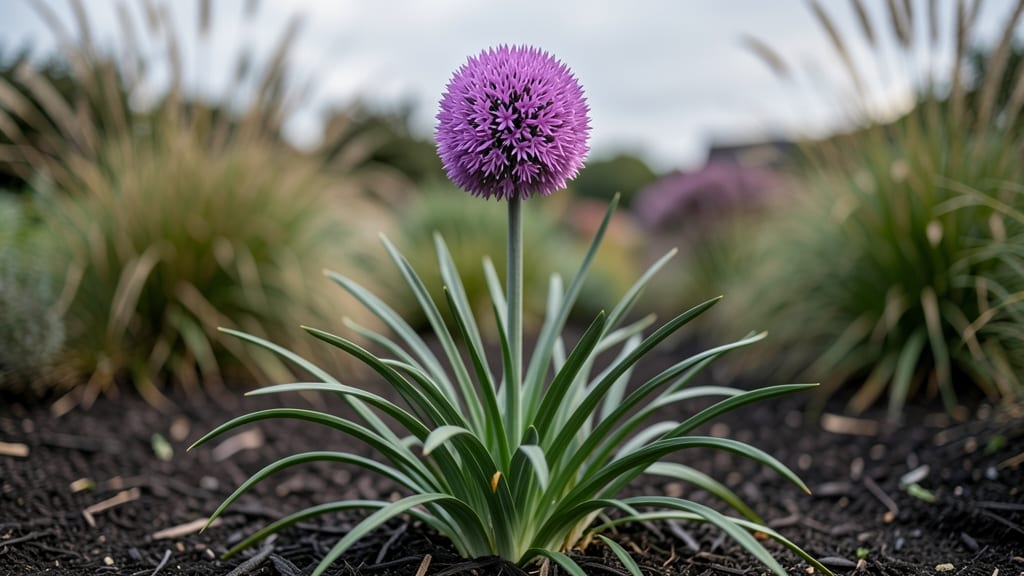
Late blooming alliums like 'Purple Star' transform your garden into a dramatic purple canopy that refuses to quit—even after frost. 🌿 These hardy perennials defy the usual bloom schedule, pushing up striking globes when most flowers have called it quits, and they'll often rebloom the following spring with minimal fuss.
The secret lies in their cool-season resilience: plant them in fall for spring blooms or early spring for summer flowers, and they'll thrive in full sun to partial shade.
Unlike early bloomers, these varieties store energy underground, so they bounce back year after year with bold, architectural blooms that last weeks longer than typical alliums. You'll end up with a garden that stays visually stunning from late summer through winter, attracting pollinators long after other flowers have faded.
The key is well-draining soil and minimal deadheading—just let the spent blooms stand for winter interest. Perfect for cutting gardens, container displays, or as a drought-tolerant focal point that outperforms seasonal annuals. Here's how to coax their extended bloom magic.
📚 In This Guide
- What you need
- Instructions
- Tips and common mistakes
- Wrapping up and next steps
What you need
- ● Allium bulbs: Allium 'Purple Star Canopy' (10–20 bulbs, depending on desired coverage). Choose large, firm bulbs (1.5–2 inches in diameter).
- ● Well-draining soil: Mix 60% garden soil, 30% compost, and 10% perlite or coarse sand (1–2 cubic yards for a 10x10 ft. bed).
- ● Fertilizer: Balanced, slow-release granular fertilizer (10-10-10 or 5-10-10, 1 lb per 10 sq. ft.).
- ● Mulch: 2–3 inches of organic mulch (straw, shredded bark, or pine needles) to protect bulbs in winter.
- ● Watering can or hose: With a gentle spray nozzle for even moisture distribution.
- ● Garden trowel or bulb planter (for digging holes 6–8 inches deep).
- ● Garden gloves (to protect hands while handling soil/bulbs).
- ● Measuring tape or ruler (to space bulbs 8–12 inches apart).
- ● Pruners or shears (for trimming spent foliage after blooming).
- ○ Optional: Drip irrigation system (for automated watering in dry climates).
- ● A sunny location with at least 6 hours of direct sunlight daily.
- ● Well-draining soil (alliums hate soggy roots!). Test soil pH (ideal: 6.0–7.0).
- ● Patience! Late bloomers like Purple Star Canopy may take 2–3 years to reach full, dramatic reblooming potential.
How to plant and maintain late blooming alliums for stunning autumn color
Here’s the straightforward method I use to create a dramatic purple canopy that thrives well past the first frost.
🌱 Step 1: Select and Prepare the Planting Site
Late blooming alliums like Allium 'Purple Star' thrive in full sun to partial shade with at least 6 hours of direct sunlight daily. Choose a spot with well-draining soil—they hate soggy roots. If your soil is heavy clay, amend it with 2-3 inches of compost mixed into the top 6 inches of soil.
I dig a hole twice as wide as the root ball but only as deep as the container it came in. Loosen the sides of the hole with a fork to encourage root spread. The key here is to avoid compacted soil, which restricts growth and weakens the plant’s ability to rebloom.
🪴 Step 2: Plant Bulbs at the Right Depth and Spacing
Plant each bulb with its pointed end facing upward at a depth of 6 inches for a dramatic display. Space them 8-12 inches apart in rows or clusters for a cohesive canopy effect. I like to plant in groups of 5-7 bulbs to create a natural, full look rather than scattered singles.
Press the soil gently around the bulb to remove air pockets but don’t compact it. Water deeply right after planting to settle the soil and encourage root establishment. You’ll see the first shoots emerge in 4-6 weeks, signaling the roots have taken hold.
☀️ Step 3: Provide Consistent Care Through the Season
Once planted, alliums are low-maintenance but benefit from regular watering during dry spells. Aim for 1 inch of water per week, delivered at the base of the plant rather than overhead. This prevents fungal issues and keeps the foliage dry, which is critical for late-season blooms.
Fertilize lightly in early spring with a balanced 10-10-10 fertilizer to encourage strong root and stem growth. Avoid high-nitrogen fertilizers—they promote leafy growth at the expense of flower production. Mulch with 2-3 inches of organic mulch after planting to retain moisture and suppress weeds.
✂️ Step 4: Deadhead and Prepare for Reblooming
After the first flush of blooms fades, cut back the flower stalks to 2 inches above the foliage but leave the leaves intact. This redirects the plant’s energy into root storage for next season’s rebloom. The leaves will yellow naturally—don’t remove them until they’ve browned completely, as they feed the bulb.
Here’s the thing—late blooming alliums often surprise you by reblooming in late summer or even after frost. If you see new shoots emerging in early spring, they’re likely preparing for another round of flowers. Just keep the soil moist and avoid disturbing the bulbs.
⏰ Step 5: Overwinter for Next Season’s Display
Alliums are hardy and require no special winter care. In colder climates, a 3-inch layer of mulch protects the bulbs from extreme temperature fluctuations. I use shredded leaves or straw, which also suppress weeds and retain moisture.
Come spring, you’ll notice new shoots pushing through the soil. This is your cue to remove the mulch and resume regular watering. The bulbs will multiply over time, creating a thicker, more vibrant display each year with minimal effort.
Tips & tricks for late blooming Allium canopy success
These little-known strategies will help you transform your garden into a stunning purple oasis that keeps blooming long after other flowers have faded.
Site Selection Secret: While the instructions mention full sun to partial shade, I’ve found that morning sun with afternoon shade in hot climates actually extends the blooming season by preventing premature wilting. Test your spot by observing how much direct sun it gets throughout the day—aim for at least 6 hours, but protect from intense afternoon rays if possible.
Bulb Placement Technique: The 6-inch depth recommendation works perfectly, but here’s the thing about spacing: For a truly dramatic canopy effect, plant in a staggered pattern rather than perfect rows. This creates visual depth and prevents gaps from showing through. I like to arrange them in loose triangles where each bulb’s shadow falls on another, creating natural coverage.
Watering Wisdom: That 1-inch weekly watering guideline is spot-on, but timing matters just as much as quantity. Water in the early morning so foliage has all day to dry—this prevents fungal diseases that can ruin late-season blooms. I’ve seen alliums develop purple spots when watered at night, so consistency in timing is just as important as the amount.
Reblooming Rescue: If you notice your alliums struggling to rebloom after the first flush, it’s often because the bulbs weren’t given enough recovery time. After cutting back the flower stalks to 2 inches, let the leaves stay until they’ve completely yellowed and died back naturally. This can take 6-8 weeks—don’t rush it! The nutrients stored in those leaves are what fuel next year’s spectacular display.
Pro Tips for Late Blooming Allium
- These little-known strategies will help you transform your garden into a stunning purple oasis that keeps blooming long after other flowers have faded.
- Site Selection Secret: While the instructions mention full sun to partial shade, I’ve found that morning sun with afternoon shade in hot climates actually extends the blooming season by preventing premature wilting.
- Bulb Placement Technique: The 6-inch depth recommendation works perfectly, but here’s the thing about spacing: For a truly dramatic canopy effect, plant in a staggered pattern rather than perfect rows.
Frequently asked questions
Got questions about nurturing your late-blooming Allium? You're not alone!
Here are answers to the most common ones—so you can enjoy that stunning purple canopy without the stress.
Why is my Allium blooming so late?
Late blooming is normal for Allium varieties like 'Purple Star'—they often wait until late spring or early summer. If planted in fall, they may even rebloom after frost! Ensure they get full sun (6+ hours/day) and well-draining soil. Patience pays off with those showstopping flowers.
How do I encourage earlier blooms?
Boost blooms by fertilizing lightly in early spring with a balanced 10-10-10 or bulb-specific food. Deadhead spent flowers (but leave foliage until it yellows) to redirect energy. Mulch with compost to improve soil fertility. Avoid overwatering—Alliums hate soggy roots!
Will my Allium rebloom after frost?
Yes! Many Allium varieties, like 'Purple Star,' are hardy and may surprise you with a second flush of blooms in late summer or fall—especially in cooler climates. Just keep the soil moist (but not waterlogged) and protect them from harsh winds. Frost can even sweeten the flavor if you’re growing edible types!
What if my Allium doesn’t bloom at all?
No blooms? Check these fixes:
- Sunlight: Move to a sunnier spot (they need full sun!).
- Soil: Amend heavy clay with sand or compost for drainage.
- Age: Young plants may take 1–2 years to bloom. Be patient!
- Overcrowding: Divide clumps every 3–4 years for better air circulation.
Can I use Allium flowers in cooking?
Edible Allium varieties (like Allium schoenoprasum) add a mild onion-garlic flavor to dishes. Purple Star blooms are ornamental, but you can use their young leaves in salads or as a garnish. Just avoid bitter-tasting older leaves. Pro tip: Freeze chopped flowers for winter garnishes!
Wrapping up and next steps
Late-blooming alliums like the Purple Star are a gardener’s secret weapon—easy to grow, stunningly dramatic, and unexpectedly resilient after frost! Whether you’re a beginner or a seasoned green thumb, these perennials prove that patience pays off with bold, pollinator-friendly blooms that steal the show year after year.
Ready to turn your garden into a purple paradise? Start small—plant a few bulbs this fall, and watch them reward you with reblooming magic next spring. Your future self (and your bees!) will thank you. 🌸