
Blooming
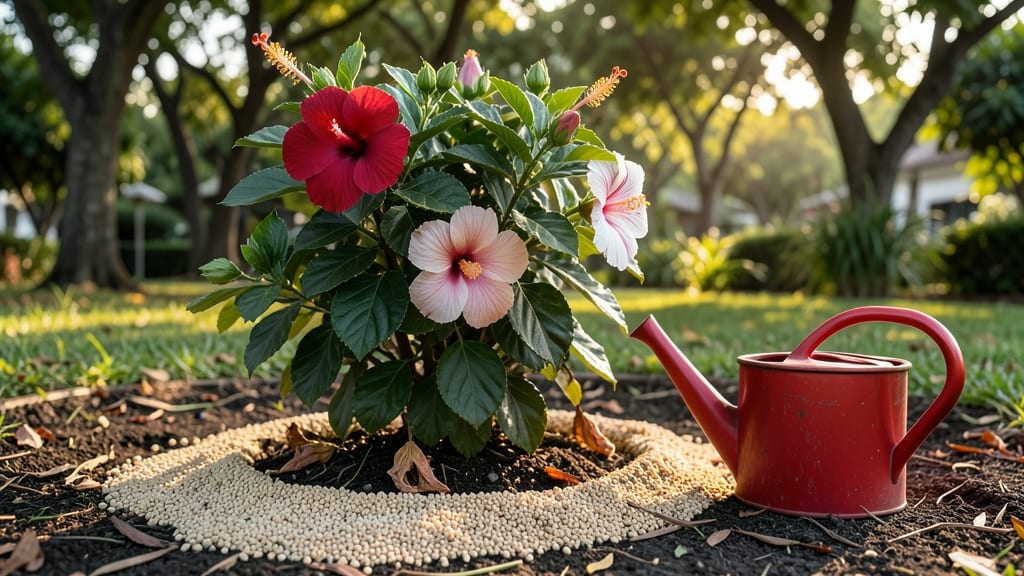
The secret to keeping hibiscus blooming nonstop lies in one simple habit: deadheading. 🌺 I’ve watched my hibiscus transform from a few sad blooms to a riot of color just by mastering this technique.
Here’s the thing—hibiscus need consistent care, but it’s not complicated. You’ll need sharp pruners, a little patience, and a basic understanding of when to trim. The key is timing: deadhead right after blooms fade, and you’ll encourage more flowers to form.
Too much pruning too late in the season? You might stunt next year’s growth. Too little? You’ll miss out on that lush, continuous display.
By summer’s end, you’ll have a hibiscus that looks like it’s on a permanent parade of color. The blooms stay vibrant, the plant stays healthy, and you’ll be the envy of the neighborhood with those bold, trumpet-shaped flowers appearing all season long.
Trust me, once you see the difference, you’ll never go back.
Works for both tropical hibiscus in pots and hardy varieties in the ground. The principles are the same—just adapt the timing to your climate. Let’s get those blooms going!
📚 In This Guide
- What you need
- Instructions
- Tips and common mistakes
- Wrapping up and next steps
What you need
- ● Pruning shears or sharp scissors – Clean, sterilized (bleach or rubbing alcohol wipes work!). Avoid dull tools to prevent tearing stems.
- ○ Garden gloves – Optional but recommended for protection (especially if your hibiscus has thorns!).
- ● Compost or mulch – 2–3 inches of organic matter (e.g., shredded leaves, aged compost) to enrich soil after pruning.
- ● Balanced fertilizer – 10-10-10 or 20-20-20 NPK ratio (follow package instructions for dosage). Phosphorus (P) boosts blooms!
- ● Watering can or hose with a gentle spray nozzle – Hibiscus roots need consistent moisture (1–2 inches per week, depending on climate).
- ● Hand lens or magnifying glass – For spotting pests or diseases early.
- ● Disinfectant spray (e.g., hydrogen peroxide) – To clean tools between cuts and prevent fungal spread.
- ○ Pruning sealant (optional) – For large cuts (e.g., on tropical hibiscus) to reduce sap loss.
- ● pH test kit – Hibiscus thrives in slightly acidic soil (6.0–6.5). Adjust with sulfur or lime if needed.
Instructions: how to keep your hibiscus blooming all season
Here’s the no-fuss method I use to keep my hibiscus producing vibrant blooms from spring until frost—no fancy tools, just smart timing.
✂️ Step 1: Deadhead Right After Blooms Fade
When a hibiscus flower wilts and its petals start to brown, that’s your cue to act. Grab a pair of clean, sharp pruners and cut the stem back to the nearest leaf node just below the faded bloom. This prevents the plant from wasting energy on seed production and redirects it toward new growth and more flowers.
I always make my cuts at a 45-degree angle about ¼ inch above the leaf node. This helps water run off the cut instead of pooling, which keeps diseases at bay. Skip this step, and you’ll see fewer blooms—your hibiscus will focus on setting seed instead of producing more flowers.
🌿 Step 2: Prune for Shape and Airflow
Once you’ve deadheaded a few blooms, take a closer look at your hibiscus’s overall shape. Trim back any leggy or overcrowded branches to improve airflow and sunlight penetration. Focus on cutting back stems that are growing inward or crossing over others—this encourages a fuller, bushier plant with more blooming sites.
For tropical hibiscus, I prune lightly after the first flush of blooms in spring, then again in midsummer if the plant looks overgrown. If you’re growing hardy hibiscus, a light pruning in early spring keeps them compact and flowering. Never cut into old wood—new growth happens on current season’s stems.
☀️ Step 3: Feed and Hydrate for Continuous Blooms
Hibiscus are heavy feeders, and they need consistent nutrients to keep producing flowers. After deadheading, give your plant a balanced, water-soluble fertilizer (like 10-10-10) every 2-3 weeks during the growing season. I mix it at half-strength to avoid burning the roots—hibiscus hate salt buildup from over-fertilizing.
Water deeply 2-3 times per week, ensuring the soil stays evenly moist but not soggy. Let the top 1-2 inches of soil dry out between waterings—this prevents root rot while keeping the plant hydrated enough for robust blooming. Yellowing leaves? That’s usually a sign of either overwatering or underwatering—check the soil moisture before panicking.
⏰ Step 4: Watch for Seasonal Shifts
As summer wanes and temperatures drop, hibiscus slow down their blooming. In late summer or early fall, give your plant a light trim to remove any dead or dying growth, and reduce fertilizer applications to every 4-6 weeks. This helps the plant prepare for dormancy without stress.
If you’re in a warm climate where hibiscus bloom year-round, keep up with deadheading and light feeding, but cut back on watering slightly in winter. The key is to match your care routine to the plant’s natural rhythm—hibiscus bloom best when they’re not pushed too hard in any season.
Tips & tricks for perfect hibiscus blooms
Here's what nobody tells you about keeping hibiscus flowering like clockwork—these are the tricks that've saved my plants from looking half-dead by midsummer.
Timing is Everything: Don't wait until flowers are completely brown to deadhead—act when petals start to curl and lose their vibrant color. This is when your hibiscus is still directing energy toward the bloom, not seed production. I've learned this the hard way after seeing plants with half-dead blooms still clinging to stems, wasting precious resources.
The Angle Matters: When you make that 45-degree cut just above the leaf node, you're not just being precise—you're creating a water-shedding surface. This simple detail prevents water from pooling in the cut, which is how fungal diseases like botrytis often start. I keep my pruners clean with rubbing alcohol between cuts to prevent cross-contamination.
Seasonal Adjustments: The 2-3 week feeding schedule works perfectly during active growth, but don't forget to taper off in late summer. I switch to a monthly feeding routine as temperatures drop, which mimics the plant's natural slowdown. This prevents the classic "summer flush" followed by a sudden bloom drought when cooler weather arrives.
Watering Wisdom: That top 1-2 inches of soil drying between waterings is your golden rule—but don't rely on memory. Stick your finger in the soil up to your first knuckle. If it feels dry, water deeply; if it's still moist, wait another day. I've seen hibiscus wilt from both overwatering and underwatering, and the soil test is the only reliable way to tell.
Pro Tips for Keeping Hibiscus Blooming
- Here's what nobody tells you about keeping hibiscus flowering like clockwork—these are the tricks that've saved my plants from looking half-dead by midsummer.
- Timing is Everything: Don't wait until flowers are completely brown to deadhead—act when petals start to curl and lose their vibrant color.
- The Angle Matters: When you make that 45-degree cut just above the leaf node, you're not just being precise—you're creating a water-shedding surface.
Frequently asked questions
Got questions about keeping your hibiscus blooming all season?
You’re not alone! Here are some of the most common queries—and their simple solutions—to help you master the art of deadheading and nonstop color.
How often should I deadhead hibiscus flowers?
Deadhead spent blooms immediately after they wilt to encourage new growth. For tropical hibiscus, aim for every 1–2 weeks during peak bloom season (spring to fall). For hardy hibiscus, deadhead after each bloom fades to extend the flowering period.
When is the best time of day to deadhead?
Morning is ideal! Deadhead in the early hours when the plant is hydrated and temperatures are cooler. This reduces stress on the plant and minimizes the risk of disease from lingering moisture. Avoid evening deadheading to prevent fungal issues.
What’s the right way to trim hibiscus after deadheading?
Use clean pruners to snip just above a leaf node (where leaves meet the stem) at a 45-degree angle. Avoid cutting into old wood—focus on new growth. For overgrown bushes, prune in stages to avoid shocking the plant. Pro tip: Wear gloves—hibiscus stems can be prickly!
Will deadheading work if my hibiscus isn’t blooming at all?
Deadheading alone won’t fix non-blooming issues, but it’s a great first step. Check for other culprits: insufficient sunlight (hibiscus needs 6+ hours/day), over-fertilizing with nitrogen (use a bloom-booster instead), or root-bound pots. Combine deadheading with proper care for best results!
Can I deadhead hibiscus in winter?
For tropical hibiscus (non-hardy), deadhead lightly in winter to maintain shape, but expect fewer blooms. Hardy hibiscus (like Hibiscus moscheutos) may go dormant—wait until spring to resume deadheading. Always remove dead or diseased growth year-round to keep the plant healthy.
What if my hibiscus blooms but drops them quickly?
Quickly dropping blooms often signals stress—check for underwatering, overwatering, or pests (like aphids). Ensure your hibiscus gets consistent moisture (but not soggy soil) and full sun. A balanced fertilizer (high in phosphorus) can also help strengthen blooms.
Still stumped? Drop your hibiscus care questions in the comments—we’re happy to help!
Wrapping up and next steps
Keeping your hibiscus blooming is all about consistent care, patience, and a little know-how—but trust us, the vibrant rewards make it worth every effort! 🌺 By mastering deadheading, ensuring proper sunlight, and providing balanced nutrients, you’ll transform your garden into a nonstop floral masterpiece.
Start small: pick one technique (like pruning or fertilizing) and build from there.
Your next step? Grab those pruners, head outside, and give your hibiscus the love it deserves. Watch as your plant responds with bold, beautiful blooms all season long—you’ve got this! 🌟