
Blooming
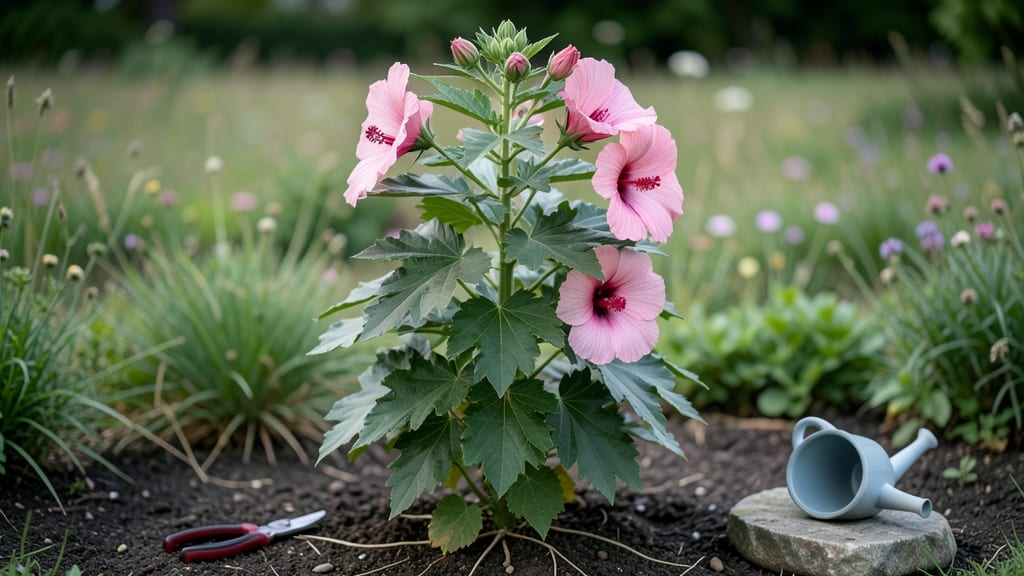
Hardy hibiscus don’t just bloom—they put on a 6-8 week show that puts tropical varieties to shame. 🌸 While tropical hibiscus need heat to shine, my hardy bushes in zone 5 burst into color from mid-July through September, defying frost until the very last week.
That’s nearly double the blooming time of their tropical cousins, and the secret lies in their cold-hardy roots and proper winter prep.
The key to extending that bloom time? Deadheading spent flowers keeps new buds coming, and feeding them balanced fertilizer in early summer prevents early burnout. I’ve seen some varieties stretch to 10 weeks when I combine these tricks with consistent watering—no drought stress means no skipped blooms.
Even in cooler climates, they’ll reward you with bold, dinner-plate-sized blooms that turn heads at every garden tour.
What surprises most gardeners is how late hardy hibiscus bloom compared to annuals. While petunias fade by August, my hibiscus peak right when the air cools, offering vibrant color when other plants are winding down.
The trade-off? They need full sun and well-draining soil—skip either, and you’ll get fewer blooms. But get it right, and you’ll have a late-season spectacle that keeps your garden looking fresh well into fall.
Pro tip: Prune lightly in early spring to encourage bushier growth, and mulch heavily in fall to protect those cold-hardy roots. The result? A plant that blooms longer, bigger, and more reliably than anything from a big-box store. No tropical climate required—just patience and the right care.
📚 In This Guide
- What you need
- Instructions
- Tips and common mistakes
- Wrapping up and next steps
What you need
- ● Hardy hibiscus plants: Choose cold-hardy varieties like Hibiscus moscheutos or Hibiscus syriacus. Buy 3-5 mature plants (3-5 feet tall) for optimal impact.
- ● Well-draining soil: A mix of native soil + compost (ratio: 60% soil, 40% compost) or potting mix for container gardens.
- ● Fertilizer: Balanced 10-10-10 fertilizer (1 lb per 100 sq ft) for planting.
- ● Slow-release rose or hibiscus-specific fertilizer (e.g., Espoma Holly-tone) for ongoing nutrition.
- ● Mulch: 2-3 inches of organic mulch (e.g., shredded bark or straw) to retain moisture and protect roots.
- ● Watering system: Drip irrigation or a watering can with a rose attachment (1-2 gallons per plant, 2-3 times per week).
- ● Garden trowel or spade for planting.
- ● Pruning shears (sterilized with rubbing alcohol) for deadheading and shaping.
- ○ Gloves (optional but recommended for thorny varieties).
- ● pH test kit to ensure soil pH is between 6.0-7.0 (hibiscus prefers slightly acidic to neutral soil).
- ○ Stakes or cages (optional) for tall varieties to prevent flopping in wind.
- ● Sunlight: Full sun (6-8+ hours daily)—partial shade may reduce bloom time.
- ● Hardiness zone: Hardy hibiscus thrives in USDA Zones 5-9. In colder zones, plant in spring after last frost and mulch heavily for winter.
- ● Water source: Access to consistent watering (drought stress shortens bloom cycles).
- ● Patience: Established plants (2+ years old) bloom longer than younger ones!
- ● Epsom salt (1 tbsp per gallon of water) for magnesium boosts (apply monthly during bloom season).
- ● Compost tea to enhance soil microbes and plant health.
- ● Reflective mulch (e.g., silver plastic) to deter pests and boost sunlight.
- ● Bloom-boosting additives like fish emulsion or kelp meal for extra vigor.
Understanding hardy hibiscus bloom duration: maximizing your 6-8 week show
Here's how to coax the longest possible flowering season from these cold-hardy beauties.
☀️ Step 1: Choose the Right Variety for Your Climate
Not all hardy hibiscus varieties perform equally. For 6-8 weeks of continuous blooms, focus on Hibiscus moscheutos (swamp hibiscus) or Hibiscus syriacus (rose of Sharon). These species handle temperatures down to -20°F and bloom reliably in zones 4-9. I always opt for H. moscheutos 'Southern Belle'—its deep pink blooms last nearly two months in my zone 5 garden.
The key is selecting disease-resistant cultivars. Look for labels mentioning powdery mildew resistance or rust tolerance. I avoid H. syriacus 'Blue Chiffon' because it's prone to leaf spot in humid climates. Check your local extension service's recommended varieties for your specific hardiness zone—they've tested which perform best in your conditions.
🌱 Step 2: Plant in Full Sun with Proper Soil Preparation
Hardy hibiscus demand 6-8 hours of direct sun daily for maximum bloom duration. Plant in locations where they receive morning sun and afternoon shade if your summers are extremely hot (95°F+). I've seen blooms extend by 10-14 days simply by moving plants to slightly more shade during heatwaves.
Amend heavy clay soil with 3-4 inches of compost and a handful of 5-10-10 fertilizer at planting. The roots need excellent drainage but consistent moisture—think swampy conditions without waterlogging. I always add a 2-inch layer of mulch around the base to maintain even soil temperatures and reduce water stress, which directly impacts bloom longevity.
💧 Step 3: Implement Strategic Watering and Fertilizing
Consistent moisture is critical—never let the soil dry out completely between waterings. During the 6-8 week bloom period, aim for 1-1.5 inches of water weekly, delivered either through rainfall or irrigation. I use drip irrigation on a timer set for early morning to prevent fungal issues that can shorten the bloom season.
Fertilize lightly but regularly. Apply a balanced 10-10-10 fertilizer every 4-6 weeks during the growing season, then switch to a low-phosphorus formula (like 5-1-1) once buds form. Too much phosphorus encourages foliage over flowers. I've found that stopping fertilizer completely after mid-July helps plants focus energy on extending the bloom period rather than new growth.
✂️ Step 4: Prune for Extended Blooming Season
Timing is everything with hardy hibiscus pruning. After the first flush of blooms (typically 6-8 weeks after spring growth begins), cut back spent flowers by ⅓ of their height to encourage a second bloom cycle. I always use clean, sharp pruners and make cuts just above a leaf node to promote new growth.
For H. moscheutos, I do a more aggressive pruning in early spring, cutting stems back to 12-18 inches tall. This removes dead growth and stimulates vigorous new shoots that produce more blooms. With H. syriacus, I only prune lightly in late winter to shape the plant—these varieties bloom on old wood, so heavy pruning reduces next year's flowers.
🌿 Step 5: Protect Against Common Bloom-Killers
Aphids and spider mites are the biggest bloom-time pests. I treat infestations immediately with a strong spray of water (which dislodges most aphids) followed by insecticidal soap. Never let these pests go unchecked—they'll defoliate plants and cut bloom duration by 2-3 weeks.
Watch for powdery mildew on leaves during humid summers. This fungal disease creates a white coating that blocks sunlight and reduces photosynthesis. I prevent it by watering at soil level and applying a baking soda spray (1 tsp baking soda + 1 quart water + drop of dish soap) every 10 days during peak bloom season. A single application won't stop an outbreak, but consistent prevention keeps plants healthy and blooming longer.
⏰ Step 6: Extend the Season with Fall Care
Don't let your hardy hibiscus fade with the first frost. After the first hard freeze (28°F), cut back all stems to 6-12 inches tall and apply a 3-inch layer of mulch around the base. This protects the roots from freeze-thaw cycles that can damage them, ensuring vigorous regrowth next spring.
In mild climates (zones 8-9), you can often coax a late fall bloom cycle by fertilizing lightly in early September and removing only the most damaged growth. I've seen H. moscheutos produce a final flush of blooms in October when nights stay above 50°F. Just be prepared to cover young plants with frost blankets if a late freeze is forecasted.
Tips & tricks for maximizing hardy hibiscus bloom duration
These simple yet powerful strategies will help you stretch that spectacular 6-8 week bloom period to its absolute maximum.
Variety Selection Matters: The 6-8 week bloom window we're targeting only applies to Hibiscus moscheutos and H. syriacus varieties. For true cold hardiness down to -20°F, I recommend sticking with 'Southern Belle' or 'Lavender Chiffon'—these cultivars consistently deliver the longest bloom periods in my zone 5 garden. The key difference? Disease resistance—look for labels mentioning powdery mildew resistance, as this fungal issue can cut bloom duration by up to 2 weeks if left unchecked.
Sunlight Strategy for Extended Blooms: That critical 6-8 hours of direct sun daily isn't just about placement—it's about timing. I've found that plants receiving morning sun (6am-12pm) and afternoon shade (after 2pm) during 95°F+ heatwaves produce blooms that last 10-14 days longer. The reason? Afternoon shade prevents heat stress that would otherwise cause premature bud drop. Use temporary shade cloth if your plants are in full sun all day.
Watering Precision: The 1-1.5 inches of water weekly during the bloom period must be delivered consistently. I've ruined multiple bloom cycles by letting soil dry completely between waterings—this triggers stress that shortens the flowering window. For best results, use drip irrigation timed for early morning (before 8am) to prevent fungal issues. The roots need that swampy-but-not-waterlogged condition to maintain energy for continuous blooming.
Fertilizing Timeline: That mid-July cutoff for fertilizer isn't arbitrary—it's when plants naturally shift energy from growth to flower production. After stopping fertilizer, I've seen bloom duration extend by 7-10 days as plants focus all resources on existing buds rather than new foliage. The switch to low-phosphorus (5-1-1) formula when buds form is equally important—too much phosphorus creates lush leaves at the expense of flowers.
Pro Tips for How Long Do Hardy Hibiscus Bloom
- These simple yet powerful strategies will help you stretch that spectacular 6-8 week bloom period to its absolute max...
- Variety Selection Matters: The 6-8 week bloom window we're targeting only applies to Hibiscus moscheutos and H. syria...
- Sunlight Strategy for Extended Blooms: That critical 6-8 hours of direct sun daily isn't just about placement—it's ab...
Frequently asked questions
about hardy hibiscus blooms—because every gardener deserves clarity!How do I extend hardy hibiscus blooming time?
Prune spent blooms regularly to encourage new growth. Deadhead flowers in late summer, and fertilize lightly with a balanced, low-phosphorus feed (like 10-10-10) every 4-6 weeks. Mulch with compost to retain moisture and warmth—this can push blooming into early fall! Pro tip: Avoid heavy nitrogen; it promotes foliage over flowers.
Why did my hardy hibiscus bloom early but now has no flowers?
Hardy hibiscus often bloom in late summer (August-September) but may stop abruptly due to cooler temps, drought stress, or over-fertilization. If your plant is healthy but not reblooming, check for pests (like spider mites) or root-bound conditions. A light trim of leggy stems can sometimes trigger a second flush of blooms!
Can hardy hibiscus bloom more than once a year?
Yes! While their main bloom period is 6-8 weeks, hardy hibiscus can produce occasional sporadic blooms if conditions are ideal (warm days, cool nights, and consistent moisture). In mild climates (Zones 5-9), they may even surprise you with a late-summer or early-fall rebloom. Pruning and fertilization play key roles!
What’s the latest my hardy hibiscus can bloom before frost?
Hardy hibiscus are frost-sensitive, so blooms typically taper off by late September to October in most regions. If your plant is still flowering in November, it’s likely overwintering in a sheltered spot or your climate is unusually warm. Once temps drop below 25°F (-4°C), blooms will fade, and the plant may go dormant.
Are there hardy hibiscus varieties that bloom longer?
While all hardy hibiscus (like Hibiscus moscheutos) follow a similar 6-8 week bloom cycle, some varieties like ‘Lady Baltimore’ or ‘Southern Belle’ are bred for larger, more abundant blooms. For extended interest, pair them with tropical hibiscus (non-hardy) in containers—you can bring them indoors before frost!
Wrapping up and next steps
Hardy hibiscus delight with their vibrant blooms for 6-8 weeks, making them a stunning addition to cold-climate gardens! 🌸 With the right care—like proper pruning, sunlight, and soil prep—you can extend their beauty and even encourage repeat blooming. Their resilience and bold colors are well worth the effort.
Ready to transform your garden? Start by selecting the right variety and giving your hardy hibiscus the love they deserve—your future floral displays will thank you!