
Blooming
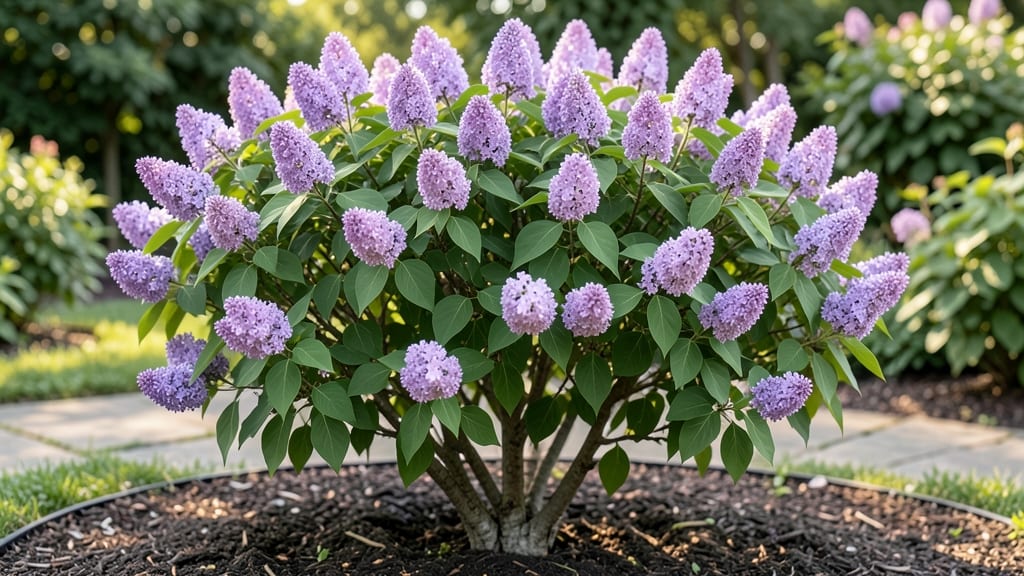
Your Josee reblooming lilac could be the fragrant centerpiece of your yard—if you prune, feed, and repeat the right way. 🌿 I’ve watched mine go from one sad bloom in spring to three full seasons of fragrance, and it starts with understanding how these lilacs actually grow.
Most gardeners give up after the first flush of flowers, but Josee lilacs are bred to keep going—with the right care. The secret lies in light pruning after each bloom cycle (not the harsh winter cuts that kill reblooming potential) and feeding with the right nutrients.
Too much nitrogen = leafy monsters, no flowers. Too little water = stressed plants that skip blooming entirely. I’ll show you the exact timing and techniques that keep my bushes covered in blossoms from late spring to fall.
By the end, you’ll have a lilac that smells like a French countryside garden all season long—no more waiting for one big spring show. The key is patience and consistency, but the payoff is worth every snip of the shears.
This works for newly planted lilacs just as well as established ones. Let’s get those blooms going!
📚 In This Guide
- What you need
- Instructions
- Tips and common mistakes
- Wrapping up and next steps
What you need
- ○ Pruning shears – Sharp, clean, and sterilized (rubbing alcohol or bleach solution works). Optional: Loppers for thicker branches.
- ● Garden gloves – Heavy-duty, cut-resistant (thorns are no joke!).
- ○ Pruning sealant – Optional but helpful for sealing larger cuts (like Tanglefoot Tree Wound Pruning Sealer).
- ○ Balanced fertilizer – 10-10-10 or 20-20-20 (follow label for dosage). Optional: Slow-release granules for convenience.
- ● Organic mulch – 2–3 inches of shredded bark or wood chips to retain moisture and suppress weeds.
- ● Watering can or hose – With a gentle spray nozzle for post-pruning hydration.
- ● Disinfectant spray – 70% isopropyl alcohol to clean tools between cuts (prevents disease!).
- ● Garden twine or tape – For temporary support if branches are heavy post-pruning.
- ○ pH test kit – Optional but useful if soil pH is unknown (lilacs prefer 6.0–7.0).
- ○ Compost or aged manure – Optional for a nutrient boost before fertilizing.
- ● Choose a cool, overcast day to prune—never on a hot or windy day (stresses the plant).
- ● Check the lilac’s growth cycle: Prune right after the first flush of blooms fades (usually late spring/early summer).
- ● Ensure the plant is well-watered 1–2 days before pruning (hydrated wood cuts cleaner!).
Step-by-Step guide to pruning and feeding your Josee reblooming lilac
Here’s how to coax endless blooms from your Josee lilac—just follow this simple routine.
✂️ Step 1: Prune After the First Spring Bloom
Wait until the first flush of spring flowers fades completely before cutting. This ensures the plant has stored enough energy for the next round of blooms. Grab your pruners and make clean cuts just above a leaf bud, angled slightly away from the branch. I like to remove about one-third of the oldest stems—these are the thickest, woody branches at the base of the plant.
Don’t cut back to bare wood or you’ll lose next year’s flowers. Look for green stems with leaves—these are your growth points for new blooms. If you’re unsure, snap a branch: if it’s still flexible, it’s young enough to keep. This first prune sets the stage for that second (and third!) bloom cycle.
🌿 Step 2: Feed with High-Phosphorus Fertilizer
After pruning, feed your lilac with a balanced, slow-release fertilizer (10-10-10 or 5-10-5 ratio). I use about ½ cup per mature plant, sprinkled evenly around the base. Water it in deeply to help the granules dissolve into the soil. Phosphorus is key for blooming—it’s what encourages those flower buds to form.
Don’t overdo it! Too much nitrogen will give you lush leaves but no flowers. If your lilac is young (under 3 years), cut the fertilizer in half. Watch for new leaf growth in about 2-3 weeks—that’s your sign the plant is absorbing nutrients. If leaves yellow, you’ve overdone it; reduce next time.
☀️ Step 3: Deadhead and Prune Again After the Second Bloom
Once the second set of flowers fades, snip off the spent blooms right at the base of the flower cluster. This keeps the plant tidy and redirects energy into new growth. For the main pruning, remove any weak, crossing, or diseased branches—these compete with healthy stems for nutrients. I also trim back any leggy growth that’s stretching too far from the center.
Here’s the thing—Josee lilacs can rebloom a third time if conditions are right. If you see new buds forming after the second bloom, leave them alone. Just keep the soil moist (but not soggy) and the plant in full sun to support this extra effort. You’ll know you’re on track when you see multiple flower spikes developing simultaneously.
💧 Step 4: Water Deeply and Mulch for Winter Prep
Water your lilac deeply once a week during dry spells, aiming for 1-2 inches of moisture per week. The roots need to go deep to support all those blooms. I like to water in the early morning so the foliage dries quickly—this prevents fungal issues. In late fall, add a 2-3 inch layer of mulch around the base (but keep it away from the trunk).
This mulch acts like a blanket, protecting roots from freezing temps and keeping soil moisture steady. I use shredded bark or straw—whatever’s handy. If your lilac is in a windy spot, consider wrapping the base with burlap for extra winter protection. By spring, you’ll have a bush bursting with buds, ready to repeat the cycle.
⏰ Step 5: Monitor and Adjust for Continuous Blooms
Check your lilac every 2-3 weeks for new flower buds. If blooms slow down, it’s usually a sign of too much shade, poor drainage, or not enough fertilizer. Move it to a sunnier spot if needed, or add a light application of bloom-boosting fertilizer in early summer. I’ve found that Josee lilacs respond well to a second feeding in midsummer—just use half the spring dose.
Real talk: some years, the third bloom won’t happen. That’s normal! Focus on keeping the plant healthy, and you’ll get at least two stunning bloom cycles every year. The more you repeat this routine, the more your lilac will reward you with nonstop fragrance and color—that’s the magic of the Josee reblooming variety.
Tips & tricks for perfect Josee reblooming lilac care
Here's what nobody tells you about keeping your Josee lilac blooming all season long.
Pruning Precision: When you're removing those one-third oldest stems in Step 1, focus on the thickest branches at the base. These are the ones that have outlived their prime and are sapping energy from your plant. I learned this the hard way after accidentally pruning too many young stems—my lilac took two years to recover its full bloom potential. Always look for those flexible green stems with leaves as your growth points for next season's flowers.
Fertilizer Timing: That 2-3 week window for new leaf growth after feeding in Step 2 is your plant's way of telling you it's working. If you don't see fresh green leaves appearing within that timeframe, you've either overdone the fertilizer or your lilac needs better drainage. I've found that applying fertilizer in the morning gives it time to absorb before evening watering, maximizing nutrient uptake. And remember—the half-cup measurement is for mature plants only.
Deadheading Strategy: When you're deadheading after the second bloom in Step 3, make those cuts right at the base of the flower cluster—don't leave any stems. This prevents the plant from wasting energy trying to regrow leaves from those old stems. I've noticed that lilacs with clean deadheading cuts often produce more vigorous third blooms, though it's not guaranteed every year.
Winter Protection: That 2-3 inch mulch layer in Step 4 might seem like a lot, but it's crucial for insulating roots during freezing temperatures. I've seen lilacs with insufficient mulch develop frost cracks in their bark. For extra protection in windy areas, wrap the base with burlap—it creates a microclimate that maintains more stable temperatures around the roots. This simple step has saved my lilacs from winter damage multiple times.
Pro Tips for Josee Reblooming Lilac
- Here's what nobody tells you about keeping your Josee lilac blooming all season long.
- Pruning Precision: When you're removing those one-third oldest stems in Step 1, focus on the thickest branches at the base.
- Fertilizer Timing: That 2-3 week window for new leaf growth after feeding in Step 2 is your plant's way of telling you it's working.
Frequently asked questions
How often should I prune my Josee reblooming lilac to encourage more blooms?
Prune your Josee twice a year: once right after the first flush of blooms (late spring) to shape it and again in early fall (after Labor Day) to prep for winter. Light trims between blooms can also help! Avoid heavy cuts—stick to removing 1/3 of the oldest wood max to avoid shocking the plant.
Why isn’t my reblooming lilac flowering as much as it should?
Reblooming lilacs like Josee need three key things: sunlight (6+ hours/day), balanced fertilizer (high in phosphorus), and deadheading spent blooms. If blooms are sparse, check for over-pruning, poor soil, or shade. A soil test can reveal nutrient deficiencies—like low phosphorus—that might be holding it back!
Can I grow Josee reblooming lilac in containers? What’s the best pot size?
Josee thrives in containers but needs space to root. Opt for a 20-gallon pot or larger with drainage holes. Use a well-draining potting mix (like 60% soil, 30% perlite, 10% compost) and fertilize monthly during growing season. Move pots to partial shade in summer to prevent stress.
Are reblooming lilacs like Josee more prone to pests or diseases?
Reblooming varieties aren’t inherently weaker, but their extended blooming can attract pests like aphids or borers. Watch for yellowing leaves (fungus risk) or sawdust-like frass (borers). Prevent issues with neem oil sprays and mulching to retain moisture. Prune only with sterilized tools to avoid spreading disease.
What’s a good alternative if Josee reblooming lilac doesn’t thrive in my climate?
If your zone is too hot (Zone 8+) or too cold (Zone 3), try these fragrant, reblooming alternatives:
All three are low-maintenance and drought-tolerant once established!
Wrapping up and next steps
Transforming your Josee Reblooming Lilac into a fragrant, year-round star is simpler than you think! With the right pruning techniques, balanced nutrition, and a little patience, you’ll enjoy endless blooms and that signature sweet scent.
Remember: prune boldly, feed wisely, and repeat—your lilac will thank you with vibrant, repeat performances.
Ready to take the next step? Grab your shears and start pruning today! 🌸 For extra confidence, bookmark this guide or share it with fellow gardening enthusiasts—because the best blooms come from shared knowledge. Happy gardening!