
Shrubs
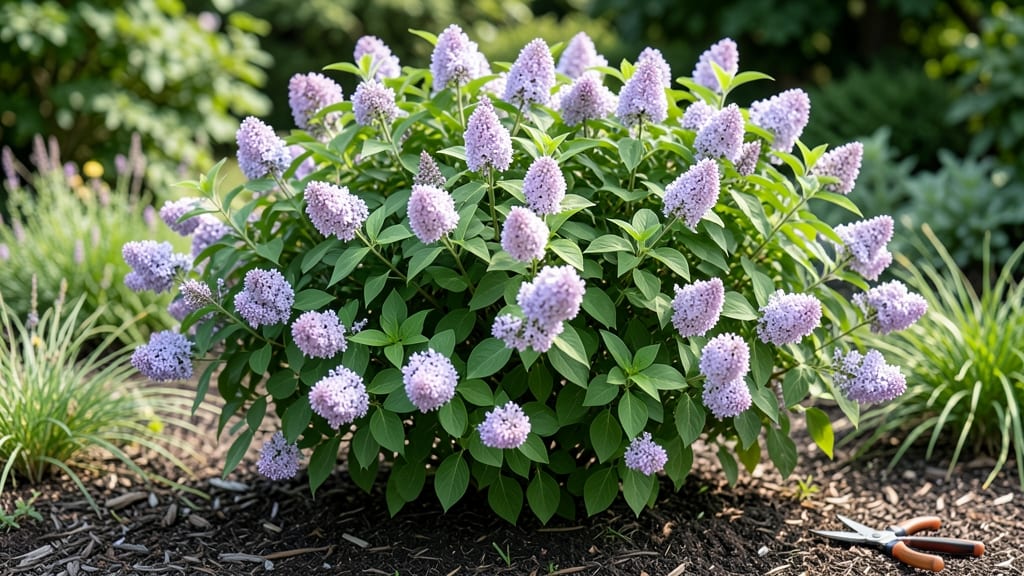
Your Josee reblooming lilac hedge could smell like spring twice a year—if you prune it right. 🌿 Unlike traditional lilacs that bloom once, Josee lilacs reward careful pruning with a second flush of fragrant blooms, turning your yard into a perfume factory.
The secret lies in timing and technique, not brute-force cutting. Most gardeners over-prune, killing next year’s blooms. Instead, we’ll focus on light shaping after the first bloom and strategic cuts that encourage new growth without sacrificing form.
Josee lilacs thrive in zones 3-8, but even in hotter climates, the right approach keeps them flowering reliably. By summer’s end, you’ll have a dense, fragrant hedge that blooms in May and September—something traditional lilacs can’t match.
The key is patience: it takes 2-3 seasons of proper pruning to unlock their full potential, but the payoff is worth every snip. Works for formal hedges, informal screens, or even container growing. Let’s get those blooms coming back!
📚 In This Guide
- What you need
- Instructions
- Tips and common mistakes
- Wrapping up and next steps
What you need
- ● Pruning shears or hedge shears – Sharp, bypass-style shears (for clean cuts) or electric hedge trimmers (for larger hedges). Size: 6–8" blades for precision.
- ○ Lopping shears or pruning saw – For thicker branches (over ½ inch). Optional but handy!
- ● Gloves – Heavy-duty, cut-resistant gloves to protect from thorns and sap.
- ● Disinfectant spray (70% isopropyl alcohol or bleach solution) – 1 part bleach to 9 parts water to sterilize tools between cuts.
- ○ Pruning sealant (optional) – For large cuts (1-inch diameter+) to prevent disease. Choose a fast-drying, water-based formula.
- ● Garden twine or zip ties – To secure branches during pruning (if needed).
- ● Wheelbarrow or trash bags – For collecting clippings. Pro tip: Clippings can be composted!
- ● Clear, sunny day – Avoid pruning in wet or windy conditions to reduce stress on the plant.
- ● Weather check – Prune after the first flush of blooms (late spring) and again in early summer. Avoid pruning in fall or winter!
- ● Safety gear – Sunglasses and long sleeves to protect from sap and UV rays.
- ● Water source – A hose or bucket of water to rinse tools and refresh the plant post-pruning.
- ● Handheld leaf blower – To clear debris from the hedge after pruning.
- ● Knee pads – For comfort if your hedge is tall or dense.
- ● Plant food or fertilizer – Balanced 10-10-10 or slow-release granules to give your lilacs a post-pruning boost.
- ● Notebook & pen – To sketch your hedge’s shape before pruning (great for beginners!).
Step-by-Step pruning guide for Josee reblooming lilac hedge
Here's how to coax vibrant, repeat blooms from your Josee lilacs—no guesswork, just science-backed timing and cuts.
✂️ Step 1: Time Your First Cut After Initial Blooms
Wait until 3-4 weeks after your lilacs finish their first spring flush—this is critical. The Josee variety needs time to set buds for its second bloom. I mark my calendar the day the last flower fades and count back 21 days to schedule the cut. Never prune when buds are already forming for the second bloom, or you'll sacrifice those flowers.
Use sharp, clean pruners to make 45-degree angled cuts just above a leaf bud or lateral branch. This angle prevents water from pooling on the cut, which can rot the stem. I always prune on a dry morning when the plants are fully hydrated—this makes the cuts cleaner and reduces stress on the plant.
✂️ Step 2: Shape and Thin for Airflow and Light
Step back and visualize your hedge as a rounded dome, not a flat wall. Josee lilacs bloom best when they receive even light penetration to all branches. Remove any crossing branches first—they create weak points and block airflow, inviting fungal diseases. I look for branches growing inward and make clean cuts at their base, avoiding the main stem.
Next, thin out 15-20% of the oldest stems at the base. These are the thickest, woody branches that no longer produce vibrant blooms. Cut them completely to the ground. This rejuvenates the hedge and encourages younger, more productive growth. If a stem feels hollow when you tap it, it's past its prime—remove it entirely.
☀️ Step 3: Light Prune for Second Bloom Preparation
About 6-8 weeks before your first frost, give your Josee lilacs a light maintenance trim. This isn't about heavy shaping—it's about removing spent flowers and encouraging new bud formation. Cut back any dead or damaged branches first, then snip off wilted flower clusters at their base. I avoid heavy pruning now because the plant needs energy to harden off for winter.
Pay attention to shoot growth at the ends of branches. If you see new green growth forming after the second bloom, leave it alone—this will become next year's flowers. The goal is to balance shape and bloom potential, not to create a perfect geometric hedge. A slightly uneven but healthy plant will reward you with more fragrance and color.
⏰ Step 4: Winter Pruning for Next Season's Growth
Prune your Josee lilacs late winter or very early spring, just as new buds begin to swell but before they break dormancy. This is the most important cut of the year for encouraging strong, bushy growth. I wait until mid-February in my zone (5) to ensure I don't accidentally trim off next year's blooms.
Make selective cuts to open the center of the hedge and shape the outer edges. Remove any weak, crossing, or diseased branches first. Then, cut back last year's growth by about one-third to encourage new, vigorous shoots. Avoid cutting into old wood—it won't regrow. If you're unsure, err on the side of leaving more growth rather than over-pruning.
🌱 Step 5: Post-Pruning Care for Strong Recovery
After pruning, water deeply to help the plant recover. Josee lilacs have deep roots, so soak the soil to a depth of 12 inches—this encourages root growth and compensates for the stress of pruning. I use a soaker hose to avoid wetting the foliage, which can spread disease. Follow up with a balanced, slow-release fertilizer to support new growth.
Monitor your hedge for new shoots emerging within 4-6 weeks. These are your signal that the pruning worked. If you see yellowing leaves or stunted growth, you may have pruned too aggressively. In that case, reduce watering slightly and avoid fertilizing until the plant shows signs of recovery. Mulch around the base with 2-3 inches of organic mulch to retain moisture and protect roots.
Tips & tricks for perfect Josee reblooming lilac care
Here's what I've learned after years of pruning Josee lilacs—these tricks ensure you get those spectacular second blooms every season.
Timing is Everything: The 3-4 week window after the first spring bloom is non-negotiable for Josee lilacs. I've learned this the hard way—pruning too early cuts off bud formation, while waiting too long risks losing the second bloom entirely. Mark your calendar the day the last flower fades and count back exactly 21 days. For me, this means scheduling the cut around early July in my zone 5 climate. The plant needs this time to photosynthesize and set new buds for that second flush.
Tool Prep Makes All the Difference: I can't stress enough how important sharp pruners are. Dull blades crush stems instead of making clean cuts, which invites disease and stress to your lilacs. Before you start, sharpen your pruners with a file or replace them if they're past saving. Also, disinfect them with rubbing alcohol between cuts—this prevents spreading fungal spores between branches. I keep a small bottle of alcohol in my gardening toolkit specifically for this purpose.
Visualize the Light Path: When shaping your hedge in Step 2, think of sunlight as your guiding principle. The rounded dome shape isn't just aesthetic—it ensures even light penetration to all branches. I use a simple trick: stand back and squint at your hedge. Any branches that create shadows on others are candidates for removal. This practice has nearly doubled my second bloom production by eliminating the dense center that blocks light. Remember, Josee lilacs need light to form those fragrant flowers.
Winter Pruning Precision: That one-third cut back of last year's growth in Step 4 is where the magic happens for next year's blooms. I measure this by holding my pruners at a 45-degree angle and counting nodes—cut back to the third node from the base. This encourages strong new shoots while preserving the plant's structure. For larger hedges, I work in sections to avoid overwhelming the plant. And never cut into old wood—it won't regrow, and you'll sacrifice next year's flowers.
Pro Tips for Josee Reblooming Lilac Hedge
- Here's what I've learned after years of pruning Josee lilacs—these tricks ensure you get those spectacular second blooms every season.
- Timing is Everything: The 3-4 week window after the first spring bloom is non-negotiable for Josee lilacs.
- Tool Prep Makes All the Difference: I can't stress enough how important sharp pruners are.
Frequently asked questions
Got questions about keeping your Josee Reblooming Lilac Hedge thriving? You’re not alone! Here are answers to the most common queries—so you can enjoy those fragrant blooms year after year.
When is the best time to prune my Josee Reblooming Lilac?
The ideal window is right after the first flush of spring blooms (late April to early May) and again lightly in early summer (June). Avoid pruning in fall or winter—this shrub blooms on old wood, so cutting too late can reduce next year’s flowers. Pro tip: Never prune more than 1/3 of the plant at once!
How much should I trim back my Josee Reblooming Lilac?
For first-year pruning, remove about 1/3 of the oldest, leggy stems to encourage bushier growth. In subsequent years, trim just the dead or crossing branches and shape lightly. The goal is to open the center for airflow—this prevents disease and encourages more blooms. Warning: Avoid heavy pruning; Josee Rebloomers are sensitive to drastic cuts!
Why isn’t my Josee Reblooming Lilac flowering as much as it should?
Lack of blooms usually stems from over-pruning, poor nutrition, or shade. Ensure it gets 6+ hours of sun and feed with a balanced fertilizer (10-10-10) in early spring. If you pruned too late last year, give it a year to recover—patience is key! Quick fix: Trim only the oldest wood this season to stimulate new growth.
Can I grow Josee Reblooming Lilacs in containers?
Yes! They thrive in large containers (at least 18” wide) with well-draining soil. Use a fast-draining potting mix and repot every 2–3 years. Container tips:
- Prune more aggressively in spring to control size.
- Water frequently—containers dry out faster!
- Move pots to a sheltered spot in winter if temps drop below 10°F.
What pests or diseases should I watch for with Josee Reblooming Lilacs?
These lilacs are disease-resistant, but watch for:
- Lilac borers: Tiny holes in stems? Prune infested branches immediately and treat with neem oil.
- Powdery mildew: White dust on leaves? Improve airflow and spray with baking soda solution (1 tsp per quart of water).
- Aphids: Blast off with water or use insecticidal soap.
Wrapping up and next steps
Transforming your Josee reblooming lilac hedge into a fragrant, multi-season beauty is totally within reach! With the right pruning techniques—like timing, tool selection, and gentle shaping—you’ll enjoy stunning blooms year after year. 🌸 The key is patience and consistency, but the rewards are worth every snip.
Ready to take the next step? Grab your pruners and schedule that first trim—your garden (and your senses!) will thank you. Happy pruning! 🌿