
Blooming
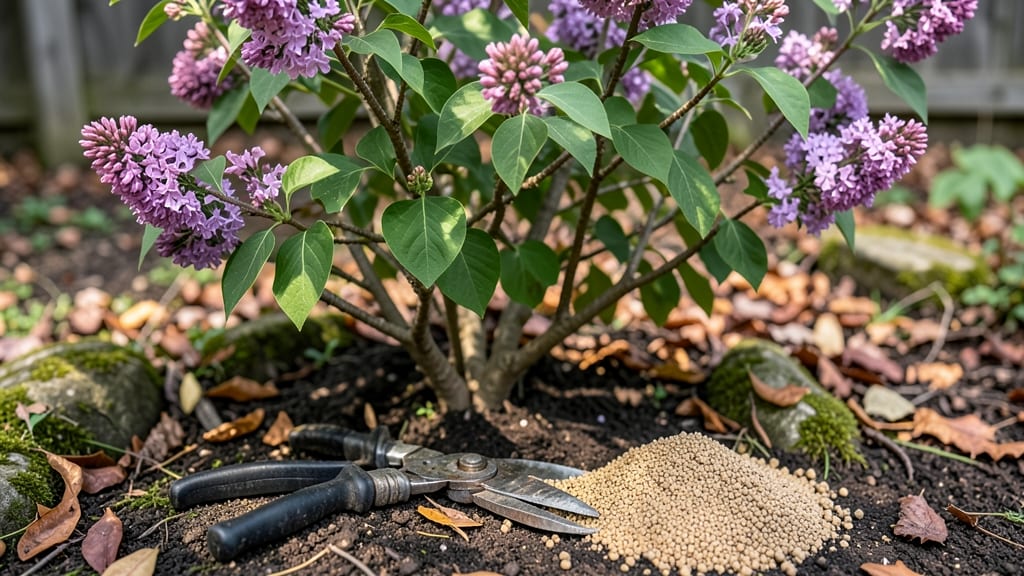
Making lilacs bloom like crazy starts with a single cut at the right time. ✂️ My first year with these bushes, I pruned in spring and ended up with sparse, weak flowers—until I discovered the secret timing and technique that transformed them into fragrant giants.
The key is pruning immediately after blooming, not in fall or early spring. Lilacs flower on old wood, so cutting back too early removes next year’s buds.
I now time my pruning for late June or early July, right after the last bloom fades, and my bushes reward me with denser clusters every season. You’ll see new shoots emerge within weeks, and by next spring, your lilacs will burst with more blooms than ever.
The fragrance alone makes it worth the effort—imagine walking past a bush heavy with purple clouds in May. Works for all lilac varieties, from common purple to rare pink and white types. Here’s how to do it right the first time!
📚 In This Guide
- What you need
- Instructions
- Tips and common mistakes
- Wrapping up and next steps
What you need
- ● Pruning shears or loppers – Sharp, clean, and sterilized (rubbing alcohol or bleach solution works great). Size: 6–8" blades for small branches, 10–12" for thicker stems.
- ○ Garden gloves – Heavy-duty, cut-resistant (optional but recommended for thorny varieties like Syringa vulgaris).
- ● Fertilizer – Choose one of these: Balanced granular fertilizer (10-10-10 or 20-20-20 NPK ratio). Quantity: 2–3 lbs per 100 sq ft.
- ● Slow-release organic fertilizer (e.g., composted manure or bone meal). Quantity: 5–10 lbs per 100 sq ft.
- ● Mulch – Wood chips, straw, or shredded bark (3–4 inches thick). Avoid fresh mulch near stems to prevent rot.
- ● Watering can or hose with a gentle spray nozzle – Lilacs hate soggy roots but love deep, infrequent watering.
- ● Pruning sealant – For large cuts (>1" diameter) to prevent disease. Brand tip: Use a latex-based sealant like Tanglefoot Tree Wound Pruning Seal.
- ● pH test kit – Lilacs thrive in slightly alkaline soil (6.5–7.5). Adjust with lime (if pH ) or sulfur (if pH > 7.5).
- ● Epsom salt (magnesium sulfate) – 1 tbsp per gallon of water for yellowing leaves (magnesium deficiency).
- ○ Copper fungicide – Optional for preventing powdery mildew (spray in early spring).
- ● Notebook or garden journal – Track pruning dates, bloom cycles, and fertilizer applications for year-round success!
- ● Know your lilac’s age – Young plants (1–3 years): Focus on shaping. Mature plants (4+ years): Prune aggressively to rejuvenate.
- ● Choose the right time – Prune right after blooming (late spring/early summer) for next year’s flowers.
- ● Check local frost dates – Avoid pruning late fall/winter (dormant buds may be cut off).
- ● Clear the area – Remove weeds, debris, and old mulch within 2–3 feet of the lilac base.
Step-by-Step guide to encouraging lilac blooms
Here's how I transform wilting lilacs into fragrant, flower-covered shrubs every season.
✂️ Step 1: Prune at the Right Time
Lilacs bloom on last year's growth, so timing matters. Prune immediately after flowering—when at least 50% of blooms have faded. This gives the plant time to develop next year's flower buds before winter. I use clean, sharp pruners to cut just above a leaf bud or outward-facing branch, never at a sharp angle.
Remove any dead, crossing, or weak branches first. These compete with healthy growth for energy. You'll see new shoots emerging from the base within weeks—this is your plant's way of saying "thank you" for the fresh start.
☀️ Step 2: Position for Maximum Sunlight
Lilacs need 6-8 hours of direct sunlight daily for abundant blooms. If your shrub is in partial shade, move it to a sunnier spot next spring. I've seen lilacs in morning sun with afternoon shade still perform well, but full afternoon sun produces the most fragrance.
Watch for yellowing leaves or sparse blooms—these are signs your lilac isn't getting enough light. Mulch around the base with 2-3 inches of organic mulch to retain moisture and regulate soil temperature, which encourages stronger growth.
💧 Step 3: Water Deeply and Consistently
Water lilacs 1-2 times weekly during the first growing season to establish roots. Let the top 2-3 inches of soil dry out between waterings—soggy soil causes root rot. I water at the base rather than overhead to prevent fungal diseases that ruin blooms.
Mature lilacs are drought-tolerant, but you'll notice fewer flowers if the soil stays too dry. A good test: dig down 4-6 inches—if the soil feels dry, it's time to water. Mulch helps retain moisture, so I top up the mulch layer every spring.
🌿 Step 4: Fertilize for Stronger Blooms
Apply a balanced, slow-release fertilizer (10-10-10 ratio) in early spring, just as new growth begins. Follow package instructions for amounts—over-fertilizing leads to leafy growth at the expense of flowers. I mix fertilizer into the top 2-3 inches of soil around the base, avoiding direct contact with stems.
Lilacs don't need heavy feeding, but you'll see more blooms if you fertilize annually. Avoid high-nitrogen fertilizers—they promote foliage but reduce flower production. A light application in late summer also helps prepare the plant for next year's blooms.
⏰ Step 5: Protect from Late Freezes
Lilacs are hardy, but late spring frosts can damage buds. Cover young blooms with a lightweight frost cloth if temperatures drop below 28°F after buds form. I've seen buds survive 32°F, but anything colder risks damage.
Choose a variety suited to your climate—some lilacs (like 'Katherine Havemeyer') handle colder zones better than others. If your lilac struggles with frost, consider planting it against a south-facing wall for extra protection.
Tips & tricks for year-round lilac blooms
These simple secrets will help you coax vibrant blooms from your lilacs all season long.
Pruning Precision: When you're ready to prune in Step 1, look for the classic "50% faded" signal—this is your plant's way of saying "now's the time!" I've found that cutting just above a leaf bud (rather than a stem) encourages stronger growth. Use clean pruners to avoid tearing branches, which can introduce diseases that weaken the plant. The key is to make cuts at a slight angle, about 1/4 inch above the bud, to prevent water from pooling.
Sunlight Strategy: For maximum fragrance, position your lilac to capture that golden afternoon sun mentioned in Step 2. If you're working with an established plant, you can gradually move it to a sunnier location over a few weeks to avoid shocking the roots. I've noticed that lilacs in morning sun with afternoon shade still perform well, but the fragrance intensity is noticeably stronger with full afternoon sun exposure. Watch for leaves that start curling or yellowing—this is your plant's SOS for more light.
Watering Wisdom: The 1-2 times weekly guideline in Step 3 is perfect for most climates, but I've learned to adjust based on soil type. Sandy soil drains quickly, so you might need to water more frequently, while clay soil holds moisture longer. Always check that top 2-3 inches before watering—stick your finger in the soil. If it feels dry, it's time. Mulching with 2-3 inches of organic material (like shredded bark) helps maintain even moisture levels and keeps roots cool during hot summer days.
Frost Protection: When those late spring frosts threaten in Step 5, I've found that lightweight frost cloths work wonders—but don't wait until the last minute! Cover buds when temperatures dip below 32°F, even if the forecast isn't certain. For extra protection, consider planting your lilac near a south-facing wall, which can provide 5-10°F of additional warmth during cold snaps. This simple placement trick has saved many a bud in my garden over the years.
Pro Tips for Make Lilacs Bloom
- These simple secrets will help you coax vibrant blooms from your lilacs all season long.
- Pruning Precision: When you're ready to prune in Step 1, look for the classic "50% faded" signal—this is your plant's way of saying "now's the time!"
- Sunlight Strategy: For maximum fragrance, position your lilac to capture that golden afternoon sun mentioned in Step 2.
Frequently asked questions
Got questions about coaxing those dreamy lilac blooms? You’re not alone! Here are answers to the most common queries—no jargon, just practical tips to keep your lilacs happy and fragrant.
When is the best time to prune lilacs to encourage blooms?
Prune lilacs right after they finish flowering—usually late spring or early summer. This timing ensures you don’t cut off next year’s buds, which form on old wood. Avoid heavy pruning in fall or winter, as it can stress the plant and reduce blooms.
Will pruning lilacs in winter kill them?
Pruning in winter (especially during dormancy) won’t kill lilacs, but it’s not ideal. Cold snaps can stress newly cut branches, and you risk removing flower buds that are already forming. Stick to post-bloom pruning for the best results—your lilacs will thank you with bigger, healthier blooms!
Can I force lilacs to bloom indoors like potted plants?
Yes! To force blooms indoors, prune a branch in early spring (just as buds swell) and place it in water. Keep it in a cool, dark spot for 2–3 weeks, then move it to bright light. Avoid direct sunlight—it can scorch the buds. With patience, you’ll have fragrant lilacs indoors in 4–6 weeks!
Why aren’t my lilacs blooming, even after pruning?
Several factors could be at play: over-pruning (cutting too aggressively), poor nutrition (lack of phosphorus/potassium), disease (like powdery mildew), or age (older lilacs may slow down). Check for pests, ensure well-draining soil, and fertilize lightly in early spring. If the issue persists, consult a local nursery for a soil test.
Are there lilac varieties that bloom more than once a year?
While most lilacs bloom once (spring), repeat-blooming varieties like ‘Miss Kim,’ ‘Dwarf Korean,’ or ‘Bloomerang’ lilacs produce two flushes of flowers per year. These hybrids are pruned differently—lightly after the first bloom to encourage a second round. Perfect for gardeners craving year-round color!
Wrapping up and next steps
With the right care—like pruning at the right time, feeding with balanced nutrients, and protecting from pests—your lilacs can burst into fragrant, vibrant blooms year after year! 🌸 Remember, patience and consistency are key, but the reward of a fragrant garden is worth every effort. Now’s the perfect time to grab your pruners and give your lilacs the love they deserve!
Ready to transform your garden? Start with one plant, follow these steps, and soon you’ll be surrounded by sweet, blooming lilacs that’ll make your neighbors jealous! 🌿