
Blooming
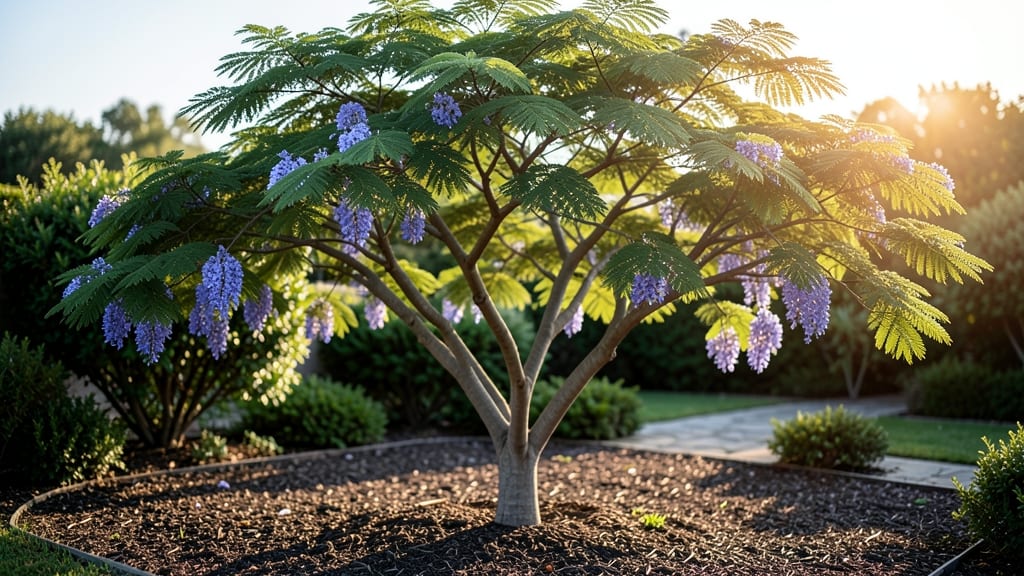
The jacaranda tree bloom season is nature’s most dramatic purple spectacle—like a waterfall of flowers that turns your yard into a dreamy spring canvas. 🌸 I still remember the first time I stood beneath mine, blinded by cascading blossoms that smelled faintly of honey and sunshine.
This isn’t just a bloom; it’s a full sensory experience that transforms any garden into a postcard-worthy masterpiece for 3-4 weeks every year.
Timing depends on where you live: in temperate zones, the show starts in late spring when daytime temps hit 70°F, while subtropical areas get their purple rain in winter. The key to encouraging heavy blooms?
Pruning after flowering (never in fall) and giving it full sun—jacarandas reward patience with denser foliage and more dramatic blooms each season. Even a small urban yard can become a focal point when you time it right.
Once those flowers appear, the magic happens fast—photographers flock to capture the ethereal purple clouds, and bees hum in celebration. The trade-off? Those fragrant blooms mean light shade for your lawn below, so plan for ground covers or mulch to protect grass from the floral onslaught.
The tree’s cycle also dictates your garden’s rhythm: prune after blooms fade, fertilize lightly in early spring, and prepare for next year’s show.
Pro tip: Mark your calendar for when your local jacarandas bloom—it’s a great way to predict your own tree’s schedule. And if you’re new to this purple phenomenon, start small: a single jacaranda in a sunny corner will give you that once-in-a-season magic without overwhelming your space.
The rest is just waiting for spring’s grand entrance.
📚 In This Guide
- What you need
- Instructions
- Tips and common mistakes
- Wrapping up and next steps
What you need
- ● Jacaranda tree sapling or mature tree: Choose a healthy Jacaranda mimosifolia (blue jacaranda) or Jacaranda acutifolia (rain tree). For planting, opt for a 3–5 gallon container-grown sapling (1–3 ft tall).
- ● Well-draining soil: Mix 3 parts native soil + 2 parts compost + 1 part coarse sand or perlite (10–15 cubic feet per tree). Jacarandas hate soggy roots!
- ● Slow-release fertilizer: A balanced 10-10-10 NPK or citrus-specific fertilizer (1–2 lbs per tree). Avoid high-nitrogen blends.
- ● Mulch: 3–4 inches of wood chips or bark (avoid fresh mulch—it can burn roots). Cover a 3-foot radius around the base.
- ● Watering can or drip irrigation: A 5-gallon capacity with a gentle spray nozzle, or a soaker hose for deep hydration.
- ● Shovel or trowel: For digging holes (18–24 inches wide and deep for saplings; adjust for mature trees).
- ● Garden gloves: Heavy-duty, nitrile-coated for protection against thorns.
- ● Pruning shears: Bypass pruners (sharp, 6–8 inch blades) for shaping and deadheading.
- ○ Stakes & ties (optional): 3–4 wooden stakes (2–3 ft tall) + soft tree ties to support young trees in windy areas.
- ● pH test kit: To ensure soil pH is 6.0–7.5 (jacarandas prefer slightly acidic to neutral).
- ● Sunlight access: Full sun (6+ hours/day)—no compromises! Partial shade reduces blooms.
- ● Local nursery or online supplier: For sourcing jacaranda trees or soil amendments (e.g., blank">Planet Desert or blank">Barefoot Nursery).
- ● Epsom salt: 1 tbsp dissolved in 1 gallon of water (monthly spray for magnesium boost during bloom season).
- ● Tree collar guard: To protect the trunk from lawnmower damage.
- ● Automatic sprinkler: For drought-prone areas (jacarandas are drought-tolerant but thrive with consistent moisture when young).
- ● Bird deterrent (temporary): Netting if birds snack on buds—jacarandas are magnets for pollinators but can lose blooms to hungry visitors.
Step-by-Step guide to encouraging a stunning jacaranda bloom
Here's how to coax your jacaranda into its signature purple canopy every spring.
🌱 Step 1: Prune for Airflow and Light Penetration
Start by removing any dead, diseased, or crossing branches in late winter or early spring, just as buds begin to swell. I like to work on dry days when the tree isn't actively growing—this minimizes stress. Use clean, sharp pruning shears to make cuts just above outward-facing buds, which encourages new growth that will support more blooms.
Focus on thinning the canopy by about 20-30% to let sunlight reach the inner branches. Jacarandas bloom on old wood, so avoid heavy pruning that removes last year's growth. You'll know you've done enough when you can see light filtering through the branches—this is crucial for even flowering along the entire tree.
☀️ Step 2: Provide Full Sun and Proper Watering
Jacarandas demand at least 6-8 hours of direct sunlight daily for optimal blooming. If your tree is in a container, move it to the sunniest spot available—even partial shade reduces flower production. I've seen trees in northern climates struggle with blooms until I relocated them to south-facing positions.
Water deeply once a week during the growing season, allowing the soil to dry out between waterings. Overwatering causes root rot, which weakens the tree and reduces flowering. Check moisture by sticking your finger 2 inches deep—if it feels dry, it's time to water. Mulch around the base with 2-3 inches of organic mulch to retain moisture and regulate soil temperature.
💧 Step 3: Fertilize for Vibrant Blooms
Feed your jacaranda in early spring with a balanced, slow-release fertilizer (10-10-10 or similar) at half the recommended rate. This gives the tree nutrients without overwhelming it. I apply the fertilizer in a 6-inch wide band around the drip line, then water it in thoroughly. Avoid high-nitrogen fertilizers—they promote leafy growth at the expense of flowers.
In mid-summer, switch to a low-nitrogen, high-phosphorus fertilizer (like 5-10-10) to encourage blooming. This timing mimics the tree's natural cycle, where phosphorus supports root and flower development. Stop fertilizing by late summer to allow the tree to prepare for dormancy and next year's blooms.
✂️ Step 4: Protect Flowers from Rain and Pests
Jacaranda flowers are stunning but delicate—heavy rain can strip them from the tree before they fully open. If rain is forecasted during peak bloom, consider covering the tree with a lightweight fabric or moving potted trees to a sheltered area. I've used floating row covers stretched over branches to protect blooms without damaging them.
Watch for pests like jacaranda psyllids, which suck sap and weaken the tree. Spray infested branches with neem oil or insecticidal soap if you spot sticky residue on leaves. A strong, healthy tree will bounce back quickly, but severe infestations can reduce next year's blooms. Prune and destroy heavily damaged branches to prevent spread.
🌿 Step 5: Monitor for Stress Signals
Yellowing leaves often signal overwatering or poor drainage. If you notice this, let the soil dry out more between waterings and improve drainage by amending the soil with sand or perlite. Drooping leaves in hot weather mean the tree needs more water—give it a deep soak and watch for recovery within a few hours.
If the tree stops blooming entirely, it may need more sunlight or better-pruned branches. Jacarandas are drought-tolerant once established, but they reward proper care with spectacular, 2-week-long blooms every spring. Keep an eye on the tree's overall health—strong roots and branches mean bigger, more vibrant flowers next season.
Tips & tricks for perfect jacaranda blooms
These simple strategies will help you transform your jacaranda into a vibrant purple spectacle every spring.
Pruning Precision: When thinning your canopy by 20-30% in Step 1, focus on removing branches that cross or rub against each other. These create wounds that invite disease and reduce flowering potential. I've found that making cuts just above outward-facing buds creates a natural growth pattern that supports more blooms—this is especially important for young trees still developing their structure.
Sunlight Strategy: The 6-8 hours of direct sunlight in Step 2 is non-negotiable for peak blooms. If your tree isn't getting enough light, consider strategic placement—south-facing windows or balconies work best in northern hemispheres. For container-grown jacarandas, I've seen dramatic improvements when moving them to sunny spots during winter months, even if they were previously fine in partial shade.
Fertilizer Timing: The switch to low-nitrogen, high-phosphorus fertilizer in mid-summer (Step 3) is where the magic happens for vibrant blooms. I recommend applying this fertilizer in early July to give your tree plenty of time to process the nutrients before dormancy. The phosphorus boost encourages root development, which directly supports next year's flower production.
Rain Protection: For the delicate blooms in Step 4, I've found that lightweight frost cloth works better than plastic for rain protection. It allows sunlight through while shielding flowers from heavy downpours. If you notice buds starting to open before rain is forecasted, apply the cover immediately—once flowers are fully open, they're more resilient but still benefit from protection.
Pro Tips for Jacaranda Tree Bloom
- These simple strategies will help you transform your jacaranda into a vibrant purple spectacle every spring.
- Pruning Precision: When thinning your canopy by 20-30% in Step 1, focus on removing branches that cross or rub against each other.
- Sunlight Strategy: The 6-8 hours of direct sunlight in Step 2 is non-negotiable for peak blooms.
Frequently asked questions
Got questions about the stunning jacaranda tree bloom? You’re not alone! Here are some of the most common queries—plus quick, practical answers to help you make the most of your purple paradise.
When do jacaranda trees typically bloom?
Jacarandas usually burst into color in late spring to early summer (March–June in the Northern Hemisphere), depending on your climate. Warmer regions may see blooms as early as February, while cooler areas might delay until May or June. Pro tip: Monitor local frost dates—jacarandas need consistent warmth to trigger their showstopping display!
How long does the jacaranda bloom last?
The vibrant purple canopy typically lasts 2–4 weeks, though some varieties (like Jacaranda mimosifolia) may extend the show with sporadic blooms. To prolong the display, ensure your tree gets full sun (6+ hours daily) and well-drained soil. Fun fact: Pruning spent flowers can encourage a second, lighter bloom later in the season!
Why isn’t my jacaranda tree blooming?
No purple rain? Don’t panic! Common culprits include:
- Age: Young trees (under 5 years) focus on growth before blooming.
- Nutrition: Over-fertilizing (especially with nitrogen) can delay flowers. Use a balanced, bloom-boosting fertilizer in early spring.
- Stress: Poor soil, drought, or transplant shock may halt blooms. Mulch and water deeply during dry spells.
Troubleshoot: Check for pests (like jacaranda moths) or fungal issues, which can sap energy from flowering.
Are jacaranda flowers toxic to pets or humans?
Jacaranda flowers, leaves, and seeds are non-toxic to humans and pets, but they’re not exactly a snack either! While they won’t cause harm, they’re best admired from afar—swallowing large quantities might upset a pet’s stomach. Always supervise curious pups or kittens around trees!
Can I grow a jacaranda tree in a pot?
Yes, but with caveats! Jacarandas thrive in large containers (20+ gallons) with drainage holes, but they’ll need:
- Full sun and regular pruning to control size.
- Well-draining soil (mix potting soil with perlite or sand).
- Frequent watering (pots dry out faster than ground soil).
Bonus: Potted jacarandas can be moved to create seasonal purple accents on patios or balconies!
What’s the best way to enjoy jacaranda blooms?
Turn your purple canopy into a showstopper with these ideas:
- Photography: Shoot during golden hour (early morning or late afternoon) for magical lighting.
- Garden pairings: Plant understory shrubs (like bougainvillea) to complement the height.
- Outdoor living: Place seating or hammocks beneath the tree for a dreamy bloom-viewing spot.
Pro tip: Collect fallen petals (gently!) for DIY potpourri or dried floral arrangements.
Wrapping up and next steps
The jacaranda tree bloom isn’t just a burst of color—it’s nature’s way of turning your spring into a dreamy purple escape. Whether you’re admiring one in a park or nurturing your own, this iconic tree reminds us that beauty thrives with patience and care. 🌸
Ready to make the most of this magical season? Plan a visit to a nearby jacaranda hotspot, or if you’re lucky enough to have one at home, share the joy by inviting friends to stroll beneath its canopy. Every bloom is a celebration—don’t miss yours! 🌿