
Blooming
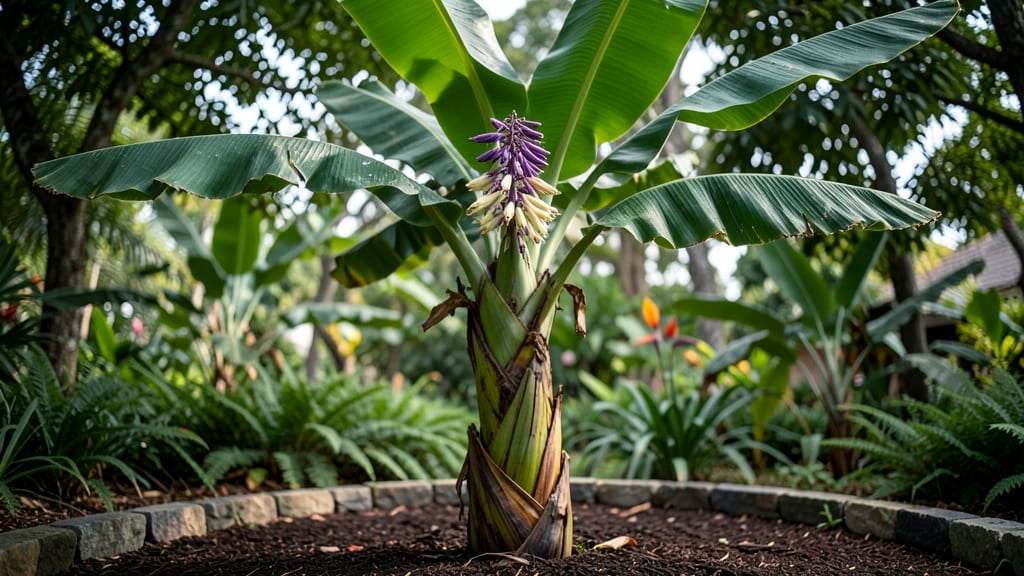
The moment your banana tree bloom unfurls is pure magic—like a neon flashlight in the jungle. 🌺 I've watched mine burst into life twice a year, and each time, the anticipation builds as the flower stalk grows taller than my arm, packed with tiny orange blooms that smell like honey and citrus.
The secret to those showstopping blooms isn't deadheading or fancy fertilizers—it's about consistent warmth, moisture, and a little patience. My tree thrives in 75-85°F zones, with soil that stays damp but never soggy.
When the stalk appears, it's a sign your plant is happy, healthy, and ready to fruit—no matter the season. You'll know it's working when those first clusters of bananas form, turning from green to yellow in just 8-12 weeks.
The tree itself becomes a living sculpture, with broad leaves rustling in the breeze and new shoots pushing out from the base. Works in containers or in-ground, even in USDA zones 10-11 with winter protection. Here's how to keep the blooms coming—no deadheading required!
📚 In This Guide
- What you need
- Instructions
- Tips and common mistakes
- Wrapping up and next steps
What you need
- ● Banana tree (Musa spp.) – Choose a mature plant (3+ years old) for best blooming results. Pro tip: Dwarf varieties like 'Dwarf Cavendish' work well in containers!
- ● Well-draining potting mix – 5 gallons of cactus/succulent blend (or 50% peat/50% perlite for in-ground planting). 💡 Avoid heavy clay soil—root rot is a no-go!
- ● High-potassium fertilizer – 1 lb of 10-10-10 or 5-10-10 NPK blend (organic options like banana peel compost work too!).
- ● Slow-release fertilizer pellets – 1 cup for potted trees (or 1 lb for in-ground).
- ● Watering can or hose with a gentle spray nozzle – Banana trees hate soggy roots!
- ● Pruning shears – Sharp, sterilized shears for trimming only if dead leaves appear (no deadheading needed!).
- ● pH testing kit – Aim for 5.5–7.0 pH (bananas love slightly acidic to neutral soil).
- ○ Mulch (optional) – 2–3 inches of straw or wood chips to retain moisture and mimic tropical conditions.
- ● Grow lights (for indoor trees) – A 12-hour LED grow light to supplement weak winter sunlight.
- ● Humidity tray or pebble tray – Keeps air moisture at 60–80% (bananas thrive in humidity!).
Step-by-step guide to encouraging your banana tree to bloom year-round
Here’s how to coax vibrant blooms from your banana plant without the fuss of deadheading.
🌿 Step 1: Ensure Proper Light and Temperature
Banana trees need bright, indirect light to trigger flowering—think 6-8 hours of morning sun followed by afternoon shade. If your tree’s leaves start yellowing or brown tips appear, it’s getting too much direct sun. I’ve found that 65-85°F is ideal, so keep it indoors near a sunny window or move it outdoors once temperatures stabilize above 55°F. Watch for new growth at the base—this signals your tree is happy and ready to bloom.
If you’re in a cooler climate, a grow light on a timer for 12-14 hours daily works wonders. The key is consistency: sudden temperature drops below 50°F will shock the plant and halt blooming entirely. Use a thermometer to monitor—your tree will thank you with lush, healthy leaves and eventual flower stalks.
☀️ Step 2: Provide Consistent Water and Humidity
Banana trees love moisture, but soggy roots are a no-go. Water deeply once a week (or when the top 2 inches of soil feel dry) to encourage strong root growth. I like to use room-temperature water to avoid shocking the roots, and I always water at the base to keep leaves dry—this prevents fungal issues that can stress the plant.
Humidity is critical for blooming. If your air feels dry, mist the leaves 2-3 times a week or place the pot on a tray of pebbles with water underneath. You’ll know you’ve got it right when the leaves stay plump and vibrant. Avoid letting the soil dry out completely—banana trees are drought-sensitive, and stressed plants won’t bloom.
🪴 Step 3: Fertilize for Flowering Success
Use a balanced, water-soluble fertilizer (like 10-10-10) every 4-6 weeks during the growing season to fuel blooming. I switch to a high-phosphorus fertilizer (like 5-10-5) when I see new growth, as phosphorus encourages root and flower development. Always dilute fertilizer to half-strength—overdoing it burns roots and stunts growth.
Feed your banana tree in the spring and summer when it’s actively growing. You’ll notice the leaves darken and new shoots emerge—this is your cue that the fertilizer is working. Stop fertilizing in fall and winter unless you’re in a tropical climate, as the plant enters a natural resting phase. Too much fertilizer at the wrong time can lead to weak, leggy growth instead of blooms.
⏰ Step 4: Watch for and Support Flower Stalks
Banana blooms emerge from the leaf axils as thick, purple-tinged stalks. When you spot one, do not remove it—this is your tree’s way of telling you it’s ready to flower! Instead, gently tie the stalk to a small stake for support if it’s top-heavy. I’ve seen stalks grow 3-5 feet tall in just a few weeks, so stability matters.
Once the bloom opens, you’ll see bright orange or red flowers followed by fruit. The tree may look exhausted after fruiting, but with proper care, it’ll regrow leaves and prepare for another round of blooms. If your tree isn’t producing stalks, it might need more light or a longer growing season—bananas bloom best with 12+ hours of daylight. A grow light can help bridge gaps in shorter days.
Tips & tricks for year-round banana tree blooms
Here's what I've learned after watching my banana plant go from zero blooms to vibrant flowers—without any deadheading drama.
Lighting Strategy: That 6-8 hours of morning sun is non-negotiable for flowering. I've found placing my banana tree near an east-facing window gives perfect morning light while protecting it from harsh afternoon rays. If your space lacks natural light, invest in a full-spectrum LED grow light on a timer for those 12-14 hours daily—it's the difference between a sleepy plant and one ready to bloom.
Temperature Consistency: The 65-85°F range is your sweet spot, but sudden drops below 50°F will shock the system. I keep mine near a heat source during winter months, and use a small space heater with a thermostat to maintain stable temps. A simple digital thermometer on the windowsill helps me monitor this critical factor.
Watering Wisdom: The once-a-week watering guideline works for most homes, but check those top 2 inches of soil first—banana trees hate soggy roots but also can't handle drought stress. I've noticed my plant drinks more water during active growth phases (spring/summer) versus its winter rest period. Always water at the base and avoid wetting the leaves to prevent fungal issues that can stress the plant.
Fertilizer Timing: That 4-6 week schedule for balanced fertilizer is perfect, but switch to high-phosphorus when you see new shoots emerging. I've had the best success using a liquid fertilizer diluted to half-strength—it's easier for the roots to absorb without burning. Remember to stop fertilizing in fall/winter unless you're in a tropical climate, as over-fertilizing then leads to weak growth instead of blooms.
Pro Tips for Banana Tree Bloom
- Here's what I've learned after watching my banana plant go from zero blooms to vibrant flowers—without any deadheading drama.
- Lighting Strategy: That 6-8 hours of morning sun is non-negotiable for flowering.
- Temperature Consistency: The 65-85°F range is your sweet spot, but sudden drops below 50°F will shock the system.
Frequently asked questions
How often does a banana tree bloom?
A banana tree typically blooms once per year, though some dwarf varieties may produce smaller inflorescences more frequently. The bloom cycle lasts 6–12 weeks, depending on the cultivar and growing conditions. Pro tip: If your tree isn’t blooming, check for adequate sunlight (6+ hours daily) and balanced fertilization (high in potassium and phosphorus).
Why isn’t my banana tree blooming?
Banana trees bloom when mature (usually 1–2 years old) and under stress—like drought or temperature shifts. Common culprits:
- Insufficient sunlight (they’re tropical!)
- Overwatering (root rot kills blooms)
- Nutrient deficiencies (try a banana-specific fertilizer)
- Young age (patience!)
Fix it: Mimic their natural habitat—warmth (70–90°F), humidity, and well-draining soil.
Can I eat bananas from a blooming banana tree?
Not all blooming banana trees produce edible fruit! Check your variety:
Edible?
Examples
Yes
Cavendish, Red Dacca, Lady Finger
No (ornamental)
Dwarf Cavendish, Ice Cream, Rosella
If unsure, ask a local nursery—or admire the blooms and save the fruit for cooking (yes, even ornamental varieties can be used in recipes!).
Do I need to deadhead banana tree blooms?
Nope! Unlike annuals, banana trees don’t require deadheading—their blooms are part of their natural growth cycle. In fact, removing them can reduce fruit production. Avoid: Pruning off blooms unless they’re diseased or blocking light. Let nature take its course!
What if my banana tree blooms but no fruit forms?
Several factors can prevent fruiting after blooming:
- Temperature: Below 55°F or above 95°F can halt development.
- Water stress: Too much or too little water causes blossom drop.
- Pollination: Hand-pollinate with a small brush if no bees visit.
- Age/health: Immature or weak trees may abort fruit.
Try this: Keep soil consistently moist (but not soggy) and protect from cold drafts.
Wrapping up and next steps
Watching your banana tree bloom year-round is a rewarding experience that brings tropical charm to any garden—without the fuss of deadheading! 🌺 By understanding its unique growth cycle, providing the right care, and embracing its natural beauty, you’ve unlocked a low-maintenance way to enjoy vibrant foliage and occasional fruit.
Whether you’re a seasoned gardener or just starting, this lush, hardy plant proves that stunning blooms don’t require complicated upkeep.
Ready to level up your tropical oasis? Start by observing your banana tree’s next bloom cycle—take notes on what thrives (or doesn’t) and adjust care as needed. With patience and a little attention, your banana tree will continue to wow with effortless elegance. Happy gardening! 🌿✨