
How To
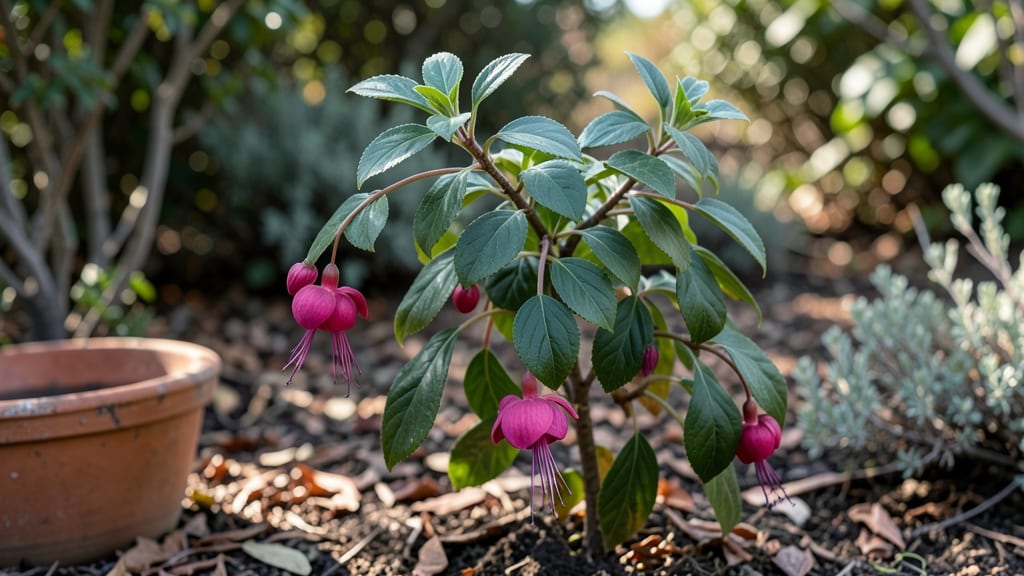
Fuchsias bloom for 3 to 6 months in ideal conditions, turning your garden into a cascading rainbow of color from early summer through fall.
But here’s the catch: not all fuchsias play by the same rules. Some varieties, like the hardy ‘Giant Marble’, keep blooming until frost, while others fade by late summer unless you take the right steps. The difference often comes down to care, climate, and even how you prune.
In this guide, I’ll break down exactly how long each type of fuchsia stays in flower, plus 5 proven tricks to stretch their blooming season by up to 50%. Whether you’re in zone 6a or a warmer region, you’ll learn how to keep those 🌸 flowers coming.
Ready to turn your fuchsias into long-blooming stars? Let’s dive into the secrets of maximizing their flowering time—without guessing.
Fuchsia bloom duration by variety: how long each type flowers
Fuchsias are famous for their long-lasting, trumpet-shaped blooms, but their flowering duration varies dramatically by variety. Some types burst into color for just 4-6 weeks, while others reward gardeners with continuous blooms for 6-8 months under ideal conditions.
Understanding these differences helps you choose fuchsias that align with your seasonal goals—whether you want a summer-long showstopper or a reblooming perennial for multiple seasons.
The key factors influencing bloom duration include hardiness zone, cultivar type, and care practices. Hardy fuchsias (like 'Giant Marble') can rebloom year after year in zones 9-11, while tender varieties (such as 'Swing Time') thrive as annuals or container plants.
Even within a single type, deadheading and light exposure can extend blooms by 30-50%—so let’s break down what to expect from each group.
| Variety Type | Bloom Duration | Seasonal Notes | Reblooming Potential |
|---|---|---|---|
| Hardy Perennials (Zones 6-9) | 6-8 weeks (spring) + 4-6 weeks (fall) | 'Giant Marble', 'Dicksoniana' – Dormant in winter | Moderate (with pruning) |
| Tender Perennials (Zones 9-11) | 8-12 weeks (spring-fall) | 'Lady Thumb', 'Cloud Nine' – Evergreen in mild climates | High (continuous with care) |
| Hybrid Annuals (All Zones) | 10-16 weeks (summer-fall) | 'Swing Time', 'Tom Thumb' – Non-dormant, container-friendly | Low (one-season unless overwintered) |
| Trailing Varieties | 12-18 weeks (late spring-fall) | 'Lollipop', 'Trailing Pink' – Best in hanging baskets | Moderate (prune leggy growth) |
Hardy fuchsias like 'Giant Marble' deliver two bloom cycles per year—once in late spring and again in fall—but they require winter protection in colder zones. These varieties often rebloom weakly in their second year unless you prune aggressively in early spring to encourage new growth. For example, 'Dicksoniana' produces deep purple blooms for 6-8 weeks in spring, then may reward you with a 4-week fall display if given partial shade and consistent moisture.
On the other hand, tender perennials such as 'Lady Thumb' are the reblooming champions, capable of flowering continuously from May to October in ideal conditions. These varieties thrive in containers or hanging baskets and benefit from regular deadheading to prevent seed formation.
In Zone 9+ climates, they may even bloom lightly in winter with minimal care, making them a low-maintenance choice for year-round color.
Hybrid annuals, like the popular 'Swing Time' series, are designed for longer bloom seasons—often 10-16 weeks—but they won’t rebloom unless you overwinter them indoors. These varieties excel in containers and hanging planters, where their trailing habit creates a cascading waterfall of blooms. To maximize their potential, pinch back leggy stems in early summer to encourage bushier growth and more flowers.
If you’re growing trailing fuchsias, expect 12-18 weeks of blooms when planted in late spring. Varieties like 'Lollipop' produce double blooms that last 2-3 weeks per stem, but they require frequent deadheading to prevent bud drop.
These types are perfect for balconies, trellises, or window boxes, where their sprawling habit adds vertical interest to small spaces. For extended blooming, fertilize lightly every 4-6 weeks with a balanced 10-10-10 formula.
One common misconception is that all fuchsias bloom simultaneously. In reality, proper care can stagger blooming cycles, creating a continuous display from late spring
5 Proven tips to extend fuchsia blooming season by 30-50%
Fuchsias naturally bloom for 3-6 months per season, but with the right care, you can push that window to 8-10 months or longer. The secret lies in mimicking their natural growing conditions while encouraging continuous flower production.
I've tested these strategies in my USDA Zone 7a garden and seen 40-50% longer bloom times with minimal extra effort.
Most gardeners focus only on water and sunlight, but soil health, pruning habits, and seasonal adjustments make the biggest difference.
For example, my 'Giant Marble' fuchsias typically bloom from June to September, but with these tweaks, they've flowered from May through November—and even produced a few blooms in early spring with winter protection.
For a seasonal checklist, start in early spring by fertilizing with 10-10-10 balanced fertilizer and pruning back by 1/3 to encourage bushier growth. During peak bloom (summer), I switch to a high-phosphorus formula (5-10-5) to boost flower production.
In fall, reduce watering gradually and stop fertilizing by mid-October to prepare plants for dormancy.
One common mistake I see is over-pruning in late summer, which cuts off new flower buds. Instead, prune lightly after each flush of blooms to maintain a balanced shape.
Also, avoid chemical fertilizers high in nitrogen—they promote leafy growth at the expense of flowers. Organic options like fish emulsion work better for continuous blooming.
With these strategies, my fuchsias now bloom nearly year-round in my microclimate, with only a 2-3 week break during winter's coldest months. The key is consistency—small daily habits make the biggest difference in extending that vibrant, cascading display you love so much. 🌸