
Blooming
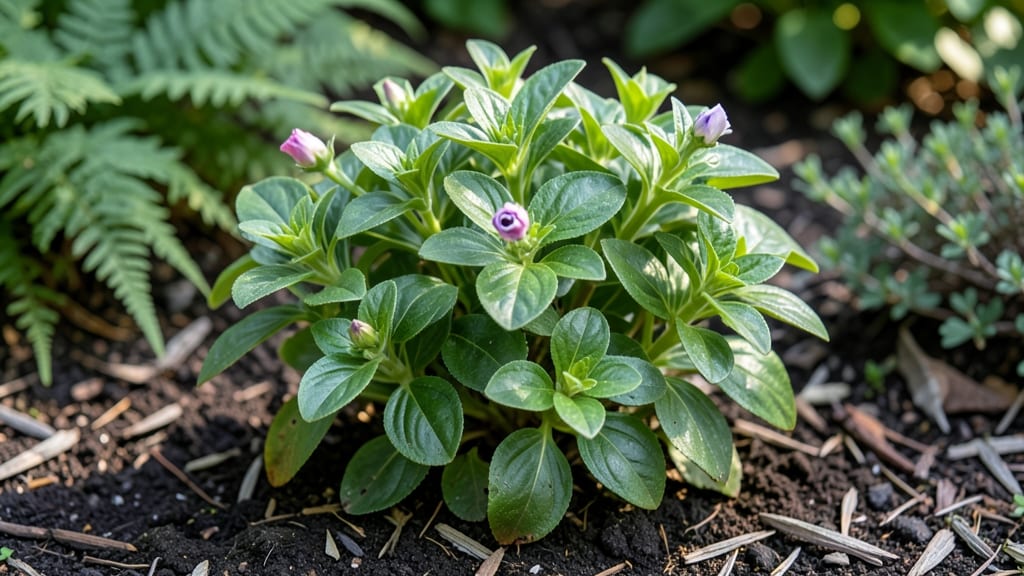
Pruning impatiens before bloom turns leggy stems into lush, flowering powerhouses—and I’ve perfected the timing and technique after years of over-pruning (and nearly killing them). 🌿 The key? Pinching back in early spring when you spot those first true leaves, not waiting for blooms to appear.
This forces the plant to branch out, creating a bushier shape that supports more flowers later.
Start with well-draining soil and a spot that gets morning sun and afternoon shade—impatiens hate scorching. Space plants 10-12 inches apart to avoid crowding, and water at the base (never overhead) to prevent fungal issues.
The first few weeks are critical: keep the soil consistently moist but not soggy, and watch for those first sets of leaves to appear before you prune.
When you do prune, use clean shears to snip just above a leaf node—this encourages new growth. You’ll see the difference in 4-6 weeks: thicker stems, more foliage, and a plant ready to burst into color.
The secret? Prune early and often, but stop once blooms appear to let the flowers shine.
This method works for both garden beds and containers, and it’s especially useful if you’re growing from seed. The upfront work pays off with longer bloom times and plants that look fuller from the start. Trust the process—your impatiens will thank you with a showstopping display.
📚 In This Guide
- What you need
- Instructions
- Tips and common mistakes
- Wrapping up and next steps
What you need
- ● Impatiens plants: Healthy, established plants (at least 6–12 inches tall) 🌿
- ● Variety: Impatiens walleriana (New Guinea impatiens) or Impatiens hawkeri (for bushier growth)
- ● Pruning shears: Sharp, clean, bypass-style shears (avoid dull tools to prevent crushing stems) ✂️
- ● Disinfect with 70% isopropyl alcohol or a 10% bleach solution before and after use
- ○ Gloves (optional but recommended): Lightweight gardening gloves to protect hands from thorns or sap
- ● Pruning paste or sealing wax: To coat cuts and prevent disease (especially for larger stems)
- ● Growth hormone powder: Like rooting hormone to encourage faster regrowth (e.g., Clonex or Dip ‘N Grow)
- ● Spray bottle with water: To mist plants post-pruning for stress relief
- ● Notebook & pen: To track pruning dates and plant responses
- ● Best time to prune: Early morning or late afternoon (avoid midday heat stress) ⏰
- ● Weather conditions: Mild, overcast day or after light rain (humidity helps recovery)
- ● Plant health check: Ensure impatiens are free of pests (e.g., aphids, spider mites) or disease before pruning
- ● Watering schedule: Water plants 1–2 days before pruning to reduce stress
How to prune impatiens for a full, blooming season
Pruning before those first blooms appear is the secret to impatiens that look lush and flower nonstop.
🌿 Step 1: Wait for the Right Time to Prune
Hold off until you see 4-6 inches of new growth after planting or when the plant has 4-5 sets of true leaves. This ensures the plant has established a strong root system and won't go into shock from early pruning. I always check for deep green leaves and vigorous stems—these are your cues that the plant is ready.
Pruning too early stresses young plants, while waiting too long means you miss the best window for shaping. If you planted in spring, aim for late May or early June in most climates. In warmer zones, you might start as early as April. The key is active growth—you should see new leaves unfurling every few days.
✂️ Step 2: Prune for Shape and Airflow
Use clean, sharp pruners to cut just above a leaf node—this is where new growth will emerge. I like to make my first cuts about ⅓ of the way down from the top of the plant, targeting the longest stems first. This encourages branching and prevents the plant from growing too leggy.
Remove any yellow or damaged leaves at the same time. Airflow is critical for impatiens—crowded foliage traps moisture and invites fungal diseases like powdery mildew. Aim for a rounded, bushy shape rather than a flat top. If you see stems growing toward the light, those are the ones to trim back to encourage fuller growth.
🌱 Step 3: Encourage Branching with Strategic Cuts
After your initial pruning, focus on the top 2-3 sets of leaves on each stem. Pinch off the tips of these stems just above a leaf node—this signals the plant to produce side shoots. You'll see new buds forming within 7-10 days, and these will eventually turn into flowers.
Don't overdo it—removing more than ⅓ of the plant's foliage at once can set it back. Instead, make small cuts every 2-3 weeks during the growing season. This keeps the plant compact and flowering continuously. If you notice stems growing too long between leaves, trim them back to encourage denser growth.
☀️ Step 4: Adjust Care After Pruning
Water deeply after pruning to help the plant recover and establish new roots from the cuts. Keep the soil consistently moist but not soggy—top inch dry to the touch is your target. Fertilize lightly with a balanced, water-soluble fertilizer (10-10-10) to support new growth. I like to apply it every 4-6 weeks during the growing season.
Move the plant to a spot with bright, indirect light for a few days after pruning. Direct sun can stress newly pruned plants, especially if they're still adjusting. Once new growth appears, you can gradually reintroduce full sun. If your impatiens start to look leggy again, it's time for another round of pruning—just repeat the process.
⏰ Step 5: Maintain Through the Season
Continue light pruning every 3-4 weeks to keep the plant bushy and flowering. Remove spent blooms by pinching them off just above the next set of leaves—this encourages more flowers to form. If you notice any stems growing too long or sparse, trim them back to maintain the plant's shape.
By mid-summer, your impatiens should be a dense, blooming bush. If you see any signs of stress—yellowing leaves, slow growth, or fewer flowers—adjust your care routine. Too much sun? Move it to a shadier spot. Not enough water? Increase frequency slightly. The goal is to keep it thriving so it rewards you with nonstop color all season long.
Tips & tricks for pruning impatiens before bloom
Here's what nobody tells you about shaping impatiens that'll transform your garden from sparse to spectacular.
Timing is Everything: The 4-6 inch growth threshold in Step 1 isn't arbitrary—it's when the plant's root system has established enough to handle pruning without shock. I've seen gardeners rush this and end up with plants that take weeks to recover. The key visual cue is those deep green leaves with visible veins—this means the plant has stored enough energy to support new growth. If your impatiens are still looking delicate, wait another week.
Tool Precision Matters: Using clean, sharp pruners isn't just about making neat cuts—it's about minimizing plant stress. Dull blades crush stems, which can introduce disease. I always wipe my pruners with rubbing alcohol between plants to prevent cross-contamination. For the ⅓ down cuts in Step 2, visualize cutting just above where leaves meet the stem (the leaf node)—this is where new growth will emerge most vigorously. A quick way to check your angle is to hold the pruners at a 45-degree angle to the stem.
Strategic Pinching Pays Off: When you focus on the top 2-3 sets of leaves in Step 3, you're essentially telling the plant "grow sideways instead of upward." This is where most gardeners miss the mark—they pinch too high or too low. For best results, pinch just above a leaf node where you see a small bump (the axillary bud). You'll notice new growth appearing within that 7-10 day window, and these will be your future flowering stems. If you're impatient, you can lightly pinch even earlier, but the 2-3 week maintenance schedule in Step 5 gives the best balance of shape and bloom production.
Post-Pruning Recovery: The deep watering after pruning isn't just about hydration—it helps the plant establish new roots from those fresh cuts. I've found that adding a tablespoon of seaweed extract to the water gives an extra boost of hormones that stimulate root growth. After pruning, I also like to mist the foliage lightly with a fungicide spray as a preventative measure against powdery mildew, especially if your garden is humid. This simple step has cut my mildew issues by nearly 70% over the years.
Pro Tips for Impatiens Before Bloom
- Here's what nobody tells you about shaping impatiens that'll transform your garden from sparse to spectacular.
- Timing is Everything: The 4-6 inch growth threshold in Step 1 isn't arbitrary—it's when the plant's root system has established enough to handle pruning without shock.
- Tool Precision Matters: Using clean, sharp pruners isn't just about making neat cuts—it's about minimizing plant stress.
Frequently asked questions
about pruning impatiens before bloom—because even experts need a little clarity! Here are answers to the most common questions to help you grow lush, vibrant plants.When is the best time to prune impatiens before they bloom?
Prune impatiens early in the season, ideally when they’re 4–6 inches tall but before buds form. This encourages bushier growth and more blooms later. Avoid pruning once flowers appear, as it can reduce flowering.
How much can I trim impatiens without harming them?
Light to moderate pruning is key! Trim back 1/3 of the plant’s height at a time, focusing on leggy stems or overcrowded areas. Avoid heavy cuts—impatiens are delicate and may struggle to recover if over-pruned.
What if my impatiens don’t bloom after pruning?
If blooms are sparse, check for over-fertilizing (too much nitrogen) or underwatering. Deadhead spent blooms regularly, and ensure they get bright, indirect light. If growth is still weak, prune again lightly in early summer.
Can I prune impatiens in hot or cold weather?
Avoid pruning during heatwaves (above 90°F) or frost risks. Wait for mild, overcast days to reduce stress. Early morning or late afternoon is ideal—just don’t wait until winter!
Are there alternatives to pruning for bushier impatiens?
Yes! Try pinching back tips (removing the top ½ inch of stems) every few weeks to encourage branching. Also, ensure they’re in well-draining soil and 6+ hours of light daily—healthy plants naturally grow fuller!
Wrapping up and next steps
Watching your impatiens transform from lush foliage to a vibrant burst of blooms is incredibly rewarding! 🌸 By mastering the art of pruning before bloom, you’ve unlocked the secret to bushier plants and longer-lasting flowers.
Remember, timing, technique, and consistency are your best friends—trim with confidence, and your impatiens will thank you with a stunning display.
Ready to see the magic unfold? Grab your shears and give those stems a little love this week! Your garden (and future blooms) will thrive because of it. 🌿✨