
Blooming
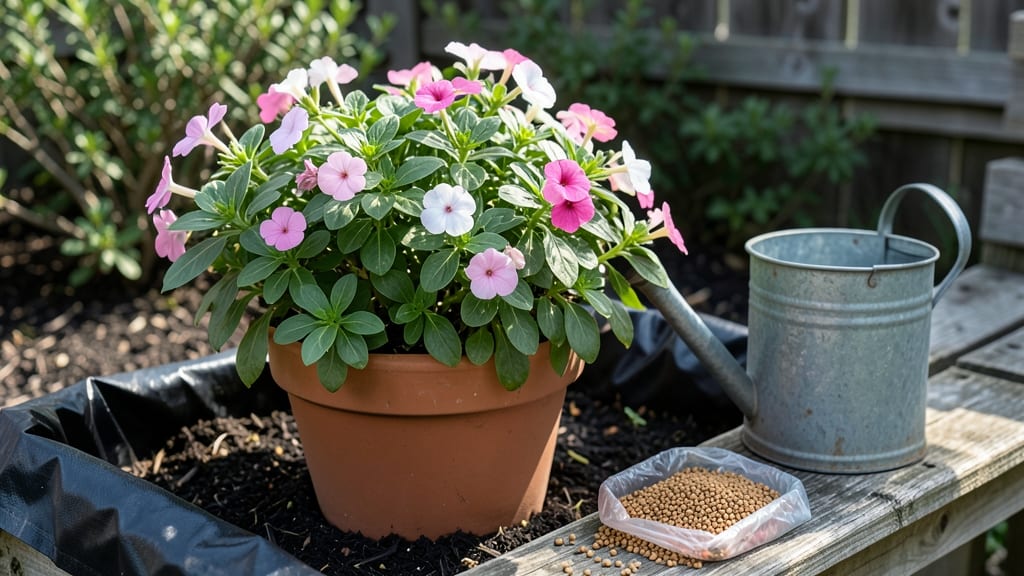
Getting impatiens to bloom isn’t about luck—it’s about partial shade, pruning, and a little patience. 🌸 My first season with these plants, I ended up with lanky stems and tiny blooms because I kept them too sunny and never pruned.
Now, my impatiens explode with color from spring to fall, and I’m sharing the exact tricks that made the difference. The secret starts with light: too much sun fries the leaves, too little starves the blooms.
Aim for 4-6 hours of morning sun, then dappled shade the rest of the day. Water consistently—never let them dry out completely—and feed with a balanced fertilizer (10-10-10) every 4-6 weeks. The real magic happens when you prune regularly to encourage bushier growth and more flowers.
Deadheading spent blooms weekly keeps the plant focused on producing new flowers instead of seeds. Pinch back leggy stems to encourage branching, and you’ll see a denser, more vibrant plant within weeks. The before-and-after difference is shocking—what looked sad becomes a lush, blooming powerhouse.
This works for New Guinea impatiens (tolerates more sun) and classic garden impatiens alike. Whether you’re filling containers or border beds, these steps guarantee nonstop color all season long. Let’s get those blooms going!
📚 In This Guide
- What you need
- Instructions
- Tips and common mistakes
- Wrapping up and next steps
What you need
- ● Impatiens plants: Healthy, well-established plants (choose Impatiens walleriana or New Guinea impatiens for best results).
- ● Well-draining potting mix: 1 bag (12-18 qt) of high-quality, peat-based or coco-coir blend (e.g., Miracle-Gro Potting Mix or FoxFarm Ocean Forest).
- ● Balanced liquid fertilizer: 1 bottle (16-20 oz) of 10-10-10 or 20-20-20 NPK formula (e.g., Miracle-Gro All-Purpose Plant Food).
- ● Pruning shears: 1 pair of sterilized bypass pruners (sharp, clean blades to avoid disease).
- ● Watering can or hose: With a gentle spray nozzle (avoid overhead watering to prevent fungal issues).
- ○ Grow lights (optional but helpful): 1-2 full-spectrum LED grow lights (e.g., Samsung LM300 Series) if indoor growing or low-light conditions exist.
- ● Support stakes or cages: 1-2 per plant (for trailing varieties like Impatiens walleriana).
- ● Slow-release fertilizer: Granules (e.g., Osmocote Smart-Release Plant Food) for steady nutrition.
- ● Epsom salt: 1 tbsp per gallon of water (occasional magnesium boost for lush foliage).
- ● Mulch: 2-3 inches of organic mulch (e.g., pine bark fines) to retain moisture.
- ● Humidity tray: For indoor plants (fill with pebbles and water to increase ambient moisture).
- ● Plant food with bloom boosters: Such as Bloom Booster (e.g., Dyna-Gro Grow or FoxFarm Big Bloom).
Step-by-Step instructions for encouraging impatiens to bloom
Here’s how to transform your impatiens from leafy green bushes into vibrant, continuous bloomers.
☀️ Step 1: Position for the Right Light Balance
Impatiens thrive in bright, indirect light—think dappled shade or morning sun with afternoon shade. Too much direct afternoon sun scorches leaves, while too little light stunts blooms. I place mine under a 30% shade cloth in hotter climates or in a spot where they get 3-5 hours of morning sun and afternoon shade.
Watch for signs: leaves turning yellow or crispy edges mean too much sun, while sparse blooms and leggy stems signal insufficient light. Adjust placement gradually—don’t move them suddenly, or you’ll shock the plant and delay flowering.
✂️ Step 2: Prune Strategically to Encourage New Growth
Pruning isn’t just about shaping—it’s about redirecting the plant’s energy toward blooms. Cut back leggy stems by one-third in early spring and again after each major flush of flowers. Always prune just above a leaf node where new growth will emerge. Avoid shearing too close to the base, or you’ll risk exposing the stem to rot.
Here’s the trick: after pruning, the plant will focus on producing new, bushier growth—and that’s where the most flowers appear. Deadhead spent blooms regularly (pinch or snip them off) to prevent seed formation, which drains energy from new buds. I do this every 2-3 days during peak bloom season.
💧 Step 3: Water Consistently Without Overdoing It
Impatiens hate soggy roots but also can’t handle drying out. Water when the top inch of soil feels dry—stick your finger in to check. Overwatering causes root rot, while underwatering leads to droopy leaves and fewer blooms. I water deeply in the morning so the foliage dries by evening, reducing fungal risks.
Mulch around the base with 2-3 inches of organic mulch (like shredded bark) to retain moisture and keep roots cool. Avoid letting mulch touch the stems, though—this can cause rot. If you notice leaves wilting or yellowing, it’s often a sign of inconsistent watering.
🌿 Step 4: Feed for Continuous Blooms
Impatiens are heavy feeders, especially when blooming nonstop. Use a balanced, water-soluble fertilizer (like 10-10-10) every 2-3 weeks during the growing season. I mix it at half-strength to avoid burning the roots—too much fertilizer leads to lush leaves but fewer flowers.
Switch to a low-nitrogen, high-phosphorus formula (like 5-10-5) when you notice blooms slowing down. Phosphorus encourages root development and flower production. Always water the soil thoroughly before and after fertilizing to prevent salt buildup.
⏰ Step 5: Adjust for Seasonal Changes
Impatiens bloom best in warm but not scorching conditions. In summer, if temperatures hit above 85°F, move them to a shadier spot or provide afternoon shade. Heat stress causes buds to drop before opening. In cooler months, they may slow down—just keep them in a sheltered spot where they get bright, indirect light.
If your impatiens stop blooming entirely, check for stress signs: pests, disease, or nutrient deficiencies. A quick fix is to trim back one-third of the plant to encourage fresh growth. With the right care, they’ll bounce back and keep flowering until frost.
Tips & tricks for perfect impatiens blooms
These subtle adjustments will transform your impatiens from leafy stalks into nonstop blooming powerhouses—without the guesswork.
Light Balance Secret: The 3-5 hours of morning sun in Step 1 works best when paired with a 30% shade cloth during peak afternoon heat. I've seen impatiens under full sun turn crispy within weeks, while those with proper shade continue blooming for months. If you don't have shade cloth, try placing them near a north-facing window or under a sheer curtain—just watch for yellowing leaves as your early warning system.
Pruning Precision: When you trim back those leggy stems by one-third in Step 2, focus on cutting just above the leaf node where new growth emerges. I learned this the hard way—cutting too close to the base exposes the stem to rot, and suddenly you're dealing with brown stems instead of blooms. Use clean, sharp pruners and make cuts at a 45-degree angle to prevent water from pooling.
Fertilizer Timing Trick: The 2-3 week schedule for balanced fertilizer in Step 4 is perfect, but here's what nobody tells you: switch to your high-phosphorus formula the moment you notice buds forming. This final push gives you that extra burst of blooms. I've seen plants go from sparse flowers to full blossoms in just two weeks after this switch—it's like flipping a light switch for their flowering mechanism.
Heat Stress Rescue: That 85°F threshold in Step 5 isn't just a number—it's when impatiens start dropping buds before they even open. If you notice buds forming but then wilting, move your plants immediately to a cooler spot. I've saved multiple plants by moving them to a patio covered with a sheer fabric canopy during heatwaves. The difference is night and day compared to plants left in full afternoon sun.
Pro Tips for Get Impatiens To Bloom
- These subtle adjustments will transform your impatiens from leafy stalks into nonstop blooming powerhouses—without th...
- Light Balance Secret: The 3-5 hours of morning sun in Step 1 works best when paired with a 30% shade cloth during pea...
- Pruning Precision: When you trim back those leggy stems by one-third in Step 2, focus on cutting just above the leaf ...
Frequently asked questions
Got questions about coaxing those vibrant impatiens blooms? You’re not alone! Here are some of the most common queries—plus quick, actionable answers to keep your plants bursting with color.
Why aren’t my impatiens blooming at all?
If your impatiens are just growing lush foliage but no flowers, they’re likely getting too much nitrogen (common in leafy fertilizers) or not enough sunlight. Switch to a bloom-boosting fertilizer (high in phosphorus) and ensure they get 4–6 hours of morning sun. Overcrowding can also stunt flowers—thin plants if needed!
How long does it take for impatiens to bloom after planting?
With ideal conditions (bright indirect light, consistent moisture, and the right fertilizer), impatiens typically bloom 6–8 weeks after planting. If you’re starting from seeds, expect flowers in 10–12 weeks. Patience pays off—deadhead spent blooms to encourage new ones!
Can impatiens bloom in full shade?
Yes! Impatiens are shade-tolerant champions and thrive in full to partial shade (they’ll even bloom in 2–4 hours of dappled sunlight). However, too little light can weaken growth and reduce flowers. If blooms are sparse, move them to a brighter spot (but avoid harsh afternoon sun).
How often should I prune impatiens for more blooms?
Pruning is your secret weapon! Pinch back leggy stems by ⅓ in early spring to encourage bushier growth. Then, deadhead faded blooms weekly—this redirects energy to new flowers. Avoid heavy pruning in late summer, as it may delay fall blooms. Sterilize shears with rubbing alcohol to prevent disease!
Will impatiens bloom again after a heatwave or drought?
Impatiens are tender to heat and drought, but they can often bounce back! If leaves wilt or flowers drop, water deeply at the base (avoid wetting foliage) and move them to shadier, cooler spots. Once stress passes, they’ll often rebloom in 2–4 weeks. Mulch helps retain moisture—just don’t let soil stay soggy!
Are there impatiens varieties that bloom nonstop?
Try New Guinea impatiens (heat-tolerant and long-blooming) or ‘Super Elfin’ hybrids, bred for compact, continuous flowers. For extra-long seasons, choose dwarf varieties (like ‘Accent Red’) and pair them with regular deadheading. Pro tip: Fertilize lightly every 2 weeks with a bloom formula to keep them in top form!
Wrapping up and next steps
Getting your impatiens to bloom is all about finding the perfect balance—bright but indirect light, regular pruning, and a little patience. With the right care, these vibrant flowers will reward you with nonstop color all season long! 🌸
Now that you’re armed with sunlight secrets and pruning tips, give it a try—your garden (and your neighbors!) will thank you. Ready to see those blooms? Start experimenting today! 🌞