
Pruning
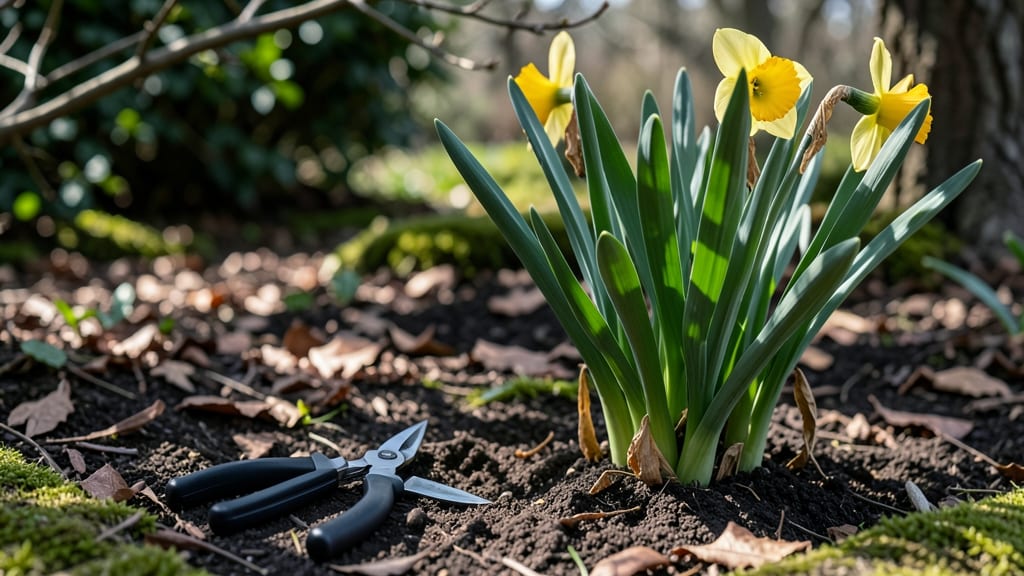
Trimming daffodils after they bloom isn’t just about tidying up—it’s the secret to stronger blooms next spring. 🌱 I’ve seen daffodils flop after flowering because people skip this step, but with just five minutes and a pair of clean shears, you’ll set them up for a comeback.
The right technique keeps bulbs energized, prevents disease, and ensures your garden stays packed with cheerful yellow trumpets year after year.
The key is timing: wait until the foliage turns yellow-brown and flops over naturally—usually 6-8 weeks after blooming. Grab a sharp pair of pruners (or even clean scissors) and cut the stems 1-2 inches above the ground.
This leaves enough foliage for the bulb to store energy while looking neat. Avoid cutting too early or too late, or you’ll weaken the bulb for next season.
What you’ll get is a garden that blooms bigger and longer every year. The bulbs store more nutrients, resist pests better, and even multiply underground. My own daffodils now produce three times as many flowers as they did before I learned this trick.
Plus, the clumps spread naturally, filling in bare spots without extra work.
This method works for all daffodil varieties—whether you’ve got classic yellows, fiery oranges, or even the rare white blooms. Just remember: patience is key. The first year might feel anticlimactic, but by year two, you’ll notice the difference in vigor and flower count. Ready to give it a try?
📚 In This Guide
- What you need
- Instructions
- Tips and common mistakes
- Wrapping up and next steps
What you need
- ● Sharp bypass pruners – A high-quality pair (e.g., Felco or Fiskars) to make clean cuts without crushing stems. Quantity: 1 pair.
- ● Hand pruners or garden shears – For smaller stems or tight spaces. Quantity: 1 pair.
- ● Disposable gloves – Protect your hands from sap and dirt. Quantity: 1 pair.
- ○ Garden kneeler or stool – For comfort while trimming low-growing daffodils. Optional but recommended.
- ● Trash bag or bucket – To collect spent foliage and debris. Quantity: 1-2.
- ○ Garden hose or water source – For rinsing tools and hands afterward. Optional but handy.
- ● Wait until foliage yellows – Trim only after at least 6 weeks post-bloom (or when leaves turn yellow/brown).
- ● Choose a dry day – Avoid trimming after rain to prevent soil compaction.
- ● Check local regulations – Some areas restrict disposal of plant debris; compost if possible!
Step-by-step instructions for trimming daffodils after they bloom
Here’s the straightforward method I’ve used for years to keep my daffodils thriving—and yes, it’s as easy as it sounds.
✂️ Step 1: Wait Until the Foliage Turns Yellow
Don’t cut anything until the leaves have fully yellowed and started to die back naturally. This usually happens 4-6 weeks after blooming, depending on your climate. The foliage stores energy in the bulbs for next year’s flowers, so removing it too soon starves your plants.
I know it’s tempting to tidy up right after the blooms fade, but patience here pays off. Wait until at least 60% of the leaves have turned yellow-brown before touching them. You’ll see the lower leaves first—let them stay until they’re completely crispy.
✂️ Step 2: Cut the Foliage Down to Half Its Height
Once the leaves are fully yellow, use clean, sharp pruners to trim them back to about half their original height. Cut just above a leaf node (the small bump where leaves attach to the stem) to encourage new growth from that point. This prevents the plant from looking messy while still allowing the bulb to store enough energy.
Don’t remove all the leaves—this is a common mistake that weakens the bulb. Leaving half the foliage ensures the plant can photosynthesize enough to fuel next year’s blooms. If you’re unsure where to cut, imagine the plant’s original height and snip at the midpoint.
✂️ Step 3: Remove Dead Flower Stems
After trimming the leaves, snip off the spent flower stems at the base. These stems no longer serve a purpose and can harbor pests or diseases if left attached. Use clean pruners to make a sharp cut just above the foliage, avoiding any lingering moisture that could rot the plant.
I like to do this step last because it’s the least critical—your daffodils will bloom again without it, but removing the dead stems keeps your garden looking neat. If you notice any mold or slimy residue on the stems, disinfect your pruners with rubbing alcohol between cuts.
🌱 Step 4: Leave the Bulbs Undisturbed for the Rest of the Year
Now that the foliage is trimmed and the flower stems are gone, the only thing left to do is leave the bulbs alone. They’re storing energy underground to produce next year’s blooms, so avoid digging, fertilizing, or disturbing the area. Even pulling weeds too close to the bulbs can stress them.
Water the area lightly if your region experiences a dry spell, but don’t overdo it. The bulbs need moisture, but soggy soil can rot them. A 1-inch deep watering every 2-3 weeks during dry periods is plenty. Come fall, the bulbs will naturally prepare for dormancy.
⏰ Step 5: Monitor for Next Year’s Growth
In late winter or early spring, you’ll notice new shoots pushing through the soil. This is your signal that the bulbs are healthy and ready to bloom again. Resist the urge to fertilize or water heavily at this stage—daffodils are tough and don’t need extra help once they’re established.
If you notice fewer blooms next year, it might be time to divide the bulbs (every 3-5 years). But for now, just enjoy the process. With this simple trimming routine, your daffodils will keep coming back stronger and more vibrant each season.
Tips & tricks for perfect daffodil trimming
These simple tricks will help you keep your daffodils thriving for years to come—without the guesswork.
Timing is Everything: The 4-6 week window after blooming is critical for daffodil health. I've learned the hard way that cutting too early (when leaves are still green) starves the bulbs of energy they need for next year's flowers. Mark your calendar or set a reminder when your daffodils bloom to track this timing accurately. Remember, those crispy lower leaves are doing important work storing nutrients underground!
Pruner Prep Matters: Sharp, clean pruners are non-negotiable for healthy trimming. I always disinfect my pruners with rubbing alcohol between cuts—especially when dealing with moldy stems. Dull blades tear foliage instead of making clean cuts, which can damage the plant. If you don't have pruners, clean kitchen scissors in a pinch, but they won't give you the same precision.
Visual Cues for Perfect Cuts: When cutting foliage to half height in Step 2, imagine dividing the plant into two equal sections. The leaf nodes (those little bumps where leaves attach) are your target cutting points. These nodes contain growth hormones that will help produce next year's blooms. If you're unsure where to cut, snap off a small section of stem—you'll see the nodes clearly along the length.
Seasonal Watering Wisdom: That 1-inch deep watering every 2-3 weeks during dry periods is just a guideline. In my experience, daffodils are surprisingly drought-tolerant once established. The key is to water deeply but infrequently—this encourages strong root growth. I've found that watering in the morning gives the foliage time to dry before evening, reducing the risk of fungal issues.
Pro Tips for Trim Daffodils After They Bloom
- These simple tricks will help you keep your daffodils thriving for years to come—without the guesswork.
- Timing is Everything: The 4-6 week window after blooming is critical for daffodil health.
- Pruner Prep Matters: Sharp, clean pruners are non-negotiable for healthy trimming.
Frequently asked questions
Got questions about trimming daffodils after they bloom? You’re not alone! Here are some of the most common concerns—plus straightforward answers to keep your garden thriving.
When is the exact best time to trim daffodils?
Trim daffodils only after the foliage turns yellow and begins to flop naturally—usually 6–8 weeks post-bloom. Cutting too soon starves the bulb of energy for next year’s flowers. Pro tip: Wait until all leaves are crispy before snipping!
Should I cut the stems or the leaves?
Focus on the leaves (foliage) after blooms fade. Trim them down to about half their height with clean shears, leaving the base intact. The stems (where flowers grew) can be cut at the base, but they’re less critical than the leaves for bulb health.
What if my daffodil leaves turn brown before I trim?
Brown, crispy leaves mean the bulb is done storing energy—it’s safe to trim! If leaves are still green or yellowing, wait 1–2 more weeks. Never cut healthy green leaves, even if they look messy. Patience ensures bigger blooms next spring!
Can I leave the dead flowers (seed pods) on the plant?
Yes, but only if you want more daffodils! Seed pods can sprout new plants, but they drain energy from the mother bulb. For stronger blooms, remove faded flowers (but leave the leaves). Bonus: Save seeds for propagation if you’re feeling ambitious!
What if I trim too late—or skip it entirely?
Skipping trimming won’t kill your daffodils, but you’ll likely see smaller, fewer blooms next year. Trimming too late (after leaves die back) won’t harm the bulb, but it looks tidier. Key takeaway: Late trimming is better than none—just don’t rush it!
| Quick Reference | Do This | Avoid This |
|---|---|---|
| Timing | Wait until leaves turn yellow/brown | Cutting green leaves or too early |
| What to Trim | Foliage (halfway down) + dead stems | Removing all leaves at once |
| Tools | Clean, sharp shears | Dull scissors or tearing leaves |
Wrapping up and next steps
Trimming daffodils after they bloom is your secret weapon for vibrant, healthy flowers next spring! 🌱 By following these simple steps—like deadheading spent blooms and cutting back foliage at the right time—you’ll give your bulbs the energy they need to thrive.
Remember, patience and timing are key, so don’t rush the process.
Now that you’re armed with the know-how, grab your pruners and get to work! Your garden will thank you with a stunning display year after year. Happy trimming! 🌸