
Pruning
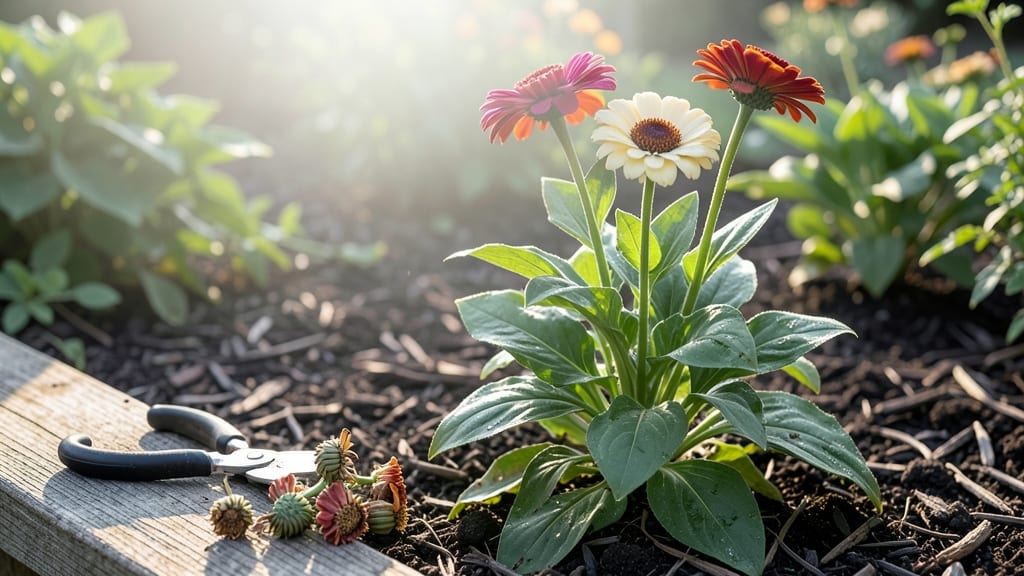
Deadheading spent blooms turns one-season flowers into year-long performers. 🌸 I used to think pruning meant cutting everything back, but deadheading is the secret to keeping my garden vibrant from spring to frost—it’s the difference between a handful of blooms and a nonstop floral show.
The key is timing and technique: snip just above a leaf or bud, never below, and do it right after flowers fade. My zinnias now bloom for three months straight instead of two weeks, and my roses stay bushier with fewer gaps.
The right tools—a sharp pair of pruners or clean scissors—make all the difference.
You’ll see new buds forming within days, and plants that would normally fade in summer keep going strong. The trick is consistency: check your garden every few days, especially for annuals like petunias or marigolds, which reward quick action with even more flowers.
Works for everything from annuals to perennials, and even some shrubs—just avoid deadheading on plants that save energy for seeds, like coneflowers or black-eyed Susans. Let’s get those blooms lasting longer than ever before.
📚 In This Guide
- What you need
- Instructions
- Tips and common mistakes
- Wrapping up and next steps
What you need
- ● Pruning shears – Choose bypass pruners (sharp, clean blades) for precision cuts. Bypass is ideal for flowers; avoid anvil shears (crush stems). Quantity: 1 pair.
- ● Garden gloves – Opt for nitrile-coated or leather gloves (size M/L) to protect hands from thorns and dirt. Quantity: 1 pair.
- ● Disinfectant (70% isopropyl alcohol or hydrogen peroxide) – 3–5 oz to sterilize shears between cuts and prevent disease spread.
- ● Trash bag or bucket – A 13-gallon bag or 5-gallon bucket for collecting spent blooms and debris.
- ○ Garden kneeler/pad – Optional but helpful for comfort during long sessions (look for foldable silicone pads).
- ● Hand pruners (for small blooms) – Compact, ergonomic models for delicate flowers like roses or petunias.
- ● Compost bin or bin liner – If you plan to compost spent blooms (avoid diseased plants).
- ● Magnifying glass – For spotting tiny blooms or intricate cuts on small flowers.
- ● Sunscreen & hat – Because even gardeners need SPF! 😎
Deadheading made simple: the right way to extend your flowers
Here's how to keep your garden in full bloom all season—no fancy tools required.
🌿 Step 1: Identify Spent Blooms and the Right Time to Deadhead
Start by scanning your plants for blooms that have faded completely—petals may turn brown or the flower head might droop. The perfect time to deadhead is right after the petals fall, but before seed pods form. If you wait too long, the plant will redirect energy into seed production instead of new flowers.
I always check my plants first thing in the morning when blooms are at their freshest. You'll notice some flowers close overnight, which makes it easier to spot the ones that need attention. For annuals like zinnias or petunias, deadheading every few days keeps them flowering nonstop.
For perennials like coneflowers or black-eyed Susans, I wait until the flower head is fully browned and crispy. This tells me the plant has finished with that bloom and is ready to put energy into next year's growth.
✂️ Step 2: Choose Your Deadheading Method
There are three main ways to deadhead, and the right method depends on your plant type. For most annuals and many perennials, simply pinch or snip off the faded bloom just above a set of healthy leaves or buds. This encourages the plant to produce more flowers from that growth point.
For plants with long stems like snapdragons or delphiniums, I use clean pruning shears to cut the stem back to a leaf node. Always make cuts at a 45-degree angle just above a leaf or bud to prevent water from pooling on the stem, which can cause rot.
For flowering shrubs like roses or hydrangeas, I remove the entire spent flower head down to the first set of five leaflets. This keeps the plant's energy focused on new growth rather than seed production. I never cut into old wood—just the current season's growth.
🌱 Step 3: Maintain Clean Tools and Proper Technique
Before you start deadheading, sharpen your pruners or shears with a fine file to make clean cuts. Dull tools crush stems and invite disease. I also wipe them down with rubbing alcohol between plants to prevent spreading any potential pathogens.
Work from the outside of the plant moving inward. This keeps the center of the plant open and airy, which reduces humidity and fungal issues. You'll see a noticeable difference in plant health after just a few sessions—leaves will look greener and stems will stand straighter.
Never pull or tear blooms off by hand unless the plant is very small. Rough handling can damage stems and leave ragged cuts that heal poorly. If you're unsure about a particular plant, I recommend checking a gardening reference or doing a quick online search to confirm the best deadheading method.
☀️ Step 4: Encourage New Growth with Proper Aftercare
After deadheading, give your plants a light drink of water to help them recover. Focus on watering at the base rather than overhead to prevent fungal spores from splashing onto fresh cuts. You'll often see new buds forming within a week—that's your reward for proper deadheading!
For container-grown plants, I make sure to remove any fallen petals or debris from the pot. This keeps the plant looking tidy and prevents mold from developing in the soil. A quick shake over a trash bag or compost pile keeps your workspace clean too.
Finally, feed your plants with a balanced liquid fertilizer every 4-6 weeks after deadheading. This gives them the nutrients they need to produce more blooms. I always dilute the fertilizer to half strength—plants recover from deadheading faster when they're not overwhelmed with salts.
Tips & tricks for perfect flower pruning
Here's what nobody tells you about keeping your garden looking its best all season long.
Timing is Everything: The morning after a rain shower is actually the best time to deadhead your flowers. The dew helps keep your tools clean and the plants hydrated, making the process easier on both you and your garden. I've noticed that plants recover faster when they're already slightly damp from morning dew, so try to schedule your deadheading sessions for early morning whenever possible.
Tool Selection Matters: For delicate flowers like petunias or geraniums, I've found that using clean, sharp fingernails works just as well as pruners. The key is to make clean cuts rather than tearing the stems. For larger plants or when dealing with multiple stems, invest in a small pair of bypass pruners—they make quick work of the job and give you more control than regular shears. Always clean your tools with rubbing alcohol between plants to prevent spreading disease.
Visual Cues for Perfect Cuts: When cutting back stems, look for the first set of healthy leaves or buds below the spent bloom. This is your target cutting point—it's where new growth will emerge. For woody plants like roses, aim to cut just above an outward-facing bud. This encourages the plant to grow outward rather than inward, creating a fuller, more balanced shape. A quick way to remember this is to imagine you're cutting at a point where you can see sunlight reaching that spot.
Seasonal Adjustments: During the hottest months of summer, reduce your deadheading frequency to every 3-4 days instead of daily. Plants need time to recover from both the pruning and the heat stress. In cooler months, you can increase frequency to every 2 days if you're seeing rapid bloom production. Always monitor your plants' response—they'll tell you when they're ready for more attention through new bud formation.
Pro Tips for Deadhead Spent Blooms
- Here's what nobody tells you about keeping your garden looking its best all season long.
- Timing is Everything: The morning after a rain shower is actually the best time to deadhead your flowers.
- Tool Selection Matters: For delicate flowers like petunias or geraniums, I've found that using clean, sharp fingernails works just as well as pruners.
Frequently asked questions
Got questions about deadheading spent blooms?
You’re not alone! Here are answers to the most common queries to help you keep your garden thriving with vibrant, long-lasting flowers.
Why is deadheading important for my plants?
Deadheading redirects a plant’s energy from seed production to growing more flowers! Without it, many plants—like roses, zinnias, or petunias—will focus on forming seeds instead of blooming. This keeps your garden colorful and encourages second flushes of flowers all season long.
When is the best time to deadhead?
Deadhead right after a bloom fades but before it forms seeds. For annuals (like marigolds), do it weekly. For perennials (like coneflowers), wait until the flower head turns brown. Pro tip: Morning is ideal—plants recover faster from pruning in cooler temps.
How do I deadhead without harming my plant?
Use clean, sharp pruners or fingers to pinch off spent blooms just above a leaf node (where new growth emerges). Avoid cutting into woody stems—stick to soft growth. For delicate flowers (like snapdragons), gently twist the stem to remove it without tearing.
What if my plant stops blooming after deadheading?
Some plants need a break! Over-pruning or stress can slow growth. Check for pests, underwatering, or nutrient deficiencies. If the issue persists, reduce deadheading frequency or fertilize with a low-nitrogen, high-phosphorus formula to boost blooms.
Are there any plants I shouldn’t deadhead?
Yes! Skip deadheading for plants that rely on seed heads for winter interest (like black-eyed Susans) or those that bloom on old wood (e.g., lilacs or hydrangeas). Also, avoid deadheading after the first frost—let some blooms go to seed for next year’s garden!
Wrapping up and next steps
Deadheading spent blooms isn’t just about tidying up your garden—it’s a simple, rewarding way to boost flower power and keep your plants thriving all season long. 🌸 By mastering this easy technique, you’ll enjoy longer blooms, healthier plants, and a showstopping garden that keeps giving back.
Ready to put your new skills into action? Grab your pruners and start clipping today!
🌿 Next Steps for a Blooming Success:
- Pick one plant this week and give deadheading a try.
- Observe how it responds—you’ll be amazed at the difference!
- Share your progress with fellow gardeners for extra motivation!