
Blooming
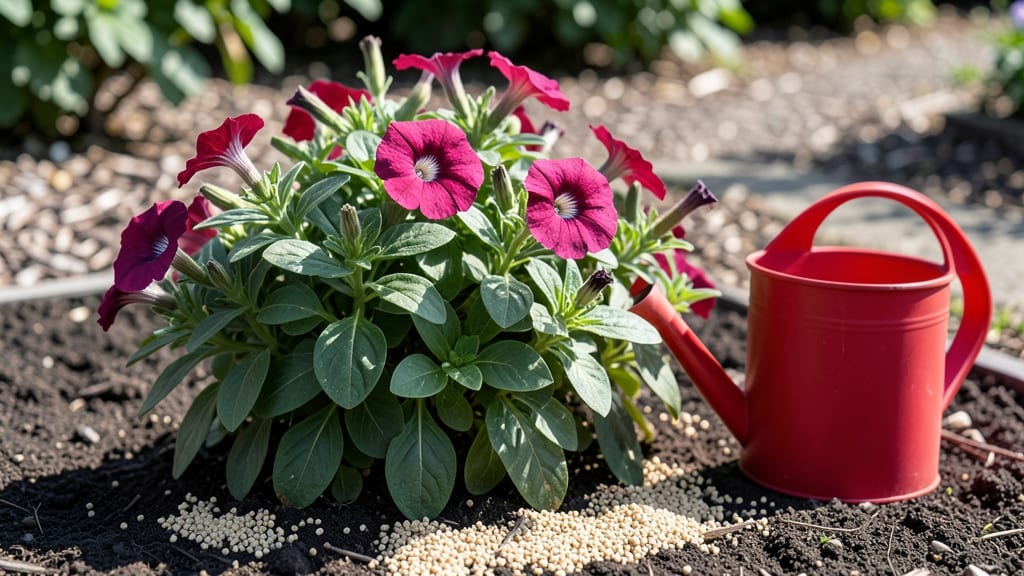
Your petunias could be covered in blooms right now—if you knew the secret. ✨ Deadheading daily isn't just a tip; it's the game-changer that turns sparse flowers into nonstop color. I've watched leggy, underperforming plants transform into vibrant displays just by spending 5 minutes a day snipping spent blooms.
The right sunlight, watering rhythm, and a quick phosphorus boost make all the difference. Most gardeners overwater or underfeed, which leads to those sad, sparse stems. But once you master these simple steps, your petunias will reward you with weeks of continuous blooms that neighbors will envy.
You'll learn exactly when to prune for bushier growth, how to spot nutrient deficiencies before they happen, and why morning watering keeps roots healthy. The results? Petunias that look like they cost $50 a pot instead of $5. Works for both container petunias and in-ground plantings.
Let's get those blooms popping!
📚 In This Guide
- What you need
- Instructions
- Tips and common mistakes
- Wrapping up and next steps
What you need
- ● Petunia plants: Healthy, mature petunias (grandiflora, multiflora, or trailing varieties work best). Aim for at least 3-5 plants for a vibrant display.
- ● Pruning shears or sharp scissors: Clean, sterilized tools (rubbing alcohol works!) to avoid spreading disease. Bypass pruners (4-6" blades) are ideal.
- ● Gloves: Lightweight gardening gloves to protect your hands from thorns or dirt.
- ● Watering can or hose with a gentle nozzle: 1-2 gallons of water per plant during peak blooming season (early morning watering is best!).
- ● Balanced fertilizer (10-10-10 or 20-20-20): Slow-release granules or liquid feed. Follow package rates (typically 1 tbsp per gallon of water for liquid).
- ● Compost or organic mulch: 2-3 inches of well-aged compost or shredded bark to retain moisture and nutrients.
- ● Sunlight access: 6+ hours of direct sun daily (petunias thrive in full sun!).
- ● Deadheading tool kit: A small handheld deadheading tool (like a "bloom snip") for quick, precise cuts.
- ● Epsom salt: 1 tbsp per gallon of water (monthly) to boost magnesium for vibrant blooms.
- ● Slow-release bloom booster: Products like Miracle-Gro Bloom Booster for an extra color kick.
- ● Support stakes or cages: For trailing petunias (e.g., 6-12" tall stakes or tomato cages).
- ● Rain gauge or moisture meter: To monitor soil hydration—petunias hate soggy roots!
Step-by-Step instructions for encouraging petunia blooms
Here’s how I coax nonstop blooms from petunias—no fancy tricks, just proven techniques.
🌿 Step 1: Prune for Airflow and Light Penetration
Petunias bloom best when they receive strong, even light and airflow. Start by examining each plant for leggy stems or overcrowded growth. Using clean, sharp pruning shears, trim back any stems that have lost their lower leaves or are growing too tall and sparse. Cut just above a leaf node or bud to encourage branching.
This isn’t about drastic pruning—think of it as giving your petunias a haircut to shape their growth. Focus on the outer stems first. You’ll notice new side shoots forming within a week, which means more flowers ahead. Avoid cutting into woody stems; petunias thrive on fresh, green growth.
✂️ Step 2: Deadhead Daily for Continuous Blooms
Deadheading is the secret weapon for petunias. Every morning, scan each flower cluster and pinch off spent blooms with your fingers or a small pair of scissors. The goal is to remove the entire flower stem down to the first set of leaves or the main stem. This prevents the plant from wasting energy on seed production.
I do this even when flowers look fresh—if a bloom starts wilting at the edges, it’s time to go. You’ll see a surge of new buds forming within 3-5 days of consistent deadheading. Petunias are heavy producers, so they’ll reward your effort with a cascade of color if you stay on top of it.
☀️ Step 3: Optimize Sunlight and Watering
Petunias crave 6-8 hours of direct sunlight daily, but they’ll also tolerate partial shade—though fewer blooms will result. If your plants are in a shadier spot, rotate the pots quarter-turn weekly so all sides get equal exposure. You’ll notice leaves growing toward the light; this is a sign to adjust their position.
Water deeply once or twice weekly, ensuring the soil dries out slightly between waterings. Overwatering leads to root rot, while underwatering causes buds to drop. Check the soil 1 inch below the surface—if it’s dry, it’s time to water. Use a watering can with a gentle spray to avoid disturbing the blooms.
🌱 Step 4: Fertilize for Lush Growth and Vibrant Color
Feed petunias every 2-3 weeks with a balanced, water-soluble fertilizer (10-10-10 or 20-20-20). Dilute it to half-strength to avoid burning the roots. I like to fertilize right after deadheading to give the plant a boost for its next flush of blooms. Look for dark green leaves and sturdy stems—this is your cue that the fertilizer is working.
Avoid high-nitrogen fertilizers, which promote leafy growth at the expense of flowers. Instead, opt for a bloom booster with higher phosphorus content. You’ll see richer colors and fuller blooms within 10-14 days of consistent feeding. Always water the soil before applying fertilizer to prevent root burn.
🪴 Step 5: Monitor for Pests and Adjust Care
Petunias attract aphids, spider mites, and whiteflies, which can stunt growth and reduce blooms. Inspect the undersides of leaves weekly for tiny webs or clusters of insects. If you spot pests, blast them off with a strong stream of water or treat with neem oil. Repeat applications every 5-7 days until the infestation clears.
Yellowing leaves often signal overwatering or nutrient deficiency. If the problem persists, repot the plant into fresh, well-draining soil and adjust your watering schedule. Petunias are forgiving, but they’ll let you know when something’s off—usually through fewer blooms or drooping stems. Stay vigilant, and your petunias will keep performing all season long.
Tips & tricks for encouraging petunia blooms
Here's what nobody tells you about keeping petunias blooming like they're in a professional garden display.
Pruning Precision: When shaping your petunias in Step 1, focus on removing only the stems that have lost their lower leaves or are growing too leggy. This targeted approach encourages branching without shocking the plant. I've found that cutting just above a leaf node or bud creates the perfect signal for new growth—within a week, you'll see those side shoots forming that lead to more flowers. The key is patience; avoid cutting into woody stems as they won't regenerate new growth.
Deadheading Discipline: In Step 2, the 3-5 day window for new buds to form is your reward for consistency. I've learned the hard way that skipping even one day of deadheading can lead to a noticeable drop in blooms. Pro tip: Use a small pair of clean scissors or your fingers to pinch off spent blooms down to the first set of leaves. This prevents energy waste on seed production and keeps your petunias focused on producing more flowers. The morning is the best time to do this as you'll catch any overnight wilting.
Light Rotation Strategy: For petunias that aren't getting their ideal 6-8 hours of direct sunlight, the quarter-turn weekly rotation in Step 3 makes all the difference. This ensures even growth and prevents the plant from leaning toward the light source. I've noticed that plants in partial shade benefit most from this adjustment—it can double your bloom production in just a few weeks. The visual cue of leaves growing toward the light is your signal to rotate sooner rather than later.
Fertilizer Timing: The 2-3 week feeding schedule in Step 4 works best when you fertilize immediately after deadheading. This timing gives your petunias the nutrients they need right when they're ready to produce new blooms. I've found that using a bloom booster with higher phosphorus content—like a 10-30-20 formula—produces noticeably richer colors and fuller blooms within those 10-14 days. Always dilute to half-strength to avoid burning those delicate roots.
Pro Tips for Make Petunias Bloom
- Here's what nobody tells you about keeping petunias blooming like they're in a professional garden display.
- Pruning Precision: When shaping your petunias in Step 1, focus on removing only the stems that have lost their lower leaves or are growing too leggy.
- Deadheading Discipline: In Step 2, the 3-5 day window for new buds to form is your reward for consistency.
Frequently asked questions
Got questions about keeping your petunias in full bloom? You’re not alone—gardeners everywhere want those vibrant flowers to last! Here are answers to the most common queries to help you troubleshoot and maximize your petunias’ beauty.
Why aren’t my petunias blooming even after deadheading?
If your petunias are still holding back on blooms, check their light and nutrients. Petunias need 6+ hours of direct sunlight daily—if they’re shaded, they’ll focus on foliage instead. Also, over-fertilizing with high-nitrogen (like lawn fertilizer) encourages leaves over flowers. Switch to a balanced bloom booster (10-10-10 or 20-20-20) and watch them perk up!
How long does it take for petunias to bloom after planting?
With ideal conditions (sun, water, and proper care), petunias typically start blooming 6–8 weeks after planting. Seed-started petunias may take slightly longer (8–10 weeks), while nursery-bought plants often reward you with flowers within 4–6 weeks. Patience is key! If they’re slow, pinch back leggy stems to encourage bushier growth and more blooms.
Can petunias bloom in hot or cold weather?
Petunias thrive in warm weather (60–75°F) and may slow bloom in extreme heat (above 85°F) or cold (below 50°F). To help them cope:
- Hot weather: Provide afternoon shade and mulch to retain moisture.
- Cool weather: Use a lightweight frost cloth at night if temps dip below 40°F.
What should I do if my petunias stop blooming mid-season?
Sudden bloom cessation often signals stress. Check for:
- Underwatering (wilting leaves) or overwatering (yellowing, mushy stems).
- Pests like aphids or spider mites sucking sap (spray with neem oil).
- Disease (e.g., powdery mildew)—remove affected leaves and improve airflow.
Are there petunia alternatives that bloom just as easily?
If petunias seem high-maintenance, try these low-fuss, high-bloom alternatives:
Plant
Care Level
Bloom Duration
Impatiens
Easy (shade-tolerant)
Summer to frost
Zinnias
Moderate (full sun)
All summer (cut-and-come-again)
Geraniums (Pelargoniums)
Easy (drought-tolerant)
Spring to fall
Marigolds
Very easy (pest-repellent)
Summer to frost
Wrapping up and next steps
With just a little effort, you can transform your petunias into a nonstop blooming extravaganza! 🌸 The secret? Deadheading daily—removing spent flowers keeps energy flowing to new buds, while proper sunlight, water, and soil prep set the stage for success.
Don’t let perfection hold you back; even small steps like pruning and fertilizing will make a difference.
Now that you’re armed with the know-how, grab those shears and get growing! 🌱 Start with one plant or a whole garden—every bloom you coax to life is a victory. Happy gardening, and enjoy the vibrant, colorful show you’ve earned!