
Blooming
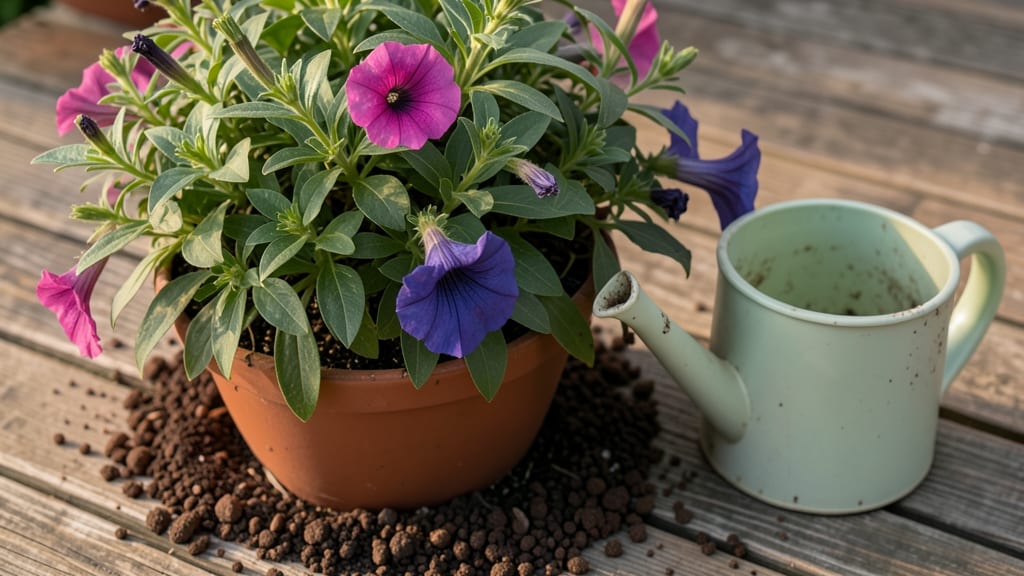
Here’s how to keep petunias blooming—and trust me, it’s easier than you’d expect: just snip off those spent flowers daily. ✨ I’ve watched my petunias go from a few sad blooms to a nonstop cascade of color—and it all comes down to this one simple habit.
The secret isn’t complicated: snip off spent blooms before they set seed, and your plants will reward you with fresh flowers every 2-3 weeks all season long.
Here’s the thing—petunias want to bloom. They just need a little encouragement. You’ll need sharp pruners (or even clean scissors), bright morning sun, and a consistent watering routine. Most people overlook fertilizing, but a balanced liquid feed every 2 weeks keeps them thriving.
The payoff? A bush that looks like it’s covered in confetti instead of wilting stems.
By mid-summer, your petunias will be so packed with blooms you’ll forget they’re annuals. The key is staying ahead of the dead flowers—even just 5 minutes a day makes a world of difference.
And if you’re dealing with leggy plants? A light trim back encourages bushier growth and even more flowers.
Works for hanging baskets, window boxes, or garden beds—just adjust your pruning style. The only rule? Never skip the deadheading. Your petunias will thank you with bold, vibrant blooms until frost.
📚 In This Guide
- What you need
- Instructions
- Tips and common mistakes
- Wrapping up and next steps
What you need
- ● Petunia plants – Choose healthy, disease-resistant varieties (e.g., 'Wave,' 'Supertunia,' or 'Mitchell'). Start with 3–5 plants per 1 sq ft for a lush display.
- ● Well-draining potting mix – 10–15 lbs (for containers) or blend 2 parts garden soil + 1 part perlite/vermiculite for in-ground planting.
- ○ Balanced fertilizer – 10-10-10 or 20-20-20 NPK, 1–2 tbsp per plant (or follow label instructions). Optional: Slow-release granules for convenience.
- ● Pruning shears or clean scissors – Sharp, sterilized tools (rubbing alcohol wipe between cuts). Avoid dull blades—they crush stems!
- ● Watering can or hose with a gentle nozzle – 1–2 gallons per plant during dry spells (early morning is best).
- ○ Mulch (optional but helpful) – 2–3 inches of shredded bark or straw to retain moisture and deter weeds.
- ● Gloves – Protect your hands from thorns (yes, some petunias have them!) and dirt.
- ● pH test kit – Petunias thrive in 6.0–7.0 pH. Adjust soil with lime (to raise pH) or sulfur (to lower) if needed.
- ● Staking or cages – For trailing varieties (e.g., 'Wave'), use 1–2 stakes per plant or tomato cages for support.
- ● Compost or worm castings – 1 cup per plant every 4–6 weeks for organic nutrients.
- ● Epsom salt (magnesium sulfate) – 1 tbsp per gallon of water monthly if leaves yellow (magnesium deficiency).
- ● Neem oil or insecticidal soap – For preventative care against aphids, spider mites, or whiteflies.
Step-by-Step guide to keep petunias blooming all season
Here's the secret to petunias that never quit—it's all about timing and a little daily care.
🌿 Step 1: Deadhead Flowers Daily
Petunias bloom nonstop when you remove spent flowers immediately. The second a bloom fades or wilts, pinch it off with your thumb and forefinger right at the base. This prevents seed formation, which saps energy from new blooms. I check my plants every morning—it takes just 5 minutes for a cluster of 4 plants.
Look for blooms with drooping petals or brown edges. These are ready to go. If you wait until the flower fully dies, the plant diverts energy to seed production instead of making new buds. You'll see fresh buds forming within 24 hours of consistent deadheading.
✂️ Step 2: Prune Leggy Growth Weekly
When petunia stems grow too tall and leggy, they focus energy on height instead of blooms. Pinch back the tips of stems that exceed 12 inches using clean, sharp scissors. Cut just above a leaf node where new growth will emerge. This encourages bushier plants with more flower-producing branches.
Real talk: leggy growth usually means your petunias need more light. If they're in partial shade, move them to 6+ hours of direct sun. You'll notice stronger stems and more blooms within a week of proper pruning and light exposure.
💧 Step 3: Water Deeply at Soil Level
Petunias hate wet leaves, which can cause fungal diseases. Water at the base of the plant in the morning so foliage has all day to dry. Aim for 1 inch of water per week, delivered in 2-3 deep waterings rather than frequent shallow ones. This encourages strong root growth that supports more blooms.
Check soil moisture by sticking your finger 1 inch deep. If it feels dry, it's time to water. Overwatering leads to root rot, which weakens plants and reduces flowering. You'll know your watering is right when the soil looks damp but not soggy.
☀️ Step 4: Feed Every 2 Weeks With Bloom Booster
Use a balanced liquid fertilizer (10-10-10 or 20-20-20) diluted to half strength every 2 weeks during the growing season. This provides the nutrients petunias need to produce abundant blooms. I mix it into my watering can and apply it in the morning so the plants absorb it before the heat of the day.
Stop fertilizing in late summer to allow plants to prepare for winter. Over-fertilizing late in the season leads to lush foliage but fewer flowers. You'll see the difference in bloom quantity within a week of consistent feeding.
🌱 Step 5: Protect From Pests and Disease
Inspect plants weekly for aphids, spider mites, or whiteflies. These pests suck plant juices, weakening blooms. Spray affected areas with neem oil solution (1 tablespoon per quart of water) or use insecticidal soap. I treat my plants every 7-10 days as a preventive measure during peak pest seasons.
Remove any yellowing or diseased leaves immediately. Place them in a sealed bag and dispose of them away from your garden to prevent spread. Healthy foliage equals more energy for blooming. You'll maintain vibrant petunias all season with this simple pest management routine.
Tips & tricks for nonstop petunia blooms
Small adjustments make a world of difference—here's how to maximize your petunias' natural beauty without extra effort.
Timing is Everything: The 5-minute daily deadheading in Step 1 works best when done consistently at the same time each morning. I've found that starting right after sunrise gives plants the full day to develop new buds before evening heat. This morning routine also helps you spot pests early—just look for tiny webs or sticky residue on leaves while you're deadheading.
Pruning Precision: When you reach the 12-inch mark in Step 2, make your cuts just above a leaf node where new growth emerges. This might seem fussy, but it's the difference between bushy plants and leggy stems. I keep a small pair of scissors dedicated just to petunias so they're always sharp and ready. The key is to cut at a 45-degree angle to prevent water from pooling on the stem.
Watering Wisdom: The 1-inch weekly watering guideline in Step 3 assumes average rainfall. In my dry climate, I actually water every other morning for about 10 minutes per plant using a soaker hose. The goal is to keep the soil evenly moist but never soggy—think of it like a damp sponge, not a wet towel. This prevents the root rot that can silently kill your plants.
Fertilizer Frequency: The 2-week feeding schedule in Step 4 works perfectly when you time it right. I fertilize right after a deep watering session so the nutrients get absorbed immediately. In late summer, I switch to a lower-nitrogen bloom booster to prevent leafy growth at the expense of flowers. You'll know it's working when you see fresh buds forming within days of application.
Pro Tips for Keep Petunias Blooming
- Small adjustments make a world of difference—here's how to maximize your petunias' natural beauty without extra effort.
- Timing is Everything: The 5-minute daily deadheading in Step 1 works best when done consistently at the same time each morning.
- Pruning Precision: When you reach the 12-inch mark in Step 2, make your cuts just above a leaf node where new growth emerges.
Frequently asked questions
about keeping petunias blooming—because even the most vibrant flowers need a little extra TLC!How often should I deadhead petunias for continuous blooms?
Deadhead petunias daily (or at least every 2–3 days) during peak bloom season to encourage nonstop flowers. Remove spent blooms by pinching them off with your fingers or snipping with clean scissors just above a set of leaves. Pro tip: Morning deadheading gives your plants the best start to the day!
Can petunias bloom all summer long, or will they fade eventually?
With proper care—like deadheading, consistent watering, and fertilizing—petunias can bloom from early summer until the first frost! However, extreme heat, drought, or pests may cause temporary slowdowns. Solution: Mulch to retain moisture and provide afternoon shade in scorching climates.
What if my petunias stop blooming despite deadheading?
If blooms taper off, check for these issues:
- Overcrowding: Thin plants if they’re too dense (aim for 6–12 inches apart).
- Nutrient deficiency: Feed with a balanced low-nitrogen fertilizer (like 5-10-5) every 2–3 weeks.
- Pests/disease: Inspect for aphids, spider mites, or fungal spots. Treat with neem oil or insecticidal soap if needed.
If the problem persists, your petunias may be leggy—time to prune back by 1/3 to encourage bushier growth!
Are there petunia varieties that bloom longer than others?
Yes! Grandiflora and Multiflora varieties (like ‘Wave’ or ‘Supertunia’) are known for their prolific, long-lasting blooms. For heat tolerance, try Surfinia petunias—they thrive in hotter climates and keep flowering until frost. Bonus: Trailing types add vertical interest to containers!
What’s the best way to revive petunias that look wilted or stressed?
Revive wilted petunias with these steps:
- Water deeply at the base (avoid overhead watering to prevent disease).
- Trim back 1/3 of the plant to reduce stress and encourage new growth.
- Move to partial shade if in a scorching spot (full sun can be too intense midday).
- Fertilize lightly with a water-soluble bloom booster (like 10-30-20).
Most petunias bounce back in 3–7 days with proper care!
Wrapping up and next steps
Keeping your petunias blooming is all about consistent care—deadheading, proper sunlight, and balanced feeding. With these simple steps, you’ll enjoy nonstop color all season long! 🌸
Now that you’re armed with the know-how, grab those shears and start deadheading today. Your petunias will thank you with vibrant, long-lasting blooms—and so will your garden’s curb appeal! 🌿