
Blooming
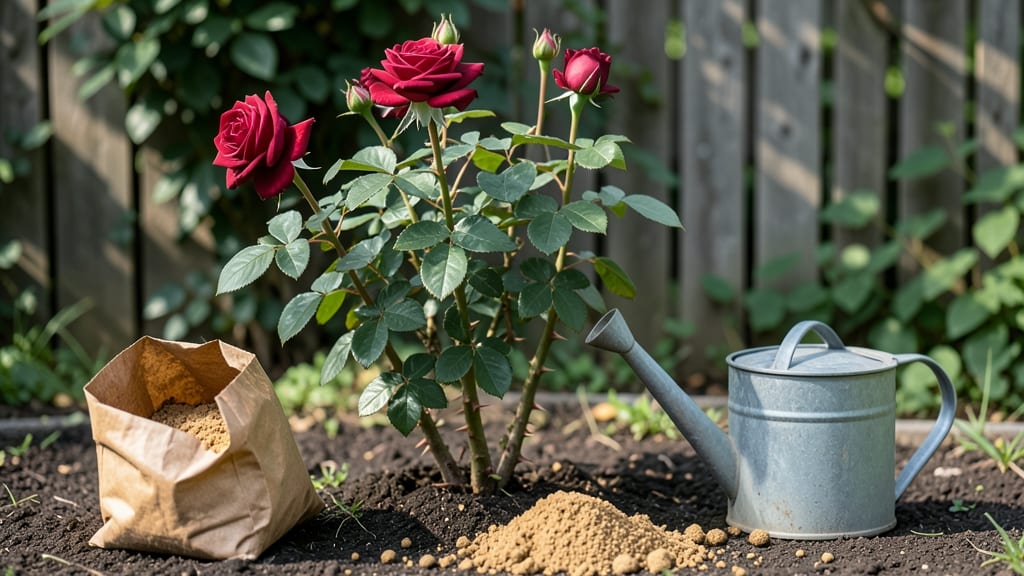
Your rose bush can produce hundreds of blooms this season with just three key adjustments—pruning, feeding, and watering. ✨ I’ve watched my once-sparse bushes explode into color after mastering these simple steps, and the secret isn’t complicated: roses bloom best when they’re encouraged to focus energy on flowers, not just leaves or stems.
The biggest mistake? Pruning at the wrong time or cutting too aggressively. Most roses need a late winter or early spring trim to remove dead wood and shape the plant, but the real trick is knowing where to cut—just above an outward-facing bud to promote new growth.
Pair that with a balanced fertilizer (high in phosphorus for blooms) and deep watering at the roots, not the leaves, and you’ll see the difference within weeks.
By summer, you’ll be harvesting dozens of blooms instead of a handful, with flowers lasting longer and reblooming reliably. The key is consistency: feed every 4-6 weeks, water deeply but infrequently, and deadhead spent blooms to redirect energy.
Even my black thumb roses now put on a show that makes neighbors ask for cuttings.
Works for hybrid teas, floribundas, and shrub roses alike—just adjust timing slightly for your climate. Let’s get those blooms going!
📚 In This Guide
- What you need
- Instructions
- Tips and common mistakes
- Wrapping up and next steps
What you need
- ● Pruning shears or bypass pruners: Sharp, clean, and disinfected (70% isopropyl alcohol works great). Avoid dull tools—they crush stems instead of cutting cleanly.
- ● Gloves: Heavy-duty gardening gloves (nitrile-coated for durability) to protect against thorns and dirt.
- ○ Balanced fertilizer: A 10-10-10 or 20-20-20 NPK ratio (e.g., Miracle-Gro or Dr. Earth). Optional: Slow-release granules for convenience.
- ● Compost or organic matter: 2–3 gallons of well-aged compost or worm castings to enrich the soil.
- ● Watering can or hose with a gentle nozzle: Aim for 1–1.5 gallons per plant during dry spells.
- ● Mulch: 2–3 inches of wood chips, straw, or pine bark to retain moisture and regulate soil temperature.
- ● pH test kit: Roses thrive in slightly acidic soil (6.0–6.5). Adjust with lime (to raise pH) or sulfur (to lower it) if needed.
- ● Epsom salt (magnesium sulfate): 1 tablespoon per gallon of water (monthly spray for green, healthy foliage).
- ● Rose-specific fertilizer: Look for formulas with high phosphorus (e.g., 5-10-5) to boost blooms.
- ● Copper fungicide: Prevents black spot and powdery mildew (spray proactively during humid seasons).
- ● Drip irrigation system: Automates watering for consistent moisture (great for large gardens!).
- ● Plant supports (stakes or cages):strong> For climbing or rambling roses to keep them upright and tidy.
Step-by-Step guide to pruning, feeding, and watering for nonstop rose blooms
Here's the method I've used for years to turn struggling rose bushes into blooming powerhouses.
✂️ Step 1: Prune for Strong Growth and Airflow
Start pruning in late winter or early spring before new growth begins. Use clean, sharp pruners to make 45-degree cuts about ¼ inch above an outward-facing bud. This encourages new growth to spread outward rather than inward, which improves airflow and reduces disease.
Remove any dead, diseased, or crossing branches first—they sap energy from your plant. Cut back last year's blooms to just above a set of five leaflets (this is where new flower buds form). I always prune on a dry day to prevent bacteria from spreading through fresh cuts.
💧 Step 2: Water Deeply and Consistently
Roses need 1-2 inches of water per week, delivered deeply at the base rather than lightly on the leaves. Water in the early morning to reduce evaporation and fungal risks. You'll know you're doing it right when the top 6 inches of soil stay moist but not soggy.
Use a soaker hose or drip irrigation to keep water at the roots. Avoid overhead watering—it encourages powdery mildew. If your soil drains poorly, add 2-3 inches of organic mulch (like shredded bark) to retain moisture and regulate soil temperature.
🌿 Step 3: Feed with Balanced Fertilizer
Apply a balanced rose fertilizer (like 10-10-10) every 4-6 weeks starting in early spring. Follow the package instructions for dosage—over-fertilizing burns roots. I like to mix in compost or worm castings for extra nutrients and microbial activity.
For extra blooms, switch to a higher-phosphorus fertilizer (like 5-10-5) when buds form in late spring. This boosts flowering without excessive foliage. Stop fertilizing by mid-summer to let the plant focus on blooming rather than new growth.
☀️ Step 4: Provide Full Sun and Deadhead Regularly
Roses thrive in full sun (6+ hours daily). If your bush isn't blooming, it might need more light. Trim nearby trees or shrubs that cast shade. You'll see a difference within weeks—more buds, brighter blooms, and stronger stems.
Deadhead spent blooms immediately by cutting just above a set of five leaflets. This redirects energy to new flowers instead of seed production. I check my roses every 3-4 days during peak bloom season to keep them looking their best.
⏰ Step 5: Monitor and Adjust Through the Season
Watch for yellowing leaves (often a sign of overwatering or nutrient deficiency) or dropping buds (usually from inconsistent watering). Adjust your routine based on what you see—more sun, less water, or a mid-season fertilizer boost can make all the difference.
By late summer, reduce watering slightly to harden the plant for fall. In fall, apply a winterizing fertilizer (high in potassium) to strengthen roots for next year. With these steps, your roses will bloom nonstop from spring through fall.
Tips & tricks for nonstop rose blooms
Real talk: The difference between a rose bush that puts out a few sad blooms and one that explodes with color every season comes down to these details.
Pruning Precision: When you're making those 45-degree cuts in Step 1, focus on removing branches that cross each other—this isn't just about shaping, it's about preventing disease. I've seen roses with perfect cuts but tangled branches still struggling with mildew. Also, use a clean pruner for each cut to prevent spreading bacteria between branches. That ¼-inch above the bud matters because it's where new growth emerges—don't cut too close or you'll damage the bud.
Watering Wisdom: The 1-2 inches per week in Step 2 is a guideline, but the key is consistency. I've had roses drown from too much water at once, so break it into two sessions if needed—morning and evening. That top 6 inches of moist soil is your target, not soggy ground. A simple test: Stick your finger in—if it feels dry at 2 inches, it's time to water. Overhead watering is the #1 cause of powdery mildew, so invest in a soaker hose if you don't have one.
Fertilizer Strategy: Those 4-6 week intervals for balanced fertilizer are non-negotiable, but here's what nobody tells you: If your roses are leafy but not flowering, you're overdoing nitrogen. Switch to that higher-phosphorus fertilizer (5-10-5) when buds appear—it's like telling your plant, "Focus on flowers, not leaves." And stop fertilizing by mid-summer so the plant can set buds for next year's blooms. I've seen people keep feeding all summer and end up with beautiful foliage but no flowers.
Deadheading Discipline: That "every 3-4 days" in Step 4 might seem like overkill, but it makes all the difference. When you cut just above those five leaflets, you're not just cleaning up—you're telling the plant to redirect energy to new blooms. I set a phone reminder because I know I'll forget, and those missed days add up to fewer flowers. If you're overwhelmed, just do it when you notice spent blooms—better late than never.
Pro Tips for Make A Rose Bush Bloom
- Real talk: The difference between a rose bush that puts out a few sad blooms and one that explodes with color every season comes down to these details.
- Pruning Precision: When you're making those 45-degree cuts in Step 1, focus on removing branches that cross each other—this isn't just about shaping, it's about preventing disease.
- Watering Wisdom: The 1-2 inches per week in Step 2 is a guideline, but the key is consistency.
Frequently asked questions
Got questions about coaxing your rose bush into a stunning, blooming masterpiece? You’re not alone! Here are some of the most common concerns—and their solutions—to help you grow roses that steal the show.
Why isn’t my rose bush blooming even after pruning and fertilizing?
If your roses are still holding back, check these culprits first: overcrowded roots (dig up and divide clumps if needed), poor drainage (amend soil with compost or perlite), or pests/disease (inspect leaves for aphids, black spot, or powdery mildew). Roses also need 6+ hours of sunlight daily—shady spots = fewer blooms. Pro tip: Deadhead spent blooms religiously to encourage new growth!
When is the best time to prune roses for maximum blooms?
Timing matters! For spring-blooming roses (like hybrid teas), prune in late winter or early spring (just before buds swell). For repeat-blooming varieties, prune twice a year: once in early spring and again after the first flush of blooms in summer. Avoid pruning in fall—it stresses the plant before winter. Remember: Never prune when frost is forecast!
How often should I water a rose bush to keep it blooming?
Roses are thirsty but hate soggy roots! Water deeply 1–2 times per week (more in extreme heat or sandy soil), aiming for 1–1.5 inches of water per week. Use a drip irrigation system or soaker hose to deliver water at the base, avoiding wetting leaves (which invites fungal diseases). Morning watering is ideal—it gives foliage time to dry before evening humidity sets in.
Can I make an old, woody rose bush bloom again?
Rejuvenate a neglected or overgrown rose bush with a drastic pruning in late winter—cut back 1/3 to 1/2 of the oldest, thickest canes to the ground. Follow up with rich compost and a balanced fertilizer (like 10-10-10). Younger canes will sprout, and with proper care, your bush can bounce back with vibrant blooms in 2–3 months!
What’s the easiest way to encourage continuous blooms all season?
Combine these 3 power moves for nonstop color:
- Deadhead regularly—snip off spent blooms above a set of 5 leaves to redirect energy to new buds.
- Fertilize monthly with a rose-specific feed (high in phosphorus for blooms) or a compost tea for organic growth.
- Mulch heavily (3–4 inches of organic mulch) to retain moisture and cool roots.
Bonus: Spray with neem oil every 2 weeks to deter pests without harsh chemicals.
Wrapping up and next steps
With the right care—pruning like a pro, feeding with love, and watering wisely—your rose bush can burst into nonstop, vibrant blooms that’ll make your garden the envy of the neighborhood. 🌹✨ Remember, patience and consistency are key, but the effort is totally worth it!
Ready to see your hard work pay off? Grab your gardening gloves and start experimenting with these tips today—your roses will thank you with a dazzling display of color season after season!