
Blooming
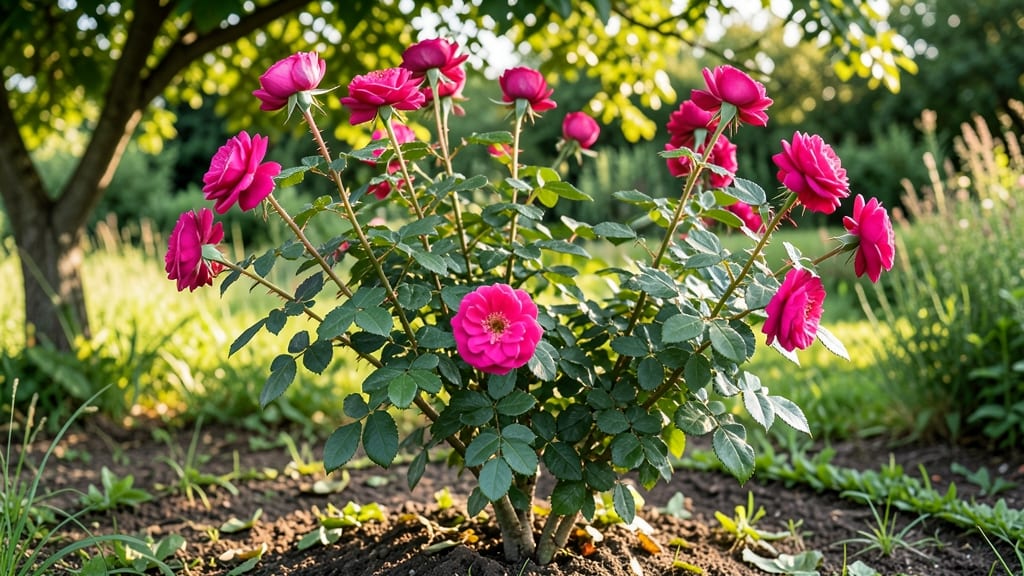
Your rose bush can bloom like a dream with just a few smart moves. ✨ The secret isn't complicated—it's about smart pruning, the right soil, and giving your roses what they truly need to thrive.
I've transformed my once-sparse rose bushes into fragrant, flower-filled powerhouses using these simple but effective techniques.
Start with well-draining soil mixed with compost—roses love their nutrients. Water deeply once a week (more in extreme heat) and make sure they get at least 6 hours of sunlight daily.
The key to year-round blooms? Prune strategically in early spring and deadhead spent flowers regularly. This keeps energy focused on new growth and flowers instead of seed production.
You'll notice the difference within weeks: lush green foliage, clusters of buds, and blooms that last longer. Even my black-thumb neighbors swear by this method—it's that foolproof. The fragrance alone makes it worth the effort, but the sight of those vibrant blooms? Pure garden magic.
Works for hybrid teas, floribundas, and even climbers. Here's how to keep them thriving through every season—no green thumb required.
📚 In This Guide
- What you need
- Instructions
- Tips and common mistakes
- Wrapping up and next steps
What you need
- ● Rose bush: Choose disease-resistant varieties (e.g., Knock Out®, David Austin English Roses) from a trusted nursery.
- ● High-quality potting soil or garden loam: 3–5 gallons, enriched with compost (20–30% organic matter).
- ● Slow-release fertilizer: 10–15-10 NPK ratio, 2–3 cups per bush (spring/fall).
- ● Mulch: 2–3 inches of wood chips or straw (retains moisture, suppresses weeds).
- ● Pruning shears: Bypass-type (sharp, clean cuts), disinfected with rubbing alcohol.
- ○ Watering can or hose with adjustable nozzle: Drip irrigation (optional but ideal for consistency).
- ● Gloves: Heavy-duty gardening gloves (protects from thorns and chemicals).
- ● Stakes or trellis: 5–6 ft tall (supports climbing roses).
- ● Rose food (liquid or granular): For monthly feeding during growing season.
- ● Fungicide (copper-based): Preventative spray (apply every 4–6 weeks).
- ○ Pruning sealant: Optional for large cuts (controversial—skip if unsure!).
- ○ Sunlight meter: Optional to confirm 6+ hours of direct sun per day.
- ● Sunlight: Full sun (6+ hours/day)—no compromises!
- ● Well-draining soil: Roses hate soggy roots. Amend clay soil with sand/compost.
- ● Space: 3–4 ft apart (allows airflow, reduces disease).
- ● Water access: Deep watering 1–2x/week (1–1.5 inches per week).
Instructions for year-round rose bush care with minimal pruning
Here's how to keep your roses blooming continuously while keeping maintenance simple and effective.
✂️ Step 1: Understand the Four-Season Pruning Cycle
Roses respond best to seasonal pruning rather than one heavy cut. Start in late winter (when buds swell but before new growth) by removing dead, crossing, or weak branches—these are easy to spot as they're brown, brittle, or growing inward. Use clean, sharp pruners to make cuts at a 45-degree angle just above an outward-facing bud.
In early spring, focus on shaping the bush by cutting back last year's blooms to just above a set of five healthy leaves. This encourages strong new growth. I always prune on a dry, overcast day to reduce stress on the plant and minimize disease entry points. Avoid pruning when roses are actively flowering unless removing spent blooms to encourage more buds.
☀️ Step 2: Optimize Light and Water for Continuous Blooms
Roses need full sun—at least 6-8 hours daily—for robust blooming. If your bush isn't flowering as expected, check for shade from trees or structures. I've found that morning sun with afternoon shade works well in hot climates, as it prevents leaf scorch while still providing enough light for blooms.
Water deeply twice weekly during dry spells, aiming for 1-1.5 inches per week. The key is consistency—roses hate moisture fluctuations. Water at the base (not overhead) to keep foliage dry, which prevents fungal diseases like black spot. You'll know you're doing it right when the soil feels damp 2-3 inches down but not soggy.
🌿 Step 3: Deadhead and Fertilize Strategically
Deadheading spent blooms weekly removes seed pods and redirects the plant's energy into producing more flowers. For hybrid teas and grandifloras, cut back to the first set of five leaves below the bloom. For shrub roses, a clean cut just above a bud is sufficient. I use sterilized pruners between cuts to avoid spreading disease.
Feed roses every 4-6 weeks during the growing season with a balanced rose fertilizer (10-10-10 or similar). In late summer, switch to a low-nitrogen, high-phosphorus formula to encourage fall blooms. Avoid fertilizing in winter—roses rest then. You'll see the difference in vibrant new growth and extended flowering within weeks.
⏰ Step 4: Winterize for Year-Round Success
As temperatures drop below 25°F, protect your roses with 4-6 inches of mulch around the base. I use shredded bark or straw, which insulates roots while allowing moisture to penetrate. For tender varieties, wrap the bush loosely with burlap or a rose cone to shield it from cold winds. Remove protection in early spring once new growth appears.
Prune lightly in late winter (as mentioned earlier) to remove any frost-damaged wood. This prevents disease from entering through dead tissue. I always check for bud swell—when you see plump, firm buds, it's time to prune. Avoid heavy pruning in winter, as it stimulates growth too early, which can be damaged by late frosts.
Tips & tricks for perfect year-round rose blooms
These garden-smart strategies will help your roses thrive with minimal effort while maximizing fragrance and beauty.
Pruning Precision: When shaping your rose bush in early spring, look for the strongest outward-facing buds when making your cuts. These buds will grow into the most vigorous branches. I've found that making cuts just above these buds at a 45-degree angle promotes better healing and growth. This technique also helps prevent disease by creating a natural shield over the cut.
Light Strategy: While roses need 6-8 hours of sun daily, I've noticed that morning sun with afternoon shade works wonders in hot climates. This prevents leaf scorch while still providing enough light for blooms. If your roses aren't flowering as expected, check for shade from nearby trees or structures that might be blocking sunlight during peak hours.
Watering Wisdom: The key to consistent blooming is consistent watering. Aim for 1-1.5 inches of water per week, delivered deeply at the base rather than lightly overhead. I've learned that watering in the morning allows foliage to dry quickly, reducing the risk of fungal diseases like black spot. Use your finger to check soil moisture—it should feel damp 2-3 inches down but not soggy.
Fertilizer Timing: When feeding your roses every 4-6 weeks, remember that timing matters just as much as the product. In late summer, switch to a low-nitrogen, high-phosphorus formula to encourage fall blooms. I've noticed that roses fertilized in winter don't respond well, as they're in their dormant period. The difference in vibrant growth and extended flowering is noticeable within just a few weeks of proper timing.
Pro Tips for Blooming Rose Bush
- These garden-smart strategies will help your roses thrive with minimal effort while maximizing fragrance and beauty.
- Pruning Precision: When shaping your rose bush in early spring, look for the strongest outward-facing buds when making your cuts.
- Light Strategy: While roses need 6-8 hours of sun daily, I've noticed that morning sun with afternoon shade works wonders in hot climates.
Frequently asked questions
Got questions about keeping your blooming rose bush lush and fragrant with minimal fuss? You’re not alone! Here are answers to the most common concerns—from pruning to pests—so you can enjoy those gorgeous blooms all year long.
When is the best time to prune a blooming rose bush?
Prune your blooming rose bush right after the first flush of flowers fades in early spring (March–April) or again lightly after summer blooms (July–August). Avoid heavy pruning in fall—it can stimulate tender new growth that won’t survive winter. Pro tip: Use clean, sharp shears to cut at a 45° angle just above an outward-facing bud!
How do I protect my rose bush in winter?
Most roses thrive with minimal winter care, but tender varieties (like hybrid teas) need protection. Mound mulch (3–4 inches) around the base, wrap canes loosely with burlap, and avoid pruning until spring. Bonus: Everblooming roses (like ‘Knock Out’) often handle cold better—check your variety!
What should I do if my rose bush has pests or diseases?
Start with prevention: Water at the base (not leaves) to deter fungal issues like black spot. For pests (aphids, Japanese beetles), spray with soapy water or neem oil. Early action is key! If problems persist, prune affected stems immediately and dispose of them in the trash (not compost).
Can I grow roses in containers or small spaces?
Dwarf or patio roses (like ‘Playboy’ or ‘The Fairy’) thrive in containers (15+ gallons). Use well-draining soil, a trellis for support, and fertilize monthly during bloom season. Sunlight is critical: Place containers in full sun (6+ hours/day) for best results.
How often should I fertilize a blooming rose bush?
Feed your roses every 4–6 weeks during growing season (spring–fall) with a balanced, rose-specific fertilizer (10-10-10 or 5-10-5). Less is more! Over-fertilizing can lead to lush foliage but fewer blooms. In winter, skip fertilizing—roses rest to prepare for spring.
Still stumped? Drop your question below—we’re happy to help your rose bush bloom like a pro!
Wrapping up and next steps
A lush, fragrant blooming rose bush isn’t just a dream—it’s an achievable reality with the right care! 🌹 By mastering minimal pruning, proper feeding, and seasonal adjustments, you’ll enjoy vibrant blooms and intoxicating scents year after year.
Remember, consistency is key, but so is patience—your roses will reward you with beauty and fragrance.
Ready to take the next step? Start small:
- Pick one bush to refine your technique.
- Keep a pruning journal to track progress.
- Share your blooms with neighbors—inspiration spreads!