
Blooming
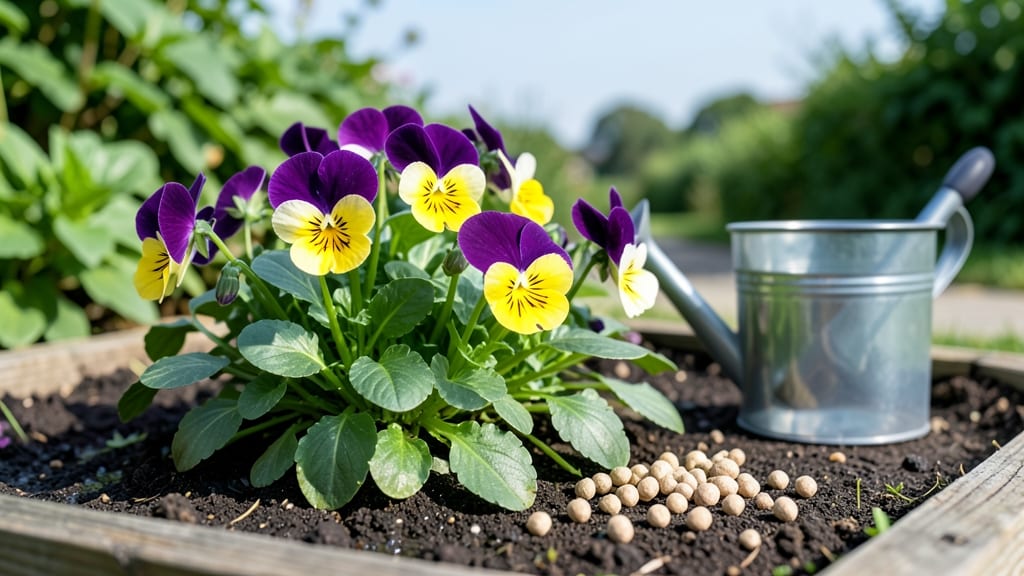
Keeping pansies blooming all season isn’t magic—it’s deadheading. 🌸 I’ve learned that snipping spent flowers at the right time turns a single flush of color into months of vibrant displays, even in cooler weather when other annuals quit.
The secret isn’t complicated: remove faded blooms before they form seed pods, and your plants redirect energy into fresh flowers instead of reproduction. Most gardeners skip this step, assuming pansies are low-maintenance—but that’s where the leggy, sparse growth comes from.
With just 10 minutes a week, you’ll see a difference in 2-3 weeks. You’ll end up with clusters of blooms so dense they look like confetti, in every shade from purple to yellow. The plants stay compact, resist disease better, and keep producing until frost.
Even my black thumb can’t kill these with proper care. Works for garden beds, containers, or hanging baskets—just adjust your timing for shade vs. sun spots. Let’s get those shears sharp!
📚 In This Guide
- What you need
- Instructions
- Tips and common mistakes
- Wrapping up and next steps
What you need
- ● Pansy plants: Healthy, established pansies (10–20 plants per 10 sq ft for optimal display). Choose cool-season varieties like 'Matrix' or 'Majestic Giant' for best results.
- ● Pruning shears or sharp scissors: Clean, sterilized tools to avoid spreading disease (1 pair). OR your fingers (if you’re gentle!).
- ○ Garden gloves: Optional but helpful for protecting hands from thorns or dirt (1 pair).
- ● Compost or mulch: 2–3 inches of well-aged compost or organic mulch (like straw or shredded bark) to replenish soil nutrients.
- ● Watering can or hose: With a gentle spray nozzle to avoid damaging delicate blooms.
- ● Fertilizer: Balanced, water-soluble fertilizer (10-10-10 or 20-20-20) OR slow-release granules (follow package rates). OR organic options like fish emulsion or compost tea.
- ● Trash bag or bucket: For disposing of spent blooms (1–2 gallon-sized bags).
- ● Deadheading kit: A small basket or tray to collect spent blooms while working.
- ● Epsom salt: 1 tbsp per gallon of water (monthly spray for magnesium boost).
- ● Plant supports: Small stakes or cages (if pansies flop in heat or rain).
- ● Shade cloth: 30–50% coverage for afternoon sun protection in hot climates.
- ● Label markers: To track deadheading schedules if you’re experimenting with methods!
Step-by-Step instructions for deadheading pansies
Here's the simple routine I use to keep my pansies flowering like clockwork all season.
✂️ Step 1: Identify and Remove Spent Blooms
Start by scanning your pansies for flowers that have faded completely—these will have lost their vibrant color and may even look slightly wilted. I like to work in the morning when blooms are fully open, making it easier to spot the ones ready for removal. Use clean, sharp pruners or your fingers to grasp the stem just below the flower head.
Gently twist or snip the stem at a 45-degree angle about ¼ inch above the next set of leaves or side buds. This angled cut helps water run off and prevents rot. If you're pinching by hand, be firm but careful not to damage the foliage. Real talk: I've torn leaves this way before, so take your time.
🌿 Step 2: Encourage New Growth with Strategic Trimming
After removing the dead bloom, look for any small side buds forming at the base of the flower stem. These are your future blooms, so leave them untouched. If you see leggy stems with no buds, trim them back to the nearest leaf node to redirect the plant's energy toward stronger growth. You'll see new leaves emerging within 3-5 days—that's your signal everything's working.
Here's the thing—I never cut more than ⅓ of the plant's total foliage at once. Pansies are tough but not invincible. If you see the plant looking stressed or leaves yellowing, you've trimmed too aggressively. Water deeply after pruning to help the plant recover.
💧 Step 3: Maintain Consistent Water and Fertilizer
Deadheading alone won't keep pansies blooming if they're thirsty or starving. Water your plants at the base every 2-3 days until the top inch of soil feels dry. Avoid wetting the leaves to prevent fungal diseases. I use a soaker hose for this—it delivers water right to the roots without disturbing the blooms.
Feed your pansies with a balanced, water-soluble fertilizer (like 10-10-10) every 2-3 weeks during the blooming season. You'll notice a difference in 7-10 days—bigger, brighter flowers and bushier growth. Just don't overdo it; too much fertilizer leads to lush leaves but fewer blooms.
☀️ Step 4: Protect from Harsh Conditions
Pansies thrive in cool weather but can struggle in extreme heat or cold. If temperatures rise above 80°F, provide afternoon shade to prevent wilting. In hot climates, mulch around the base with 2-3 inches of organic mulch to keep roots cool and retain moisture.
If a late frost threatens, cover plants with a lightweight frost cloth. I've seen pansies bounce back from 28°F temperatures, but they won't bloom again until conditions improve. Once the danger of frost passes, remove the cover and resume deadheading to encourage new growth.
⏰ Step 5: Monitor and Adjust Your Routine
Check your pansies every 2-3 days for new spent blooms. Consistency is key—skipping a week means missed opportunities for new flowers. If you notice fewer blooms over time, it might be time to divide the plant or replant. Pansies can get crowded, and overcrowding reduces flowering.
By late summer, many pansies start to decline naturally. Don't force it—let them go dormant if needed. In mild climates, they'll often rebound in fall. I've had pansies bloom in three separate seasons in the same spot, but only because I gave them the right care at the right time.
Tips & tricks for perfect pansy care
These simple strategies will help you keep your pansies flowering beautifully all season long.
Timing Tip: Morning is the best time to deadhead pansies because the blooms are fully open and easier to identify. I've learned this the hard way—trying to deadhead in the afternoon heat often means missing some spent blooms that close up before you notice. The 2-3 day monitoring schedule mentioned in Step 5 works perfectly because it matches pansies' natural blooming cycle.
Pruning Precision: When cutting stems at a 45-degree angle about ¼ inch above the next set of leaves, you're not just being fancy—you're preventing water from pooling on the cut, which can lead to rot. I've seen pansies develop black spots at the base of stems when people cut straight across. This angled cut also helps new growth emerge more quickly, which is why you'll see those new leaves in just 3-5 days as mentioned in Step 2.
Environmental Watch: The 80°F threshold mentioned in Step 4 is crucial—this is when pansies start to show stress. I've noticed that even a few degrees above this can cause wilting, so providing that afternoon shade becomes essential. In my experience, mulching with 2-3 inches of organic material doesn't just keep roots cool—it also helps maintain consistent moisture levels, which is especially important during those 2-3 day watering intervals.
Fertilizer Strategy: That 7-10 day window mentioned for seeing fertilizer results is actually quite precise. I've found that waiting this long gives the plant time to absorb the nutrients without overwhelming it. Too much fertilizer too soon can actually reduce blooming—something I discovered after overdoing it one spring. The 2-3 week schedule balances growth and flowering perfectly for pansies.
Pro Tips for Keep Pansies Blooming
- These simple strategies will help you keep your pansies flowering beautifully all season long.
- Timing Tip: Morning is the best time to deadhead pansies because the blooms are fully open and easier to identify.
- Pruning Precision: When cutting stems at a 45-degree angle about ¼ inch above the next set of leaves, you're not just being fancy—you're preventing water from pooling on the cut, which can lead to rot.
Frequently asked questions
How often should I deadhead pansies to keep them blooming?
Deadhead pansies every 2–3 days during peak bloom (spring/fall) to encourage new flowers. If blooms fade but you’re too busy, aim for weekly checks—just snip spent blooms at the base. Overlooking this can shift energy to seed production instead of more flowers.
Can pansies bloom all summer, or do they need a rest?
Pansies thrive in cool seasons (spring/fall) but may struggle in hot summer heat (above 80°F). If blooms slow down, provide afternoon shade, mulch to retain moisture, and avoid over-fertilizing. Some varieties (like Viola × wittrockiana) can rebloom with proper care, but expect slower growth in summer.
What should I do if my pansies stop blooming entirely?
Check for these issues:
- Overcrowding: Thin plants to 6–8 inches apart for airflow.
- Nutrient burn: Too much fertilizer = leafy growth, no blooms. Use a balanced 10-10-10 formula lightly.
- Pests/disease: Yellow leaves or spots? Treat with neem oil or fungicide.
- Leggy stems: Prune back by ⅓ to encourage bushier growth.
Are there pansy alternatives that bloom nonstop?
Yes! Try these long-blooming perennials:
Plant
Bloom Season
Care Tips
Viola cornuta (Johnny Jump-Ups)
Spring–Fall (with deadheading)
Self-seeds easily; loves partial shade.
Calceolaria (Slipper Flower)
Spring–Early Summer
Thrives in cool, moist conditions.
Primula (Primrose)
Winter–Spring
Needs consistent moisture; avoid soggy soil.
Do I need special tools to deadhead pansies?
Nope! Use:
- Clean scissors or pruners (dip in rubbing alcohol between cuts).
- Your fingers (pinch stems just above the first set of leaves).
- Garden shears for large patches.
Wrapping up and next steps
Keeping pansies blooming all season is easier than you think—just deadhead regularly, give them the right care, and a little TLC! With proper sunlight, watering, and soil prep, your garden will stay vibrant and full of life. 🌸
Now that you’re armed with these tricks, go ahead and enjoy the show! Try experimenting with different varieties or even share your tips with fellow gardeners. Happy blooming! 🌿