
Blooming
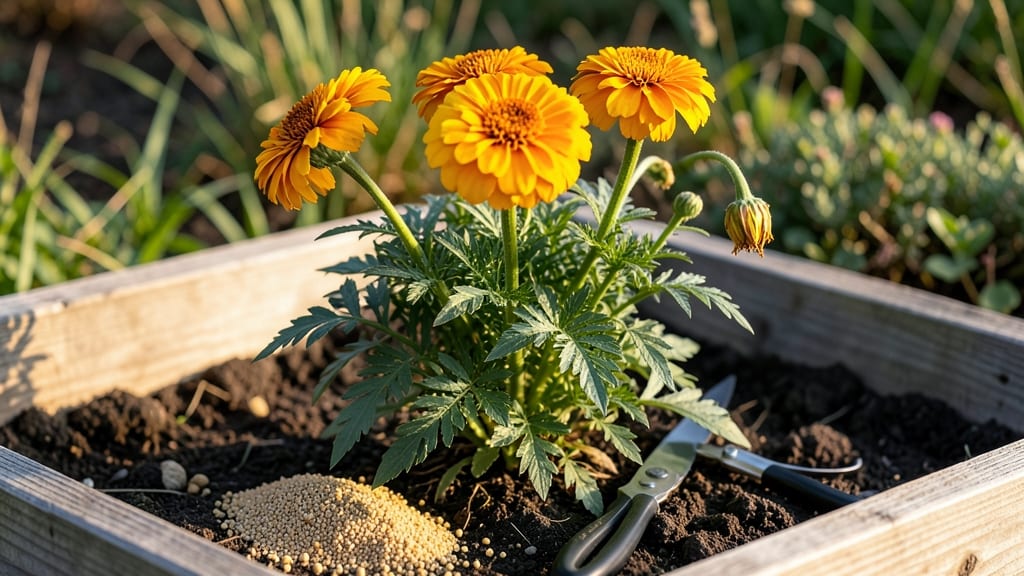
Here’s how to keep marigolds blooming—prune, feed, and deadhead the right way, and you’ll turn one burst of color into months of effortless, sun-drenched blooms. 🌼 neighbors ask how I do it.
The secret isn’t complicated: pinch off faded blooms before they set seed, and feed with a balanced fertilizer (10-10-10) when you see new buds forming.
My French marigolds now bloom from June through October with minimal effort, and the key is consistency—never letting the soil dry out completely but avoiding soggy roots. You’ll end up with marigolds so lush they look like they’re on steroids, their bright orange petals drawing in pollinators all season.
The trick is timing: prune in the morning so cuts heal by evening, and fertilize after watering to prevent root burn. Works for all marigold types—French, African, or signet—just adjust feeding strength based on your soil. Let’s get those blooms going!
📚 In This Guide
- What you need
- Instructions
- Tips and common mistakes
- Wrapping up and next steps
What you need
- ● Marigold plants: Healthy, mature plants (French, African, or Signet varieties work best). Quantity: 1–5 plants per pot or garden bed (depending on desired coverage).
- ● Pruning shears: Sharp, clean bypass pruners (avoid dull tools to prevent crushing stems). Spec: 5–7" blade length for precision.
- ● Balanced fertilizer: Water-soluble 10-10-10 or organic options like fish emulsion or compost tea. Amount: 1 tbsp per plant (follow label instructions).
- ● Slow-release granules: Organic or synthetic (e.g., Osmocote or worm castings). Amount: 1 cup per 5 sq ft of garden bed.
- ● Watering can or hose: With a gentle spray nozzle to avoid damaging blooms.
- ○ Gloves (optional): Garden gloves to protect hands from thorns (especially African marigolds).
- ○ Deadheading scissors: Small, sharp scissors for snipping spent blooms (optional but helpful for clean cuts).
- ● Mulch: Organic mulch (straw, shredded leaves, or pine bark). Thickness: 2–3 inches to retain moisture.
- ● pH test kit: To check soil pH (ideal range: 6.0–7.5 for marigolds).
- ○ Epsom salt (optional): For magnesium boost (1 tbsp per gallon of water, use sparingly).
- ● Compost or aged manure: To enrich soil before planting (1–2 gallons per plant).
- ● Stake or support (for tall varieties): Bamboo stakes or tomato cages for African marigolds.
Step-by-Step instructions for pruning and feeding marigolds
Here’s how I keep my marigolds blooming all season—no fancy tricks, just consistent care.
✂️ Step 1: Deadhead Regularly for Continuous Blooms
Snip off spent blooms the day they fade with clean, sharp pruners or even your fingers. I pinch off the flower head just above the first set of healthy leaves below it—this prevents seed formation and redirects the plant’s energy into new buds instead. Do this every 2-3 days during peak bloom time, and you’ll see fresh flowers within 7-10 days.
Watch for buds that start to open but never fully bloom—they’re often victims of missed deadheading. If you see a flower head turning brown but still attached, cut it off immediately. The goal is to keep the plant focused on producing new blooms, not wasting energy on seeds.
🌿 Step 2: Prune Leggy or Overgrown Stems
When stems grow too tall or leggy (more than 12 inches), trim them back by one-third to encourage bushier, more compact growth. I use clean pruners and cut just above a leaf node or set of leaves. This also improves air circulation, which reduces the risk of fungal diseases that can stunt blooming.
You’ll notice new side shoots forming within 5-7 days of pruning—these are your plant’s way of branching out and producing more flowers. Avoid cutting into woody stems; focus on soft, green growth. If you’re unsure where to cut, look for the first set of leaves below the leggy section and trim just above them.
💧 Step 3: Feed With Balanced Fertilizer Every 3-4 Weeks
Use a balanced, water-soluble fertilizer (10-10-10 or 20-20-20) diluted to half-strength every 3-4 weeks during the growing season. I apply it in the early morning when the soil is moist but not soggy—this prevents root burn. Water the plants thoroughly before and after feeding to help distribute nutrients evenly.
Marigolds don’t need heavy feeding, but they do respond well to consistent, light doses. If you see yellowing leaves, it’s a sign of over-fertilizing—cut back on feedings and focus on watering instead. For organic options, use compost tea or a fish emulsion every 4-6 weeks.
☀️ Step 4: Ensure Full Sun and Proper Watering
Marigolds thrive in full sun (6-8 hours daily), so place them where they get unfiltered light. If you notice buds forming but not opening, or leaves turning pale, they’re not getting enough sun. Move them to a sunnier spot immediately—once established, marigolds are tough, but they won’t bloom well in shade.
Water at the base of the plant in the morning to keep soil consistently moist but not waterlogged. Let the top 1-2 inches of soil dry out between waterings—soggy soil leads to root rot and fewer blooms. Mulch around the base with 1-2 inches of organic mulch to retain moisture and keep roots cool.
⏰ Step 5: Monitor for Pests and Diseases
Check leaves regularly for signs of aphids, spider mites, or powdery mildew—common issues that can stress marigolds and reduce blooming. I spray affected areas with neem oil or insecticidal soap if I spot pests early. For powdery mildew, improve air circulation by pruning crowded stems and avoid overhead watering.
If you see flowers dropping prematurely, it could be a sign of stress from pests, disease, or even underwatering. Act fast—isolate affected plants and treat them immediately. Healthy marigolds are resilient, but they need your attention to keep producing those bright blooms all season.
Tips & tricks for perfect marigold care
Keeping marigolds blooming all season takes just a few key tricks—here's what makes the difference between occasional flowers and nonstop sunshine.
Timing Secret: The 2-3 day deadheading schedule in Step 1 is non-negotiable during peak bloom. I set a phone reminder every 2 days because those fading blooms will quickly turn to seeds if ignored. The 7-10 day window for new blooms to appear is actually shorter in hot weather—watch for buds forming within 5-7 days instead. This consistent pruning prevents the plant from wasting energy on seed production.
Pruning Precision: When trimming leggy stems in Step 2, focus on making clean cuts just above leaf nodes. The one-third reduction rule works best when you're cutting back to where the stem is about half its original length. I always look for the first set of healthy leaves below the leggy section—this is where new growth will sprout most vigorously. Avoid cutting into woody stems as these won't regenerate new shoots.
Fertilizer Strategy: The 3-4 week feeding schedule in Step 3 gives marigolds just enough nutrients without overloading them. I mix my fertilizer with water in a spray bottle for even distribution, applying it to damp soil in the morning. For organic gardeners, compost tea works beautifully but requires more frequent application—every 4-6 weeks instead of the synthetic schedule. The key is consistency: marigolds respond better to regular light feedings than occasional heavy doses.
Sunlight Watch: Those 6-8 hours of daily sun in Step 4 are critical for marigold performance. I've noticed that even 1-2 hours less sunlight can cause buds to form but never open properly. If your garden gets afternoon shade, position marigolds where they catch morning sun—this gives them the energy boost they need for continuous blooming. The pale leaves warning sign is your plant's way of saying "I need more light!"
Pro Tips for Keep Marigolds Blooming
- Keeping marigolds blooming all season takes just a few key tricks—here's what makes the difference between occasional flowers and nonstop sunshine.
- Timing Secret: The 2-3 day deadheading schedule in Step 1 is non-negotiable during peak bloom.
- Pruning Precision: When trimming leggy stems in Step 2, focus on making clean cuts just above leaf nodes.
Frequently asked questions
Why aren’t my marigolds blooming as much as they used to?
Overcrowding, poor nutrition, or lack of sunlight are often the culprits. Marigolds need at least 6-8 hours of direct sun daily and benefit from regular deadheading (removing spent blooms). If they’re leggy or sparse, they may need more phosphorus-rich fertilizer (like a 5-10-5 blend) to encourage flowering.
How often should I prune marigolds to keep them blooming?
Prune every 2-3 weeks during the growing season (spring to fall). Cut back leggy stems by one-third to promote bushier growth and more blooms. Avoid heavy pruning late in the season—it can stunt fall flowering. Always use clean, sharp shears to prevent disease.
Can I keep marigolds blooming all summer long?
Yes! With the right care, marigolds can bloom nonstop from early summer until frost. Key tricks:
- Water deeply 1-2 times per week (more in extreme heat).
- Deadhead daily or every other day to redirect energy to new blooms.
- Fertilize lightly every 4-6 weeks with a balanced bloom booster.
What can I do if my marigolds stop blooming and just grow leaves?
This usually means they’re overfed with nitrogen (which encourages foliage over flowers) or under stress. Switch to a low-nitrogen, high-phosphorus fertilizer (like 10-20-10) and ensure they’re not overwatered. Trim back any excessive leafy growth to redirect energy to blooms.
Are there any marigold varieties that bloom more easily than others?
French marigolds
(like ‘Bonanza’ or ‘Jumbo’) and African marigolds (like ‘Crackerjack’) are top performers. French types bloom prolifically in cool weather, while African varieties thrive in heat and produce large, long-lasting flowers. For easiest care, try ‘Tangerine Gem’ or ‘Gold Rush’—they’re hardy and low-maintenance.
Can I save my marigolds for next year, or do I need to replant annually?
Marigolds are annuals in most climates, but you can extend their life by cutting back spent plants in fall and mulching heavily. In Zone 8-10, they may self-seed or survive mild winters with protection. For next year’s blooms, simply replant seeds in spring—they germinate quickly and reliably!
Wrapping up and next steps
Keeping your marigolds blooming isn’t just about luck—it’s a mix of pruning, feeding, and a little TLC! 🌼 With the right techniques, you’ll enjoy vibrant orange blooms all season long.
Start with deadheading, fertilize regularly, and don’t forget to watch for pests—your efforts will pay off in a burst of sunshine for your garden.
Ready to put these tips into action? Grab your pruners, head outside, and give your marigolds the love they deserve. Your garden’s next masterpiece is just a trim away! 🌟