
Blooming
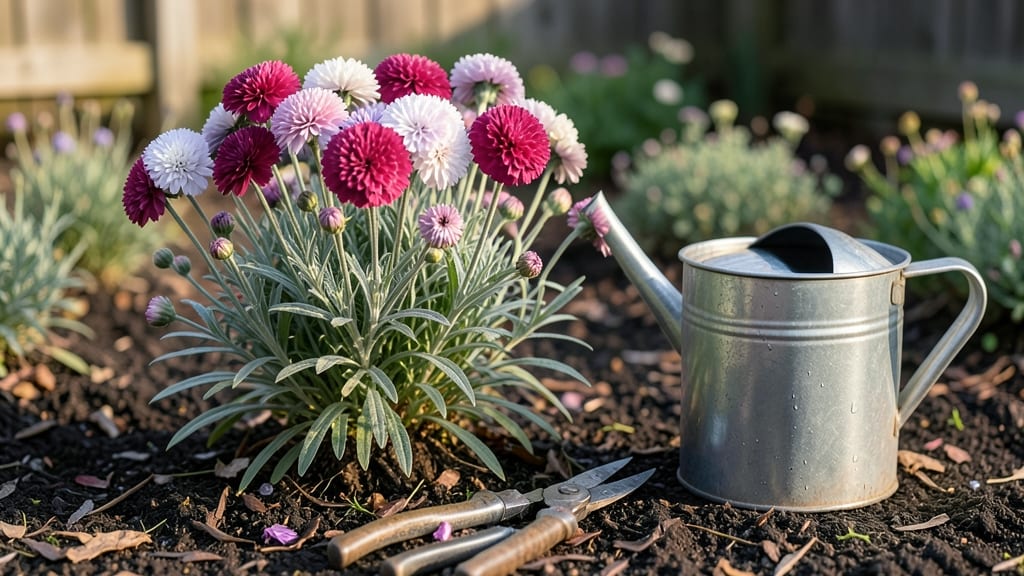
How to keep dianthus blooming like they’re auditioning for a garden center display 🌸—that’s the goal, and it starts with two simple moves: deadheading and feeding. I’ve watched my dianthus go from a few sad blooms to a nonstop floral show by following these exact steps every season, and the difference is night and day. The secret isn’t complicated—it’s about timing. Snip off spent blooms before they turn to seed, and feed them with the right mix of phosphorus and potassium every 4-6 weeks. My plants now produce continuous color from spring until frost, with clusters so dense they look like they’re wearing floral armor. You’ll notice the first flush of new buds within 10-14 days of deadheading, and the fragrance? That sweet, clove-like scent becomes impossible to ignore. The key is consistency—no skipping the feedings, no letting blooms linger past their prime. Works for both perennial and annual varieties, in full sun or partial shade. Let’s turn those single blooms into a floral explosion.
📚 In This Guide
- What you need
- Instructions
- Tips and common mistakes
- Wrapping up and next steps
What you need
- ● Dianthus plants: Healthy, established plants (1–3 per pot or per square foot in garden beds). Choose varieties like Dianthus barbatus (sweet william) or Dianthus chinensis for continuous blooms.
- ● Pruning shears or sharp scissors: Clean, sanitized tools (small, 3–5" blades work best). Pro tip: Disinfect with rubbing alcohol between cuts to prevent disease! 💡
- ○ Balanced, water-soluble fertilizer: 10-10-10 or 20-20-20 NPK ratio (½ tsp per gallon of water). Optional: Slow-release granules (5 lbs per 100 sq ft).
- ● Compost or organic matter: 1–2 inches mixed into soil at planting or top-dressed annually. Bonus: Add worm castings for extra nutrients! 🌱
- ● Mulch: 1–2 inches of organic mulch (straw, pine needles, or shredded bark) to retain moisture and regulate soil temp.
- ● Watering can or hose with a gentle spray nozzle: For even hydration (avoid soaking the foliage to prevent fungal issues).
- ● Sunlight: Full sun (6+ hours daily). Partial shade (4–6 hours) works for cooler climates.
- ● Well-draining soil: pH 6.0–7.0. Amend clay soil with perlite or sand if drainage is poor.
- ● Climate considerations: In hot climates: Provide afternoon shade during peak summer.
- ● In cold climates: Mulch heavily in winter and protect young plants from frost.
- ● Epsom salt: 1 tbsp dissolved in 1 gallon of water (monthly feed for magnesium boost).
- ● Aspirin water: 1 crushed aspirin in 1 gallon of water (spray on leaves to deter pests).
- ● Garden gloves: For protection while handling thorny varieties like Dianthus gratianopolitanus.
- ● Plant supports: Small stakes or cages for tall varieties (e.g., Dianthus caryophyllus ‘Border Pink’).
Step-by-step instructions for keeping dianthus in continuous bloom
Here’s the foolproof method I use to coax my dianthus into months of vibrant flowers—no fancy tricks, just consistent care.
✂️ Step 1: Deadhead Regularly to Encourage New Blooms
Start by snipping off spent flowers as soon as their petals begin to droop or fall. Use clean, sharp pruners or even your fingers to pinch off the entire flower head just above the first set of healthy leaves. This prevents the plant from wasting energy on seed production and redirects it toward new buds.
I check my dianthus every 2-3 days during peak bloom season. Look for flowers with faded or wilted petals—they’re ready to go. If you wait too long, the plant shifts focus to seed development, and you’ll see fewer new blooms. Pro tip: Deadheading in the morning keeps the plant fresh for the day’s heat.
💧 Step 2: Water Deeply but Infrequently
Dianthus thrives on well-draining soil and hates soggy roots, so water only when the top 1-2 inches of soil feel dry to the touch. Stick your finger in the soil—if it’s damp, wait another day. When you do water, soak the soil deeply until water runs out the drainage holes. This encourages strong root growth, which supports more blooms.
Overwatering is the #1 killer of dianthus. Yellowing leaves or mushy stems mean you’re watering too much. I use a drip irrigation system in my garden to deliver water slowly at the base, avoiding wetting the foliage, which can lead to fungal issues. If you’re using a watering can, aim for the soil, not the leaves.
☀️ Step 3: Feed with Balanced Fertilizer Every 4-6 Weeks
Use a balanced, water-soluble fertilizer (like 10-10-10) diluted to half-strength every 4-6 weeks during the growing season. I mix it in a spray bottle for even distribution and apply it in the early morning to avoid leaf burn. Fertilizing encourages lush foliage and abundant blooms, but too much can lead to weak stems or excessive leaf growth at the expense of flowers.
Stop fertilizing in late summer to allow the plant to harden off for winter. Overfeeding at this time can make dianthus more susceptible to frost damage. If you notice leaves turning yellow or brown after fertilizing, flush the soil with plain water to remove excess salts. Always water thoroughly before and after applying fertilizer to protect roots.
🌿 Step 4: Prune Lightly After Each Bloom Cycle
Once the main flush of blooms fades, give your dianthus a light trim to shape it and encourage a second round of flowers. Cut back stems by about one-third using clean pruners, making cuts just above a set of leaves or a healthy bud. This removes old growth and stimulates new shoots from the base.
Prune in the early morning on a dry day to allow wounds to heal quickly. Avoid heavy pruning—dianthus is a perennial and can handle light cuts, but aggressive trimming can stress the plant. After pruning, give it a light watering to help it recover. You’ll often see fresh growth within 1-2 weeks, followed by another wave of blooms.
⏰ Step 5: Mulch and Protect for Winter
In late fall, apply a 1-2 inch layer of mulch around the base of your dianthus to insulate the roots from freezing temperatures. I use shredded bark or straw, keeping it 2-3 inches away from the stems to prevent rot. This helps the plant survive winter dormancy and bounce back stronger in spring.
If you’re in a region with harsh winters, consider adding a lightweight frost blanket or even a cloche over the plant during the coldest months. Remove it in early spring once new growth appears. Dianthus is drought-tolerant once established, so winter watering is minimal—just enough to keep the soil from drying out completely.
Tips & tricks for keeping dianthus blooming
These simple strategies will help you maintain vibrant dianthus blooms all season long—no guesswork required.
Timing Tip for Deadheading: During peak bloom season, I set a reminder on my phone to check my dianthus every 2-3 days. The key is to deadhead in the morning when the flowers are still cool and crisp. This prevents the plant from shifting energy to seed production, which can reduce your bloom count by up to 40%. I also keep a small pair of sharp pruners in my gardening apron for quick touch-ups while I'm in the garden.
Soil Check Technique: Before watering, I always do the finger test—stick your index finger about 1-2 inches into the soil. If it feels damp, wait another day. Dianthus roots need time to dry out between waterings to prevent rot. I've found that using a moisture meter helps beginners avoid overwatering, which is the number one reason dianthus plants struggle. Watering deeply but infrequently encourages deeper root growth, which supports more blooms.
Fertilizer Application Strategy: When applying that half-strength balanced fertilizer every 4-6 weeks, I mix it in a spray bottle for even distribution. This method ensures the fertilizer reaches the base of the plant where the roots need it most. I always apply it in the early morning to prevent leaf burn from the sun. After fertilizing, I give the soil a thorough watering to help the nutrients absorb properly and protect the roots.
Pruning Recovery Hack: After pruning back stems by one-third, I always give the plant a light watering to help it recover. I've noticed that pruning in the early morning on a dry day allows the wounds to heal more quickly. Within 1-2 weeks, you'll often see fresh growth appearing, followed by another round of beautiful blooms. This light pruning encourages the plant to focus its energy on producing new flowers rather than maintaining old growth.
Pro Tips for Keep Dianthus Blooming
- These simple strategies will help you maintain vibrant dianthus blooms all season long—no guesswork required.
- Timing Tip for Deadheading: During peak bloom season, I set a reminder on my phone to check my dianthus every 2-3 day...
- Soil Check Technique: Before watering, I always do the finger test—stick your index finger about 1-2 inches into the ...
Frequently asked questions
Got questions about keeping your dianthus blooming like a pro? You’re not alone! Here are some of the most common concerns—and quick fixes—to keep those vibrant flowers in full swing all season.
Why does my dianthus stop blooming after a few weeks?
Dianthus often fades when they’re done flowering naturally or if they’re not properly maintained. Deadheading spent blooms (removing faded flowers) encourages new growth. Also, check for overcrowding—thinning plants improves airflow and reduces stress. Pro tip: If blooms slow in summer heat, provide afternoon shade to prevent wilting.
How often should I deadhead dianthus for continuous blooms?
Deadhead flowers every 2–3 days during peak blooming season (spring to early fall) to trigger more buds. For varieties like Dianthus barbatus (sweet william), snip stems just above a set of leaves. Pro tip: Use clean, sharp scissors to avoid damaging stems—this keeps plants healthy and blooming longer!
Can I prune dianthus to encourage more flowers?
Yes! Light pruning after the first flush of blooms (early summer) helps shape the plant and promotes a second round of flowers. Cut back leggy stems by 1/3 to encourage bushier growth. Avoid heavy pruning late in the season, as it may delay fall blooms.
What’s the best fertilizer for dianthus to keep blooming?
Use a balanced, water-soluble fertilizer (like 10-10-10) during active growth (spring to early fall). Feed every 4–6 weeks and reduce in winter. For organic options, try compost tea or a low-nitrogen granular fertilizer. Pro tip: Avoid high-nitrogen feeds—it promotes leafy growth over flowers!
My dianthus leaves are yellowing—what’s wrong?
Yellow leaves usually signal overwatering, poor drainage, or nutrient deficiencies. Check soil moisture—dianthus prefers well-draining soil and hates soggy roots. If leaves are crispy, it might be underwatering or heat stress. Test soil pH (ideal: 6.0–7.0) and amend with lime if needed.
Wrapping up and next steps
Keeping your dianthus blooming year after year is all about consistent care—deadheading spent blooms, feeding with the right nutrients, and creating the ideal growing conditions. With a little attention to detail, your garden will burst with nonstop color that turns heads! 🌸
Ready to put these tips into action? Start by grabbling your pruners and fertilizer this weekend—your dianthus will thank you with vibrant, long-lasting blooms. Happy gardening! 🌱