
Blooming
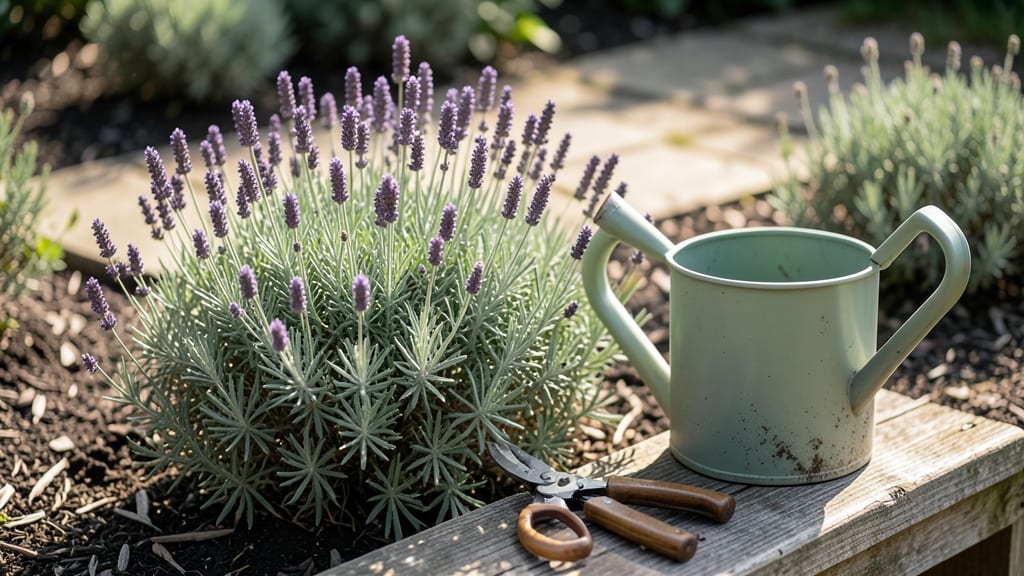
Keeping lavender blooming year after year comes down to two things: pruning at the right time and avoiding the #1 mistake most gardeners make—overwatering. 🌿 I’ve watched my lavender go from sparse, leggy stems to a fragrant, flower-covered bush just by timing cuts after the blooms fade, not before.
The secret is simple: prune only after the flowers die back, never in spring. Cut back one-third of the previous year’s growth, always above a leaf node. This encourages fresh, bushy growth that flowers again next season.
Too much water or rich soil sends lavender into a growth spurt instead of blooming, so lean into the dry, poor soil it loves. You’ll see new buds forming within 6-8 weeks of proper pruning, and the fragrance will be so strong it’ll draw bees from across the yard.
The key is patience—lavender rewards restrained care, not heavy-handed gardening. Works for English, French, and Spanish lavender varieties alike. Here’s how to do it without killing your plants—even if you’ve struggled before.
📚 In This Guide
- What you need
- Instructions
- Tips and common mistakes
- Wrapping up and next steps
What you need
- ● Lavender plants: English, French, or Spanish lavender varieties (1-3 mature plants per container or in-ground spot).
- ● Well-draining soil: Mix 1 part potting soil with 2 parts coarse sand or perlite (for containers) or amend garden soil with sand and gravel (for in-ground planting).
- ● Pruning shears: Sharp, bypass-style shears (avoid dull blades to prevent damage).
- ● Gloves: Heavy-duty gardening gloves (lavender can be prickly!).
- ● Watering can or hose: With a gentle spray nozzle (lavender hates soggy roots!).
- ● Fertilizer: Low-nitrogen, phosphorus-rich fertilizer (e.g., 5-10-10 or organic bone meal).
- ○ Mulch (optional): Gravel or pebbles (1-2 inches) to retain heat and deter weeds.
- ● Sunlight: Full sun (6-8+ hours daily)—lavender is a sun-worshipper! 🌞
- ● Drainage: Ensure zero standing water (lavender roots rot easily!).
- ● Climate: USDA Zones 5-9 (or similar temperate regions).
- ● Patience: Lavender blooms best in their second year—don’t rush it!
- ● Test soil pH: Lavender thrives in neutral to slightly alkaline soil (6.5-7.5). Adjust with lime if needed.
- ● Space plants 18-24 inches apart (for in-ground) to prevent overcrowding.
- ● Use container pots with drainage holes (minimum 12-inch diameter for mature plants).
Step-by-Step instructions for pruning lavender for repeat blooms
Here's the method I swear by to keep lavender flowering all season long.
✂️ Step 1: Prune Right After First Flowering Cycle
Timing is everything with lavender. As soon as the first flush of flowers fades—usually in early summer—grab your pruners and cut back one-third of the current year's growth. This is your cue: look for 50% of the stems to have browned flower heads while others still bloom. I always prune on a dry morning after the dew has evaporated to prevent fungal issues.
Make clean cuts just above a set of healthy leaves or a side branch. Avoid cutting into old wood—the woody stems at the base won't regrow. If you see any leggy stems, trim those back to encourage bushier growth. This first pruning is what kicks off the second flowering cycle.
☀️ Step 2: Provide Full Sun and Well-Draining Soil
Lavender won't rebloom if it's struggling. Make sure your plants get 6-8 hours of direct sun daily—morning sun is ideal to prevent afternoon wilting. I've seen lavender in partial shade produce fewer blooms, so if your garden is shady, consider a sunnier spot or a container where you can move it.
Check the soil drainage too. Lavender roots rot in soggy conditions. If your soil feels heavy when moist, amend it with sand or gravel to improve drainage. You'll know it's right when water runs through the pot or soil in 10-15 minutes after watering.
💧 Step 3: Water Deeply but Infrequently
Overwatering is the #1 reason lavender stops blooming. Water deeply once a week (or when the top 2 inches of soil feel dry) and let the soil dry out completely between waterings. You'll see healthy lavender stems feel slightly stiff when dry—this is normal and actually what you want.
In containers, I water from the bottom to encourage strong root growth. Place the pot in a saucer of water for 10-15 minutes, then drain thoroughly. This method prevents the top layer from staying too wet while still hydrating the roots.
⏰ Step 4: Light Second Pruning in Late Summer
About 6-8 weeks after the first pruning, give lavender a second light trim. This time, cut back only the tips of the new growth—just enough to shape the plant and encourage a final flush of blooms before winter. You'll notice new growth has softened and is more flexible than the woody stems.
This late pruning is gentle—think of it as a haircut rather than a major trim. Avoid cutting into any green stems that haven't hardened off yet. If you see any flowers starting to form, leave them be so they can mature and add to next year's blooms.
❄️ Step 5: Protect in Winter and Prune Lightly in Early Spring
Once temperatures drop below 20°F, protect lavender with a 3-4 inch layer of mulch (like straw or pine needles) to insulate the roots. In early spring, before new growth appears, do a final light pruning to remove any dead or crossing branches. This keeps the plant tidy and encourages fresh growth.
Here's the thing—lavender is tough, but it won't rebloom if you prune too late. If you see new buds forming in late summer, hold off on pruning until they've opened. You'll know you're doing it right when you see fresh green growth appearing at the base of the plant by late spring.
Tips & tricks for pruning lavender for repeat blooms
These little details make all the difference between lavender that blooms once and lavender that keeps giving you those fragrant purple spikes all season.
The Right Time is Everything: I can't stress this enough—prune lavender when exactly 50% of the flower heads have browned while others still bloom. This is the sweet spot where you're not cutting off potential blooms but also not waiting too long. I've seen gardeners miss this window and end up with just one flush of flowers all year. The key is to check your plants every few days in early summer and act quickly once you spot that half-brown cue.
Pruning Precision: When you make those clean cuts in Step 1, aim for just above a set of healthy leaves or a side branch—never into old wood. I like to use sharp pruners and make the cut at a 45-degree angle to prevent water from pooling on the cut. This small detail helps prevent fungal infections that can stress the plant. And remember, those leggy stems? Trim them back to encourage bushier, more compact growth that actually produces more flowers.
Sunlight Strategy: The 6-8 hours of direct sun requirement isn't negotiable for repeat blooming. If your garden gets less than that, consider growing lavender in containers where you can move them to sunnier spots during the day. I've had success with morning sun being the most effective—it gives the plants energy without causing afternoon wilting. For containers, make sure they have drainage holes, and never let water sit in the saucer for more than 10-15 minutes after watering.
Pro Tips for Keep Lavender Blooming
- These little details make all the difference between lavender that blooms once and lavender that keeps giving you those fragrant purple spikes all season.
- The Right Time is Everything: I can't stress this enough—prune lavender when exactly 50% of the flower heads have browned while others still bloom.
- Pruning Precision: When you make those clean cuts in Step 1, aim for just above a set of healthy leaves or a side branch—never into old wood.
Frequently asked questions
Got questions about keeping your lavender blooming? You’re not alone! Here are some of the most common queries—and straightforward answers—to help you maintain a fragrant, flower-filled garden all season long.
When is the best time to prune lavender to encourage more blooms?
Prune lavender right after flowering (late spring to early summer) to promote new growth and more blooms. Avoid cutting into woody stems—focus on shaping the plant and removing dead or overgrown branches. Pro tip: Never prune in fall or winter, as lavender is dormant and won’t regenerate well.
Does lavender bloom again after the first flush of flowers?
Yes! With proper care, lavender can produce multiple blooms per season. Deadhead spent flowers promptly to encourage new growth. In mild climates, you might even see a second flush in late summer or early fall. Just ensure your plant gets enough sun and well-draining soil.
Why isn’t my lavender blooming this year?
Lavender skips blooming for a few common reasons: overwatering (it hates soggy roots), poor sunlight (it needs 6+ hours of sun daily), or lack of pruning. Check your soil—lavender thrives in dry, rocky conditions. If it’s been overpruned or fertilized too much, it may struggle to rebloom.
Can I grow lavender in containers, and will it still bloom well?
Lavender grows beautifully in containers if you use a fast-draining mix (like cactus soil) and a pot with drainage holes. Just ensure it gets plenty of sun and avoid overwatering. Container-grown lavender can bloom just as vigorously as in-ground plants—sometimes even more, since you can move it to optimal sunlight.
What should I do if my lavender looks leggy or woody?
Leggy or woody lavender needs a renewal prune—cut back up to one-third of the plant (but never more than 1/3) in early spring. This stimulates fresh growth. If the plant is severely overgrown, you can prune it back to 6–8 inches from the base, but be patient—it may take a year or two to recover and rebloom.
Wrapping up and next steps
Keeping your lavender blooming is all about timing, care, and patience—but with the right techniques, you’ll enjoy those fragrant purple spikes season after season! 🌸 From proper pruning to well-draining soil and smart watering, small efforts yield big rewards.
Now that you’re armed with the secrets, go ahead and give your lavender the love it deserves—your garden (and senses!) will thank you.
Ready to take it further? Experiment with varieties or try propagating cuttings to expand your blooming beauty! 🌱