
Blooming
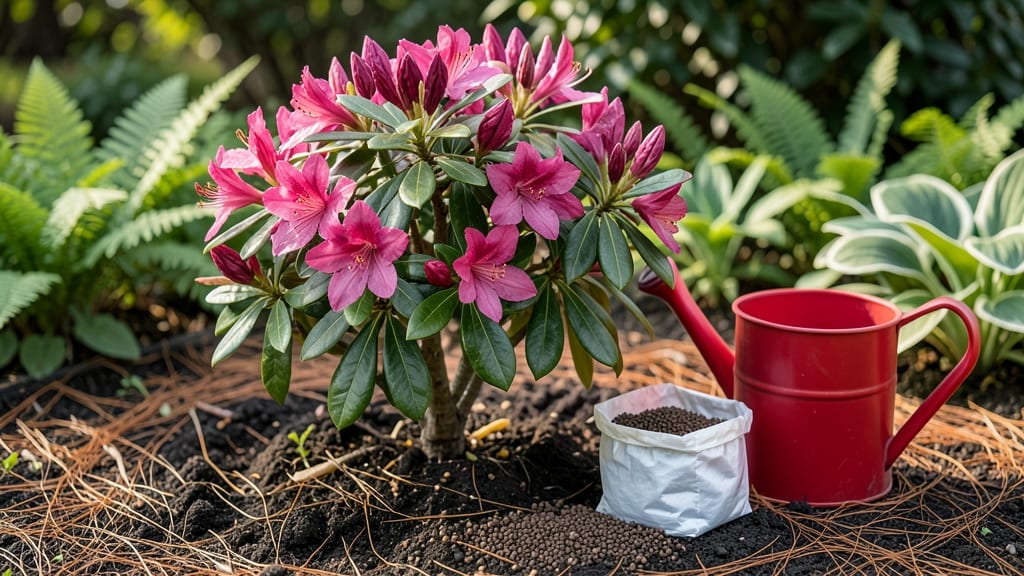
Here’s how to keep azaleas blooming—just time the pruning right, or you’ll send energy to new growth instead of next year’s flowers. ✨ I’ve learned the hard way that cutting at the wrong time means fewer blooms, so I now prune... immediately after blooming ends, not in fall or winter.
The secret isn’t just when you cut, but how: shape the bush by removing spent blooms and thinning crowded branches to improve airflow. Over time, this creates a stronger structure that supports more flowers.
Most gardeners skip this step, but it’s the difference between a few clusters and a full, lush display. You’ll notice new buds forming by late summer, and with the right acidic soil and balanced fertilizer, those buds will burst into vibrant color.
The key is patience—azaleas reward consistent care with years of reliable blooms. This works for both container and in-ground azaleas, and the same principles apply to rhododendrons too. Let’s get those bushes ready for their next showstopping season!
📚 In This Guide
- What you need
- Instructions
- Tips and common mistakes
- Wrapping up and next steps
What you need
- ● Pruning shears: Bypass pruners (sharp, clean, and 5-inch blades for precision). (1 pair)
- ● Hand pruners: Bypass or anvil type (for smaller branches). (1 pair)
- ● Gloves: Garden gloves (thick, cut-resistant for safety). (1 pair)
- ● Disinfectant: 70% isopropyl alcohol or hydrogen peroxide (3%) (to sterilize tools). (small bottle)
- ● Azalea-specific fertilizer: Acid-loving plant food (e.g., 10-6-8 or 8-3-9 NPK ratio with micronutrients like iron). (1 bag or liquid concentrate)
- ● Mulch: Pine bark or pine needles (3–4 inches thick). (1–2 bags, depending on plant size)
- ● Watering can or hose: With a gentle spray nozzle (for hydration without damage). (1)
- ● pH test kit: For soil (to check acidity; ideal range: 4.5–6.0). (1 kit)
- ○ Lime (optional): Garden lime (calcium carbonate) (if soil pH is too high). (small bag)
- ● Peat moss or sulfur: For amending alkaline soil (if needed). (1 bag)
- ● Pruning saw: For thick branches (10+ inches).
- ● Plant food spray: Slow-release granules for convenience.
- ● Compost: Well-aged (to enrich soil naturally).
- ● Plant ties or stakes: If azaleas are young or leggy.
- ● Rain gauge: To monitor watering consistency.
Step-by-Step instructions for pruning and feeding azaleas
Azaleas reward careful attention with vibrant blooms year after year—here’s how to keep yours thriving.
✂️ Step 1: Prune After Blooming Season
Wait until 4-6 weeks after flowering before pruning—this lets the plant store energy for next year’s buds. I always prune in late spring or early summer, never in fall or winter. Use clean, sharp pruners to make cuts just above a leaf bud or branch junction. Avoid cutting into old wood; new growth emerges from the tips.
Remove any dead, diseased, or crossing branches first. Then shape the plant by thinning out crowded areas to improve airflow. You’ll see a more open, airy structure that prevents fungal issues. Never remove more than one-third of the plant’s foliage in a single year—this stresses azaleas and reduces blooms.
💧 Step 2: Feed with Acidic Fertilizer
Azaleas thrive on acidic soil with a pH of 4.5-6.0. In early spring, apply a slow-release, acid-loving plant fertilizer (look for one labeled for azaleas, rhododendrons, or camellias). Follow package instructions for dosage—overfeeding can burn roots. I like to sprinkle fertilizer around the drip line (the edge of the plant’s canopy) and water it in thoroughly.
For an extra boost, mix a handful of peat moss or pine needles into the top inch of soil. This keeps the soil acidic naturally. Avoid high-nitrogen fertilizers—they promote leafy growth at the expense of flowers. Instead, choose a balanced formula with equal parts nitrogen, phosphorus, and potassium, or one slightly higher in phosphorus to encourage blooming.
☀️ Step 3: Maintain Proper Light and Water
Azaleas prefer partial shade—morning sun with afternoon shade works best in hot climates. Too much direct sun can scorch leaves and reduce blooms. If your azalea isn’t flowering well, check its location: a spot with 3-6 hours of sunlight daily is ideal. In containers, move the pot to a shadier spot if leaves yellow or crisp at the edges.
Water deeply once or twice a week, depending on your climate, to keep the soil evenly moist but not soggy. Azaleas hate dry soil—wilting or leaf drop signals underwatering. Mulch the base with 2-3 inches of pine bark or wood chips to retain moisture and keep roots cool. Avoid mulching too close to the stem, as this can cause rot.
🌱 Step 4: Monitor for Pests and Diseases
Check leaves regularly for signs of lace bugs, spider mites, or scale insects—common azalea pests. Wipe leaves with a damp cloth to remove dust, which attracts pests. If you spot tiny white specks on the undersides of leaves (lace bugs), spray with water to dislodge them. For stubborn infestations, use an insecticidal soap labeled for ornamental plants.
Fungal diseases like powdery mildew or root rot often appear in crowded, poorly ventilated plants. Prune to improve airflow and avoid overhead watering, which keeps foliage dry. If you notice black spots on leaves or stems, remove affected branches immediately and treat with a fungicide if needed. Healthy azaleas resist pests better, so consistent care prevents most issues.
Tips & tricks for perfect azalea care
These little details make all the difference between a struggling azalea and one that bursts with color every season.
The Timing Factor: That 4-6 week window after flowering is non-negotiable—this gives your azalea time to store energy for next year's buds. I've seen people prune too early and end up with next year's blooms sacrificed for this year's shape. Mark your calendar right after your azalea finishes flowering to remember this crucial timing.
Pruning Precision: When shaping your azalea in Step 1, focus on creating an open center rather than just trimming the outer edges. This improves airflow and prevents fungal diseases that can stunt blooms. I like to step back every few cuts to visualize the plant's natural shape—you'll notice how much more balanced it looks when you see it from a distance.
Fertilizer Strategy: The acid-loving fertilizer in Step 2 should be applied when the soil is moist, not dry. I've learned this the hard way—dry soil can burn roots when fertilizer comes into contact. Water thoroughly before and after applying to protect those delicate roots. And remember, a little goes a long way—overfeeding can actually reduce blooms by encouraging too much leafy growth.
Lighting Insight: That 3-6 hours of sunlight recommendation is perfect for most climates, but watch your azalea's leaves for clues. If you notice yellowing or crispy edges, it's getting too much direct sun—especially in hot afternoons. A simple solution is to move potted azaleas to a shadier spot during peak sun hours while still giving them morning sunlight.
Pro Tips for Keep Azaleas Blooming
- These little details make all the difference between a struggling azalea and one that bursts with color every season.
- The Timing Factor: That 4-6 week window after flowering is non-negotiable—this gives your azalea time to store energy...
- Pruning Precision: When shaping your azalea in Step 1, focus on creating an open center rather than just trimming the...
Frequently asked questions
Got questions about keeping your azaleas in full bloom? Here are some answers to the most common concerns—so you can enjoy those vibrant flowers year after year!
Why aren’t my azaleas blooming this year?
Azaleas often skip blooming due to over-fertilizing with high-nitrogen feeds (which encourages leafy growth instead of flowers) or pruning at the wrong time (after blooming). They also need 6+ hours of sunlight and well-draining soil. Check for pests or disease too—aphids or fungal issues can stress plants.
When is the best time to prune azaleas for more blooms?
Prune right after flowering (late spring) to shape the plant and encourage next year’s buds. Avoid heavy pruning in fall or winter—it removes next season’s flower buds! Use clean, sharp shears and remove no more than 1/3 of the plant at a time.
Can I use regular garden fertilizer, or do azaleas need something special?
Azaleas thrive on acid-loving plant fertilizer (like 10-10-10 or 8-3-9 with micronutrients). Avoid high-nitrogen formulas—opt for a low-nitrogen, high-phosphorus blend (e.g., 7-9-5) to promote blooms. Apply in early spring and late summer, not fall.
Do azaleas need extra care during drought or heavy rain?
Azaleas hate soggy roots but also can’t handle drought. During dry spells, water deeply 1-2 times per week (check soil—top 1-2 inches should be moist). In heavy rain, ensure pots have drainage holes or soil isn’t waterlogged. Mulch helps retain moisture and regulate temperature.
Will deadheading spent blooms help azaleas rebloom?
Yes! Deadheading (removing faded flowers) encourages new blooms on repeat-flowering varieties (like ‘Girard’s’ or ‘Encore’). For single-bloom types, skip deadheading—they set next year’s buds after flowering. Use clean pruners to avoid disease, and trim just above a leaf or bud.
Wrapping up and next steps
With the right mix of pruning know-how and nutrient-rich care, your azaleas can dazzle with blooms year after year! 🌸 Remember, timing is everything—prune after flowering, feed in early spring, and keep soil healthy for long-term success.
A little patience and attention will reward you with vibrant, repeat blooms that turn heads in your garden.
Ready to take action? Start by assessing your azaleas this week—check their pruning needs and soil health, then plan your feeding schedule. Your future blooms will thank you!