
Blooming
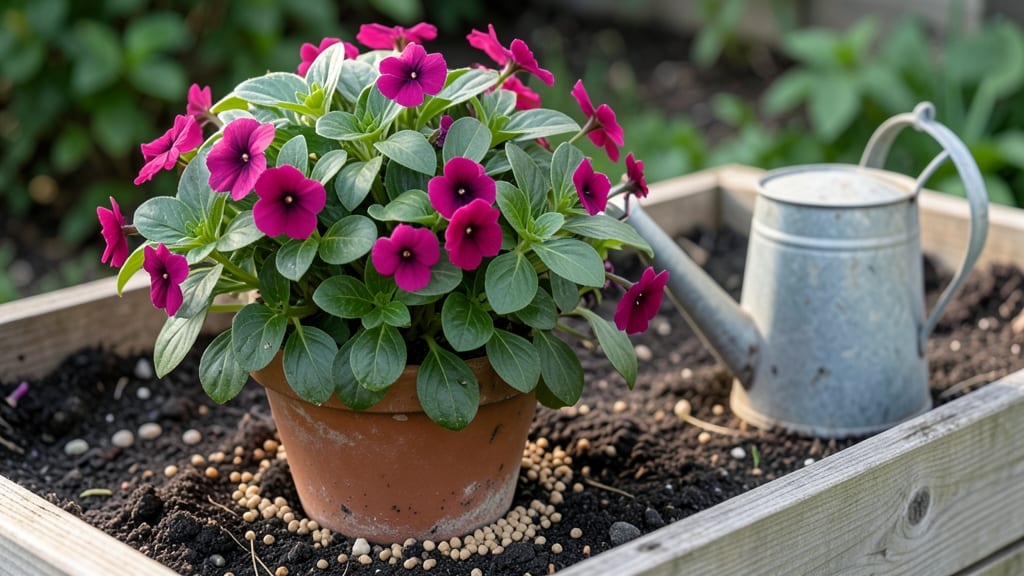
Keeping impatiens blooming all season feels like magic—until you know the secret. ✨ These shade-loving stars thrive when you combine three simple habits: consistent deadheading, balanced feeding, and smart pruning. My impatiens used to fizzle by July, but now they burst with color until frost.
The key is treating them like the high-maintenance divas they are—just not in a bad way. Start with morning sunlight (they’ll tolerate afternoon shade) and water when the top inch of soil feels dry.
Overwatering is their #1 enemy, but dry soil makes them droop faster than a wilting sunflower. Feed every 2-3 weeks with a balanced liquid fertilizer (10-10-10 works), and you’ll see blooms multiply like confetti.
Deadheading spent flowers isn’t just about looks—it tricks the plant into producing more. Pinch off wilted blooms with your fingers (no snips needed) and watch new buds form in 7-10 days.
Prune leggy stems back by 1/3 in early summer to encourage bushier growth. By August, your impatiens will be so packed with blooms, neighbors will ask for cuttings.
Winter care is simple: bring potted impatiens indoors before frost, or let them die back naturally in the ground—they’ll bounce back in spring. The only real mistake? Skipping deadheading or using high-nitrogen fertilizer (that’s for leafy greens, not flowers).
Stick to these steps, and your impatiens will outshine every other plant in the shade garden.
📚 In This Guide
- What you need
- Instructions
- Tips and common mistakes
- Wrapping up and next steps
What you need
- ● Balanced liquid fertilizer (10-10-10 or 20-20-20 NPK ratio) – 1-2 tbsp per gallon of water
- ● Bloom-boosting fertilizer (high in phosphorus, like 5-10-5 or 10-30-20) – 1 tbsp per gallon of water
- ● Pruning shears or clean scissors – sharp, sterilized (70% isopropyl alcohol)
- ● Watering can with a fine rose nozzle – for gentle, even watering
- ○ Mulch (optional but recommended) – 2-3 inches of organic mulch (e.g., shredded bark, straw)
- ● Slow-release granular fertilizer – Apply once at planting (follow package rates)
- ● Epsom salt (magnesium sulfate) – 1 tbsp per gallon of water (for yellowing leaves)
- ● Garden gloves – to protect hands during pruning
- ● pH test kit – to check soil pH (ideal: 6.0–6.5)
Step-by-Step instructions for extending impatiens bloom time
Here's how I keep my impatiens flowering like crazy all season—no fancy tricks, just consistent care.
✂️ Step 1: Master the Deadheading Technique
Impatiens produce flowers along their stems, so you don't just snip off spent blooms—you remove the entire stem back to the next leaf or growth node. This prevents the plant from wasting energy on seed production and redirects it to new blossoms. I use clean, sharp pruners to make clean cuts just above a leaf node, which encourages branching and more flowers.
Watch for the first signs of wilting or color fade in individual flowers—that's your cue to act. Regular deadheading keeps the plant looking tidy while maintaining its vibrant display. I deadhead every 2-3 days during peak bloom, but even weekly maintenance will keep your impatiens flowering steadily.
💧 Step 2: Water Deeply and Consistently
Impatiens hate dry soil, which causes buds to drop before opening. I water mine when the top inch of soil feels dry to the touch, which is usually every 2-3 days in hot weather. Water deeply until it runs out the drainage holes—this encourages roots to grow deeper and makes the plant more drought-tolerant over time.
Morning watering is ideal because it gives leaves time to dry before evening, reducing fungal risks. Avoid overhead watering when possible—water at the base instead. You'll see the difference in plant health within a week of consistent watering.
☀️ Step 3: Provide Balanced Light and Fertilizer
Impatiens thrive in morning sun and afternoon shade, which prevents leaf scorch while maintaining bloom production. If you notice leaves turning yellow or crispy, they're getting too much direct sun. In shadier spots, they'll still flower but may produce fewer blooms unless you supplement with a balanced, water-soluble fertilizer every 2-3 weeks.
I use a 10-10-10 formula diluted to half-strength to avoid burning tender roots. Watch for new growth after fertilizing—that's your signal the plant is responding well. Too much fertilizer causes lush foliage but fewer flowers, so stick to the schedule.
🌿 Step 4: Prune for Shape and Airflow
Every 4-6 weeks, I give my impatiens a light pruning to encourage bushier growth and better airflow. Pinch back the tips of leggy stems to promote branching, which leads to more flower sites. Remove any yellowed or diseased leaves immediately—they can spread problems quickly.
This is also a good time to check for pests like aphids or spider mites. A strong spray of water often dislodges them, but for serious infestations, I use neem oil. Pruned plants bounce back fast and often produce a second flush of blooms within 2-3 weeks.
Tips & tricks for perfect impatiens bloom maintenance
Here's what nobody tells you about keeping those vibrant blooms coming back stronger than ever.
Precision Deadheading: When you're removing stems in Step 1, look for the first visible leaf node below the spent bloom—that's where you should cut. I've learned the hard way that cutting too close to the base can damage the plant's growth points. Use clean pruners every time to prevent disease transmission between cuts. The key is consistency: those 2-3 days between deadheadings during peak bloom make all the difference in maintaining that nonstop color display.
Watering Wisdom: The top inch soil test in Step 2 works best when you're checking with your finger—not a tool. Soil moisture varies dramatically between containers and garden beds, so always test multiple spots. I've found that in clay pots, the soil dries faster at the edges, so I water those spots first. For container impatiens, consider using self-watering pots—they maintain that crucial moisture balance automatically while you're away.
Fertilizer Timing: That 2-3 week schedule for fertilizer in Step 3 is perfect, but here's the secret: split your fertilizer dose into two applications—half now and half again at the halfway point. This prevents nutrient overload that can cause leaf burn. I also rotate between liquid fertilizer and slow-release granules every other application to give the roots a more balanced nutrient supply. Watch for those new growth flushes after fertilizing—they're your plant's way of saying "thank you!"
Pruning Payoff: When you're doing your 4-6 week pruning in Step 4, don't just focus on the obvious leggy stems. Look for stems growing inward toward the center of the plant—they'll create dense, bushy growth that supports more blooms. After pruning, give your impatiens a light misting with water to help them recover faster. You'll often see that second flush of blooms within those 2-3 weeks because you've essentially given the plant a fresh start.
Pro Tips for Keep Impatiens Blooming
- Here's what nobody tells you about keeping those vibrant blooms coming back stronger than ever.
- Precision Deadheading: When you're removing stems in Step 1, look for the first visible leaf node below the spent bloom—that's where you should cut.
- Watering Wisdom: The top inch soil test in Step 2 works best when you're checking with your finger—not a tool.
Frequently asked questions
Got questions about keeping your impatiens in full bloom? You’re not alone—here are answers to the most common ones!
Why are my impatiens blooming less than last year?
Over time, impatiens may slow down due to nutrient depletion, overcrowding, or poor sunlight. Boost blooms by feeding with a balanced fertilizer (10-10-10) every 4–6 weeks and pruning leggy stems to encourage new growth. If they’re in shade, try a high-phosphorus fertilizer (like 5-10-5) to promote flowering.
How often should I deadhead impatiens for continuous blooms?
Deadhead spent blooms every 2–3 days during peak bloom season (spring–fall) to redirect energy to new flowers. Use clean scissors or pinch off flowers just above a leaf node. Pro tip: If blooms slow in late summer, give them a light trim to refresh growth before cooler weather arrives.
Can impatiens bloom in partial shade, or do they need full sun?
Impatiens thrive in partial to full shade (2–6 hours of morning sun) and actually burn in hot afternoon sun. If they’re in deep shade, they’ll still bloom but may need extra phosphorus (like bone meal) for vibrant flowers. Test spots in your yard—if they’re dry and hot by noon, opt for shade.
What’s the best way to revive impatiens that stopped blooming?
First, check for underwatering (let soil dry slightly between waterings) or over-fertilizing (flush soil with water if leaves yellow). Prune 1/3 of the plant to encourage bushier growth, then feed with a bloom booster. If pests (like aphids) are present, spray with neem oil and repeat weekly until gone.
Are there impatiens varieties that bloom longer without deadheading?
Yes! New Guinea impatiens (like ‘Fiesta’ or ‘Super Elfin’) are low-maintenance and bloom nearly year-round with minimal deadheading. Double impatiens (e.g., ‘Picotee’) also stay floriferous longer. For classic garden impatiens, stick to regular deadheading—but these varieties cut down on the effort!
Wrapping up and next steps
Keeping your impatiens blooming nonstop is all about consistent care—deadheading spent blooms, feeding them regularly, and giving them the right light and water. With these simple steps, your garden will burst with vibrant color all season long! 🌸✨
Ready to transform your space? Grab your pruners and fertilizer, then head outdoors—your impatiens are waiting for their next dose of love! 🌿💛