
Blooming
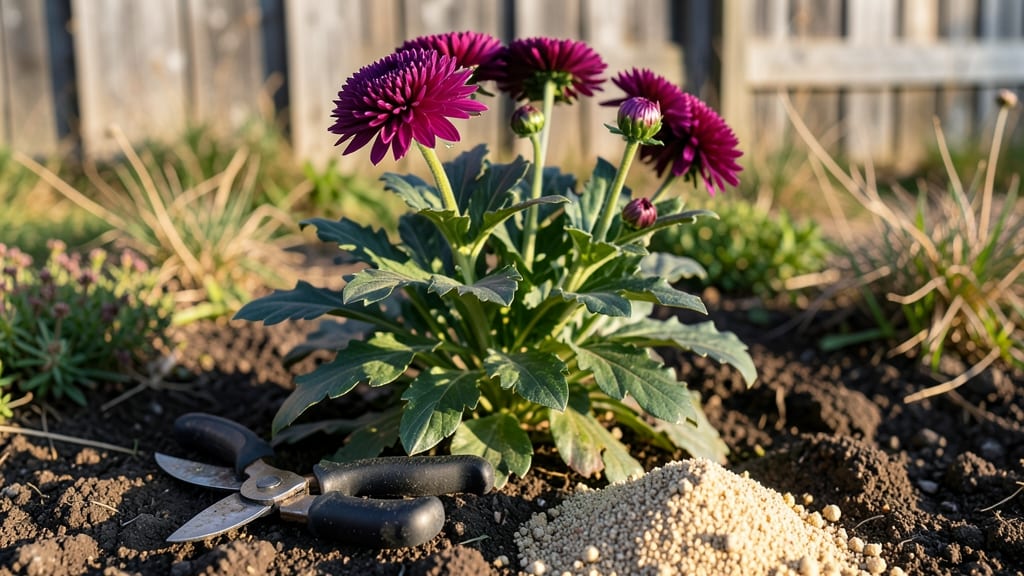
Here’s how to get mums to rebloom—turn one-season blooms into a nonstop color show through fall by mastering the timing and technique of deadheading. 🌼 I’ve watched my chrysanthemums go from a single flush of flowers to months of vibrant blooms.
The secret isn’t complicated, but it is precise: cut at the right spot, feed at the right time, and keep them happy in the right light.
You’ll need sharp pruners, a balanced fertilizer (like 10-10-10), and a sunny spot with at least 6 hours of light daily. The biggest mistake? Waiting too long to deadhead or over-fertilizing after the first bloom.
I’ve seen gardeners give up after their mums bloom once—only to realize they missed the window for reblooming entirely. The key is consistency: deadhead spent blooms every 2-3 days once flowers start opening.
By mid-September, you’ll have clusters of fresh buds forming, and those blooms will last until frost. The foliage stays lush, the stems stay sturdy, and your neighbors will be asking how you keep your mums looking so fresh.
It’s not magic—it’s just knowing when to prune, when to feed, and how to protect them from late-season pests.
Works for garden mums, patio pots, or even container gardens—just adjust the fertilizer amounts based on pot size. Once you’ve got the rhythm down, reblooming becomes second nature. Here’s exactly how to do it without the guesswork.
📚 In This Guide
- What you need
- Instructions
- Tips and common mistakes
- Wrapping up and next steps
What you need
- ● Sharp pruning shears or clean scissors – Sterilize with rubbing alcohol to prevent disease. Avoid dull tools!
- ○ Gloves (optional but recommended) – Protects hands from thorns and sap (some mums can be sticky!).
- ● Garden twine or rubber bands – For tying up spent blooms (if deadheading in bulk).
- ● Compost bin or garden waste bag – For disposing of deadheads without tossing them in the yard (they can spread mildew!).
- ● Watering can or hose with a gentle nozzle – Mums hate soggy roots but love consistent moisture.
- ● Pruning sealant (e.g., tree wound pruning paste) – Speeds up healing on larger cuts (great for overgrown mums).
- ● Slow-release fertilizer (10-10-10 or bloom booster) – 1 tbsp per plant after deadheading for a nutrient kick.
- ● Mulch (straw, pine needles, or shredded bark) – 2–3 inches around the base to retain moisture and deter weeds.
- ● Plant markers or a garden journal – Track which varieties rebloom best (and which need extra TLC!).
Step-by-step instructions for getting mums to rebloom
Here's how I keep my chrysanthemums blooming all season long—no special tricks, just consistent care.
🌱 Step 1: Deadhead Regularly for Continuous Blooms
As soon as a mum bloom fades, snip the stem 1 inch below the faded flower head using clean pruners. This removes spent blooms and signals the plant to redirect energy toward new buds instead of seed production. I do this every morning after watering—fresh cuts heal faster when the plant is hydrated.
Don't cut into the next set of leaves or buds. You'll see healthy green growth just below the flower stem. Cutting there ensures the plant has enough leaf surface to photosynthesize and support new blooms. If you accidentally cut too low, don't worry—the plant will still recover, but it may take a few days to bounce back.
✂️ Step 2: Prune Back Late Summer Growth
Around mid-August, when your mums start looking leggy, give them a hard prune. Cut back all stems by half their height using sharp pruners. This might seem drastic, but it triggers bushier growth and sets the stage for a second flush of blooms. I always sterilize my pruners with rubbing alcohol between cuts to prevent disease spread.
After pruning, watch for new growth emerging from the base. Within 10-14 days, you should see fresh green shoots appearing. This is your plant's way of saying, "I'm ready for another round!" If you don't see new growth after two weeks, your plant might be struggling from heat stress or poor soil—check the roots for rot or compacted soil.
💧 Step 3: Feed and Water for Strong Second Blooms
After your mid-August prune, apply a balanced, water-soluble fertilizer (like 10-10-10) at half-strength every 2-3 weeks until frost. Mums are heavy feeders, but too much fertilizer burns roots. I mix it in a watering can and apply it in the morning so the plant has all day to absorb nutrients before evening heat sets in.
Water deeply 2-3 times per week during dry spells, keeping the soil 2-3 inches deep moist. Let the top inch dry out between waterings—this prevents root rot while encouraging deep root growth. You'll know your watering is right when the soil feels damp but not soggy when you check with your finger. Mulch around the base with 2-3 inches of organic mulch to retain moisture and regulate soil temperature.
☀️ Step 4: Position for Optimal Light and Airflow
Mums need 6+ hours of direct sun daily for continuous blooming. If your plants are in partial shade, you'll get fewer blooms and more foliage. I always place mine where they get morning sun and afternoon shade if temperatures exceed 90°F. The key is avoiding afternoon heat stress, which can scorch leaves and reduce flowering.
Ensure good airflow around your mums by spacing them 18-24 inches apart. Crowded plants trap humidity, inviting fungal diseases like powdery mildew. You'll notice healthier plants with fewer yellow leaves when they have room to breathe. If you're growing mums in containers, choose pots with drainage holes and avoid overcrowding—each plant needs its own space to thrive.
⏰ Step 5: Prepare for Winter Dormancy
When nighttime temperatures drop below 50°F, your mums will start slowing down. Stop fertilizing and reduce watering to keep the soil just barely moist. This helps harden off the plants for winter. I leave the faded stems in place—they provide some protection for the crown during cold snaps.
In colder climates (below Zone 5), mound 4-6 inches of mulch around the base of each plant to insulate the roots. In milder areas, a light mulch layer suffices. Come spring, you'll see fresh growth emerging from the base—this is your plant's natural cycle preparing for another blooming season. With consistent care, your mums will reward you with vibrant color year after year.
Tips & tricks for perfect chrysanthemum reblooming
These simple tricks will help you keep your chrysanthemums blooming beautifully all season long.
Timing Tip for Deadheading: I always deadhead in the morning after watering because fresh cuts heal faster when the plant is hydrated. This small habit makes a big difference in how quickly new buds form. The 1-inch cut below the faded bloom is key—it prevents cutting into the next set of leaves or buds, which could slow down new growth. If you miss a day, don't stress—just get back on schedule the next morning.
Pruning Strategy: That mid-August hard prune might look drastic, but it's what triggers the bushier growth and second flush of blooms. I cut stems back by half their height using sharp, sterilized pruners. Watch for new growth emerging from the base within 10-14 days—this is your plant's way of telling you it's ready for another round! If your plants look stressed after pruning, they might need a little extra care like more water or a light fertilizer to recover.
Fertilizer Application: When applying your balanced fertilizer every 2-3 weeks, I always mix it at half-strength to avoid burning the roots. Morning application gives the plant all day to absorb nutrients before evening heat sets in. You'll notice the difference in plant vigor and bloom quality when you stick to this schedule. For organic options, fish emulsion or compost tea work beautifully as alternatives to chemical fertilizers.
Seasonal Adjustments: In hot climates where temperatures exceed 90°F, I move my mums to get morning sun and afternoon shade to prevent leaf scorch. This simple adjustment can make a huge difference in keeping your plants healthy and blooming. During winter dormancy, when nighttime temperatures drop below 50°F, I reduce watering to keep soil just barely moist—this helps harden off the plants for winter without causing stress.
Pro Tips for Get Mums To Rebloom
- These simple tricks will help you keep your chrysanthemums blooming beautifully all season long.
- Timing Tip for Deadheading: I always deadhead in the morning after watering because fresh cuts heal faster when the plant is hydrated.
- Pruning Strategy: That mid-August hard prune might look drastic, but it's what triggers the bushier growth and second flush of blooms.
Frequently asked questions
Got questions about reviving your mums for another round of blooms? You’re not alone!
Here are the most common concerns—and quick, expert-backed answers to keep your flowers thriving.
1. How often should I deadhead mums to encourage reblooming?
Deadhead spent blooms daily (or at least every other day) during peak bloom to redirect energy to new flowers. For continuous reblooming, trim back faded blooms 2–3 times per week in warm months. Skip deadheading in late summer to let plants store energy for next year!
2. Can I still get reblooms if I missed deadheading early in the season?
Don’t stress! Even if you missed early deadheading, prune back leggy stems by ⅓ and fertilize with low-nitrogen bloom booster (like 5-10-5). Mums are resilient—focus on consistent watering and afternoon shade to coax new buds. Late bloomers may still surprise you!
3. Why are my mums wilting after deadheading, even with plenty of water?
Wilting often signals root stress from over-trimming or heat. Check for:
- Root rot: Yellow leaves + mushy stems? Reduce watering and improve drainage.
- Thirsty roots: Soak soil deeply once weekly (not daily!). Mulch to retain moisture.
- Over-pruning: Never cut more than ⅓ of the plant at once.
4. Do mums rebloom in cooler climates, or should I treat them as annuals?
Mums can rebloom in Zones 5–9 if given consistent care (deadheading, feeding, winter protection). In colder zones (under 5), treat them as tender perennials: Lift pots or mulch heavily before frost. Hardy varieties (like ‘Autumn Joy’) often return stronger than annuals!
5. What’s the best fertilizer for reblooming mums after they’ve faded?
Switch to a phosphorus-heavy fertilizer (like 10-20-10) when you see new buds forming. Avoid high-nitrogen (e.g., lawn fertilizer)—it promotes leaves, not blooms! For organic options, try:
- Fish emulsion (diluted weekly)
- Bone meal (sprinkle lightly at soil level)
- Compost tea (for slow-release nutrients)
Pro tip: Label your mums! If you’re experimenting with different fertilizers or pruning methods, tag plants to track what works best for your climate.
Wrapping up and next steps
Getting your mums (chrysanthemums) to rebloom isn’t just about patience—it’s about strategic care! With the right techniques—like deadheading, balanced fertilization, and proper sunlight—you’ll enjoy vibrant blooms well into fall. Remember, consistency is key, so stick with your routine and watch your garden burst with color again and again.
Now that you’re armed with the know-how, grab your pruners and get growing! 🌸 Start with just one plant this week, follow the steps, and soon, your entire garden will thank you. Happy blooming!