
Blooming
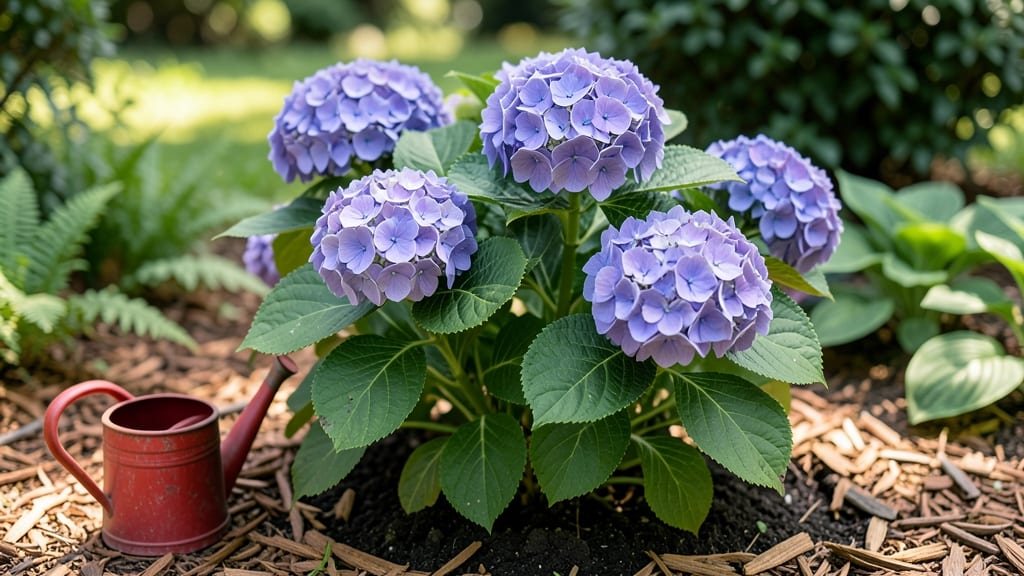
Hydrangeas that keep blooming all summer aren’t luck—they’re science. ✨ The secret lies in two simple habits: deadheading spent blooms and feeding them the right nutrients at the right time. I’ve turned my hydrangeas from one-time showstoppers into nonstop color machines that outlast any store-bought bouquet.
Start with morning sunlight and consistent watering—hydrangeas hate soggy roots but need steady moisture. Then, snip off faded blooms every 2-3 weeks to encourage new growth, and feed them with a balanced fertilizer every 4-6 weeks.
Mopheads and lacecaps both respond, but lacecaps bloom on old wood, so prune them differently. The payoff? Flowers that last from June through September with minimal effort.
You’ll notice fresh buds forming within 2-3 weeks of deadheading, and the blooms stay vibrant and full instead of leggy and sparse. The key is staying ahead of the game—don’t wait until the flowers are completely gone to prune, and never skip the fertilizer.
Even my black-thumb hydrangeas thrive with this routine.
Works for both container and in-ground plants, and adapts to partial shade if needed. Once you master this, your neighbors will ask for your secret—so here’s how to make it happen without the guesswork.
📚 In This Guide
- What you need
- Instructions
- Tips and common mistakes
- Wrapping up and next steps
What you need
- ● Pruning shears or sharp bypass pruners – Look for sterilized, sharp blades (1 pair, ⚠️ Avoid dull tools!
- ● Gloves – Heavy-duty gardening gloves (1 pair) to protect from thorns and sap.
- ● Watering can or hose with a gentle spray nozzle – Aim for 1–2 gallons per plant, 2–3x weekly.
- ● Balanced fertilizer (10-10-10 or 20-20-20) – Slow-release granules or liquid (1–2 lbs per 10 sq ft of garden bed). 💡 Pro tip: Test soil pH first—hydrangeas love acidic (5.2–6.0) for blue blooms or neutral (6.0–7.0) for pink!
- ● Mulch (pine bark or shredded leaves) – 2–3 inches thick to retain moisture and regulate soil temp.
- ● pH adjustment kit (e.g., aluminum sulfate for blue blooms, lime for pink) – Follow package instructions carefully!
- ● Slow-release fertilizer spikes – Convenient for month-long feeding (1–2 spikes per plant).
- ● Plant food with bloom boosters (e.g., Miracle-Gro Blooming Formula) – Rich in phosphorus for extra flowers.
- ● Rain gauge or moisture meter – Ensures consistent hydration without overwatering.
- ● Compost or organic matter – 1–2 cups per plant to enrich soil before planting season.
Step-by-Step guide to deadheading and feeding hydrangeas
Here's the method I rely on to keep hydrangeas blooming from early summer until frost.
✂️ Step 1: Identify and Remove Spent Blooms
Hydrangeas bloom on either old wood (previous year's growth) or new wood (current year's growth), so timing matters. For varieties like Bigleaf or Oakleaf that bloom on old wood, wait until after the current bloom cycle—usually late summer—to prune. For Panicled or Smooth hydrangeas that bloom on new wood, you can prune in early spring.
Use clean, sharp pruners to snip off faded blooms just above the first set of healthy leaves or the first outward-facing bud. This encourages the plant to redirect energy into new flower production. I always wear gloves—hydrangeas can have thorny stems, and the leaves sometimes irritate sensitive skin.
Don't cut into the woody stems unless absolutely necessary. You'll see new buds forming along the stems within a few weeks if you've pruned correctly. If you cut too far down, you risk removing next year's blooms entirely.
💧 Step 2: Water Deeply After Deadheading
Hydrangeas are thirsty plants, especially after pruning. Water deeply to a depth of 12-18 inches immediately after deadheading to help the plant recover and encourage root growth. I use a soaker hose for this—it delivers water directly to the roots without wetting the foliage, which helps prevent fungal diseases.
Check soil moisture daily for the first week after pruning. You'll know it's time to water again when the top 2-3 inches of soil feel dry. Hydrangeas wilt easily if they're drought-stressed, so don't let them go bone-dry. Mulch around the base with 2-3 inches of organic mulch to retain moisture and regulate soil temperature.
☀️ Step 3: Feed with Balanced Fertilizer
Hydrangeas respond well to a balanced, slow-release fertilizer with equal parts nitrogen, phosphorus, and potassium (like a 10-10-10). Apply fertilizer every 4-6 weeks during the growing season, starting in early spring. I like to use a granular fertilizer for ease, but liquid fertilizers work too—just follow the package instructions for dilution.
For blue-flowered hydrangeas, add aluminum sulfate to the soil to lower pH (aim for 5.2-5.5). For pink-flowered varieties, use lime to raise pH (6.0-6.2). Test your soil pH before adjusting—hydrangeas are sensitive to sudden pH shifts, and incorrect adjustments can stress the plant.
Water the plant thoroughly after applying fertilizer to help distribute nutrients into the soil. Avoid over-fertilizing, as this can lead to excessive leaf growth at the expense of flowers. You'll see new flower buds forming within 2-4 weeks after feeding if the plant is healthy.
🌿 Step 4: Monitor for Pests and Diseases
Keep an eye out for common hydrangea pests like aphids, spider mites, or scale insects. These pests suck sap from the leaves and stems, weakening the plant. I spray affected areas with neem oil or insecticidal soap—both are effective and plant-safe when used as directed.
Fungal diseases like powdery mildew or leaf spot can also affect hydrangeas, especially in humid conditions. Improve air circulation by spacing plants 3-5 feet apart and avoid overhead watering. If you notice white powdery spots on leaves, treat with a fungicide and remove any severely infected foliage immediately.
Healthy hydrangeas have vibrant green leaves and firm, upright stems. Yellowing leaves or wilting can signal overwatering, underwatering, or nutrient deficiencies. Adjust your care routine based on what you observe—hydrangeas are forgiving but do best when their needs are met consistently.
⏰ Step 5: Plan for Fall and Winter Care
As summer winds down, reduce watering gradually to prepare the plant for dormancy. Stop fertilizing by mid-August to allow the plant to harden off naturally. For Bigleaf hydrangeas, which are less cold-hardy, I wrap the base of the plant with burlap or frost cloth once temperatures drop below 20°F.
Prune any dead or diseased branches in late winter or early spring, just before new growth begins. This keeps the plant tidy and encourages fresh, vigorous growth. I always sterilize my pruners with rubbing alcohol between cuts to prevent the spread of disease.
With consistent deadheading, feeding, and care, your hydrangeas will reward you with nonstop blooms from early summer until frost. The key is staying attentive—hydrangeas thrive on routine and respond beautifully to a little extra effort.
Tips & tricks for keeping hydrangeas blooming all summer
Here's what nobody tells you about the little details that make all the difference with these thirsty beauties.
Pruning Precision: When deadheading in Step 1, focus on removing only the spent blooms—not the entire stem. The key is cutting just above the first set of healthy leaves or the first outward-facing bud. This small detail ensures you're not accidentally removing next year's flower buds, which form at those nodes. I've learned this the hard way after seeing entire branches go bare the following season.
Watering Wisdom: In Step 2, that deep watering (12-18 inches) is non-negotiable, but timing matters too. Water in the early morning so foliage has time to dry before evening. This simple shift prevents fungal diseases that thrive in damp conditions. I've noticed a dramatic difference in plant health after making this adjustment—fewer yellow leaves and stronger stems throughout summer.
Fertilizer Timing: The 4-6 week feeding schedule in Step 3 works beautifully, but there's a trick to maximize impact: apply fertilizer after a thorough watering. This helps distribute nutrients evenly through the soil profile. I also recommend splitting the recommended dose in half for each application—this prevents nutrient burn while still providing consistent growth. You'll see new flower buds forming within 2-4 weeks if you're consistent.
Winter Protection: For those sensitive Bigleaf varieties, the 20°F threshold in Step 5 is crucial, but don't wait until the last minute. I prepare my frost cloth or burlap wraps by early November, giving myself time to react if cold snaps arrive early. This one preparation step has saved multiple plants from winter damage in my garden.
Pro Tips for Keep Hydrangeas Blooming All Summer
- Here's what nobody tells you about the little details that make all the difference with these thirsty beauties.
- Pruning Precision: When deadheading in Step 1, focus on removing only the spent blooms—not the entire stem.
- Watering Wisdom: In Step 2, that deep watering (12-18 inches) is non-negotiable, but timing matters too.
Frequently asked questions
about keeping hydrangeas blooming all summer—because even the most beautiful flowers need a little extra TLC!Why are my hydrangeas only blooming once?
Most hydrangeas produce flowers on new wood (repeating bloomers like Hydrangea paniculata) or old wood (once-a-year bloomers like Hydrangea macrophylla). Prune at the right time: Paniculata types need summer trims after blooms fade, while macrophylla types should be pruned right after flowering to avoid cutting next year’s buds.
Can I deadhead hydrangeas in late summer?
Yes! Deadhead paniculata hydrangeas (like ‘Limelight’ or ‘Little Lime’) after they’ve bloomed to encourage a second flush. For macrophylla types (like ‘Endless Summer’), wait until late fall or early spring—removing spent blooms now could cut off next year’s buds. Always use clean, sharp shears!
How often should I water hydrangeas for continuous blooms?
Hydrangeas thrive on consistent moisture, especially during heatwaves. Water deeply 2–3 times per week (or daily in extreme heat) and mulch around the base to retain soil moisture. Yellowing leaves or drooping blooms? That’s a cry for hydration!
What’s the best fertilizer for summer-long hydrangea blooms?
Use a balanced, slow-release fertilizer (like 10-10-10) in early spring, then switch to a high-phosphorus formula (like 5-10-5) when buds form. Avoid heavy nitrogen in summer—it fuels leaves over flowers! For a natural boost, try compost tea or fish emulsion every 4–6 weeks.
Why are my hydrangea blooms turning brown and crispy?
Brown, crunchy blooms often signal heat stress, underwatering, or pests. Check for:
- Spider mites (tiny webs on undersides of leaves)
- Powdery mildew (white fuzzy coating)
- Dehydration (soil 2” deep should feel damp)
Wrapping up and next steps
With the right care—like deadheading spent blooms, feeding with balanced fertilizer, and keeping them hydrated—your hydrangeas can burst into nonstop color all summer long. 🌸 Don’t let a little effort stop you; these plants reward patience with stunning, long-lasting blooms that’ll make your garden the envy of the neighborhood!
Ready to see your hydrangeas thrive? Pick your favorite variety, grab your tools, and get pruning and feeding this weekend—your future floral masterpiece starts now!