
Blooming
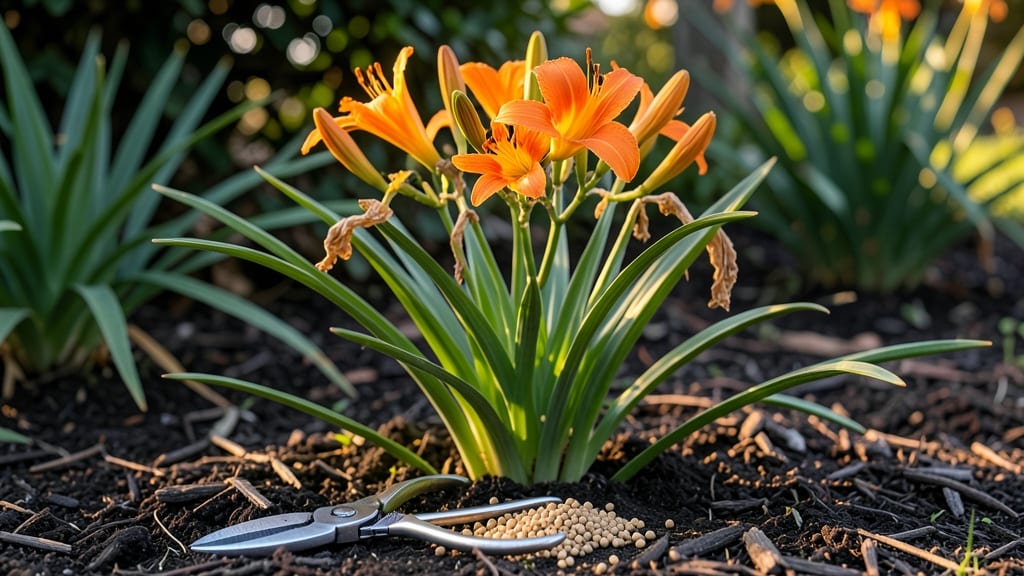
Learn how to get daylilies to rebloom—it’s all about what you do after those first flowers fade, turning one flush into a nonstop summer show with just a few simple tweaks.
I care for them after each flower drops. The secret isn’t complicated, but it’s easy to miss if you’re not paying attention to the right details.
Start with the right reblooming varieties—look for labels like ‘Stella de Oro’ or ‘Happy Returns’—then focus on three key habits: deadheading spent blooms, fertilizing lightly every 6 weeks, and keeping the soil consistently moist but never soggy.
Most gardeners skip the deadheading step, which is the #1 reason daylilies stop reblooming. Even my first attempt last summer proved it—once I started snipping those faded blooms, new buds appeared within weeks.
By mid-summer, you’ll have clusters of fresh blooms opening while the old ones are still fading, creating a continuous color show that lasts until frost. The plants stay healthier too, with stronger stems and more disease resistance.
It’s the kind of transformation that makes neighbors ask, “How’d you do that?”—and I’ll tell you exactly how.
This method works for both in-ground and container daylilies, though container plants may need extra water during heatwaves. The only real requirement is patience—reblooming takes a full season to establish, but once it clicks, you’ll wonder why you ever settled for just one flush of color.
Let’s get those daylilies working for you all summer long.
📚 In This Guide
- What you need
- Instructions
- Tips and common mistakes
- Wrapping up and next steps
What you need
- ● Pruning shears – Sharp, clean (sterilize with rubbing alcohol between cuts to prevent disease).
- ○ Garden gloves – Optional but recommended (nitrile or leather for grip and protection).
- ● Watering can or hose – For post-pruning hydration.
- ● Compost or mulch – 1–2 inches (to retain moisture and nourish roots).
- ● Balanced fertilizer (10-10-10 or 20-20-20) – Apply every 4–6 weeks during growing season.
- ● Daylilies in full sun (6+ hours/day) – Critical! Partial shade may reduce reblooming.
- ● Deadheading scissors – For precise cuts (smaller than pruners, easier on delicate stems).
- ● Plant food spikes – Slow-release granules for low-maintenance feeding.
- ● Mulch ring – 3-inch diameter around base to protect from weeds and retain heat.
- ● pH test kit – Ensure soil pH is 6.0–7.0 (daylilies thrive in slightly acidic to neutral soil).
How to encourage daylilies to rebloom year after year
Reblooming daylilies don’t require magic—just precise timing and a few simple care adjustments.
Deadhead Faded Blooms Promptly
Remove spent blooms within 24 hours of wilting to redirect the plant’s energy toward new flower production. Use clean, sharp pruners to cut the stem just above the first healthy leaf node below the bloom—this prevents disease while encouraging lateral branching. I always inspect the cut stem for signs of rot before trimming; if you spot dark, mushy tissue, sterilize your pruners with rubbing alcohol first.
Here’s the thing—many gardeners wait until flowers fully brown, but that delays reblooming. The moment petals begin to droop, snip them off. You’ll notice new buds forming at the base of the plant within 7-10 days if conditions are right. If your daylilies produce only one flush of blooms, deadheading is your best tool to coax a second round.
Fertilize at the Right Times
Apply a balanced, slow-release fertilizer (10-10-10 or similar) in early spring as new growth emerges, then again after the first flush of blooms fades. I use about ½ teaspoon per plant for established daylilies, spreading it evenly around the base and lightly scratching it into the top inch of soil. Avoid high-nitrogen fertilizers—they promote leafy growth at the expense of flowers.
For reblooming varieties, add a low-phosphorus, high-potassium fertilizer (like 5-10-10) in mid-summer to support root strength and flower production. Water deeply after fertilizing to help nutrients penetrate the soil. You’ll see stronger stems and more abundant blooms if you time this correctly—reblooming daylilies often produce smaller but more frequent flowers, so don’t expect the same dramatic displays as the first flush.
Provide Consistent Moisture Without Overwatering
Daylilies thrive with 1-1.5 inches of water per week, delivered consistently. Let the top 2 inches of soil dry between waterings to prevent root rot, but don’t let the soil become bone-dry—wilting leaves signal stress that can halt reblooming. I water deeply in the early morning to reduce evaporation and fungal risks. Mulch around the base with 2-3 inches of organic mulch (like shredded bark) to retain moisture and regulate soil temperature.
If your daylilies produce blooms but then drop them before opening, they’re likely thirsty. Reblooming varieties are particularly sensitive to moisture fluctuations. During heatwaves, I increase watering slightly but never let the soil stay soggy. You’ll know you’ve got the balance right when the foliage stays vibrant green and new buds appear regularly throughout the season.
Prune and Divide Overgrown Clumps
Daylilies that haven’t been divided in 3-5 years often struggle to rebloom because their energy goes into maintaining crowded roots. In early spring or fall, dig up the clump and separate it into smaller sections, each with 3-5 fans (the individual leaf clusters). Replant the divisions immediately, watering them in well. This rejuvenates the plant and encourages stronger, more frequent blooming.
When pruning, cut back any dead or yellowed leaves to 6 inches tall in early spring. This might seem drastic, but it removes weak growth and lets the plant focus its energy on new shoots. If you notice your daylilies producing fewer blooms each year, division is usually the solution. I’ve revived struggling clumps this way—just be gentle with the roots to avoid damaging them.
Adjust Light and Location for Optimal Reblooming
Most daylilies need full sun (6+ hours daily) to rebloom reliably, but some varieties tolerate partial shade (4-6 hours of sun). If your daylilies are in too much shade, they’ll produce fewer blooms. I’ve found that moving them to a sunnier spot—even just a few feet—can make a dramatic difference in reblooming success.
If your climate is hot and humid, provide afternoon shade during peak summer months to prevent stress. You’ll see the best reblooming results when daylilies get morning sun and afternoon shade in extreme heat. Avoid planting them in low-lying areas where cold air settles in fall—reblooming varieties need consistent warmth to keep producing flowers until frost.
Tips & tricks for encouraging daylilies to rebloom
These simple adjustments will transform your daylilies from one-time bloomers to nonstop flowering stars in your garden.
Precision Deadheading Pays Off: The 24-hour window for deadheading is critical—waiting longer than that means your plant wastes energy producing seeds instead of new blooms. I’ve seen daylilies produce a second flush of flowers within just 7-10 days when deadheaded promptly. For stubborn stems, use a pair of clean pruners and cut just above the first healthy leaf node. This small detail makes all the difference in encouraging lateral branching where new buds will form.
Fertilizer Timing Secrets: The mid-summer application of low-phosphorus, high-potassium fertilizer (like 5-10-10) is often overlooked, but it’s what gives reblooming varieties their second wind. I’ve found that spreading just ½ teaspoon around each established plant—scratching it into the top inch of soil—provides enough nutrients without overwhelming the roots. Remember to water deeply after fertilizing to help those nutrients reach where they’re needed most.
Watering Wisdom for Rebloomers: The 1-1.5 inches of water per week guideline might seem straightforward, but the real trick is consistency. Reblooming daylilies are particularly sensitive to moisture fluctuations—too much and you risk root rot, too little and buds will drop before opening. I’ve noticed that morning watering reduces evaporation and fungal risks, while the 2-3 inches of organic mulch helps maintain even moisture levels throughout the week.
Light Adjustments for Maximum Blooms: Most daylilies need full sun (6+ hours daily) to rebloom reliably, but some varieties can tolerate partial shade (4-6 hours). If your daylilies are in too much shade, consider moving them just a few feet closer to sunlight—this simple adjustment can make a dramatic difference in flower production. In hot climates, providing afternoon shade during peak summer months prevents stress that can halt reblooming.
Pro Tips for Get Daylilies To Rebloom
- These simple adjustments will transform your daylilies from one-time bloomers to nonstop flowering stars in your garden.
- Precision Deadheading Pays Off: The 24-hour window for deadheading is critical—waiting longer than that means your plant wastes energy producing seeds instead of new blooms.
- Fertilizer Timing Secrets: The mid-summer application of low-phosphorus, high-potassium fertilizer (like 5-10-10) is often overlooked, but it’s what gives reblooming varieties their second wind.
Frequently asked questions
about getting daylilies to rebloom—because even the best gardeners need a little extra guidance! Here are answers to the most common questions to keep your daylilies blooming all season.Why won’t my daylilies rebloom after the first flush?
Daylilies often need a little encouragement! If they’re not reblooming, check for overcrowding (they need space to thrive) or poor nutrition (feed with high-phosphorus fertilizer in early spring). Some varieties are naturally once-blooming, but most rebloomers just need deadheading and proper care.
When is the best time to deadhead daylilies for reblooming?
Deadhead immediately after blooms fade to redirect energy to new flowers. For rebloomers, aim to trim spent blooms every 2–3 days during peak bloom season. Avoid cutting into the seed pod—just snip above the first healthy leaf node below the bloom.
Can I still get reblooms if I missed deadheading?
Don’t worry—it’s not too late! If you missed deadheading early, focus on watering deeply and fertilizing (use a balanced 10-10-10 or bloom booster). Some daylilies may still produce secondary blooms later in the season, though yields may be smaller.
What’s the difference between deadheading and pruning daylilies?
Deadheading = removing spent blooms to encourage more flowers. Pruning = cutting back foliage (usually in fall) to clean up the plant. For reblooming, deadhead regularly, but avoid heavy pruning until after the first frost—unless your plant looks leggy or diseased.
Are there daylily varieties that rebloom more easily?
Yes! Look for reblooming cultivars like ‘Stella de Oro’ (compact, prolific), ‘Happy Returns’ (long bloom season), or ‘Pardon Me’ (vibrant reblooms). These varieties are bred to perform well with deadheading and thrive in USDA Zones 3–10.
| Quick Troubleshooting | Solution |
|---|---|
| No reblooms after deadheading | Check for pests (aphids, spider mites) or root rot. Divide overcrowded clumps every 3–4 years. |
| Leggy stems with few blooms | Add a low-nitrogen fertilizer (like 5-10-10) and ensure full sun (6+ hours/day). |
| Blooms fading too quickly | Water at the base (not leaves) and mulch to retain moisture. Avoid afternoon watering. |
Wrapping up and next steps
Getting your daylilies to rebloom is all about consistent care—deadheading, feeding, and a little patience! 🌸 With the right techniques, you’ll enjoy nonstop color from spring to frost. Start small: pick one plant to experiment with, and soon, your whole garden will be buzzing with blooms.
Ready to transform your yard? Grab your pruners, head to the garden center for a balanced fertilizer, and watch those daylilies shine again! 🌿