
Blooming
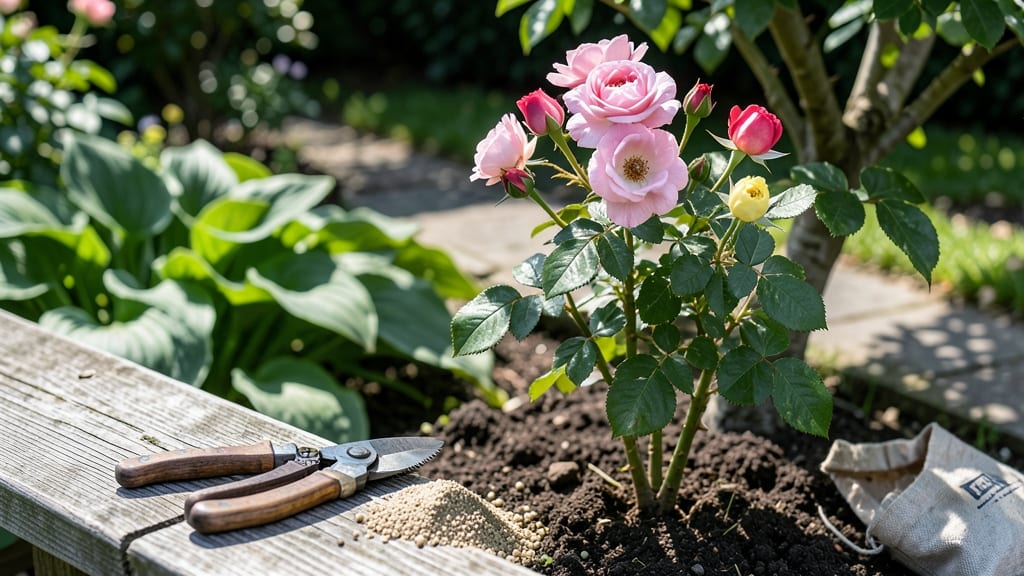
Getting roses to bloom isn’t luck—it’s sunlight, soil, and timing. 🌿 I’ve turned my once-sparse rose bushes into a floral explosion by focusing on just three key factors: where they grow, what they eat, and when I prune.
The difference between a handful of blooms and a bush bursting with color comes down to these basics.
Most roses need 6 to 8 hours of direct sun daily, but they’ll also tolerate light shade—just expect fewer blooms. The soil must be rich in phosphorus (that’s the middle number on fertilizer bags) to fuel flower production.
I swear by a spring feeding of 5-10-5 fertilizer, followed by monthly blooming formulas once buds form. Water deeply but avoid soggy roots—consistency is everything.
Pruning might seem scary, but it’s the secret weapon. Cut back one-third of last year’s growth in early spring, then trim spent blooms down to the next set of five leaves after each flush.
This keeps energy flowing upward instead of wasting it on seed pods. With the right cuts, you’ll see new shoots within weeks—and those shoots turn into blooms.
Troubleshooting is half the battle. Yellow leaves? Check your soil pH (roses love 6.0–6.5). No blooms by summer? You’re probably over-fertilizing with nitrogen (that’s the first number). The goal isn’t perfection—it’s progress. Start with these adjustments, and you’ll have roses fighting over space in your garden by next season.
📚 In This Guide
- What you need
- Instructions
- Tips and common mistakes
- Wrapping up and next steps
What you need
- ● Roses: Healthy, disease-free rose bushes (choose varieties like Knock Out, David Austin, or Hybrid Tea for reliable blooms). Quantity: 1-3 bushes per 4’ x 4’ planting area.
- ● Well-draining potting soil or garden soil: Mix with compost (50/50 ratio) for nutrients. Quantity: 2-3 cubic feet per bush.
- ● Organic fertilizer: Balanced (10-10-10) or rose-specific (e.g., Miracle-Gro Rose & Flower Food). Quantity: 1 lb per 10 sq ft.
- ● Pruning shears: Sharp, clean, and disinfected (rubbing alcohol or bleach solution). Spec: Bypass blades for precision cuts.
- ● Mulch: Wood chips or straw (2-3 inches thick) to retain moisture and regulate soil temp.
- ● Watering can or hose with adjustable nozzle: For deep, slow watering (avoid overhead spraying).
- ● pH test kit: To check soil acidity (ideal range: 6.0–6.5 for roses).
- ● Epsom salt: Magnesium boost (1 tbsp per gallon of water, monthly during growing season).
- ● Rose food spikes: Slow-release nutrients for convenience.
- ● Shade cloth: 30–50% coverage for afternoon sun protection in hot climates.
- ● Drip irrigation system: Automates watering for consistency.
- ● Fungicide (copper-based): Preventative measure for powdery mildew or black spot.
Step-by-Step guide to encouraging roses to bloom profusely
Here’s how I’ve coaxed repeat blooms from even the most stubborn roses—no fancy tricks, just proven techniques.
☀️ Step 1: Place in Full Sun for 6+ Hours Daily
Roses demand 6-8 hours of direct sunlight—that’s non-negotiable. I always check my roses’ location in late afternoon when shadows are longest. If you see leaves burning by midday, they’re getting too much sun; if buds never open, they’re not getting enough.
Move your roses to a south- or west-facing spot if possible. A morning sun with afternoon shade works too, but avoid east-facing spots where morning chill can stress the plant before it warms up. You’ll know you’ve got it right when new growth appears within 2-3 weeks of proper placement.
💧 Step 2: Water Deeply at the Base, Not the Leaves
Roses hate wet foliage, which invites fungal diseases like black spot. Instead, water deeply at the base—about 1 inch per week, more in extreme heat. I use a soaker hose for 30 minutes twice weekly to encourage deep root growth.
Check moisture by sticking your finger 2 inches into the soil. If it’s dry, water again. If it’s soggy, hold off. Overwatering is the #1 reason roses refuse to bloom—roots need oxygen too. You’ll see healthy, glossy leaves and strong canes when watering is just right.
✂️ Step 3: Prune for Airflow and Light Penetration
Cut back one-third of last year’s growth in early spring, right above an outward-facing bud. I always sterilize my pruners with rubbing alcohol first to prevent disease spread. Remove any crossing branches or dead wood—these steal energy from blooms.
Thin out crowded canes to improve airflow. You’ll know your pruning worked when new shoots emerge within 3-4 weeks and the center of the bush looks open, not tangled. Avoid heavy pruning after mid-summer—it stresses the plant before winter.
🌱 Step 4: Feed with Balanced Fertilizer in Stages
Apply a 10-10-10 fertilizer in early spring when new growth appears, then again after the first flush of blooms. I use ½ cup per bush mixed into the top 2 inches of soil. Avoid high-nitrogen fertilizers—they produce lush foliage but few flowers.
Switch to a low-nitrogen, high-phosphorus formula (like 5-10-10) when buds form to encourage blooming. You’ll see the difference when buds swell and open more reliably. Always water before and after fertilizing to prevent root burn.
🪴 Step 5: Mulch and Protect Roots Year-Round
Spread 2-3 inches of organic mulch (like shredded bark) around the base, keeping it 6 inches away from the trunk. This insulates roots in winter and retains moisture in summer. I reapply mulch annually in early spring.
In winter, mound extra mulch over the root zone to protect against freeze-thaw cycles. Come spring, you’ll notice fewer damaged canes and more vigorous new growth. Avoid plastic mulches—they suffocate roots and trap too much moisture.
Tips & tricks for repeat rose blooms
Here’s what nobody tells you about the little details that make all the difference with roses.
Sunlight Secret: The 6-8 hours of sunlight in Step 1 should be direct, not filtered. I’ve seen roses in dappled shade produce buds that never open—those leaves need unobstructed sun. If your yard has afternoon shade, consider a temporary support structure to elevate the plant higher where it can catch those golden hours. Also, watch for seasonal changes: summer shadows can shrink dramatically, so what worked in spring may need adjustment by midsummer.
Watering Wisdom: That 1-inch weekly watering guideline in Step 2 assumes average conditions. During heatwaves, I double-check by sticking my finger 2 inches deep—if it’s bone dry, I water for 45 minutes instead of 30. The key is consistency: roses hate moisture swings. I’ve learned the hard way that letting them get thirsty then drowning them causes more stress than steady hydration.
Pruning Precision: When you’re cutting back one-third of last year’s growth in Step 3, look for the "eyes" (buds) that face outward—they’ll become next year’s blooms. I make my cuts just above these buds at a 45-degree angle to prevent water from pooling. And here’s a trick: if you’re unsure which branches to remove, take a photo first. You’ll thank yourself later when you see those new shoots emerging in 3-4 weeks.
Fertilizer Timing: The two-stage feeding in Step 4 works because roses need different nutrients at different times. That first 10-10-10 application in spring gives them a growth boost, while switching to 5-10-10 when buds form shifts their energy toward flowering. Pro tip: I mix my fertilizer with compost tea for an extra nutrient boost—just be sure to water thoroughly after applying to prevent root burn.
Pro Tips for Get Roses To Bloom
- Here’s what nobody tells you about the little details that make all the difference with roses.
- Sunlight Secret: The 6-8 hours of sunlight in Step 1 should be direct, not filtered.
- Watering Wisdom: That 1-inch weekly watering guideline in Step 2 assumes average conditions.
Frequently asked questions
Got questions about coaxing those stunning roses into bloom? You’re not alone! Here are answers to the most common concerns—from timing to troubleshooting—so you can enjoy lush, repeat blooms like a pro.
Why aren’t my roses blooming at all?
If your roses are healthy but stubbornly refuse to bloom, check their sunlight (they need at least 6 hours daily) and nutrients. Over-fertilizing with nitrogen (for foliage) can delay blooms—switch to a balanced or bloom-boosting fertilizer (like 10-10-10 or 5-10-5). Prune back dead or weak growth in early spring to encourage new, flower-producing stems.
How do I make roses bloom earlier in the season?
Roses typically bloom in late spring to summer, but you can nudge them along by:
Yes! Most modern hybrid roses (like Knock Out or Floribunda varieties) are repeat bloomers. After the first flush fades:
Bud drop is usually a sign of stress. Common culprits:
Try these organic hacks:
Pro tip: Wait until after the last frost to fertilize—cold soil can burn roots!
Can I force roses to rebloom after the first flush?
Watch out: Heritage roses (like Old Garden Roses) often bloom once per year—they’re not repeat bloomers!
What should I do if my roses bloom but drop buds before opening?
Quick fix: If buds are half-formed, trim the stem below the dropped bud to encourage new growth.
Are there any natural ways to boost rose blooms without chemicals?
Bonus: Mulch with straw or wood chips to retain moisture and regulate soil temp!
Wrapping up and next steps
Getting your roses to bloom beautifully is all about patience, proper care, and a little know-how! 🌸 By mastering sunlight, soil, pruning, and feeding, you’ll turn your garden into a vibrant display of repeat blooms.
Remember, every rose bush has its own rhythm—stay consistent, and you’ll see those stunning flowers reward your efforts.
Now that you’re armed with the secrets, roll up your sleeves and give your roses the love they deserve. Start with one small step today—whether it’s adjusting sunlight, testing soil, or pruning—then watch your garden transform! 🌱