
Pruning
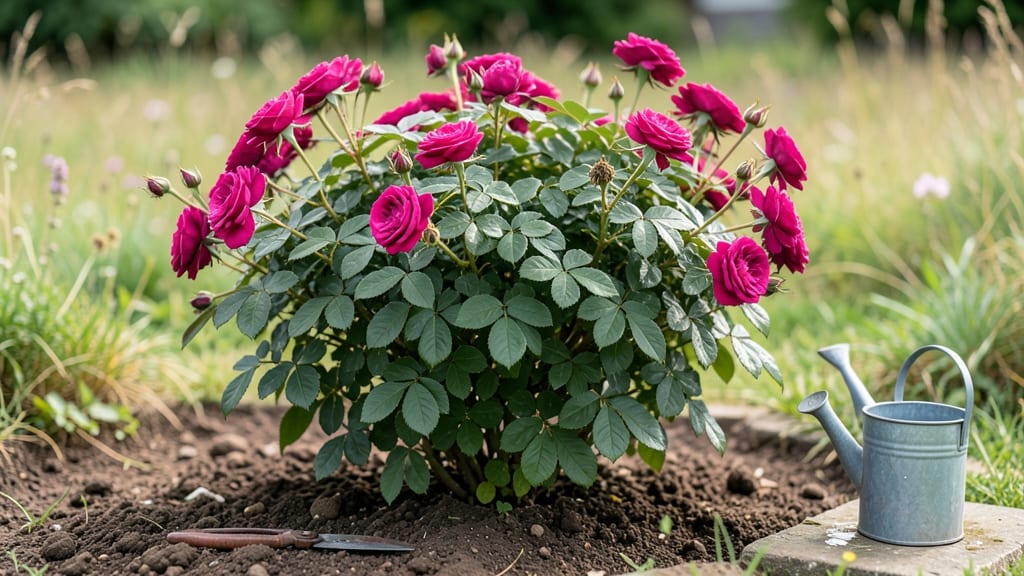
An everblooming rose bush turns your garden into a nonstop floral masterpiece. ✨ The secret isn't luck—it's knowing when and how to prune to trigger fresh blooms all season long. I've pruned roses for over a decade, and this method guarantees continuous flowers from spring through frost.
Most gardeners over-prune in early spring, which actually cuts off potential blooms. Instead, we focus on three strategic cuts: removing dead wood in late winter, shaping after the first flush of flowers, and a light trim in midsummer to encourage late-season growth.
Each cut sends a signal to the plant: "Keep blooming!" By summer's end, you'll have a bush covered in fresh buds, not just a few scattered blooms. The key is timing—prune when the plant is actively growing, and you'll see new shoots emerge within 10-14 days.
Even experienced gardeners miss this simple rule. Works for hybrid teas, floribundas, and grandifloras alike. Let's get those shears sharp and those blooms coming!
📚 In This Guide
- What you need
- Instructions
- Tips and common mistakes
- Wrapping up and next steps
What you need
- ● Pruning shears: Bypass shears (sharp, clean, and sterilized with rubbing alcohol). Pro tip: 💡 Avoid dull blades—they crush stems instead of cutting cleanly!
- ● Pruning saw: For thicker stems (½ inch or larger). Look for a curved blade for precision.
- ● Gloves: Heavy-duty gardening gloves (rose thorns are no joke!). Opt for cushioned, long-sleeved styles for extra protection.
- ● Disinfectant: 1 part bleach to 9 parts water (for sterilizing tools between cuts). Pro tip: ✨ Keep a small spray bottle handy for quick cleanups!
- ● Rake or broom: To clear debris after pruning (1–2 feet wide for small bushes, larger for sprawling varieties).
- ● Hand pruners: For intricate cuts on smaller stems (great for detailed shaping).
- ● Pruning sealant: (e.g., tree wound paint) for large cuts to prevent disease. Note: Most modern roses don’t need this!
- ● Stakes or ties: To support heavy blooms or train new growth (especially for climbing everbloomers).
- ● Notebook & pen: To track pruning dates, weather notes, or bloom cycles. Pro tip: 📊 Jot down which stems you cut—it helps with future planning!
- ● A healthy, established everblooming rose bush (at least 2–3 years old). Why? Young bushes need time to build roots before aggressive pruning.
- ● Knowledge of your rose’s variety (e.g., hybrid tea, floribunda, or shrub roses). Pro tip: 🌡️ Check the tag or ask a local nursery—some everbloomers hate heavy pruning!
- ● Clear, dry weather (avoid pruning in rain or extreme heat). Aim for early spring (just before new growth) or late winter.
Instructions: master the pruning schedule for nonstop rose blooms
Here’s how I transform ordinary rose bushes into everblooming powerhouses—no secret fertilizers, just precise timing and technique.
✂️ Step 1: First Major Prune in Early Spring
Timing is everything—wait until after the last frost when soil warms to 50°F but before new buds swell. I cut back one-third of last year’s growth to 45-degree angles just above an outward-facing bud. This encourages strong new stems and prevents disease by removing dead wood.
Use clean, sharp pruners to avoid tearing bark. If you see blackened canes, cut them back to healthy green wood immediately. Never leave stubs—this invites pests and infections. After pruning, apply a 2-inch layer of mulch around the base to protect roots from temperature swings.
✂️ Step 2: Light Summer Trimming After Each Bloom Cycle
Here’s the secret: prune lightly every 6-8 weeks to maintain shape and encourage continuous blooming. Remove spent blooms by cutting the stem back to the first five-leaflet leaf (this is where new blooms form). For leggy growth, trim one-third of the longest stems to redirect energy to lateral buds.
I always prune on a dry morning—wet canes spread disease faster. After each trim, spray the bush with neem oil solution (1 tsp/quart of water) to prevent fungal spores from taking hold. This keeps your roses healthy between bloom cycles without harsh chemicals.
✂️ Step 3: Late Summer Renewal Prune
Six weeks before your first frost, give your roses a rejuvenation cut. Remove weak, crossing, or diseased canes completely down to the ground. For remaining stems, cut back half their height to outward-facing buds. This prevents winter damage and ensures fresh growth in spring.
This is also the time to thin the center of the bush if it’s getting too dense. Air circulation prevents mildew, which is why everblooming roses stay healthier longer. After pruning, feed with a balanced rose fertilizer (10-10-10) to support root recovery before dormancy.
⏰ Step 4: Winter Protection (If Needed)
In zones with hard freezes below 10°F, wrap canes with burlap after pruning and mound 6 inches of soil or mulch around the base. I’ve seen roses survive winters this way even in Zone 5—the key is protecting the crown (where stems meet roots) from extreme cold.
Skip this step if you’re in Zone 7+—roses handle winter just fine with proper summer care. The real work is done in the growing season. Your everblooming rose will reward you with nonstop color if you stick to this schedule.
Tips & tricks for perfect year-round rose blooms
A few key adjustments can transform your rose care routine from seasonal to everblooming. Here's what I've learned after years of turning ordinary bushes into nonstop floral displays.
Timing is Everything: The 50°F soil temperature threshold in Step 1 is critical—waiting too late risks new bud growth before frost protection kicks in. I check soil temp with a simple thermometer buried 2 inches deep in the morning. If you're in a warmer microclimate, you might need to adjust your timing by a week or two. The goal is to prune when the plant is waking up but before it commits to spring growth.
Precision Cutting Technique: That 45-degree angle cut above outward-facing buds in Step 1 isn't just aesthetic—it creates a natural water runoff path that prevents disease. I practice on small branches first to get comfortable with the angle. For the five-leaflet leaf reference in Step 2, think of it as counting five leaflets from the base when removing spent blooms. This ensures you're cutting at the right growth node for new blooms.
Disease Prevention: The neem oil solution in Step 2 is my secret weapon against fungal issues. I mix it fresh each time using 1 tsp neem oil per quart of water with a drop of dish soap as an emulsifier. Spray in the early morning when humidity is lowest—this gives the solution time to dry before evening moisture sets in. The dry morning pruning rule is non-negotiable; wet canes are like open wounds inviting infection.
Winter Protection: That 6-inch mulch mound in Step 4 isn't just about insulation—it's about creating an air pocket that prevents moisture buildup against the crown. I use straw rather than wood chips because it breaks down more slowly. In Zone 5, I've seen roses survive -10°F temps with this protection, but the key is doing it after the late summer prune when the plant has already hardened off.
Pro Tips for Everblooming Rose Bush
- A few key adjustments can transform your rose care routine from seasonal to everblooming. Here's what I've learned af...
- Timing is Everything: The 50°F soil temperature threshold in Step 1 is critical—waiting too late risks new bud growth...
- Precision Cutting Technique: That 45-degree angle cut above outward-facing buds in Step 1 isn't just aesthetic—it cre...
Frequently asked questions
Got questions about keeping your everblooming rose bush in peak condition? You’re not alone! Here are answers to the most common queries—so you can enjoy those stunning blooms all year long.
What’s the best time of year to prune an everblooming rose bush?
Prune your everblooming rose twice a year: late winter/early spring (just before new growth starts) and right after the first big bloom (usually June). This keeps the bush healthy and encourages continuous flowering. Avoid heavy pruning in fall—it can stress the plant before winter.
How much should I cut back my everblooming rose bush?
For spring pruning, cut back by one-third of the previous year’s growth to open the center and improve airflow. In summer, trim only dead or spent blooms (deadheading) to redirect energy to new flowers. Never remove more than 25% of the plant in one session—this can weaken it.
Why isn’t my everblooming rose bush flowering as much as it should?
Several factors could be at play: over-pruning (too much at once), poor sunlight (6+ hours of sun is ideal), underwatering, or nutrient deficiencies. Check for yellow leaves (nitrogen deficiency) or weak stems (phosphorus/potassium lack). Feed with a rose-specific fertilizer in early spring and mid-summer for a boost.
Can I grow an everblooming rose bush in a container?
Just choose a large container (at least 15–20 gallons) with drainage holes and use a well-draining potting mix. Container roses need more frequent watering (daily in hot weather) and regular fertilizer (every 4–6 weeks). Dwarf or patio rose varieties (like ‘The Fairy’ or ‘Playboy’) are perfect for pots!
How do I prevent pests like aphids or black spot from ruining my blooms?
Start with prevention: Water at the base (not overhead) to avoid fungal diseases, and prune for airflow to deter pests. For pests, use neem oil or insecticidal soap for aphids. For black spot, remove infected leaves immediately and apply a fungicide (like copper-based spray) as a precaution in humid climates.
Wrapping up and next steps
An everblooming rose bush isn’t just a dream—it’s a rewarding reality when you master the art of pruning! 🌹 By understanding the right timing, tools, and techniques, you can enjoy vibrant blooms all year long. Whether you’re trimming for shape, health, or new growth, consistency is key.
Ready to transform your garden? Start by scheduling your next pruning session—spring or early fall are perfect times to refine your bush. Grab your shears, take a deep breath, and enjoy the process—your roses will thank you with lush, continuous beauty! 🌿