
Blooming
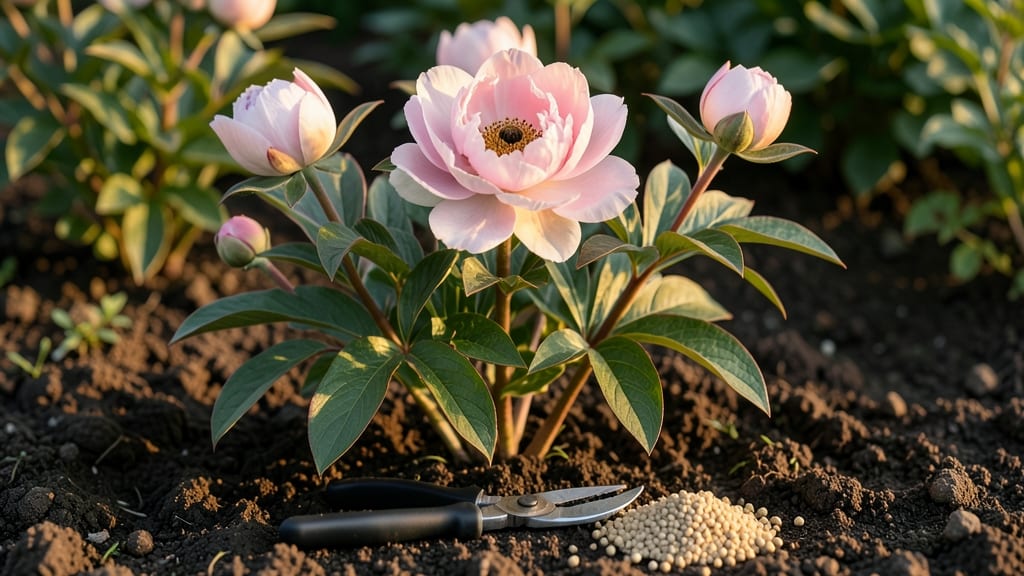
Getting more peony blooms starts with a single cut—done right, it transforms a handful of flowers into a dramatic explosion of color by summer. 🌸 I’ve watched my peonies go from sparse, floppy blooms to a lush, repeat-flowering spectacle just by adjusting three key habits: when to prune, how to feed, and the secret timing for deadheading.
Most gardeners over-prune in fall, which actually weakens next year’s blooms. Instead, wait until late spring when the foliage turns yellow—then cut back to the ground. Feed with a balanced organic fertilizer in early spring and again after blooming, and you’ll see stems thicken and flowers multiply.
The difference between a single flush of blooms and three waves of color comes down to these small adjustments. By summer, you’ll be snipping spent blooms just above a leaf node, encouraging the plant to redirect energy into new buds.
The stems will stay sturdy, the flowers larger, and your neighbors will wonder how you got so many peonies. It’s not magic—it’s smart pruning, patient feeding, and a little deadheading know-how. Works for herbaceous peonies in zones 3-8, whether in garden beds or containers.
Let’s turn those floppy stems into a showstopper!
📚 In This Guide
- What you need
- Instructions
- Tips and common mistakes
- Wrapping up and next steps
What you need
- ● Pruning shears or sharp bypass pruners – Clean, sterilized, and sharp (avoid dull tools that crush stems).
- ● Garden gloves – Thick, cut-resistant gloves (peony stems can be thorny!).
- ● Compost or well-aged manure – 2–3 gallons per plant (for feeding).
- ● Balanced fertilizer (10-10-10 or 5-10-10) – Follow label instructions for dosage (spring and fall applications).
- ● Mulch (straw, wood chips, or shredded leaves) – 2–3 inches deep (to retain moisture and suppress weeds).
- ● Watering can or hose with a gentle spray nozzle – For deep, even watering (peonies hate soggy roots!).
- ● Epsom salt (magnesium sulfate) – 1 tablespoon per foot of plant height (boosts blooms if soil is deficient).
- ● Copper fungicide – Prevents fungal diseases (especially in humid climates).
- ○ Plant supports (stakes or cages) – For heavy blooms (optional but saves your back!).
- ● Soil test kit – To check pH and nutrient levels (ideal pH: 6.5–7.0).
Step-by-Step instructions for maximizing peony blooms
Peonies reward patience—here’s how to coax them into a second flush of blooms every season.
✂️ Step 1: Prune After First Bloom Fade
Wait until the first blooms fully fade and the foliage turns yellow before pruning. Cut stems back to 1-2 inches above the ground—this prevents disease buildup in old stems while preserving next year’s buds. I always use clean, sharp pruners to avoid tearing the stems, which can invite fungal infections.
Real talk: Don’t prune too early. If you cut back while foliage is still green, you’re removing the plant’s energy source for next year’s blooms. Think of it like letting the plant bank energy for winter—you’ll see bigger, stronger blooms in spring.
💧 Step 2: Water Deeply During Dormancy
After pruning, water the base of the plant deeply to 12 inches down—this encourages root growth for next season. Peonies hate soggy soil, but they also need consistent moisture during their dormant period. I check soil moisture by sticking my finger 3 inches deep; if it’s dry, it’s time to water.
Here’s the thing—overwatering now causes rot, but underwatering stresses the plant. Aim for 1 inch of water per week during dormancy, adjusting for rainfall. A soaker hose works best to deliver water slowly without disturbing the roots.
☀️ Step 3: Feed with Balanced Fertilizer in Early Spring
When you see new shoots emerge in early spring, apply a 10-10-10 balanced fertilizer around the base (not touching the crown). Peonies don’t need heavy feeding, but they do respond well to a light boost of nitrogen, phosphorus, and potassium. I use 2 tablespoons per plant and water it in thoroughly.
Skip phosphorus-heavy fertilizers—they promote leaf growth at the expense of blooms. You’ll notice stronger stems and more buds forming within a few weeks if the timing is right. This is the moment that matters: feed too early, and you’ll get lush foliage but no flowers.
🌱 Step 4: Deadhead Strategically for Repeat Blooms
For a second flush of blooms, deadhead only the spent blooms of herbaceous peonies (not tree peonies). Once a bloom fades, snip the stem back to the first set of leaves below the flower. This redirects the plant’s energy from seed production to new flower buds.
Don’t cut too aggressively—leave at least 2-3 inches of stem to support next year’s growth. I always use clean shears and sterilize them with rubbing alcohol between cuts to prevent spreading disease. By late summer, you’ll see fresh buds forming if you’ve done it right.
⏰ Step 5: Mulch and Protect in Late Fall
After the first hard frost, apply a 3-inch layer of mulch around the base (but not touching the crown). This insulates the roots and prevents temperature swings that can stress the plant. I use shredded bark or straw—avoid thick layers that trap too much moisture.
Here’s where it gets fun—watch for new shoots in early spring. If you’ve mulched correctly, the soil will stay evenly moist through winter, and you’ll get a head start on next year’s blooms. Peonies are tough, but a little winter protection goes a long way for long-term health.
Tips & tricks for perfect peony blooms
Took me years to figure out these secrets—here’s how to turn your peonies into a repeat-blooming superstar.
Pruning Precision: When you cut those stems back to 1-2 inches above ground in Step 1, make sure you’re looking for completely faded blooms with yellowing foliage. I’ve learned the hard way that cutting too soon (when stems are still green) robs your plant of its energy reserves—think of it like taking money out of your retirement account early. For stubborn stems, use a sharp pair of pruners and make clean cuts at a 45-degree angle to prevent water from pooling and causing rot.
Deadheading Technique: In Step 4, when you’re deadheading for that second flush, focus on cutting just above the first set of leaves below the flower. This is where the magic happens—the plant redirects its energy from seed production to forming new buds. I always sterilize my shears between cuts with rubbing alcohol to prevent spreading disease, especially when working with multiple blooms. The goal is to leave enough stem to support next year’s growth while still encouraging new flowers.
Fertilizer Timing: The 2 tablespoons of 10-10-10 balanced fertilizer in Step 3 should be applied when you see those first green shoots poking through the soil in early spring. This timing is critical because feeding too early can result in lush foliage but no blooms. I’ve found that applying the fertilizer around the base (not touching the crown) prevents burning the delicate roots. For an extra boost, water it in thoroughly to help the nutrients reach the roots where they’re needed most.
Mulching Strategy: That 3-inch layer of mulch in Step 5 is your winter insulation blanket. I’ve had the best results with shredded bark or straw—both allow water to penetrate while protecting roots from temperature swings. The key is to apply it after the first hard frost and keep it away from the crown to prevent rot. In my experience, properly mulched peonies emerge stronger in spring and produce more abundant blooms throughout the season.
Pro Tips for Get More Peony Blooms
- Took me years to figure out these secrets—here’s how to turn your peonies into a repeat-blooming superstar.
- Pruning Precision: When you cut those stems back to 1-2 inches above ground in Step 1, make sure you’re looking for completely faded blooms with yellowing foliage.
- Deadheading Technique: In Step 4, when you’re deadheading for that second flush, focus on cutting just above the first set of leaves below the flower.
Frequently asked questions
Got questions about maximizing those dreamy peony blooms? You’re not alone! Here are some of the most common queries—plus straightforward answers to help you grow like a pro.
Why aren’t my peonies blooming as much as they used to?
Peonies often slow down blooms after 3–5 years, especially if they’re overcrowded or underfed. Check for dense foliage—thin out stems in early spring to improve airflow. Also, ensure they’re in full sun (6+ hours/day) and amend soil with compost or a balanced fertilizer (like 10-10-10) in early spring.
When is the best time to prune peonies for more blooms?
Prune after blooms fade (late spring/early summer), cutting stems back to just above a leaf node (about 2 inches from the base). Never prune in fall or winter—this can damage buds forming for next year. For herbaceous peonies, cut back to the ground in late fall, but leave tree peonies until spring.
Does deadheading peonies encourage more flowers?
Yes! Deadheading (removing spent blooms) redirects energy to new flower buds instead of seed production. Snip stems just above a leaf node with clean shears. Skip deadheading if you want peonies to self-seed—just let the seed pods mature naturally.
Can I grow peonies in containers for better bloom control?
Container-grown peonies (especially tree peonies) thrive with well-draining soil and regular feeding. Use a large pot (18"+ diameter) and repot every 2–3 years. Place in full sun and water deeply when the top inch of soil dries out. Herbaceous peonies struggle in pots long-term—they prefer deep roots in the ground.
What should I do if my peony leaves turn yellow or wilt?
Yellow leaves often signal overwatering or poor drainage. Ensure soil drains well (peonies hate soggy roots!) and water only when the top 2–3 inches of soil are dry. Wilting can also mean underwatering or root rot. If roots look mushy, trim affected areas and repot in fresh soil. Fungal issues? Space plants for airflow and avoid wetting foliage.
Wrapping up and next steps
Growing peonies with abundant blooms is all about patience, care, and a little know-how! By mastering proper pruning, feeding, and deadheading, you’ll unlock their full potential—year after year. 🌸 Don’t forget: healthy soil, consistent watering, and a little winter prep make all the difference.
Ready to transform your garden? Start by applying these tips this season, and soon, you’ll be the envy of the neighborhood with dramatic, repeat blooms. Next, explore peony varieties to find the perfect match for your space—happy gardening! ✨