
Blooming
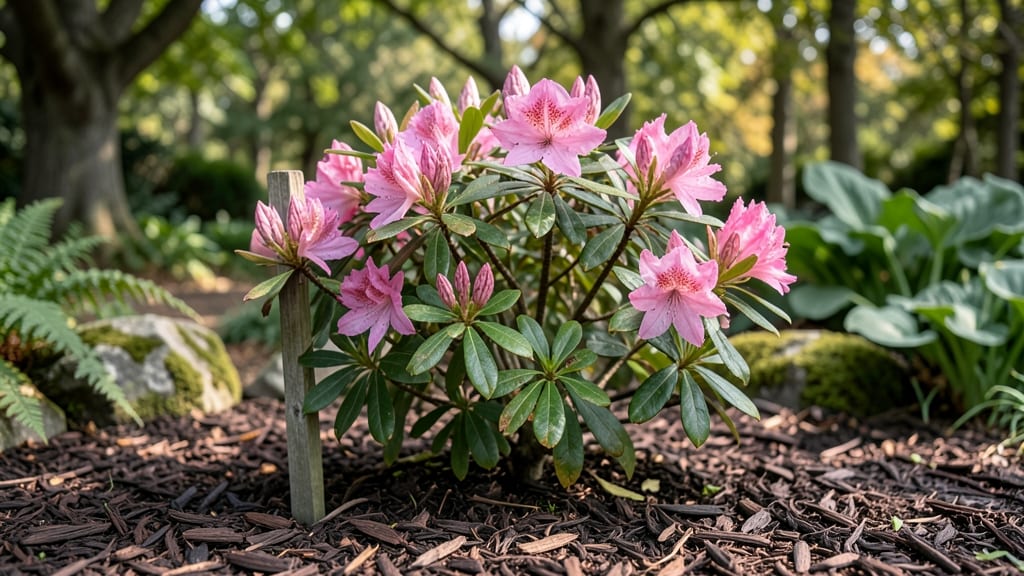
Transform your azaleas from one-time bloomers into season-long showstoppers with the right care. 🌸 I learned the hard way that most azaleas bloom once and call it quits—but repeat bloomers reward patience with three to four flushes of flowers per season.
The secret lies in pruning, feeding, and deadheading at the right times, plus a few soil and watering tweaks that make all the difference.
Start with well-draining, acidic soil (pH 4.5–6.0) and morning sun with afternoon shade—too much direct sun scorches blooms. Feed with slow-release azalea fertilizer in early spring and again after the first bloom, then water consistently to keep roots moist but never soggy.
Most gardeners skip the deadheading step, but snipping spent flowers within 24 hours prevents seed pods and redirects energy to new buds.
By mid-summer, you’ll see fresh buds forming if you’ve pruned correctly—lightly after each bloom cycle to open the plant’s center. My azaleas now put on three times more flowers than they used to, and the scent lingers for weeks.
The key is consistency: prune, feed, and deadhead every time, and your plants will keep blooming until frost.
This method works for Knock Out, Encore, and most hybrid azaleas, but avoid pruning heavily in fall—it cuts off next year’s buds. For troubleshooting, yellow leaves mean overwatering or alkaline soil, while no buds usually signals underfeeding or too much shade.
Stick with it, and your azaleas will become the jealousy-inducing centerpiece of your garden.
📚 In This Guide
- What you need
- Instructions
- Tips and common mistakes
- Wrapping up and next steps
What you need
- ● Pruning shears: Bypass pruners (sharp, clean, and sterilized with rubbing alcohol). Quantity: 1 pair.
- ● Gloves: Heavy-duty gardening gloves (to protect from thorns and sap). Quantity: 1 pair.
- ● Fertilizer: Azalea-specific fertilizer: Acid-loving blend (e.g., Miracle-Gro Azalea, Camellia & Rhododendron). Quantity: 1 bag (follow label rates).
- ○ Slow-release granules: Optional for convenience (e.g., Osmocote Smart-Release Plant Food).
- ● Deadheading tool: Small pruners or clean scissors (for snipping spent blooms). Quantity: 1.
- ● Mulch: Pine bark or pine needles (to maintain acidic soil). Quantity: 2–3 inches (enough to cover root zone).
- ● Watering can or hose: With a gentle spray nozzle (for post-pruning hydration).
- ● Know your azalea type: Repeat bloomers (e.g., Kurume, Satsuki) vs. once-blooming varieties (prune differently!).
- ● Timing: Prune after the first bloom cycle (late spring/early summer) and lightly in fall.
- ○ pH test kit: Optional but helpful (azaleas thrive in pH 4.5–5.5).
- ○ Epsom salt: Optional (1 tbsp/gallon of water) for magnesium boost if leaves look yellow.
- ● Plant support: Stakes or cages (if azaleas are leggy or top-heavy).
How to coax repeat blooms from azaleas
Here's the method I swear by to turn one-season wonders into year-round floral displays.
✂️ Step 1: Prune After First Bloom Fade
Wait until your azalea's first flush of flowers has completely faded and the foliage begins to harden—this is your cue to prune. I always use clean, sharp pruners to make cuts just above the first set of leaves below the spent blooms. This encourages new buds to form on the current season's growth.
Never cut into old wood—those branches won't produce flowers again. Aim to shape the plant lightly while removing about one-third of the oldest stems. The goal is to open up the center for better airflow, which prevents fungal diseases that can stress the plant and reduce blooming.
💧 Step 2: Water Deeply and Adjust Soil pH
Azaleas thrive in consistently moist but never soggy soil. After pruning, water deeply until you see moisture emerge from the drainage holes. I like to use a rain gauge to track 1-1.5 inches of water weekly—more in extreme heat, less during rainy periods. Mulch with 2-3 inches of pine bark to retain moisture and gradually acidify the soil.
Test your soil pH—azaleas demand acidic conditions between 4.5 and 6.0. If your soil tests higher, amend with sulfur or peat moss. I've seen azaleas refuse to rebloom when pH creeps above 6.5, no matter how much I fertilized.
☀️ Step 3: Feed with Acid-Loving Fertilizer
In early spring, before new growth appears, apply an acid-forming fertilizer with a 12-12-12 or 8-3-9 ratio. I prefer slow-release granules because they feed the plant steadily without burning roots. Follow package instructions for dosage—overfeeding can actually reduce blooms by encouraging too much leafy growth at the expense of flowers.
Repeat feeding in mid-summer after you notice the first signs of new flower buds forming. Look for tiny green buds at the stem tips—this is when your azalea is deciding whether to produce another spectacular show. A light application of fish emulsion also provides micronutrients that support bud development.
✂️ Step 4: Deadhead Strategically for Second Flush
As the first rebloom flowers fade, deadhead by cutting back to the first leaf below the spent bloom cluster. This prevents seed formation, which diverts energy away from potential third blooms. I always use the same clean pruners I used earlier to avoid spreading disease.
Watch for new flower buds forming along the stems—these will produce your second flush of blooms. The key is to remove only the spent flowers, not the entire stem. Leave at least 3-4 inches of growth on each stem to maintain the plant's energy reserves for continued flowering.
🌱 Step 5: Protect and Maintain Through Seasons
In fall, reduce watering slightly but keep the soil moist. Azaleas need to prepare for winter dormancy with consistent moisture. Apply a 3-inch layer of mulch to protect roots from freezing temperatures. I've found that azaleas in containers need extra winter protection—wrap the pot in bubble wrap or move to a sheltered location.
In late winter, just as new growth begins, give your azalea a light trim to remove any dead or crossing branches. This final shaping ensures your plant enters the next growing season with optimal energy for another round of spectacular blooms.
Tips & tricks for repeat blooming azaleas
Here's what nobody tells you about transforming seasonal bloomers into year-round stars.
Pruning Precision: When you're removing that one-third of oldest stems in Step 1, focus on branches that are thicker than a pencil—they're the ones that won't produce new flowers. I've seen gardeners accidentally prune too aggressively and end up with a bare center. Remember, you're not just shaping the plant; you're directing its energy toward new blooms. Use a small mirror to check hard-to-see spots where buds might be hiding.
Soil Science: The 4.5-6.0 pH range in Step 2 isn't just a number—it's where azaleas thrive. I keep a soil test kit handy and test annually. If your soil tests at 6.2, don't panic—just add sulfur gradually over 3 months. Too much at once can actually harm roots. For container plants, I mix in 20% peat moss with the potting soil to maintain that critical acidity.
Fertilizer Timing: That mid-summer feeding in Step 3 is your chance to give your azalea a second wind. Look for those tiny green buds at stem tips—they're your signal to feed. I use a liquid fish emulsion at half-strength because it's gentle but packed with micronutrients. The key is consistency: feed every 4-6 weeks during the growing season, but never after mid-August or you'll encourage late-season growth that won't harden off before winter.
Winter Protection: For container azaleas in Step 5, I've had the most success with a combination of bubble wrap and straw. Wrap the pot completely in bubble wrap, then surround with 6 inches of straw. This creates an insulating barrier that protects roots from temperature swings. I also move containers to a sheltered location like against the north side of the house where they get minimal winter sun.
Pro Tips for Repeat Blooming Azaleas
- Here's what nobody tells you about transforming seasonal bloomers into year-round stars.
- Pruning Precision: When you're removing that one-third of oldest stems in Step 1, focus on branches that are thicker than a pencil—they're the ones that won't produce new flowers.
- Soil Science: The 4.5-6.0 pH range in Step 2 isn't just a number—it's where azaleas thrive.
Frequently asked questions
Got questions about repeat blooming azaleas?
You’re not alone! Here are answers to the most common concerns—from timing tricks to troubleshooting tips—to help you keep those vibrant blooms coming back all season.
How do I encourage my azalea to rebloom?
Repeat blooming azaleas thrive with consistent care. Prune right after the first flush of flowers (but never cut into old wood), feed with acidic, slow-release fertilizer (like 8-3-9 or 10-10-10), and deadhead spent blooms promptly. Light also matters—most prefer morning sun + afternoon shade.
When is the best time to prune for reblooms?
Prune immediately after the first blooms fade (late spring to early summer). Avoid heavy pruning in fall or winter—it removes next year’s flower buds! Use clean, sharp shears to shape gently, and skip drastic cuts. Pro tip: Never prune into woody stems—focus on shaping, not rejuvenation.
Why aren’t my azaleas reblooming this year?
Common culprits: over-pruning (cutting into old wood), poor soil pH (test and amend to 4.5–6.0), underwatering, or lack of fertilizer. Check for pests (like lace bugs) too—yellowing leaves or sticky residue can signal trouble. Adjust care and monitor for 2–3 months before assuming the worst!
Can I grow repeat blooming azaleas in containers?
Just choose dwarf varieties (like ‘Girard’s’ or ‘Hino Crimson’) and use acidic, well-draining potting mix. Containers dry out faster, so water daily in summer and fertilize monthly with a balanced, acidic formula. Move pots to partial shade in hot climates to prevent stress.
What’s the difference between evergreen and deciduous repeat bloomers?
Evergreen azaleas (like Rhododendron hybrids) keep foliage year-round and often rebloom 2–3 times per season. Deciduous types (like Kurume azaleas) drop leaves in winter but may bloom once or twice. Evergreens tolerate shade better, while deciduous varieties often handle more sun—pick based on your climate!
Still stumped?
Drop your question in the comments—we’re happy to help you coax those azaleas into a second (or third!) showstopping bloom!
Wrapping up and next steps
Repeat blooming azaleas are a gardener’s dream—packed with color, resilience, and joy—but their magic comes from a little care! With the right pruning, feeding, and deadheading, you’ll unlock stunning reblooms that keep your garden vibrant all season. 🌸
Ready to transform your azaleas into year-round showstoppers? Start by applying these tips this season, then experiment with light adjustments or soil tweaks next year. Happy gardening—your blooms will thank you!