
Blooming
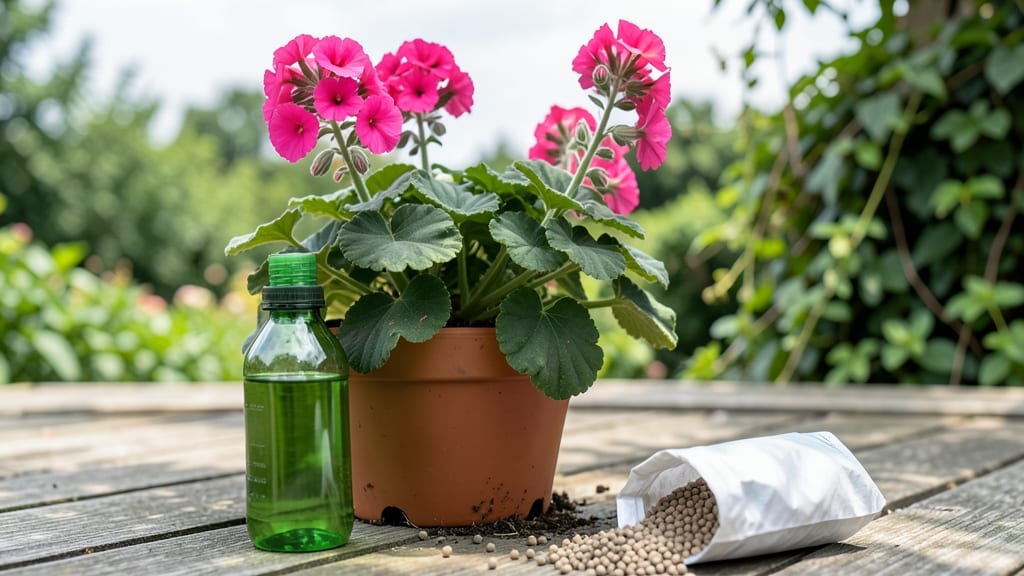
Learn how to make geraniums bloom—your leggy plants can transform into nonstop bloomers with just three simple tricks. ✨ I’ve nursed back more than a dozen geraniums from sad, sparse stalks to vibrant, flower-covered bushes using the same routine every spring.
The secret isn’t fancy; it’s timing, sharp pruning, and feeding them what they crave most.
First, prune back one-third of the plant in early spring—right after the last frost—before new growth starts. This isn’t about making them look neat; it’s about forcing energy into new stems where the blooms will form.
Pair that with balanced fertilizer (10-10-10 works) every 4-6 weeks, and you’ll see buds forming in just 3-4 weeks. The key is consistency: geraniums respond to routine, not occasional pampering.
Deadheading spent blooms isn’t optional—it’s how you trick the plant into thinking it’s still summer. Pinch off faded flowers every 2-3 days during peak bloom, and you’ll extend the season by 4-6 weeks.
The result? Bushes so packed with blooms they look like they’re wearing a floral coat. Even my black thumb can’t mess this up once I started doing it.
Container geraniums need extra attention—they dry out faster and get root-bound quicker. Water at the soil level (not overhead) and swap them to slightly larger pots every 2-3 years.
For in-ground plants, mulch heavily to keep roots cool. Once you master these steps, your geraniums will out-bloom every neighbor’s—and you’ll never buy a single pot again.
📚 In This Guide
- What you need
- Instructions
- Tips and common mistakes
- Wrapping up and next steps
What you need
- ● Healthy geranium plants: Choose Pelargonium varieties (zonal, ivy, or scented geraniums) in pots or garden beds.
- ● Pruning shears or sharp scissors: Sterilize with rubbing alcohol to prevent disease (avoid dull tools—they crush stems!).
- ● Balanced, water-soluble fertilizer: Look for a 10-10-10 or 20-20-20 NPK ratio (e.g., Miracle-Gro All Purpose). 1 tbsp per gallon of water is a great starting point.
- ○ Slow-release fertilizer granules: Optional but helpful for steady nutrition (e.g., Osmocote Smart-Release). Apply 1–2 tbsp per plant at planting time.
- ● Well-draining potting mix: If repotting, use a mix with perlite or sand (e.g., Black Gold All-Purpose Potting Mix).
- ● Watering can with a rose nozzle: For gentle, even hydration (avoid overhead watering to prevent mildew).
- ○ Gloves (optional but recommended): Protect your hands from thorns and sap.
- ● Epsom salt (magnesium sulfate): 1 tbsp per gallon of water monthly for extra blooms (great for magnesium-deficient soil).
- ● Compost or worm castings: Boost soil health naturally when repotting.
- ● Plant supports (for trailing varieties): Use small stakes or cages if your geraniums need a little help staying upright.
- ● Spray bottle with neem oil (1% solution): Prevent pests like aphids or whiteflies that can stress plants.
- ● Grow lights (for indoor geraniums): Provide 12–14 hours of light daily if natural light is limited.
Step-by-Step guide to encouraging geranium blooms
Here's how I transform floppy, flowerless geraniums into vibrant, blooming powerhouses—no fancy tricks, just smart care.
✂️ Step 1: Prune for Bushier Growth
Geraniums bloom best when they're encouraged to grow full and compact. Using clean, sharp pruners, cut back leggy stems by one-third right above a leaf joint where new growth will emerge. I always prune in early spring or right after the last frost—this jumpstarts fresh, vigorous growth before summer heat sets in.
Focus on removing stems that are bare or have only a few leaves. You'll see new shoots forming within 2-3 weeks—these are your plant's way of saying, "Thank you for the haircut!" Avoid pruning in fall, as this can stimulate tender new growth that won't survive winter.
💧 Step 2: Provide Consistent Moisture and Light
Geraniums need bright, direct sunlight for at least 6 hours daily—no compromise here. If your plants are flowering poorly, check their light situation first. Move them to a sunnier spot immediately if leaves start stretching toward the light (this is a clear sign of insufficient light).
Water when the top inch of soil feels dry to the touch. Overwatering causes root rot, which kills blooms faster than anything. I like to water deeply but infrequently—this encourages roots to grow deeper, making plants more drought-resistant. Always water at the base to avoid wetting leaves, which can lead to fungal issues.
🌿 Step 3: Feed with Balanced Fertilizer
Use a balanced, water-soluble fertilizer (like 10-10-10) diluted to half-strength every 2-3 weeks during the growing season. I start fertilizing in early spring and continue until early fall. The key is consistency—geraniums respond best to steady nutrition rather than heavy doses. You'll notice new buds forming within 3-4 weeks of regular feeding.
Stop fertilizing in late summer to encourage plants to prepare for winter. Too much fertilizer late in the season can lead to soft, tender growth that won't survive cold temperatures. If you see yellowing leaves, this could mean over-fertilizing—rinse the soil lightly with water to flush out excess salts.
✂️ Step 4: Deadhead Regularly for Continuous Blooms
Deadheading is the secret to nonstop color. Using your fingers or clean pruners, pinch off spent blooms right at the base of the flower stem. I do this every 2-3 days during peak bloom season—it might seem tedious, but it prevents the plant from wasting energy on seed production. You'll see new buds forming within 5-7 days of consistent deadheading.
For extra-long blooming, I also trim back any stems that have finished flowering but still have leaves. Cut these back to a leaf joint, and you'll often get a second flush of flowers from the same stem. This technique works especially well for geraniums that have multiple stems—it keeps them looking full and productive all season long.
☀️ Step 5: Adjust Care for Seasonal Changes
In late summer, reduce watering slightly as temperatures drop. Geraniums are drought-tolerant once established, but they still need enough moisture to keep blooming. If you're growing them in containers, move pots to a sheltered spot before the first frost—cold winds can damage tender foliage.
For winter care, bring potted geraniums indoors to a bright, cool spot (around 50-60°F). Reduce watering to just keeping the soil lightly moist. You can trim back stems by half in late winter to encourage fresh growth in spring. Geraniums are surprisingly resilient—with proper winter care, they'll bounce back stronger than ever for next year's blooms.
Tips & tricks for perfect geranium blooms
Here's what nobody tells you about coaxing those stubborn geraniums into blooming like crazy—these are the secrets that actually work.
Pruning Precision: When you're cutting back those leggy stems in Step 1, look for the first set of leaves that has at least three leaflets. Cutting just above this point (about 1/4 inch above) gives your plant the perfect signal to branch out. I've seen plants that were nearly bare go from zero to hero in just 2-3 weeks after this precise cut—it's like giving them a fresh start. Avoid cutting into old wood (the brown, woody stems) as this won't regrow.
Light Check: For that critical 6 hours of sunlight in Step 2, I recommend using a simple trick: place a small object (like a golf ball) near your geranium at midday. If the plant grows toward the object by evening, it's stretching for more light. South-facing windows or at least 6 hours of direct sun are non-negotiable—geraniums won't bloom well in shady spots, no matter how much you water or fertilize. If you're container growing, rotate pots weekly for even light exposure.
Fertilizer Timing: That 2-3 week feeding schedule in Step 3 is perfect, but here's the pro move: alternate your balanced fertilizer with a phosphorus-heavy formula (like 5-10-5) every 6-8 weeks. Phosphorus is the bloom booster, and this rotation gives you the best of both worlds. Always water thoroughly before and after fertilizing to prevent root burn. The 3-4 week window for new buds to appear is your reward for consistency—don't skip a feeding once you start!
Deadheading Discipline: For the 2-3 day deadheading in Step 4, set a reminder on your phone if you're not a natural at remembering. The key is to remove the entire flower stem down to the leaf joint—don't leave any stem above the leaf. This prevents those pesky seed heads from forming and sapping your plant's energy. I've had geraniums bloom continuously for months this way, looking like they're on a never-ending flower parade. For extra productivity, trim back any stems that have finished blooming but still have leaves—they'll often produce a second flush of flowers.
Pro Tips for Make Geraniums Bloom
- Here's what nobody tells you about coaxing those stubborn geraniums into blooming like crazy—these are the secrets that actually work.
- Pruning Precision: When you're cutting back those leggy stems in Step 1, look for the first set of leaves that has at least three leaflets.
- Light Check: For that critical 6 hours of sunlight in Step 2, I recommend using a simple trick: place a small object (like a golf ball) near your geranium at midday.
Frequently asked questions
Got questions about coaxing those vibrant blooms from your geraniums? You’re not alone! Here are some of the most common queries—and their solutions—to keep your plants thriving and flowering like crazy.
Why aren’t my geraniums blooming even after deadheading?
If your geraniums are still holding back on blooms, they might need a little more TLC. Overcrowding, poor light, or insufficient nutrients (like phosphorus) can stall flowering. Try moving them to a sunnier spot, feeding with a balanced bloom booster, and pruning leggy stems to encourage bushier growth. Patience is key—some varieties bloom more slowly!
When is the best time to prune geraniums for maximum blooms?
The ideal time to prune is right after the first flush of blooms fades in early summer. This encourages a second, often more abundant, round of flowers. Avoid heavy pruning in fall—just trim back any dead or damaged stems. For container geraniums, a light trim every 4–6 weeks keeps them compact and blooming.
Can I use coffee grounds or eggshells to help geraniums bloom?
Coffee grounds add nitrogen (great for foliage) and slightly acidify the soil, which geraniums love. Crushed eggshells provide calcium, strengthening stems and preventing blossom end rot. Mix them into the soil or use as mulch—just avoid overdoing it, as too much can disrupt soil balance. Organic matter like compost also works wonders!
Will geraniums bloom if I keep them indoors year-round?
Geraniums thrive outdoors in warm climates but can bloom indoors with the right care. Place them near a south-facing window (6+ hours of sunlight daily) and supplement with grow lights if needed. Keep humidity moderate, avoid cold drafts, and feed them monthly with a bloom-specific fertilizer. However, they may need a “rest” period in winter to rebloom vigorously.
What should I do if my geraniums only have leaves and no flowers?
Leafy geraniums are often overfed with nitrogen (the first number in fertilizer) or underfed with phosphorus (the middle number). Switch to a 5-10-10 or 10-20-20 fertilizer to prioritize blooms. Also, check for pests like aphids, which sap energy meant for flowers. A quick spray of neem oil or insecticidal soap can restore balance—and those blooms!
Wrapping up and next steps
With the right care, your geraniums can burst into vibrant blooms all season long! Remember, pruning, deadheading, and feeding are your secret weapons—plus, don’t forget sunlight and well-draining soil. 🌸 Now that you’re armed with these tips, it’s time to roll up your sleeves and watch your garden transform.
Ready to see the magic happen? Start with one plant this week—pick a sunny spot, trim with confidence, and enjoy the rewards of your hard work. Happy gardening! 🌿