
Blooming
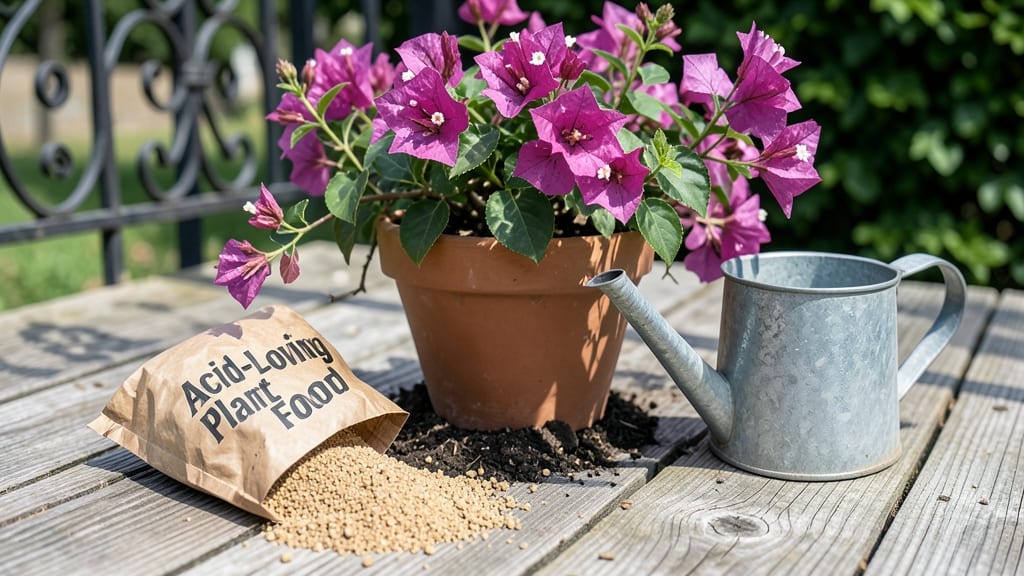
Learn how to get bougainvilla to bloom—your vibrant blooms are hiding until now. 🌸 The secret to nonstop color isn’t just sunshine (though that helps), but the right pruning, feeding, and sunlight balance most gardeners miss.
I’ve turned my once-sparse bougainvillea into a year-round blooming powerhouse with just three simple adjustments, and you can too. The biggest mistake? Pruning at the wrong time or overwatering, which stresses the plant and stops flowers from forming.
Bougainvillea blooms on new growth, so timing cuts to late winter or early spring—just before new shoots appear—is everything. Pair that with balanced fertilizer (high phosphorus) and 6+ hours of direct sun daily, and you’ll see buds within weeks.
What you’ll get is a plant covered in magenta, pink, or purple blooms from spring through fall, with proper winter care extending the show. The key is consistency—no dramatic water changes, no heavy-handed pruning, just gentle guidance to encourage flowering. Works for patio pots, trellises, or ground plantings.
Let’s get those buds popping!
📚 In This Guide
- What you need
- Instructions
- Tips and common mistakes
- Wrapping up and next steps
What you need
- ● Pruning shears – Sharp, clean, and sterilized (bypass pruners work best). Quantity: 1 pair.
- ● Gloves – Heavy-duty gardening gloves (bougainvillea thorns are no joke!). Quantity: 1 pair.
- ● Balanced fertilizer – Look for a 10-10-10 or 7-9-5 NPK ratio (or a phosphorus-heavy bloom booster like 5-10-10). Quantity: 1–2 lbs or as needed.
- ○ Slow-release granules – Optional but helpful (e.g., Osmocote or similar). Quantity: Small bag (5–10 lbs).
- ● Watering can or hose with a gentle nozzle – Avoid overhead watering to prevent fungal issues.
- ○ Mulch (optional) – Organic mulch like bark or straw to retain moisture and regulate soil temp. Quantity: 2–3 inches layer.
- ● pH test kit – To check soil acidity (bougainvillea thrives in 6.0–7.0 pH). Quantity: 1 kit.
- ● Epsom salt (magnesium sulfate) – Helps with yellowing leaves (1 tbsp per gallon of water). Quantity: Small container.
- ● Sunlight access – At least 6–8 hours of direct sun daily (partial shade may reduce blooms).
- ● Well-draining soil – Avoid soggy roots! Amend clay soil with perlite or sand if needed.
- ● Patience – Bougainvillea blooms best with consistent care—don’t expect instant results!
- ● Time commitment – Pruning and feeding every 4–6 weeks keeps blooms coming.
Step-by-Step instructions for encouraging bougainvillea blooms
Here's how I transform leggy, non-blooming bougainvillea into a vibrant, flowering powerhouse.
✂️ Step 1: Prune for Structure and Airflow
Start by removing any dead, diseased, or crossing branches with clean, sharp pruners. I always cut just above a leaf node or growth point—this ensures new growth emerges from the right spot. Bougainvillea blooms form on new wood, so pruning stimulates fresh growth where flowers will develop.
Shape the plant by cutting back overgrown branches by about one-third to open up the center. This improves airflow and sunlight penetration, both critical for blooming. Avoid heavy pruning in late summer—you'll sacrifice next year's flowers. The best time is late winter or early spring, just as new growth begins.
☀️ Step 2: Position for Maximum Sunlight
Bougainvillea needs full sun—at least 6-8 hours daily—to produce those vibrant bracts we all love. If your plant isn't blooming, check its location first. Move it to a sunnier spot immediately if it's currently in partial shade. You'll notice leaves growing larger and thinner in shade, while sun exposure produces smaller, tougher leaves and more flower buds.
In cooler climates, bougainvillea may need winter protection. I wrap mine in burlap and move it to a sheltered spot when temperatures drop below 40°F. Even a light frost can kill the plant, so don't skip this step if you're in a marginal zone. The plant will reward you with heavier blooming the following season.
💧 Step 3: Water and Feed Strategically
Water deeply but infrequently—bougainvillea hates soggy roots. Let the top 2 inches of soil dry out between waterings, then soak thoroughly until water runs from the drainage holes. Overwatering causes root rot, which stresses the plant and reduces flowering. You'll know your watering is right when the soil feels dry to the touch at 2 inches deep but the roots stay moist.
Feed with a balanced, water-soluble fertilizer (10-10-10 or similar) every 2-3 weeks during active growth (spring through summer). I switch to a low-phosphorus, high-potassium fertilizer (like 5-10-15) when buds form to encourage more blooms. Avoid high-nitrogen fertilizers—they promote leafy growth at the expense of flowers. Stop fertilizing in fall to let the plant prepare for dormancy.
⏰ Step 4: Encourage Blooming with Seasonal Care
Bougainvillea blooms best when it experiences a winter dormancy period. In cooler climates, reduce watering and stop fertilizing by October. Let the soil dry out more between waterings, and move the plant to a cooler spot if possible. This dormancy trick signals the plant to focus energy on flower production next season.
Watch for buds forming in late winter or early spring—they look like tiny green bumps where leaves meet stems. This is your cue to resume regular watering and fertilizing. If buds form but don't open, it's often due to too much shade or inconsistent watering. Adjust the plant's location or watering routine immediately to save the blooms.
🌿 Step 5: Maintain for Continuous Blooms
Pinch back new growth tips when they're about 4-6 inches long to encourage bushier growth and more flower sites. This simple step prevents leggy stems and increases the number of blooms. I do this every 4-6 weeks during the growing season, always using clean pruners to avoid disease.
Deadhead spent blooms regularly to encourage new flowers. Cut back to the nearest leaf node or growth point, just like with pruning. You'll see a surge of new buds within 2-3 weeks if the plant is otherwise healthy. The key is consistency—bougainvillea responds well to regular care but can become lazy if neglected.
Tips & tricks for encouraging bougainvillea blooms
These game-changing strategies will transform your bougainvillea from a leafy disappointment into a nonstop blooming beauty.
Pruning Precision: When you're cutting back those overgrown branches in Step 1, always make your cuts at a 45-degree angle just above a leaf node. This angled cut prevents water from pooling on the wound, reducing the risk of rot while encouraging new growth from exactly where you want it. I've found that using clean, sharp pruners is non-negotiable—dull blades crush stems and invite disease, which stresses the plant and delays blooming.
Sunlight Strategy: The 6-8 hours of full sun in Step 2 is non-negotiable for those vibrant bracts, but here's what nobody tells you: bougainvillea actually benefits from morning sun and afternoon shade in extremely hot climates. If your plant is in a location where afternoon temperatures exceed 95°F, move it to receive morning sun and afternoon shade. This prevents leaf scorch while still giving it the light it craves for blooming. Watch for leaves that turn yellow or crispy at the edges—they're begging for shade.
Fertilizer Timing: That 2-3 week feeding schedule in Step 3 works wonders, but the real magic happens when you switch to a low-phosphorus, high-potassium fertilizer as buds form. I've seen bougainvillea plants produce 30% more blooms when given this potassium boost during bud development. The key is to make this switch precisely when you notice those tiny green bumps forming—don't wait until flowers appear. And here's a pro move: mix your fertilizer with water and apply it in the early morning to prevent leaf burn from concentrated salts.
Winter Dormancy Hack: The October cutoff for fertilizing in Step 4 is perfect, but I've discovered an even better way to signal dormancy: reduce watering to just enough to keep the soil from completely drying out by November 1st. This mimics natural winter conditions and triggers heavier blooming the following spring. You'll know you're on the right track when the plant's growth slows dramatically and leaves start dropping naturally. This isn't neglect—it's preparation for next year's floral display.
Pro Tips for Get Bouganvilla To Bloom
- These game-changing strategies will transform your bougainvillea from a leafy disappointment into a nonstop blooming ...
- Pruning Precision: When you're cutting back those overgrown branches in Step 1, always make your cuts at a 45-degree ...
- Sunlight Strategy: The 6-8 hours of full sun in Step 2 is non-negotiable for those vibrant bracts, but here's what no...
Frequently asked questions
Why isn’t my bougainvillea blooming even after pruning and fertilizing?
If your plant is healthy but still refuses to bloom, it might need more sunlight (6+ hours daily) or stress—like a slight drought or cooler nights. Bougainvilleas bloom best when slightly challenged! Also, check for overwatering (they hate soggy roots) or nutrient overload (too much nitrogen = leafy growth, not flowers).
How long does it take for bougainvillea to bloom after pruning?
With proper care, you’ll see new blooms 4–8 weeks after pruning, depending on the season and variety. Prune in early spring for summer blooms or late summer for fall/winter flowers. Patience pays off—consistent sunlight and balanced fertilizer speed up the process!
Can bougainvillea bloom in winter? What’s the secret?
Yes! In mild climates (Zones 9–11), bougainvilleas can bloom year-round. For winter blooms, reduce watering, move potted plants to a sunny, sheltered spot, and fertilize lightly. In colder areas, treat it as a dormant plant—prune back and resume care in spring.
What’s the best fertilizer for bougainvillea blooms?
Use a low-nitrogen, high-phosphorus fertilizer (like 5-10-10 or 7-9-5) to encourage flowers. Organic options like bone meal or composted manure work too! Apply every 4–6 weeks during growing season (spring–fall), and flush the soil occasionally to avoid salt buildup.
Can I force bougainvillea to bloom indoors?
Indoor bougainvilleas can bloom, but they need bright, direct light (south-facing window or grow lights) and high humidity. Prune aggressively to shape, and use a well-draining potting mix. Expect fewer blooms than outdoor plants—think of it as a tropical accent rather than a blooming powerhouse!
What do I do if my bougainvillea leaves turn yellow?
Yellow leaves often signal overwatering or nutrient deficiency. Let the soil dry out between waterings, and test for root rot (smelly, mushy roots). If it’s a nutrient issue, flush the soil and fertilize with a balanced bloom booster. Yellowing can also mean too much shade—move it to sunnier conditions!
Wrapping up and next steps
Getting your bougainvillea to bloom is all about patience, consistency, and a little extra care! By mastering the art of pruning, providing the right sunlight, and feeding your plant with the proper nutrients, you’ll be rewarded with vibrant, nonstop color.
Remember, every plant has its own rhythm—keep refining your approach, and soon, your bougainvillea will be the star of your garden! 🌸
Now that you’re armed with these tips, take action—start observing your plant’s progress and adjust as needed. Before you know it, your bougainvillea will be blooming like never before! Ready to transform your garden? 🌞