
Blooming
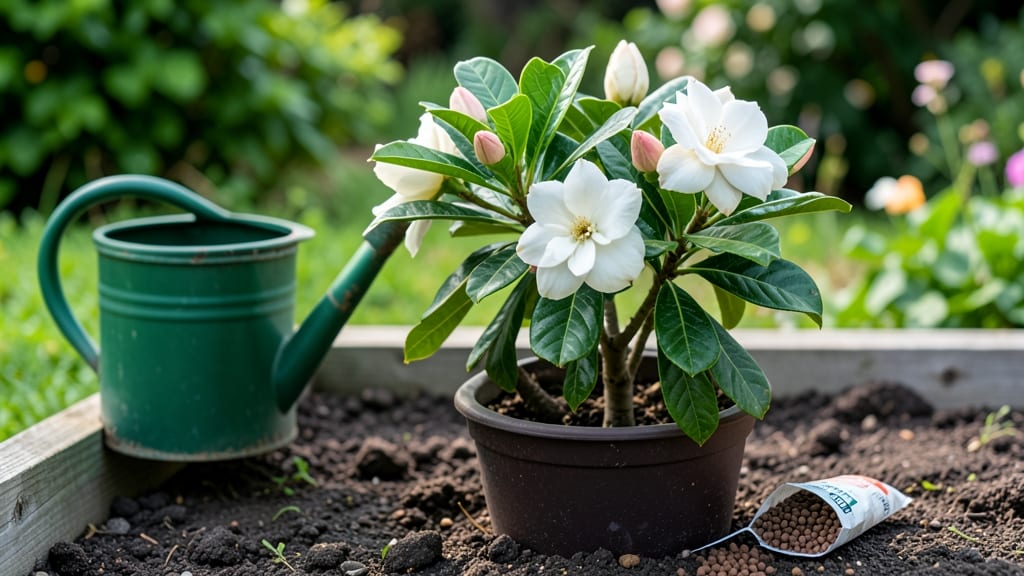
Getting gardenias to bloom means cracking the code to their finicky nature—light, pruning, and feeding all play a role. 🌸 I’ve wrestled with these glossy-leaved divas for years, and now I’m sharing the exact adjustments that turn my stubborn plants into fragrant showstoppers every summer.
The secret isn’t complicated: gardenias need bright, indirect light (no harsh afternoon sun), regular pruning after blooming to encourage new growth, and acidic, iron-rich fertilizer applied every 4-6 weeks.
Most people overdo the watering or skip the pruning, which is why their plants just sit there looking pretty but never flowering. Once you nail these basics, you’ll see buds forming by late spring, with that signature creamy-white perfume filling your garden by June.
The first bloom is always the sweetest—trust me, it’s worth the patience. Works for both container gardenias and in-ground plants, whether you’re dealing with a single bush or a whole hedge. Let’s get those flowers happening!
📚 In This Guide
- What you need
- Instructions
- Tips and common mistakes
- Wrapping up and next steps
What you need
- ● Gardenias (healthy, mature plants) – Ensure they’re at least 2–3 years old for optimal blooming.
- ● Well-draining potting mix or garden soil – A blend of peat moss, perlite, and pine bark (3:1:1 ratio) works best for containers.
- ● Balanced fertilizer (10-10-10 or 20-20-20) – 1–2 tbsp per plant during growing season (spring–fall).
- ● Acid-loving plant fertilizer (e.g., iron chelate or azalea fertilizer) – 1 tbsp per gallon of water, applied monthly.
- ○ Pruning shears (sterilized) – Sharp, clean tools prevent disease. Optional: rubbing alcohol for sterilization.
- ● Mulch (pine bark or pine needles) – 2–3 inches to retain moisture and acidify soil.
- ● Watering can with a rose or fine spray nozzle – Gardenias hate soggy roots!
- ● pH testing kit – Aim for 5.0–6.5 (gardenias are acid-loving divas!).
- ○ Spray bottle (for humidity) – Optional but helpful for indoor plants.
- ● Sunlight – Partial shade (morning sun + afternoon shade) or dappled light (avoid harsh midday sun).
- ● Humidity – 50–70% (use a humidifier or pebble tray if indoors).
- ● Temperature – 60–75°F (15–24°C) (avoid drafts or extreme heat).
- ○ Water quality – Rainwater or distilled water (chlorine-free!). Optional: filter tap water first.
- ● 🔥 Test your soil first! If your gardenia’s soil isn’t acidic enough, mix in sulfur or coffee grounds to lower the pH.
- ● 🌡️ Cold shock = no blooms. Keep plants indoors or in a sheltered spot if temps drop below 50°F (10°C).
- ● ✨ Deadhead spent blooms to encourage new flowers—but only if the plant is healthy!
Step-by-Step instructions for encouraging gardenia blooms
Here’s the method I’ve used for years to transform stubborn gardenias into fragrant, blooming powerhouses.
🌿 Step 1: Master Pruning for Airflow and Light Exposure
Prune your gardenia immediately after its final bloom cycle—usually in late spring or early summer. This timing ensures you’re not cutting off next year’s flower buds, which form on old wood. Use sharp, sterilized pruners to make clean cuts just above a leaf node or bud, angled slightly away from the growth point.
Focus on removing any dead, diseased, or crossing branches first. Then, thin out the center of the plant to improve airflow—this prevents fungal diseases like powdery mildew, which can stress the plant and reduce blooming. I like to shape gardenias into a slightly rounded form, as this encourages stronger growth from the center where flowers form most abundantly.
Real talk: If your gardenia has been neglected, don’t over-prune. Remove no more than one-third of the plant’s total volume in a single session. You’ll see new, vigorous growth within 4-6 weeks—that’s your signal the plant is recovering and preparing for next season’s blooms.
☀️ Step 2: Provide the Right Light and Temperature Balance
Gardenias thrive in bright, indirect light—think morning sun with afternoon shade, especially in hot climates. A south-facing window with sheer curtains works well indoors, while outdoors, a spot with 4-6 hours of filtered sunlight daily is ideal. Too much direct sun scorches leaves, while too little light results in sparse, weak blooms.
These plants are tropical at heart and need consistent warmth. Keep daytime temperatures between 65-75°F and nighttime temps above 55°F. If you’re growing outdoors in cooler zones, bring potted gardenias indoors before temperatures drop below 50°F. I’ve seen gardenias drop buds overnight when shocked by cold drafts—don’t let that happen to yours.
Watch for leaves that turn yellow or develop brown edges—this is your cue to adjust light exposure. If leaves look pale and stretched, move the plant closer to a brighter spot. If they crisp or bleach, provide more shade immediately.
💧 Step 3: Water and Feed with Precision for Blooming
Gardenias demand consistent moisture—never let the top 2 inches of soil dry out completely, but avoid soggy conditions that lead to root rot. Water when the soil feels dry to the touch, using lukewarm water (cold water shocks the roots). I like to water in the morning so foliage has time to dry before evening, reducing fungal risks.
Feed your gardenia with an acid-loving fertilizer (like a 20-20-20 or 10-10-10 formula) every 4-6 weeks during the growing season. Mix the fertilizer at half-strength to avoid burning roots. Gardenias also appreciate a monthly foliar spray of diluted seaweed extract—this boosts their natural resistance to stress and encourages robust blooming.
Here’s the thing—if you’re not seeing blooms, check your fertilizer. Gardenias need phosphorus (the middle number) for flowers. If your fertilizer is high in nitrogen (first number), switch to a low-nitrogen, high-phosphorus formula like a 5-10-10 blend. You’ll notice buds forming within 6-8 weeks of adjusting your feeding routine.
✂️ Step 4: Deadhead and Encourage Repeat Blooming
As soon as a bloom fades, snip off the spent flower stem just above the next set of leaves or buds. This redirects the plant’s energy from seed production to growing new flowers. I use clean pruners and make the cut at a 45-degree angle to prevent water from pooling on the wound, which could invite disease.
For gardenias to rebloom, they need consistent care year-round. Reduce watering slightly in winter (let the top 3 inches of soil dry out between waterings) and stop fertilizing entirely. This dormancy-like period helps the plant reset and prepares it for a stronger spring bloom cycle.
Watch for new flower buds forming in the leaf axils (the angle between a leaf and stem). These buds are small, green, and round—often hidden among the foliage. Once you spot them, increase humidity around the plant (a pebble tray with water or a humidifier helps) to prevent bud drop.
Tips & tricks for perfect gardenia blooms
Here’s what nobody tells you about coaxing gardenias into full, fragrant bloom—details that turn "maybe next year" into "this season."
Pruning Precision: In Step 1, when you’re pruning, look for the leaf axils—those tiny crevices where leaves meet stems. These are where next year’s flower buds form, so avoid cutting them off. If your gardenia has been neglected, don’t rush the recovery—those 4-6 weeks of new growth are your plant’s way of saying "I’m ready for blooms next time." Use a magnifying glass if needed to spot hidden buds forming in these axils after pruning.
Light Exposure Hacks: For Step 2’s bright, indirect light, think of gardenias as divas who need morning sunlight but afternoon shade—like a south-facing window with sheer curtains. If you notice leaves turning pale and leggy, it’s time to move the plant closer to a brighter spot. Conversely, if leaves develop crispy edges, you’ve got too much direct sun. A simple trick: rotate your plant every few weeks so all sides get even light exposure. This prevents lopsided growth and ensures blooms form evenly.
Fertilizer Strategy: In Step 3, when adjusting your fertilizer, pay close attention to the numbers. Gardenias need phosphorus (the middle number) to produce flowers, so if your current fertilizer is a 20-20-20, switch to a 5-10-10 blend. You’ll see buds forming within 6-8 weeks—that’s your reward for patience. For an extra boost, mix in a foliar spray of diluted seaweed extract monthly. This isn’t just a gimmick; it strengthens the plant’s cell walls, helping it retain moisture and resist stress.
Humidity Boost: Once you spot those tiny green buds in the leaf axils (Step 4), increase humidity around the plant. A pebble tray filled with water and placed under the pot works wonders—just make sure the pot isn’t sitting directly in water. If you’re using a humidifier, position it near the plant but not so close that leaves stay damp. High humidity prevents bud drop, which is heartbreaking after all your hard work. This is especially critical in dry climates or during winter when indoor air gets parched.
Pro Tips for Get Gardenias To Bloom
- Here’s what nobody tells you about coaxing gardenias into full, fragrant bloom—details that turn "maybe next year" into "this season."
- Pruning Precision: In Step 1, when you’re pruning, look for the leaf axils—those tiny crevices where leaves meet stems.
- Light Exposure Hacks: For Step 2’s bright, indirect light, think of gardenias as divas who need morning sunlight but afternoon shade—like a south-facing window with sheer curtains.
Frequently asked questions
Why won’t my gardenia bloom, even after following care tips?
Gardenias often skip blooming due to stress—check for overwatering (soggy roots = no flowers), poor drainage, or sudden temperature changes. They also need 6+ hours of sunlight daily. If your plant is young (<2 years), it may still be establishing roots. Patience and consistent care pay off!
How long does it take for gardenias to bloom after pruning or fertilizing?
With proper care, gardenias typically bloom 6–8 weeks after pruning (spring is ideal) and 4–6 weeks after fertilizing (use a bloom booster in early spring). However, first-time bloomers may take up to a year if the plant is still maturing. Monitor soil moisture and light—consistency is key!
Can I force gardenias to bloom indoors year-round?
While possible, it’s tricky! Gardenias thrive outdoors in USDA Zones 7–10 and need seasonal dormancy to rebloom. Indoors, mimic their habitat: bright, indirect light, 60–70% humidity, and cool nights (55–65°F). Use a slow-release fertilizer every 2–3 months, but expect fewer blooms than outdoor plants.
What’s the best alternative if my gardenia refuses to bloom?
Try these fragrant, low-maintenance bloomers:
- Jasmine (Trachelospermum) – Thrives in shade, blooms reliably.
- Gardenia ‘Kleim’s Hardy’ – Cold-hardy hybrid with easier blooming.
- Mock Orange (Philadelphus) – Fragrant white flowers, drought-tolerant.
- Camellia – Similar care, blooms in cooler climates.
My gardenia leaves are yellow—will it still bloom?
Yellow leaves usually signal overwatering, nutrient deficiency, or root rot. Let the soil dry slightly between waterings, and flush the pot with water to remove excess salts. If roots are mushy, trim the damaged ones and repot in fresh, peat-based soil. With adjustments, it can recover and bloom—just be patient!
Wrapping up and next steps
Getting your gardenias to bloom is all about patience, the right care, and a little extra love! 🌸 With the perfect balance of pruning, light, fertilizing, and watering, you’ll soon be rewarded with fragrant, creamy-white flowers that’ll make your garden smell like paradise.
Remember, consistency is key—so stick with these tips, and don’t be afraid to experiment to find what works best for your plants.
Now that you’re armed with the know-how, go ahead and give your gardenias the TLC they deserve! Start with one small step—whether it’s adjusting their light exposure, testing the soil pH, or pruning with care—and watch your efforts bloom into success. Happy gardening! 🌿✨