
Blooming
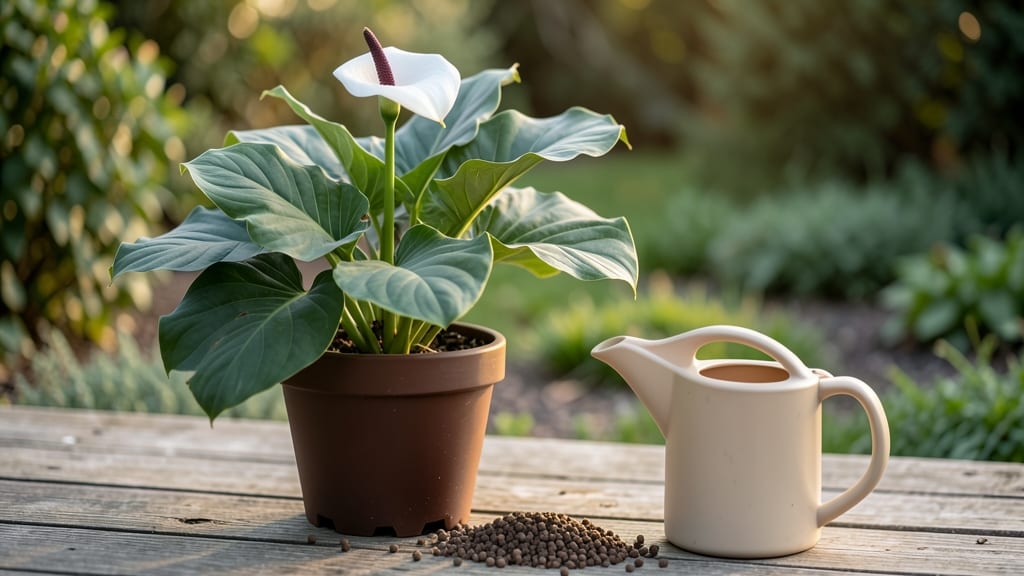
Getting calla lilies to bloom feels like unlocking a secret—because it is. 🌿 After years of struggling with stubborn plants that just sent up leaves but never flowers, I finally cracked the code: it’s all about light, temperature, and patience.
The right conditions transform those lush, heart-shaped foliage into dramatic, candle-like blooms that last for weeks.
Most calla lilies need 6+ hours of bright, indirect light daily—think east or north-facing windows, or a grow light for indoor plants. Too little light means no blooms, while too much scorches the leaves.
Temperature matters just as much: they thrive in 65–80°F and need a cool winter rest (50–55°F) to reset their blooming cycle. Over-fertilizing or root-bound pots also sabotage flowering—both send energy to leaves instead of blooms.
Here’s the game-changer: watch for flower stalks (thick, upright stems) in late spring. If you see them, your plant is ready to bloom—just keep the soil moist but not soggy.
If not, adjust light, repot if needed, and give them a 4–6 week dormancy period in winter. With these tweaks, you’ll go from leafy disappointment to showstopping blooms by summer.
Works for both indoor pots and garden beds—just adapt the light and temperature to your space. Let’s get those calla lilies flowering like pros!
📚 In This Guide
- What you need
- Instructions
- Tips and common mistakes
- Wrapping up and next steps
What you need
- ● Calla lilies: Healthy, mature plants (either in pots or garden soil). Pro tip: Choose varieties like Z. elliottiana or Z. rehmannii for vibrant blooms!
- ● Well-draining potting mix: 5-10 gallons (for containers), or amend garden soil with 20% perlite/vermiculite to prevent root rot.
- ● Containers (if potted): Pots with drainage holes, 12–18 inches in diameter (larger for multiple rhizomes).
- ● Fertilizer: Balanced liquid fertilizer (10-10-10): 1 tbsp per gallon of water, applied every 4–6 weeks during growing season.
- ● Slow-release granular fertilizer (e.g., 14-14-14): ½ cup per plant at planting time.
- ● Mulch: Organic mulch (e.g., shredded bark or compost) to retain moisture and regulate soil temp.
- ● Light: Bright, indirect light (6+ hours daily). South- or west-facing windows/garden spots are ideal.
- ● Temperature: Daytime: 65–80°F (18–27°C).
- ● Nighttime: 55–65°F (13–18°C) (cooler temps trigger blooming!).
- ● Humidity: 50–70% (use a humidity tray or pebble tray if indoors).
- ● Water: Keep soil consistently moist but not soggy (water when top 1–2 inches of soil are dry).
- ● Grow lights: LED full-spectrum bulbs for 12–14 hours/day if natural light is insufficient.
- ● Soil moisture meter: To avoid over/under-watering.
- ● Rhizome divider: For splitting mature plants every 3–4 years to boost blooms.
- ● Epsom salt: 1 tbsp dissolved in water (monthly) for magnesium boost.
Step-by-Step guide to encouraging calla lily blooms
Light and temperature are the secret levers for calla lilies—get these right, and you'll see those dramatic blooms appear.
☀️ Step 1: Provide Bright, Indirect Light Daily
Calla lilies crave 6-8 hours of bright, indirect light each day—think of it as a sunbathing session under a sheer curtain. Place them near an east-facing window where morning light is gentle, or use a grow light if natural light is weak. You'll know they're getting enough light when the leaves stay deep green and upright, never stretching or yellowing.
Here's the thing—direct afternoon sun will scorch those glossy leaves, so if you're using a south-facing window, position them at least 3 feet back. I've seen callas in west windows with sheer curtains thrive, but without that filter, the leaves crisp at the edges within days.
🌡️ Step 2: Maintain Consistent Warmth Year-Round
Calla lilies are tropical divas and demand temperatures between 65-75°F—no dropping below 60°F at night. If your home dips into the 50s, move them away from drafty windows or doors. You'll notice blooms slow or stop completely when temperatures fluctuate, so a heat mat under the pot in winter can make all the difference.
I keep mine in a sunroom during winter where a small space heater maintains warmth. The key is consistency—no sudden drops. If your home runs cooler, group callas with other tropical plants near a heat source to create a microclimate they'll love.
💧 Step 3: Water Strategically for Root Health
Water callas when the top 1-2 inches of soil feel dry—this prevents root rot while keeping the rhizomes happy. Use room-temperature water to avoid shocking the roots, and always water at the base, never overhead. You'll see the leaves perk up immediately after watering, and the soil should feel moist but not soggy.
This is where most growers go wrong—overwatering. I've lost callas to mushy rhizomes from pots without drainage holes. If your calla's leaves yellow or feel mushy, it's drowning. Let the soil dry slightly between waterings, especially in winter when growth slows.
✂️ Step 4: Prune and Fertilize for Next Season's Blooms
After blooms fade, trim the flower stalk back to the base but leave the leaves—they're feeding the rhizome for next year's blooms. Once the leaves yellow completely, cut them back by half, then remove the rest when they're fully brown. This cleanup prevents disease and redirects energy to rhizome storage.
Feed with a balanced liquid fertilizer (10-10-10) every 4-6 weeks during spring and summer, but cut back in fall and winter. I use half-strength fertilizer to avoid burning the roots. You'll see stronger growth and more blooms the following season when you feed consistently.
🌱 Step 5: Divide Rhizomes Every 2-3 Years
Calla lilies multiply underground—when your pot becomes crowded, divide the rhizomes in early spring before new growth starts. Gently remove the plant, separate the rhizomes with a clean knife, ensuring each has at least one growth eye. Repot immediately in fresh potting mix with good drainage.
Here's the trick: Don't bury the rhizomes too deep—they need to sit just below the soil surface to bloom. Plant them too deep, and you'll wait years for flowers. After repotting, water lightly and place in bright, indirect light until new growth appears.
Tips & tricks for perfect calla lily blooms
Those dramatic calla blooms don't happen by accident—they're the result of precise care that mimics their tropical origins. Here's what nobody tells you about making them thrive.
Light Positioning: The 6-8 hours of bright, indirect light in Step 1 is non-negotiable, but here's the secret: rotate your plant every 2-3 weeks. This prevents one-sided growth and ensures all leaves get equal exposure. I notice the most dramatic blooms come from plants that get morning sun and afternoon shade—nature's perfect balance. For west-facing windows, use sheer curtains to diffuse that intense afternoon light, or you'll get crispy leaf edges within a week.
Temperature Consistency: Those 65-75°F temperatures in Step 2 aren't just suggestions—they're the difference between blooms and bare stems. I've seen callas completely stop flowering when nighttime temps dip below 60°F. In winter, I use a small space heater near my sunroom plants, but keep it at least 3 feet away to avoid hot spots. The key is creating that tropical microclimate where temperatures stay stable—no sudden drafts or cold snaps.
Watering Technique: The top 1-2 inches dry test in Step 3 works, but here's what I do differently: I water in the morning so the soil has all day to dry slightly before night. This prevents that dreaded mushy rhizome situation. Also, always use room-temperature water—cold water shocks the roots and can trigger leaf yellowing. I keep a watering can on my counter filled with tap water that's sat out overnight to reach room temperature.
Fertilizer Timing: The 4-6 week feeding schedule in Step 4 is perfect, but here's the pro move: I switch to half-strength fertilizer in late summer. This prevents over-fertilization as the plant prepares for dormancy. I also mix in a bit of compost tea every other feeding—it gives that extra micronutrient boost without the risk of burning. You'll notice the leaves stay a deeper green and the rhizomes store more energy for next season's blooms.
Pro Tips for Get Calla Lilies To Bloom
- Those dramatic calla blooms don't happen by accident—they're the result of precise care that mimics their tropical origins.
- Light Positioning: The 6-8 hours of bright, indirect light in Step 1 is non-negotiable, but here's the secret: rotate your plant every 2-3 weeks.
- Temperature Consistency: Those 65-75°F temperatures in Step 2 aren't just suggestions—they're the difference between blooms and bare stems.
Frequently asked questions
Got questions about coaxing those stunning blooms from your calla lilies? You’re not alone! Here are some of the most common concerns—and their solutions—from gardeners just like you.
Why aren’t my calla lilies blooming at all?
Calla lilies often skip blooming due to light deprivation or overcrowded roots. Ensure they get bright, indirect light (6+ hours/day) and divide clumps every 3–4 years. If they’re happy but still not flowering, they might need a cool winter dormancy (50–60°F) to trigger blooms.
How long does it take for calla lilies to bloom after planting?
With ideal care, calla lilies typically bloom 8–12 weeks after planting in spring. If you’re growing them from rhizomes, expect blooms 6–8 weeks later. Patience is key—rushing with fertilizer or heat can delay flowers. Pro tip: Use a balanced 10-10-10 fertilizer every 4–6 weeks once leaves emerge for steady growth.
Can calla lilies bloom indoors year-round?
Yes, but with careful adjustments! Indoors, they thrive near east or south-facing windows with supplemental grow lights (12–14 hours/day). Mimic seasons by reducing water in winter (let soil dry slightly) and avoiding drafts. No dormancy? They may bloom sporadically but less vigorously. Bonus: Rotate pots weekly for even light exposure.
What should I do if my calla lilies have yellow leaves but no blooms?
Yellow leaves usually signal overwatering, poor drainage, or nutrient deficiency. Let soil dry 1–2 inches deep between waterings, and repot in well-draining mix (add perlite or orchid bark). Check for thrips or mites (tiny pests that suck sap). Feed with iron chelate if leaves are pale—this often revives growth and encourages blooms!
Are there any low-maintenance alternatives to calla lilies for easy blooms?
If calla lilies feel finicky, try these low-maintenance bloomers:
- Peace Lilies (Spathiphyllum): Thrive in low light, bloom often, and forgive occasional neglect.
- Anthuriums: Bold, heart-shaped flowers with minimal care—just keep soil moist.
- Spider Plants (Chlorophytum): Hardy, produce offsets, and occasionally send up tiny white blooms.
- African Violets: Compact, bloom year-round with bright (but indirect) light.
All three are pet-friendly (unlike calla lilies, which are toxic to pets).
Wrapping up and next steps
Getting your calla lilies to bloom is all about patience, consistency, and creating the perfect conditions—and you’ve got this! 🌸 With the right balance of bright, indirect light, moderate temperatures, and a little seasonal tweaking, your plants will reward you with stunning blooms in no time.
Remember, every calla lily is unique, so don’t hesitate to adjust based on what works best for your space.
Ready to see those elegant spathes unfurl? Start by monitoring your plant’s progress and fine-tune its care as needed. Soon, you’ll be the proud gardener of a flourishing calla lily display—and maybe even share your success with fellow plant lovers! 🌿