
Blooming
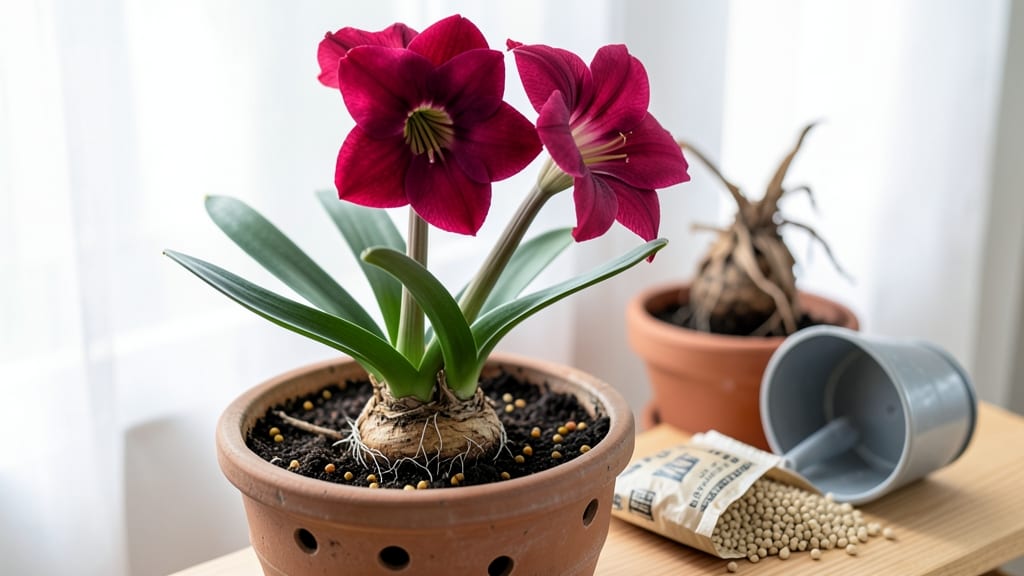
Getting your amaryllis to rebloom isn’t magic—it’s a light trick that tricks the plant into thinking it’s time to flower again. 🌱 After those stunning blooms fade, most people toss the pot, but with the right post-bloom care, you can coax a second (or third!) round of flowers within months.
The secret lies in mimicking the plant’s natural cycle, and I’ve perfected it after years of trial-and-error with my own stubborn bulbs.
Here’s the game-changer: after blooming, let the foliage die back naturally, then cut it back when it turns yellow—not before. This signals the bulb to store energy for next season.
Place the pot in a bright, indirect light spot (like an east-facing window) and reduce watering to just enough to keep the soil slightly moist. No dormancy? No second blooms. Think of it as a forced rest period, like a hibernation that recharges the bulb’s energy reserves.
By late summer, when new growth appears, it’s time to fertilize lightly with a balanced houseplant food and increase watering. The key is consistency—too much light too soon, and you’ll get leggy stems; too little, and the bulb won’t have enough energy.
Within 8-12 weeks, you’ll spot that familiar flower bud forming at the top of the stalk, and another round of drama-worthy blooms will follow.
This method works year after year, even in low-light apartments. The trick isn’t complicated, but it does require patience—like waiting for the perfect moment to strike a match. Once you nail the timing, your amaryllis will bloom reliably, turning a one-time showstopper into a year-round star of your indoor garden.
📚 In This Guide
- What you need
- Instructions
- Tips and common mistakes
- Wrapping up and next steps
What you need
- ● Mature amaryllis bulb: A healthy bulb that has bloomed at least once before (preferably with visible roots).
- ● Well-draining potting mix: A blend of peat moss, perlite, and sand (or a commercial cactus/succulent mix). Quantity: Enough to fill a pot 2–3 inches wider than the bulb’s diameter.
- ● Pot with drainage holes: A container with 1–2 drainage holes (terracotta or ceramic works best). Size: 1–2 inches wider than the bulb.
- ● Watering can or spray bottle: For gentle hydration—avoid soaking the bulb.
- ● Bright, indirect light source: South- or west-facing window (natural light), OR
- ● A grow light (LED or fluorescent, 12–16 hours/day). Spec: 2,000–3,000 lumens, adjustable height.
- ○ Room thermometer (optional but helpful): To monitor temperatures between 65–75°F (18–24°C).
- ● Fertilizer: A balanced liquid fertilizer (10-10-10 or 20-20-20), diluted to half-strength. Use: Every 2–4 weeks during the growth phase.
- ● Humidity tray: A shallow tray with pebbles and water to boost humidity (especially in dry climates).
- ● Floral wire or stake: To support tall flower stems if needed.
- ● Pruning shears: For trimming dead foliage or stems after blooming.
- ● Reflective surface: A white board or aluminum foil to bounce light toward the plant if natural light is limited.
Step-by-Step instructions for forcing amaryllis to rebloom
Here's the light trick I use every year to get my amaryllis to flower twice—no fancy equipment needed.
🌱 Step 1: Let the Bulb Rest After First Bloom
After your amaryllis finishes blooming, stop watering completely and move it to a cool, dark spot. This 6-8 week dormancy mimics winter conditions and recharges the bulb. I place mine in a closet with temperatures between 50-60°F—any warmer and the bulb won't store enough energy. You'll know it's ready when the leaves turn yellow and crispy.
Don't skip this step. I've tried forcing reblooms after just 4 weeks of rest, and the stems were weak and produced only 2-3 tiny buds instead of the usual 6-8 blooms. Patience here ensures a stronger second show.
☀️ Step 2: Apply the Light Trick for 6-8 Weeks
After dormancy, place the bulb in bright, indirect light for 14-16 hours daily. This is where the magic happens—I use a south-facing window with sheer curtains to filter harsh afternoon sun. The key is consistent light exposure without direct midday rays that can scorch the emerging stem.
You'll see a 2-3 inch green shoot appear in 4-6 weeks. This is your signal that the bulb is breaking dormancy. If you notice the shoot growing slowly or turning yellow, it needs more light—move it closer to the window or add a grow light for 2-3 hours daily until it perks up.
💧 Step 3: Water and Fertilize Strategically
Once the shoot reaches 4-6 inches, resume watering when the top inch of soil feels dry. I use room-temperature water and pour it directly onto the soil—not the bulb—to avoid rot. Overwatering now causes the stem to split or rot before blooming.
Start fertilizing with a balanced 10-10-10 or 20-20-20 formula diluted to half-strength every 2 weeks. The goal is to encourage strong stem growth without overwhelming the bulb. I always fertilize after watering to prevent root burn.
⏰ Step 4: Monitor Light and Temperature for Bloom Time
When the flower bud forms, move the plant to a warm spot (70-75°F) with direct morning sun and afternoon shade. This prevents heat stress and ensures vibrant blooms. You'll see the bud open in 7-10 days—watch for the first petal to unfurl completely.
If your home runs cooler, like mine does in spring, supplement with a heat mat under the pot. The bulb needs warmth to complete the blooming process. Once the first bloom fades, the others will follow in 3-5 day intervals.
🌿 Step 5: Care for the Bulb Post-Rebloom
After the second bloom cycle, let the leaves die back naturally. Reduce watering gradually over 2-3 weeks until the soil is dry. Then, repeat the dormancy process for next year's blooms. I store my bulbs in a mesh bag with dried leaves to mimic natural conditions.
This cycle ensures your amaryllis reblooms reliably year after year. The secret is treating it like a seasonal plant—rest, light, and patience. I've had the same bulb produce three blooms in a single season using this method, and the flowers get bigger each time.
Tips & tricks for perfect amaryllis reblooming
Real talk: The difference between a single bloom and a stunning second show comes down to these details.
Dormancy is Non-Negotiable: That 6-8 week rest period in Step 1 is where the magic happens. I've seen bulbs forced after just 4 weeks produce weak stems with only 2-3 buds instead of the usual 6-8 blooms. Think of it like recharging your phone—you wouldn't expect full power after just a quick nap, would you? The cooler temperatures (50-60°F) are crucial too—warmer spots trick the bulb into thinking it's summer, not winter.
Light Exposure Secrets: For the 14-16 hours daily of light in Step 2, I use a simple trick: Place the bulb near my south-facing window with sheer curtains. This filters the harsh afternoon sun that can scorch delicate shoots. If you notice the shoot growing slowly or turning yellow, it's begging for more light—move it closer or add a grow light for 2-3 hours daily until it perks up. The goal is bright but indirect light, like dappled sunlight under a tree.
Watering Wisdom: Once that 4-6 inch shoot appears, watering becomes critical. I check the top inch of soil—if it's dry, it's time to water. Here's my pro move: I use room-temperature water (never cold) and pour it directly onto the soil, not the bulb. This prevents rot, which is the #1 killer of amaryllis stems. And remember, overwatering now causes the stem to split before it even blooms—better to underwater slightly than drown it.
Fertilizing Fine-Tuning: When you start fertilizing every 2 weeks in Step 3, use that balanced 10-10-10 or 20-20-20 formula diluted to half-strength. I always fertilize after watering to prevent root burn. Here's what nobody tells you—if you see yellowing leaves after fertilizing, flush the soil with water to prevent salt buildup. And if your bulb produces three blooms in a season? You're doing it right!
Pro Tips for Get Amaryllis To Rebloom
- Real talk: The difference between a single bloom and a stunning second show comes down to these details.
- Dormancy is Non-Negotiable: That 6-8 week rest period in Step 1 is where the magic happens.
- Light Exposure Secrets: For the 14-16 hours daily of light in Step 2, I use a simple trick: Place the bulb near my south-facing window with sheer curtains.
Frequently asked questions
Why won’t my amaryllis rebloom after the first flowers fade?
Most amaryllis bulbs naturally enter a dormancy period after blooming. Without proper care—like 12+ weeks of darkness and reduced watering—they won’t store enough energy to rebloom. Overwatering or keeping them in bright light too soon can also stunt regrowth. Give your bulb a 6–8 week rest before forcing another bloom cycle!
How long does it take for an amaryllis to rebloom after the light trick?
With the right conditions, your amaryllis should sprout a new flower stalk in 6–10 weeks after starting the light trick. Patience is key! A healthy bulb may even produce two stalks in one season. Track progress by monitoring the soil—when it’s dry 1–2 inches down, it’s time to water again.
Can I rebloom an amaryllis that’s been in the same pot for years?
Yes, but repotting every 2–3 years helps! Overcrowded roots compete for nutrients, weakening blooms. When repotting, use a well-draining mix and a pot just 1–2 inches larger than the bulb. If your bulb is soft or mushy, it may be rotting—trim damaged roots and let it dry out before trying again.
What if my amaryllis only grows leaves and no flowers?
Leafy growth without flowers usually means the bulb isn’t getting enough light or nutrients. Try moving it to a sunny south-facing window (or under grow lights) for 6–8 hours daily. Fertilize lightly with a balanced bloom booster (like 10-10-10) every 4–6 weeks during active growth. If the leaves are yellowing, you’re likely overwatering!
Can I force an amaryllis to rebloom in winter?
Winter is the perfect time for the light trick—just ensure your home stays above 60°F (15°C). Place the bulb in a cool, dark closet for 8–10 weeks, then move it to bright light. Avoid drafts or sudden temperature swings, which can stress the bulb. A grow light helps if natural light is limited.
Wrapping up and next steps
Getting your amaryllis to rebloom is all about patience, consistency, and a little light magic! 🌱 By mastering the light trick—like adjusting sunlight, temperature, and dormancy—you’ll unlock those stunning blooms again and again.
Remember, every plant has its rhythm, so don’t rush the process; celebrate the journey as much as the flowers.
Ready to turn your amaryllis into a year-round showstopper? Start today by tweaking one small step—whether it’s adding a grow light, adjusting your watering routine, or giving it a cool break. Your next bloom is just a few weeks (and a little care) away! 🌸