
Blooming
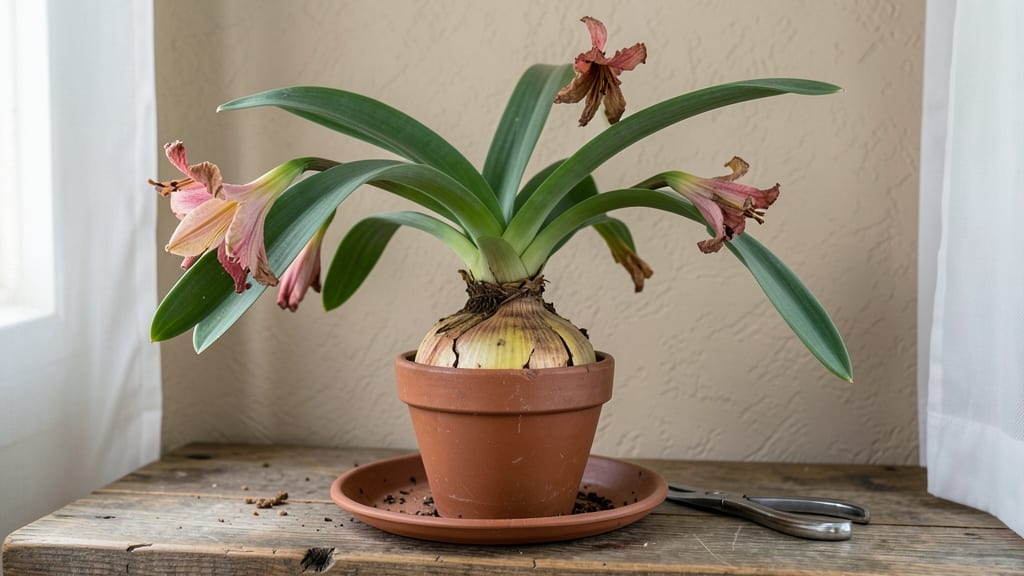
Amaryllis bulbs care after blooming isn’t complicated—it’s about patience and a few key adjustments. 🌱 After those stunning flowers fade, most gardeners panic and toss the bulb, but with the right steps, you’ll coax it back to life for next season’s blooms.
The secret lies in letting the bulb rest properly after flowering, then giving it the right conditions to rebound.
First, cut the spent flower stalk at the base but leave the leaves—those green blades are the bulb’s food factory. Reduce watering gradually over 4-6 weeks while keeping the soil slightly moist, then let it dry out completely.
This mimics the bulb’s natural dormancy cycle, which is critical for reblooming. A balanced fertilizer every 4-6 weeks during the growing season keeps it strong for next year.
By late summer, you’ll see new growth emerging from the bulb, signaling it’s ready to bloom again. The key is consistency: don’t overwater, avoid direct sunlight during dormancy, and resist the urge to force reblooming too soon.
With this simple routine, your amaryllis will reward you with another round of dramatic flowers in just 8-10 months.
If you live in a cold climate, store the dormant bulb in a dry, cool spot (like a garage) until spring. Even in warmer areas, this rest period ensures stronger blooms next time. The payoff? A bulb that keeps giving for years with minimal effort.
📚 In This Guide
- What you need
- Instructions
- Tips and common mistakes
- Wrapping up and next steps
What you need
- ● Well-draining potting mix: 2–3 gallons (enough to fill the pot ¾ full). Look for a blend labeled for bulbs or succulents (e.g., 50% peat moss, 30% perlite, 20% vermiculite).
- ● Pot with drainage holes: 1–2 inches larger in diameter than the bulb’s width (e.g., 6–8 inches for a standard bulb). Terracotta or ceramic works best.
- ● Watering can or spray bottle: With a fine rose attachment to avoid overwatering.
- ● Pruning shears or clean scissors: For trimming spent blooms and foliage.
- ● Balanced liquid fertilizer: 10–10–10 or 20–20–20 (diluted to half-strength).
- ● Bright, indirect light source: A south- or east-facing window or grow lights (12–14 hours/day).
- ● Slow-release bulb fertilizer (e.g., Osmocote) for long-term nourishment.
- ● Humidity tray or pebble tray to maintain moisture levels (especially in dry climates).
- ● Support stake or small cage (3–6 inches tall) if stems lean heavily.
- ● pH testing kit (ideal soil pH: 6.0–6.5).
- ● Compost or worm castings (1–2 tablespoons) for a nutrient boost.
Step-by-step guide to reviving amaryllis after blooming
Here’s how to keep your amaryllis thriving—no green thumb required.
🪴 Step 1: Let the Blooms Fade Naturally
Once your amaryllis flower stalk turns brown and wilts, resist the urge to cut it immediately. The stalk still provides nutrients to the bulb, so leave it in place until it dries completely on its own. This usually takes about 4-6 weeks—you’ll know it’s ready when the stalk turns crispy and crumbly.
I always mark the date when the blooms open to track progress. If you cut the stalk too soon, the bulb won’t store enough energy for next year’s flowers. Patience here pays off—skipping this step means fewer blooms (or none at all) next season.
✂️ Step 2: Trim and Store in Dormancy
After the stalk has fully dried, use clean scissors to snip it off at the base, leaving about ½ inch of stem above the bulb. Remove any dried leaves as well, but leave 2-3 healthy leaves attached—they’ll continue photosynthesizing for the bulb’s benefit.
Place the pot in a cool, dark spot with temperatures between 50-60°F. I like to move mine to a basement or closet, where it can rest undisturbed for 8-10 weeks. This dormancy period mimics winter conditions and signals the bulb to focus on storing energy for future blooms.
💧 Step 3: Resume Watering and Fertilizing
After the dormancy period, bring your amaryllis back into bright, indirect light and resume watering. Water lightly at first—just enough to keep the soil slightly moist—but avoid soaking the bulb. Overwatering now can cause rot, especially while new roots are still developing.
Wait 2-3 weeks before fertilizing. Once new growth appears, use a balanced liquid fertilizer (like 10-10-10) diluted to half-strength. I fertilize every 2 weeks during the growing season to encourage strong foliage and future blooms. Stop fertilizing in late summer to prepare the bulb for its next rest period.
☀️ Step 4: Encourage Reblooming with Light and Care
Position your amaryllis in a spot with 6+ hours of bright, indirect light daily. South- or west-facing windows work well, but avoid direct midday sun, which can scorch the leaves. If you notice the leaves stretching or turning pale, your plant needs more light—consider supplementing with a grow light.
By late summer, reduce watering slightly to signal the bulb that it’s time to prepare for dormancy again. This gradual adjustment helps trigger flower bud formation for next season. With consistent care, your amaryllis will reward you with another stunning bloom cycle in 8-12 months.
Tips & tricks for perfect amaryllis bulb revival
Between us, these small adjustments make all the difference between a one-time bloomer and a plant that keeps gracing your home year after year.
Dormancy Temperature: That 50-60°F range is crucial—any warmer and your bulb might wake up too early, using up stored energy. I keep mine in my basement where it stays consistently around 55°F. If your home doesn't get that cool, a closet with a small fan circulating air works surprisingly well. The key is consistency, not exact precision.
Light Transition: When bringing your amaryllis back into light after dormancy, don't rush it. Start with just 2-3 hours of indirect light the first day, then gradually increase to the full 6+ hours over 3-4 days. This mimics natural spring conditions and prevents leaf burn. I've seen plants get sunburned when moved too quickly—those brown patches are permanent.
Fertilizer Timing: That 2-3 week wait before fertilizing is non-negotiable. New roots are fragile and can't handle the salts in fertilizer right away. I always check for new growth by gently tugging on the leaves—if they resist slightly, roots are forming and it's safe to fertilize. Too eager fertilizing is one of the fastest ways to kill an amaryllis.
Watering Wisdom: The "slightly moist" soil guideline means you should be able to stick your finger an inch down and feel dampness, but not wetness. I use my finger as a moisture meter—if it comes out clean, it's time to water. Overwatering during this phase is the #1 reason bulbs rot before they can rebloom. A saucer under the pot helps catch any excess water that might drip through.
Pro Tips for Amaryllis Bulbs Care After Blooming
- Between us, these small adjustments make all the difference between a one-time bloomer and a plant that keeps gracing your home year after year.
- Dormancy Temperature: That 50-60°F range is crucial—any warmer and your bulb might wake up too early, using up stored energy.
- Light Transition: When bringing your amaryllis back into light after dormancy, don't rush it.
Frequently asked questions
Got questions about keeping your amaryllis happy after the blooms fade? You’re not alone!
Here are answers to the most common concerns—so you can help your bulbs thrive for next season.
What should I do with the flower stalk after blooming?
Once the blooms wilt, don’t cut the stalk immediately! Let it yellow naturally (about 6–8 weeks), as it feeds nutrients back to the bulb. Only trim it after it turns brown and crispy—cut it at the base with clean shears. This ensures your bulb stores energy for future growth.
How much water should I give my amaryllis after blooming?
Reduce watering gradually after flowering. Let the top 2–3 inches of soil dry out between waterings, but avoid letting the bulb shrivel. Overwatering causes rot, while underwatering stresses the plant. Aim for moderate moisture—think "damp, not soggy."
Can I force my amaryllis to rebloom the same year?
Probably not! Amaryllis bulbs need 6–8 weeks of rest (with minimal water and cooler temps, ~55–65°F) to rebloom. Forcing a second bloom the same year often weakens the bulb. Wait for next season—patience pays off with bigger, healthier flowers!
Why did my amaryllis bulb rot after blooming?
Rot usually stems from overwatering or poor drainage. Ensure your pot has drainage holes and use a well-draining mix (like cactus soil). If you spot mushy bulbs or foul smells, stop watering immediately and repot in fresh, dry soil. Yellow leaves or soft stems? Act fast to save your bulb!
Should I fertilize my amaryllis after flowering?
Yes! After the stalk dies back, feed your bulb with a balanced, water-soluble fertilizer (like 10-10-10) diluted to half-strength. Apply every 4–6 weeks during the growing season (spring/summer). Skip fertilizing during the rest period—let the bulb recharge!
Wrapping up and next steps
Caring for your amaryllis bulbs after blooming doesn’t have to be complicated—just follow the simple steps of trimming, feeding, resting, and repotting. With a little patience and the right care, you’ll be rewarded with stunning blooms again next season. 🌸
Now that you’re armed with the knowledge, it’s time to put it into action! Start by giving your amaryllis the well-deserved rest it needs, and soon, you’ll be enjoying those gorgeous flowers all over again. Happy gardening! 🌱