
Blooming
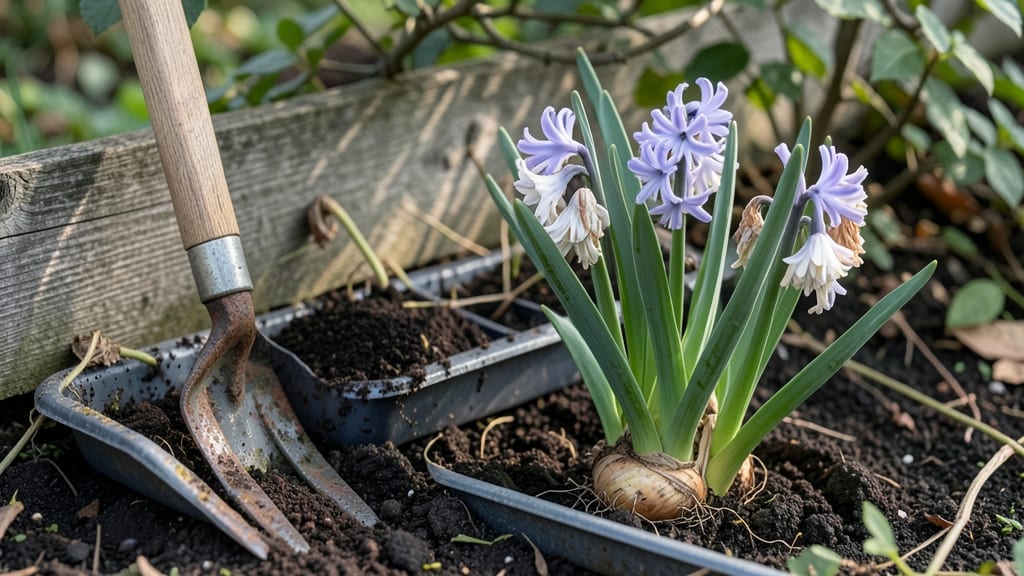
Your hyacinth bulbs aren’t done after those fragrant purple spikes fade—this is where the real magic happens. 💜 Cutting back the blooms now might feel counterintuitive, but letting the foliage yellow and die back naturally is what fuels next year’s showstopper display.
Skipping this step means smaller blooms (or none at all) by spring.
The key is patience and a light touch: stop watering once the leaves turn brown, but leave them in place until they crisp up completely—usually 6-8 weeks after blooming.
This gives the bulb time to store energy for next season. A gentle hand with a pair of pruners (cutting at the base) is all you need.
By late summer, you’ll know it’s time to dig up the bulbs if you’re in a colder climate—they need a cool, dry spot to rest until planting time.
In milder zones, they’ll happily naturalize and multiply, popping up year after year with minimal effort. Either way, you’re setting up a repeat performance.
Pro tip: Mark where you planted them this year—those same spots will become the most fragrant corner of your garden next spring. The bulbs are tougher than they look, but they do need this post-bloom recovery time to reward you with another round of intoxicating scent.
📚 In This Guide
- What you need
- Instructions
- Tips and common mistakes
- Wrapping up and next steps
What you need
- ● Garden gloves – A pair to protect your hands from dirt and sharp bulb edges.
- ● Hand trowel or garden fork – A small, sharp-edged trowel (6-8 inches) or a sturdy fork for digging.
- ● Pruning shears or sharp scissors – To trim faded flower stems and foliage cleanly.
- ● Compost or well-aged manure – A 5-gallon bucket (or enough to mix into the soil) for nutrient boost.
- ● Balanced fertilizer (10-10-10 or similar) – About 1-2 tablespoons per bulb to replenish nutrients.
- ● Watering can or hose with a gentle spray nozzle – For post-care hydration.
- ○ Newspaper or cardboard (optional but helpful) – To mulch bulbs if replanting in fall.
- ● Bulb fertilizer (high in phosphorus) – Like bonemeal (1 tbsp per bulb) for next year’s growth.
- ● Pest control spray (neem oil or insecticidal soap) – If you spot bulb mites or aphids.
- ● Labeling tags or markers – To track hyacinth varieties if you’re experimenting with different types.
- ● Container or mesh bag – For storing bulbs in a cool, dry place if not replanting immediately.
- ● Soil moisture meter – To check if stored bulbs are too damp during dormancy.
Instructions for reviving and replanting hyacinth bulbs
Here’s how to keep your hyacinths thriving for years—no fancy tools or guesswork required.
🌱 Step 1: Let the Flowers Fade Naturally
After your hyacinths bloom, resist the urge to cut the stems immediately. Let the flower stalks remain until they turn brown and crispy on their own—this process, called maturation, allows the bulb to redirect energy back into storage for next year. You’ll know it’s ready when the foliage looks completely dry and brittle, usually 6-8 weeks after blooming.
If you’re impatient and cut the stems too soon, the bulb won’t replenish its reserves, and you’ll get weaker blooms (or none at all) next season. I always mark the planting date on my calendar so I don’t rush this step. Patience here pays off with bigger, brighter blooms later.
✂️ Step 2: Cut Back the Dead Foliage
Once the foliage is fully brown and crispy, use clean, sharp pruners to trim the stems back to about 1 inch above the soil line. This keeps the garden tidy while preventing disease from lingering dead material. Avoid pulling or tugging the foliage—you want to leave the roots intact so they can absorb any remaining nutrients.
I like to do this in late summer or early fall, just before the first frost. The bulb will have already stored enough energy by then, and cutting back prevents it from wasting resources on maintaining dead stems. If you’re in a warm climate, you can wait until the heat of summer has passed.
🪴 Step 3: Dig Up and Store the Bulbs (If Needed)
Hyacinths can be left in the ground year-round in mild climates (USDA zones 7-9), but in colder regions, they need winter protection. After cutting back the foliage, carefully dig up the bulbs using a fork or trowel. Gently loosen the soil around them to avoid damaging the bulb’s outer skin. Shake off excess dirt but don’t wash them—this removes protective layers.
Let the bulbs dry in a shady, well-ventilated spot for 1-2 weeks before storing. I place them in a mesh bag or paper sack to allow airflow and prevent rot. Store them in a cool, dark place (like a garage or basement) where temperatures stay between 40-50°F until replanting in early fall.
🌿 Step 4: Replant for Next Year’s Blooms
In early fall, about 6-8 weeks before your first frost, replant the bulbs in a sunny spot with well-draining soil. Dig a hole about 6 inches deep and place the bulb in with the pointed end facing up. Space them 4-6 inches apart for smaller varieties or 8 inches apart for larger ones. Cover with soil and water lightly to settle everything in place.
Mulch with 2-3 inches of organic matter (like shredded leaves or straw) to insulate the bulbs over winter. This helps regulate soil temperature and protects them from freezing. I always replant hyacinths in clusters—their fragrance and color make them a showstopper when they return the following spring.
☀️ Step 5: Water and Fertilize for Future Growth
After replanting, water the area lightly to encourage root growth, but avoid overwatering—hyacinths rot easily if the soil stays soggy. Once the foliage emerges in spring, apply a balanced, low-nitrogen fertilizer (like 10-10-10) at half strength to promote strong root development without encouraging excessive leaf growth at the expense of blooms.
Here’s the thing—hyacinths thrive on neglect after the first year. Once established, they’ll naturalize and multiply, giving you more blooms each season. Just keep an eye out for pests like squirrels or deer, which love digging up bulbs. A simple wire mesh barrier around the planting area solves this problem effortlessly.
Tips & tricks for reviving hyacinth bulbs after blooming
Took me years to figure out the right way to handle these bulbs—here’s what nobody tells you about keeping them thriving.
Patience in Step 1 Pays Off: That 6-8 week wait for the foliage to fully brown and crispy isn’t just about looks—it’s when the bulb stores all its energy for next spring. I’ve seen people cut stems too soon and end up with sad, weak blooms the following year. Mark your calendar 8 weeks after blooming as your deadline for cutting back, no matter how tempted you are to tidy up earlier.
Pruning Precision in Step 2: When you cut those dead stems back to 1 inch above the soil, you’re doing more than just cleaning up. That little stump helps prevent rot while still allowing the bulb to absorb any remaining nutrients from the roots. I use my pruners to make clean cuts rather than pulling—those torn stems can introduce disease. And always sterilize your pruners between plants to avoid spreading anything.
Storage Wisdom in Step 3: That 1-2 week drying period before storing is crucial—it prevents mold and rot in your cool storage spot. I’ve ruined bulbs by rushing this step, so don’t skip it! Use mesh bags or paper sacks (never plastic) to let air circulate. And keep them in a place where temps stay between 40-50°F—any warmer and they’ll start growing prematurely, any colder and they might get frost damage.
Replanting Timing in Step 4: The 6-8 week window before frost isn’t just arbitrary—it gives bulbs time to establish roots before winter. I plant mine in mid-October in my zone 5 garden. If you’re unsure about frost dates, check your local agricultural extension service—they’ll give you exact dates for your area. And that 6-inch depth? It’s perfect for protecting bulbs from temperature swings while still keeping them accessible to moisture.
Pro Tips for What To Do With Hyacinth Bulbs After Blooming
- Took me years to figure out the right way to handle these bulbs—here’s what nobody tells you about keeping them thriv...
- Patience in Step 1 Pays Off: That 6-8 week wait for the foliage to fully brown and crispy isn’t just about looks—it’s...
- Pruning Precision in Step 2: When you cut those dead stems back to 1 inch above the soil, you’re doing more than just...
Frequently asked questions
Got questions about what to do with your hyacinth bulbs after they’ve put on their stunning floral show? You’re not alone! Here are some of the most common concerns—and straightforward answers—to help you keep your garden thriving.
What should I do with hyacinth bulbs right after they finish blooming?
Once the flowers fade, leave the foliage alone! Don’t cut it back yet—let the leaves turn yellow and wither naturally. This process allows the bulb to store energy for next year’s blooms. Only trim the dead foliage after it’s completely brown and crispy, usually 6–8 weeks post-bloom.
Can I replant hyacinth bulbs right away after they bloom?
Nope! Replanting too soon can stress the bulb. Wait until the foliage has fully died back (typically late summer or early fall) to dig up, divide, or replant bulbs. This timing ensures they’ve had enough time to recharge for their next cycle. Pro tip: Mark their location if you’re keeping them in the ground to avoid accidental digging!
How do I know if my hyacinth bulbs are ready to be dug up and stored?
Your bulbs are ready for storage when the leaves are completely brown, dry, and crumbly—usually 8–10 weeks after blooming. Gently dig them up, brush off excess soil, and let them dry in a cool, dark, and well-ventilated spot (like a garage or basement) for 2–3 weeks before storing in a mesh bag or paper sack.
What if my hyacinth bulbs don’t bloom the second year? Is something wrong?
Not necessarily! Bulbs often take a year or two to fully establish and bloom again. Ensure they’re getting 6+ hours of sunlight, well-draining soil, and consistent watering (but not soggy conditions). If they’re still struggling after two years, they might need dividing or a nutrient boost with bulb fertilizer.
Can I force hyacinth bulbs to rebloom in the same season?
Unfortunately, no—hyacinths are perennial but seasonal bloomers. They follow a natural cycle: bloom in spring, rest in summer, and recharge for next year. Forcing them to rebloom in the same season (like cutting flowers early) weakens the bulb. Instead, enjoy their show and plan for next year’s even bigger display!
Wrapping up and next steps
Caring for your hyacinth bulbs after they bloom doesn’t have to be complicated—just a few simple steps can ensure they return next year with even more vibrant color and fragrance! 🌸 Whether you choose to revive, replant, or repurpose them, you’re setting the stage for a stunning repeat performance.
Now that you’re armed with the know-how, take that next step: grab your gardening tools, mark your calendar, and give your bulbs the TLC they deserve.
Your future blooms—and your garden’s beauty—will thank you! 🌱