
Blooming
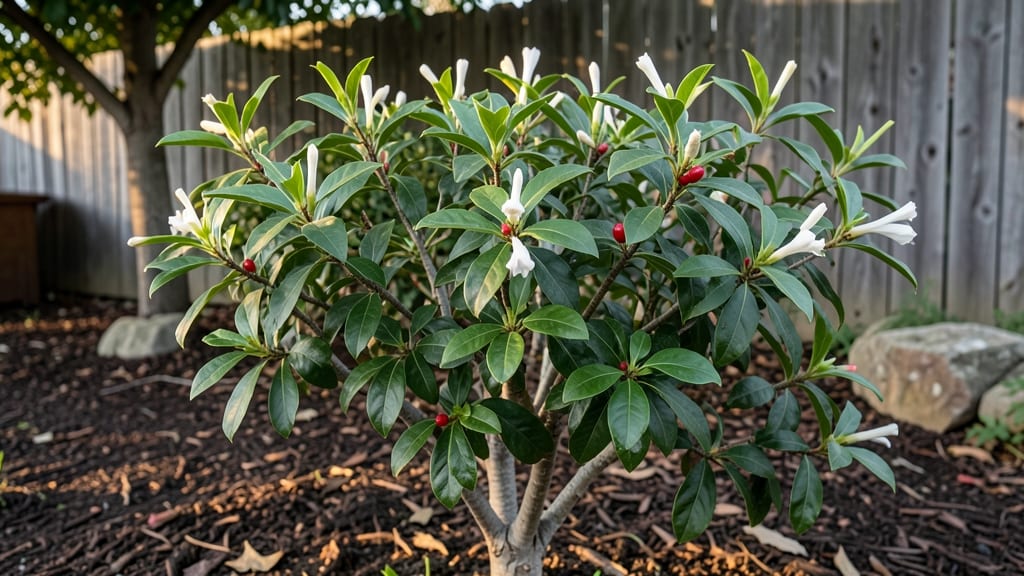
A full-grown night-blooming jasmine tree turns your yard into a moonlit perfume factory. 🌙 The intoxicating scent isn't just a summer party trick—it's a year-round fragrance machine if you give it the right conditions.
My Cestrum nocturnum has been blooming reliably for five years, and I'll show you how to replicate that magic in your own space. These trees thrive in warm climates (zones 9-11) but can be grown as container plants in cooler areas.
They need 6+ hours of sunlight daily, well-draining soil, and regular watering—though they're surprisingly drought-tolerant once established. The key to continuous blooms is pruning after each flowering cycle to encourage new growth.
By late summer, you'll have clusters of white flowers that open at dusk and stay fragrant until dawn. The scent lingers on the breeze, drawing in pollinators and creating a magical evening atmosphere. With proper care, your tree will keep producing those intoxicating blooms for decades.
For container growers, choose a pot at least 24 inches wide with drainage holes. In cooler climates, bring it indoors before frost hits—it'll survive the winter with minimal light. The secret to long-term success? Consistent care and patience. Your evenings will never be the same.
📚 In This Guide
- What you need
- Instructions
- Tips and common mistakes
- Wrapping up and next steps
What you need
- ● Night-blooming jasmine plant: A Cestrum nocturnum (star jasmine) or Jasminum sambac (moonflower), purchased as a 3–5 ft. sapling or mature tree (ensure it’s disease-free).
- ● Well-draining potting mix: 5–10 gallons of a blend with 60% peat moss, 30% perlite, and 10% compost (for containers) or amended garden soil (for in-ground planting).
- ● Container (if potted): A 15–25 gallon pot with drainage holes (terracotta or fiberglass recommended).
- ● Support structure: A bamboo stake or trellis (6–8 ft. tall) for climbing varieties.
- ● Pruning shears: Sharp, bypass pruners (sterilized with rubbing alcohol).
- ● Slow-release fertilizer: 10-10-10 NPK or organic compost tea (1 tbsp per gallon of soil).
- ● Mulch: 2–3 inches of wood chips or pine straw to retain moisture.
- ● Drip irrigation or hose: For consistent watering (especially in drought-prone areas).
- ● Growth hormones: Rooting powder for propagating cuttings (if expanding your collection).
- ● Soil moisture meter: To track hydration levels (jasmine hates soggy roots!).
- ● Lightweight netting: Protects blooms from pests like jasmine moths or birds.
- ● Fragrance-friendly decor: Solar-powered string lights or a moonlit garden bench to enjoy the scent!
Step-by-Step guide to cultivating a thriving night-blooming jasmine tree
Here's how to nurture a full-grown night-blooming jasmine into a fragrant centerpiece that perfumes evenings year-round.
🌱 Step 1: Select the Perfect Planting Location
Night-blooming jasmine (Jasminum sambac) thrives in full sun to partial shade, with at least 6 hours of direct sunlight daily for optimal flowering. Choose a spot with morning sun and afternoon shade—this protects delicate blooms from harsh afternoon heat while ensuring enough energy for nighttime fragrance production.
Test your location by observing how sunlight moves across the area. The ideal spot will receive gentle afternoon shade from nearby trees or structures, but still bask in bright morning light. If planting near a wall, position the tree 4-6 feet away to allow airflow—stagnant air reduces fragrance diffusion and invites fungal diseases.
☀️ Step 2: Prepare Soil and Plant with Proper Spacing
Amend native soil with 2-3 inches of organic compost and 1 part perlite to 3 parts soil to improve drainage—a critical factor for jasmine health. These trees despise soggy roots, which lead to root rot and stunted blooming. Mix the amendments into the top 12 inches of soil using a garden fork to create a loose, airy medium.
Dig a hole twice as wide as the root ball but no deeper—planting too deep suffocates roots and encourages shallow growth. Place the tree so the top of the root ball sits level with the surrounding soil, then backfill with native soil mixed with compost. Water deeply to eliminate air pockets, then create a 2-inch-high berm around the base to direct water toward roots during irrigation.
💧 Step 3: Establish a Watering and Fertilizing Routine
Water deeply twice weekly during the first growing season, ensuring 1-2 inches of moisture reaches the root zone. You'll know you've watered enough when soil feels damp 6 inches below the surface—probe with your finger to check. After the first year, reduce to once weekly deep watering unless your region experiences extreme heat or drought.
Feed with a balanced 10-10-10 fertilizer every 6 weeks during spring and summer, but reduce to half-strength in fall. Over-fertilizing in late summer encourages tender new growth that won't harden off before winter. I always mix fertilizer with water and apply it to moist (not soggy) soil to prevent root burn.
✂️ Step 4: Prune Strategically for Year-Round Blooms
Prune immediately after flowering in late spring to shape the tree and encourage next year's blooms. Remove dead, crossing, or weak branches first, then cut back overly long branches by ⅓ to maintain an open, airy structure. Night-blooming jasmine flowers on new wood, so aggressive pruning in winter removes potential bloom sites.
Watch for suckers at the base—these compete with the main trunk for nutrients. Remove them promptly by cutting at the base with clean, sharp shears. After pruning, apply a copper fungicide spray as a preventative measure against powdery mildew, which thrives on jasmine's tender new growth.
🌿 Step 5: Protect and Maintain for Winter Hardiness
Night-blooming jasmine is hardy to USDA Zone 9, but younger trees or colder climates need winter protection. Before the first frost, apply a 3-inch layer of mulch around the base (but keep it 6 inches away from the trunk) to insulate roots. I use straw or shredded bark—both allow moisture to penetrate while retaining heat.
Wrap the trunk of young trees with burlap or frost cloth if temperatures drop below 25°F, and secure it loosely to allow airflow. Avoid plastic wraps, which trap moisture and encourage rot. In spring, remove protective materials as soon as new growth appears—usually by mid-March in most climates.
Tips & tricks for perfect night-blooming jasmine cultivation
Transforming your night-blooming jasmine into a fragrant showstopper takes more than just planting—here's how to maximize its moonlit potential.
Lighting Strategy: The 6 hours of direct sunlight in Step 1 is non-negotiable for flowering, but timing matters just as much. Position your tree to capture morning sun (6:00 AM - 12:00 PM) when UV intensity is lower—this prevents leaf scorch while still providing energy for nighttime blooms. I've found that trees near east-facing walls receive perfect morning light without afternoon heat stress.
Soil Science: That 2-3 inches of organic compost in Step 2 isn't just about nutrients—it's about creating the right microbial ecosystem. I mix in a handful of worm castings with the compost to introduce beneficial bacteria that break down organic matter faster. This helps maintain that loose, airy medium crucial for root health, especially during the first critical year when roots establish.
Watering Wisdom: The twice-weekly deep watering in Step 3 works best when done at the same time each day—early morning is ideal. This consistency helps regulate moisture levels in the root zone while preventing fungal issues. I use a moisture meter to verify that 6-inch depth is damp, but I've learned the hard way that relying on finger tests alone can lead to either over- or under-watering.
Winter Protection Pro Tip: When wrapping young trees at 25°F or below in Step 5, leave a small gap at the top of the burlap wrap—this creates a chimney effect that prevents moisture buildup. I've seen plastic wraps cause more damage than good by trapping cold air against the trunk. Also, remove protective materials promptly in mid-March as soon as you see new growth, or you'll smother emerging buds.
Pro Tips for Full Grown Night Blooming Jasmine Tree
- Transforming your night-blooming jasmine into a fragrant showstopper takes more than just planting—here's how to maximize its moonlit potential.
- Lighting Strategy: The 6 hours of direct sunlight in Step 1 is non-negotiable for flowering, but timing matters just as much.
- Soil Science: That 2-3 inches of organic compost in Step 2 isn't just about nutrients—it's about creating the right microbial ecosystem.
Frequently asked questions
Got questions about your full-grown night-blooming jasmine tree? You’re not alone! Here are answers to the most common queries—from fragrance secrets to care hacks—so you can keep those moonlit blooms thriving.
When does a full-grown night-blooming jasmine tree bloom?
A mature night-blooming jasmine (Cestrum nocturnum) typically blooms in late summer to early fall (August–October), but with the right care—like pruning in spring and providing partial shade—you can coax year-round flowers. Cold snaps may delay blooms, so protect it in zones below 10a.
How big does a full-grown night-blooming jasmine tree get?
Expect a lush, 6–10-foot-tall shrub or small tree with a spread of 4–8 feet. If unpruned, it can grow taller, but regular trimming keeps it manageable and encourages denser blooms. Plant it 8–10 feet from structures to avoid overgrowth.
Is night-blooming jasmine toxic to pets?
Yes! All parts of the plant—leaves, flowers, and stems—contain saponins, which can cause vomiting, diarrhea, or drooling if ingested by pets. Keep it out of reach of curious cats and dogs, or opt for pet-safe alternatives like jasmine polyanthum (day-blooming).
Why isn’t my night-blooming jasmine flowering?
Common culprits include:
- Too much shade: Needs 4–6 hours of sunlight daily.
- Over-fertilizing: Use a low-phosphorus fertilizer (like 10-10-10) sparingly in spring.
- Stress: Check for pests (aphids, spider mites) or root rot from overwatering.
- Age: Young plants may take 2–3 years to bloom.
Can I grow night-blooming jasmine in a container?
Use a 15–20 gallon pot with drainage holes and a well-draining mix (cactus/succulent soil + perlite). Repot every 2–3 years and move it outdoors in warm months. Just know it’ll need more frequent watering and winter protection (bring indoors if temps drop below 40°F).
Pro Tip:
For extra fragrance, plant near windows or patios where the scent releases at night. Pair it with gardenia or tuberose for a tropical moonlit garden vibe!
Wrapping up and next steps
A full-grown night-blooming jasmine tree isn’t just a garden centerpiece—it’s a fragrant, low-maintenance dream that turns your evenings into a sensory escape. 🌙 With the right care (like well-draining soil, pruning, and winter protection), you’ll enjoy year-round blooms and a canopy of intoxicating perfume.
Whether you’re a seasoned gardener or a beginner, this resilient beauty rewards patience with effortless elegance.
Ready to transform your space? Start small: pick a sunny spot, gather your supplies, and plant with confidence. Your future moonlit garden awaits—one fragrant petal at a time! 🌱