
Blooming
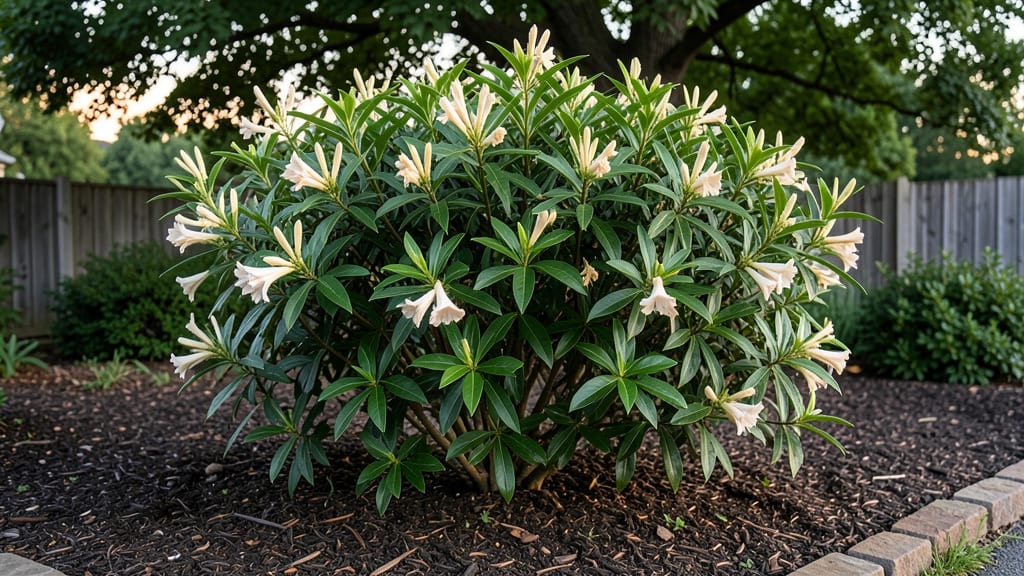
Mastering night blooming jasmine plant care unlocks its magic—this moonlit perfume factory thrives with bright indirect light, rich soil, and just the right balance of water for vibrant purple blooms. 🌙 I’ve grown mine for five years, and the key is patience: it takes time to establish, but once it does, it rewards you with fragrant evenings that last for months.
This plant thrives in well-draining soil with a touch of compost—think of it as a cross between a shrub and a vine, so it needs space to spread. Water when the top inch of soil feels dry, but don’t drown it; soggy roots are its biggest enemy.
A morning watering lets excess moisture evaporate before nightfall, keeping those roots happy and healthy. Temperature-wise, it loves warmth but can handle light frosts if protected.
Pruning is where the magic happens. Trim back leggy growth in early spring to encourage bushier blooms, and deadhead spent flowers to keep the plant focused on producing more.
Feed it with a balanced fertilizer every 6-8 weeks during growing season, and watch it explode with hundreds of star-shaped blooms that open at dusk and stay fragrant until dawn.
The real payoff? A garden that comes alive after dark, filled with the sweetest scent you’ll ever experience. With the right care, your night blooming jasmine will thrive for years, turning every evening into a sensory delight. Ready to make your garden the talk of the neighborhood?
📚 In This Guide
- What you need
- Instructions
- Tips and common mistakes
- Wrapping up and next steps
What you need
- ● Night blooming jasmine plant: 1 seedling, cutting, or mature plant (check for healthy stems and fragrant blooms!)
- ● Well-draining potting mix: 5–10 gallons (depending on pot size), with a blend of peat moss, perlite, and compost (or a cactus/succulent mix for better aeration).
- ● Containers: For pots: 1–2 large containers (12–18 inches in diameter) with drainage holes.
- ● For in-ground planting: A sunny, sheltered spot with loose, fertile soil (amend with compost if needed).
- ● Fertilizer: 1 slow-release granular fertilizer (10-10-10 or 20-20-20) or liquid bloom booster (like fish emulsion).
- ● Mulch: 2–3 inches of organic mulch (e.g., shredded bark or pine needles) to retain moisture.
- ● Garden trowel or shovel (for transplanting).
- ● Pruning shears (sharp, sterilized for trimming dead blooms or shaping).
- ● Watering can or hose with a gentle spray nozzle (avoid soggy soil!).
- ○ pH test kit (optional but helpful—jasmine prefers 6.0–7.0).
- ○ Support structure (e.g., trellis or stake, optional for climbing varieties).
- ● Grow lights (if indoors and light is limited).
Step-by-Step instructions for growing night blooming jasmine
Here’s how to coax those intoxicating purple blooms year after year—my foolproof method for happy, fragrant plants.
🌱 Step 1: Choose the Right Spot for Maximum Blooms
Night blooming jasmine (Cestrum nocturnum) thrives in full sun to partial shade, but for the most intense fragrance and blooms, aim for at least 6 hours of direct sunlight daily. I plant mine near a south-facing wall or patio where they get morning sun and afternoon shade in hot climates—this prevents leaf scorch while keeping stems strong.
If you’re growing in a container, place it where it gets bright, indirect light during the hottest afternoon hours. Watch for leaves turning yellow or crispy edges—this means it’s getting too much sun. In cooler zones, a sheltered spot that gets 4-6 hours of sun works well, though blooms may be slightly less abundant.
💧 Step 2: Water Deeply but Infrequently
Jasmine hates soggy roots, so water only when the top 2 inches of soil feel dry. Stick your finger in the soil—if it’s moist below that depth, wait another day. I water mine every 5-7 days in summer and every 10-14 days in winter, adjusting for rain. Overwatering is the #1 killer, so always check before adding more.
For container plants, empty the saucer after 10 minutes of watering to prevent root rot. You’ll know it’s time to water when the soil pulls away from the pot edges. Drought-stressed plants wilt dramatically but bounce back quickly once watered—this is normal and not a sign of trouble.
☀️ Step 3: Feed for Fragrance and Flowers
Use a balanced, water-soluble fertilizer (10-10-10 or 20-20-20) every 4-6 weeks during spring and summer to encourage blooming. I dilute it to half-strength to avoid burning roots. Stop fertilizing in late summer to let the plant prepare for dormancy, which helps next year’s blooms.
In fall, add a slow-release granular fertilizer around the base (follow package rates). This gives the plant a steady nutrient supply over winter. Yellowing leaves often mean it’s hungry—just a light feeding usually revives it. Avoid high-nitrogen fertilizers, which promote leafy growth at the expense of flowers.
✂️ Step 4: Prune for Shape and More Blooms
Prune right after flowering (late spring/early summer) to shape the plant and encourage bushier growth. Cut back overly long stems by ⅓ and remove any dead or crossing branches. I use clean, sharp pruners to make 45-degree cuts just above a leaf node—this prevents water from pooling and causing rot.
In late winter, give the plant a light haircut to remove any dead wood and open up the center for airflow. Never prune in fall, as new growth won’t harden off before winter. If your jasmine gets leggy, it’s begging for more sun—move it to a brighter spot next year.
⏰ Step 5: Protect from Frost and Pests
Night blooming jasmine is tender to frost—bring potted plants indoors before temps drop below 35°F. I wrap mine in burlap and move to a garage or unheated sunroom for winter. In-ground plants in cold zones die back to the ground but regrow from the roots in spring—just cut back the dead stems in early spring.
Watch for aphids or spider mites, which love the tender new growth. Spray with neem oil if you spot sticky residue or fine webbing. I also rotate my plants occasionally to discourage pests from settling in. Healthy jasmine is rarely bothered, but stressed plants attract trouble.
Tips & tricks for perfect night blooming jasmine care
Here's what nobody tells you about keeping your fragrant jasmine thriving—these are the secrets I wish I'd known when I first grew mine.
Lighting Strategy: In Step 1, when choosing your spot, pay attention to seasonal light changes. If your jasmine gets fewer than 6 hours of sun in winter, supplement with a grow light for 2-3 hours in the evening. I use a simple LED grow bulb near my patio plants—it mimics natural light and keeps the blooms coming even in shorter days. The key is consistency; jasmine needs that light trigger to set buds.
Soil Test Tip: Before planting, check your soil's drainage. Night blooming jasmine hates soggy feet, so if your garden soil stays wet for more than 6 hours after watering, amend it with 1 part perlite to 3 parts native soil. I learned this the hard way after losing two plants to root rot—now I always do this test before planting. You can also use a mix of 50% potting soil and 50% sand for container plants to improve drainage.
Fertilizer Timing: In Step 3, when you're fertilizing, time it right with your watering schedule. Always apply fertilizer when you water, not before. I water first, then add the diluted fertilizer to the soil. This prevents root burn and ensures the nutrients get absorbed properly. Think of it like giving your plant a drink before its meal—it's more effective this way.
Pruning Shortcuts: For Step 4, when pruning, don't stress about making perfect cuts. Just focus on removing dead wood, crossing branches, and stems longer than 12 inches. I use clean scissors instead of pruners for quick jobs, and I always cut just above a leaf node—no need to worry about the exact angle. The plant will thank you by growing bushier and producing more flowers next season.
Pro Tips for Night Blooming Jasmine Plant Care
- Here's what nobody tells you about keeping your fragrant jasmine thriving—these are the secrets I wish I'd known when I first grew mine.
- Lighting Strategy: In Step 1, when choosing your spot, pay attention to seasonal light changes.
- Soil Test Tip: Before planting, check your soil's drainage.
Frequently asked questions
Got questions about keeping your night blooming jasmine thriving? Here are some of the most common concerns—plus expert tips to keep those fragrant purple blooms coming!
When does night blooming jasmine typically flower?
Night blooming jasmine (Cestrum nocturnum) usually bursts into bloom in late summer to early fall (August–October), but with the right care, you might see sporadic flowers year-round in warm climates. Cold weather triggers dormancy, so expect a break in winter. Prune spent blooms to encourage more flowers!
How much water does it need, and how often should I water it?
This tropical beauty loves moisture but hates soggy roots. Water when the top 1–2 inches of soil feel dry (about once a week in summer, less in winter). Mulch around the base to retain humidity—especially if you’re growing it in containers. Overwatering is the #1 killer, so always check before watering!
Can night blooming jasmine survive winter outdoors?
In USDA Zones 9–11, it thrives year-round outdoors. For colder zones (8 or below), plant it in a pot and move it indoors before frost hits (or mulch heavily and wrap the trunk). If grown as an annual, enjoy its scent until winter, then replant in spring. Pro tip: A greenhouse or sunroom can extend its life!
Why aren’t my jasmine leaves turning purple, and what’s wrong?
Night blooming jasmine’s purple foliage is a juvenile trait—once it matures, leaves turn green. If yours stays green but lacks flowers, it might need:
- More sunlight (6+ hours of direct sun daily)
- Balanced fertilizer (use a 10-10-10 blend in spring/summer)
- Pruning to encourage new growth
What’s a good alternative if I want a fragrant night-blooming plant but can’t grow jasmine?
If night blooming jasmine is too high-maintenance, try these low-light, fragrant alternatives:
- Night-scented stock (Matthiola longipetala)
- Evening primrose (Oenothera biennis)
- Angel’s trumpet (Brugmansia)
- Moonflower (Ipomoea alba)
Bonus Tip: How do I make my jasmine bushier?
Prune in late winter or early spring by cutting back 1/3 of the oldest stems to the ground. This encourages new, bushier growth and more blooms. Avoid heavy pruning after flowering—let the plant recover for next season!
Wrapping up and next steps
Caring for your night-blooming jasmine is all about patience, consistency, and a little love—just like nurturing any prized garden gem! 🌙 With the right balance of sunlight, water, and pruning, you’ll be rewarded with stunning purple blooms that fill your evenings with intoxicating fragrance.
Whether you’re a seasoned gardener or just starting, every small effort makes a difference—so don’t hesitate to experiment and find what works best for your plant.
Ready to take the next step? Share your progress with fellow plant lovers, or dive deeper into advanced propagation techniques to expand your jasmine family! Your fragrant haven is just a few seasons away. 🌸