
Blooming
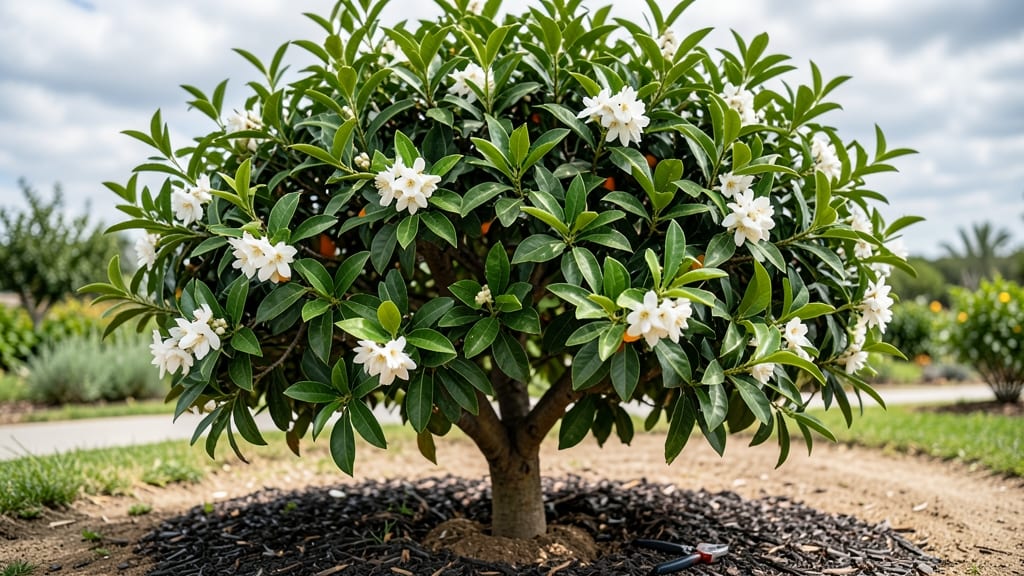
Florida’s fiery orange blooms aren’t just beautiful—they’re a hummingbird magnet and a fragrant canopy all in one. 🌿 The Florida flame tree (Cyrilla racemiflora) and firebush (Hamelia patens) burst with color from late spring through fall, turning your yard into a tropical paradise.
These native trees aren’t just pretty; they’re tough, thriving in Florida’s heat and humidity while supporting local wildlife.
Picture this: a shimmering orange backdrop that glows at sunset, drawing hummingbirds into a frenzy of activity. Firebush blooms are tubular and nectar-rich, perfect for tiny wings, while flame trees offer delicate, citrus-scented flowers that perfume the air.
Both thrive in full sun to partial shade and adapt to sandy soils—ideal for Florida’s coastal and inland landscapes. Plant them near patios or as focal points in mixed borders for maximum impact.
Your garden will hum with life as these trees attract pollinators year-round, creating a dynamic ecosystem. Flame trees grow into elegant, rounded shapes (20–30 feet tall), while firebush stays compact (6–10 feet), making them versatile for hedges or small spaces.
Pair them with native ferns, palmettos, or muhly grass for a cohesive, low-maintenance design that thrives with minimal fuss.
Care is simple: water young trees weekly until established, then let nature take over. Prune lightly after blooming to shape them, and watch as they become the star of your Florida landscape. The scent alone—like a mix of citrus and spice—will make your garden unforgettable.
📚 In This Guide
- What you need
- Instructions
- Tips and common mistakes
- Wrapping up and next steps
What you need
- ● Orange tree varieties: Choose from Citrus × sinensis (Sweet Orange), Citrus × aurantium (Bitter Orange), or Citrus reticulata (Mandarins) for vibrant blooms. Quantity: 3–5 trees for a small canopy (spaced 15–20 ft apart).
- ○ Well-draining soil: Mix 50% native Florida soil with 50% compost (e.g., Miracle-Gro Garden Soil or Espoma Citrus-Tone). Optional: Add 1 cup perlite per tree to improve aeration.
- ● Organic mulch: 3–4 inches of pine bark fines or cypress mulch to retain moisture and deter weeds.
- ● Fertilizer: Citrus-specific fertilizer (e.g., Citrus Gro or Dynamic Lifter Citrus & Palm) with a 6-6-6 NPK ratio. Apply every 2–3 months during growing season.
- ● Slow-release watering system: Drip irrigation kit (e.g., Rain Bird) or 5-gallon watering can for deep root hydration.
- ● Hand trowel (for planting small trees or amending soil).
- ● Shovel or spade (for digging 18–24-inch-deep planting holes).
- ● Pruning shears (sterilized with 70% isopropyl alcohol) for shaping and deadheading.
- ● Garden hose with adjustable nozzle (for post-planting watering).
- ● Measuring tape (to ensure proper 15–20 ft spacing between trees).
- ● Gloves (nitrile or leather for protection from thorns and soil).
- ● Hummingbird feeders: 2–3 feeders filled with 4:1 sugar-water solution (e.g., Perky-Pet Hummingbird Feeder) to complement natural blooms.
- ● Pest control: Neem oil spray (for aphids/mites) or diatomaceous earth (for soil pests).
- ● Tree guards: Plastic tree tubes (6–12 inches tall) to protect young saplings from sun/scratches.
- ● Soil pH tester: Aim for 6.0–7.0 pH (citrus thrives in slightly acidic soil).
- ● Eco-friendly weed barrier: Landscape fabric under mulch to reduce competition.
How to plant and care for Florida trees that produce stunning orange blooms
Here's how to create a fragrant citrus canopy that hummingbirds can't resist.
🌱 Step 1: Choose the Right Citrus Varieties for Florida's Climate
Florida's warm winters make it perfect for citrus trees that bloom beautifully. I always opt for cold-hardy varieties like 'Murcott' mandarin, 'Luscious' sweet orange, or 'Calamondin'—they thrive in the state's USDA Zone 9-11 and produce abundant orange blossoms. Avoid tender varieties like Valencia oranges, which struggle with occasional freezes.
Look for 1- to 2-year-old container-grown trees at local nurseries. These have established root systems and adapt faster than bare-root stock. When selecting, choose trees with full, vibrant foliage and no signs of pests—yellowing leaves or sticky residue on branches are red flags. The best time to plant is in late winter or early spring, just as the trees begin their natural growth cycle.
🪴 Step 2: Prepare the Planting Site for Optimal Growth
Citrus trees need full sun exposure—at least 6-8 hours of direct sunlight daily—so pick a location that gets morning sun and afternoon shade if temperatures exceed 90°F. Dig a hole twice as wide as the root ball but only as deep. This encourages roots to spread horizontally rather than sinking too low.
Amend the native soil with 3-4 inches of organic compost mixed into the bottom of the hole. Florida's sandy soil drains too quickly for citrus, so blending in compost improves moisture retention. Avoid heavy fertilizers at planting—too much nitrogen now will encourage leafy growth at the expense of blossoms. Instead, add a slow-release citrus fertilizer (like Citrus-Tone) to the hole before backfilling.
☀️ Step 3: Plant and Water for Strong Establishment
Remove the tree from its container and gently loosen the roots if they're circling. Place it in the hole so the root flare (where roots meet the trunk) sits 1-2 inches above soil level. This prevents water from pooling around the trunk, which causes rot. Backfill with native soil, tamping lightly to eliminate air pockets.
Water deeply right after planting—about 10-15 gallons—to settle the soil and encourage roots to grow outward. Mulch the base with 2-3 inches of wood chips or pine straw, keeping it 6 inches away from the trunk to prevent moisture buildup. Water every 2-3 days for the first month, then taper to once a week once new growth appears. Overwatering now will drown tender roots.
✂️ Step 4: Prune and Fertilize for Blooms and Fruit
Prune lightly in late winter to remove dead, crossing, or inward-growing branches. Citrus trees bloom on new wood, so avoid heavy pruning—just shape the canopy to let sunlight reach the center. Use sterilized pruning shears to make clean cuts just above a leaf node. Disinfect tools between cuts with rubbing alcohol to prevent disease spread.
Fertilize every 6-8 weeks during growing season with a balanced citrus fertilizer (like 8-2-12 NPK ratio). Apply according to package instructions, but reduce rates by half if your soil is already amended with compost. The key to orange blooms is moderate nitrogen—too much promotes leaves over flowers. Watch for small, fragrant white blossoms in spring; these will attract hummingbirds within weeks.
💧 Step 5: Maintain Through Seasons for Year-Round Interest
In summer, increase watering to twice weekly if temperatures exceed 95°F, but never let soil stay soggy. Citrus roots need consistent moisture but good drainage—yellowing leaves signal overwatering, while dry, crisp edges mean underwatering. Apply a 2-inch layer of mulch annually in late winter to retain moisture and regulate soil temperature.
Watch for citrus leaf miners or scale insects—common pests that weaken trees. Treat early with neem oil spray or horticultural oil, focusing on the undersides of leaves. A healthy tree will produce orange blooms in spring and small fruit by summer. Harvest when fruit is fully colored but still slightly firm—this ensures peak flavor and fragrance for your canopy.
Tips & tricks for perfect Florida trees with orange blooms
Here's what I wish I knew before planting my first citrus canopy—these little details make all the difference for fragrant blooms.
Sunlight Strategy: That 6-8 hours of sunlight is non-negotiable, but I've learned to watch for sneaky shade culprits. New construction or mature trees can cast shadows that change throughout the day. Test your spot with a solar pathfinder app for 24 hours before planting—you'll spot those hidden shade spots that could starve your blooms. Morning sun is especially important for Florida's citrus, as it helps dry dew quickly and prevents fungal issues.
Root Ball Revelation: When you're loosening those circling roots in Step 3, don't just pull them apart—score the bottom with your fingers to encourage outward growth. I used to skip this, and my trees struggled to establish properly. Also, that 10-15 gallons of water should be applied slowly over 30 minutes to prevent runoff in Florida's sandy soil. Think of it like giving your tree a slow drink rather than a quick shower.
Fertilizer Timing: The 6-8 week fertilization schedule is perfect, but here's the secret: split that dose into two applications—half in early spring when buds form, and half in late summer when new growth appears. This mimics Florida's natural rainy season patterns and prevents fertilizer burn. I also recommend using a soil test kit every 2-3 years to check your citrus's specific needs—Florida's soil varies dramatically by region.
Pest Prevention: That neem oil spray is your best friend, but I've found the real magic happens in prevention. Before you see any signs of citrus leaf miners, start with a weekly spray of diluted neem oil (1 tablespoon per gallon of water) during the blooming season. The scent deters pests naturally. Also, keep your mulch 6 inches away from the trunk—this prevents moisture buildup that attracts scale insects.
Pro Tips for Florida Trees Orange Blooms
- Here's what I wish I knew before planting my first citrus canopy—these little details make all the difference for fragrant blooms.
- Sunlight Strategy: That 6-8 hours of sunlight is non-negotiable, but I've learned to watch for sneaky shade culprits.
- Root Ball Revelation: When you're loosening those circling roots in Step 3, don't just pull them apart—score the bottom with your fingers to encourage outward growth.
Frequently asked questions
Got questions about Florida’s stunning orange blooms? You’re not alone—these fragrant canopies spark curiosity (and maybe a little envy!). Here are answers to the most common queries about citrus-scented trees, hummingbird magnets, and everything in between.
When do orange trees bloom in Florida, and how long does it last?
Orange trees typically bloom in late winter to early spring (January–March), with peak fragrance during cool evenings. Blooms last 2–4 weeks, but some varieties (like Valencia) may have sporadic blooms year-round. Hummingbirds time their migrations to feast on nectar during this window!
Why aren’t my orange tree blooms opening, or why are they falling off?
Blooms may fail to open or drop due to cold snaps (<32°F), nutrient deficiencies (low nitrogen/phosphorus), or overwatering. Check for thrips or aphids (tiny pests that damage buds). Solution: Prune dead blooms, fertilize with citrus-specific mix, and protect young trees with frost cloth.
Do all orange trees attract hummingbirds, or do I need a special variety?
Most Citrus sinensis (sweet orange) and Citrus reticulata (mandarin) trees attract hummingbirds, but ‘Calamondin’ or ‘Satsuma’ varieties are top picks for their abundant, fragrant blooms. Plant near feeders or native plants (like firebush) to create a hummingbird buffet!
Can I grow orange trees from seed, or should I buy a grafted tree?
Growing from seed is possible but unpredictable—seedlings may not produce fruit or blooms like parent trees. For reliable blooms, buy grafted trees from nurseries (e.g., ‘Hamlin’ or ‘Navel’ varieties). Grafted trees also resist disease better and bloom faster (within 3–5 years).
Are there non-citrus trees with orange blooms that hummingbirds love?
Yes! If you want orange-hued blooms without citrus trees, try:
- Firebush (Hamelia patens) – Red-orange tubular flowers, hummingbird superstar.
- Jacaranda – Lavender-blue blooms with orange undertones (less fragrant but stunning).
- Plumeria (Frangipani) – Waxy orange/pink flowers, drought-tolerant.
Pro Tip: Boost Blooms & Fragrance
For maximum orange blossoms:
- Prune in late winter to encourage new growth.
- Water deeply 1–2x/week (drought stress = fewer blooms).
- Feed with citrus fertilizer (high in zinc/magnesium) in early spring.
Wrapping up and next steps
The vibrant orange blooms of Florida’s citrus trees aren’t just a feast for the eyes—they’re a fragrant magnet for hummingbirds and a symbol of the Sunshine State’s natural beauty. 🌿 Whether you’re planting your own grove or simply admiring the scenery, these blooms remind us of Florida’s unique charm and the joy of nurturing life in our landscapes.
Ready to bring this magic to your yard? Start by choosing the right citrus variety for your climate, then take the first step—whether it’s planting a sapling, protecting your trees, or simply enjoying the sweet scent of spring! 🌸