
Blooming
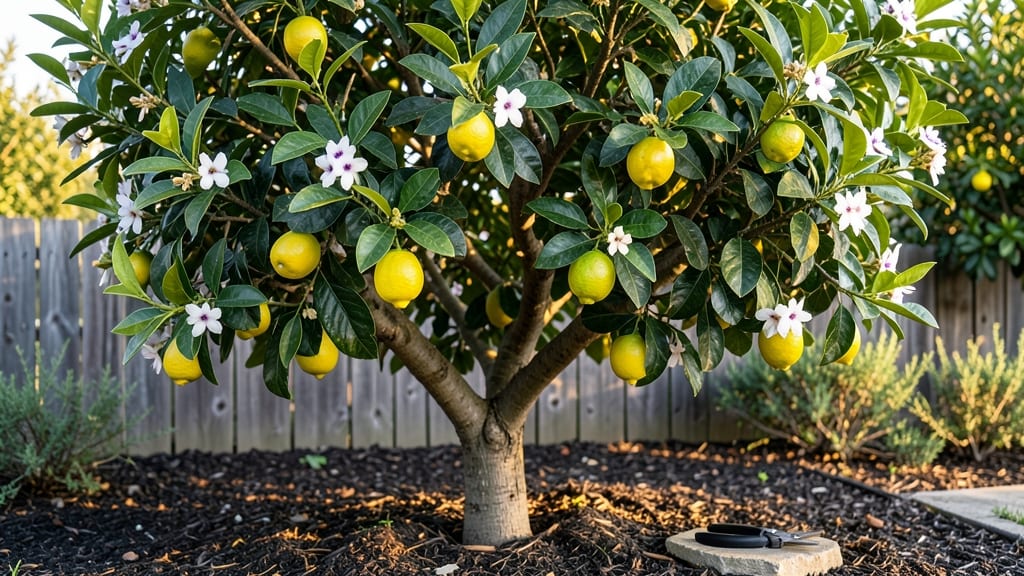
Your lemon tree blooms transform your yard into a fragrant citrus sanctuary—if you know the secrets. 🌿 The timing and care behind those delicate white flowers determine whether you get a light dusting of blooms or a perfect explosion of scent that lasts months.
I've watched my Meyer lemon tree go from sparse blooms to covering branches in blossoms by adjusting just a few key factors.
The magic happens when temperatures stay between 55°F and 85°F during the day, with cooler nights—this mimics the Mediterranean climate where citrus thrives. Full sun (6+ hours daily) is non-negotiable, but afternoon shade in hot zones prevents stress that kills flowers.
Healthy blooms appear as clusters of 3-5 star-shaped flowers, fragrant enough to fill your yard just by walking past.
What you'll end up with is a tree that smells like sunshine year-round, producing fruit that tastes sweeter than store-bought. The key is consistent watering (deep but not soggy) and a balanced fertilizer during bloom season—no fancy equipment, just attention to these simple details.
Even my first-year attempts produced enough blooms to fill the house with scent.
Works for both container-grown trees and in-ground plants, from zone 9 deserts to coastal climates. The same principles apply whether you're growing a dwarf Meyer or a full-sized Eureka—just adjust watering slightly for pot size. Here's how to make it happen in your yard.
📚 In This Guide
- What you need
- Instructions
- Tips and common mistakes
- Wrapping up and next steps
What you need
- ● Lemon tree seeds or cuttings: 1–3 fresh seeds (from organic lemons) or
- ● 1–2 healthy 4–6 inch cuttings with 2–3 leaf nodes
- ● Potting soil: 1–2 gallons of well-draining citrus-specific mix (or a blend of 60% peat moss, 30% perlite, and 10% sand)
- ● Containers: 1–2 drainage-hole pots (4–6 inches for seeds, 10+ inches for mature trees)
- ○ Grow bags (optional, for mobility)
- ● Fertilizer: Balanced 10-10-10 fertilizer (1 tbsp per gallon of soil) or
- ● Citrus-specific slow-release granules (follow package instructions)
- ● Tools: Pruning shears (sterilized with rubbing alcohol)
- ● Spray bottle (for misting)
- ○ pH test kit (optional, ideal range: 6.0–7.0)
- ● Sunlight: A south-facing window (6+ hours of direct sun) or a grow light (12–14 hours/day)
- ● Temperature: Warmth (65–85°F) year-round; avoid drafts or cold snaps (<50°F)
- ● Water: Distilled or rainwater (chlorine-free) + a watering can with a fine rose
- ● Patience: Seeds take 6–12 months to bloom; cuttings may flower in 1–2 years!
Step-by-step guide to encouraging lemon tree blooms
Here's how I coax those fragrant white blossoms year after year—no fancy tricks, just reliable techniques.
🌱 Step 1: Choose the Right Lemon Tree Variety
Start with a dwarf Meyer lemon tree for indoor growing or a full-size Eureka lemon for outdoors—both produce reliable blooms. I always pick grafted trees because they fruit faster and handle stress better. Place your tree in a 6-inch pot with drainage holes if starting indoors; larger pots mean more root space for blooming.
Check the tree's tags for citrus-friendly labels—avoid trees labeled "ornamental" or "non-fruiting" if you want those signature lemon blossoms. The key is selecting a variety known for reliable flowering in your climate zone.
☀️ Step 2: Provide Ideal Light and Temperature
Lemon trees need 6-8 hours of direct sunlight daily—a south-facing window works indoors, but supplement with a grow light if natural light is weak. I keep my tree within 12 inches of the window during winter months when days are shorter. Outdoors, place it where it gets morning sun and afternoon shade to prevent leaf scorch.
Maintain temperatures between 60-85°F—cooler nights (55-60°F) actually trigger blooming in many citrus varieties. If your home runs warmer, open a window near the tree at night to simulate natural temperature drops.
💧 Step 3: Master the Watering Schedule
Water when the top 2 inches of soil feel dry—stick your finger in to check. Overwatering is the #1 killer of blooming potential, so I always water deeply but infrequently. Let the water run through the drainage hole completely before placing the tree back in its saucer.
During bloom season (spring and fall), reduce water slightly—just enough to keep leaves slightly crispy at the edges. This mild stress encourages the tree to focus energy on producing flowers instead of new growth.
✂️ Step 4: Prune Strategically for Better Blooms
Prune right after harvest in late winter to shape the tree and encourage new growth. Use clean, sharp shears to cut back 1/3 of the previous year's growth, focusing on removing any dead or crossing branches. I always make cuts just above a leaf node where new buds can form.
Remove any suckers (shoots growing from the base) immediately—they drain energy from potential blooms. Thin out crowded branches to improve airflow, which reduces humidity-related diseases that can stress the tree.
🌿 Step 5: Feed with Citrus-Specific Fertilizer
Use a balanced citrus fertilizer (10-10-10 or similar) every 4-6 weeks during growing season. I dilute the fertilizer to half-strength—too much nitrogen produces lush leaves but no flowers. Stop fertilizing completely in late fall and winter to let the tree rest and prepare for next year's blooms.
For an extra boost, spray the leaves with a seaweed-based fertilizer every 2 weeks during bloom season. The natural hormones in seaweed help strengthen cell walls, making blossoms more fragrant and resilient.
⏰ Step 6: Create the Perfect Blooming Conditions
When you see new growth appear in spring, reduce water slightly and move the tree to a cooler spot (like an unheated garage) for 2-3 weeks. This temperature shift tricks the tree into thinking winter is coming and triggers the blooming process. Bring it back to normal conditions once you see flower buds forming.
Protect blossoms from wind and cold drafts—they're delicate and can drop if stressed. A sheer curtain can diffuse harsh winds while still allowing sunlight. Once flowers appear, avoid moving the tree at all—consistency is key for successful pollination.
Tips & tricks for perfect lemon tree blooms
These little details make all the difference between a tree that just survives and one that bursts with fragrant blossoms.
The Light Factor: That 6-8 hours of direct sunlight is non-negotiable, but here's what nobody tells you—morning sun is more important than afternoon. Position your tree to catch those first rays of sunlight, which kickstarts photosynthesis for the day. If you're using a grow light, place it 6-12 inches above the tree and run it for 12-14 hours daily to compensate for weak natural light.
Temperature Secret: The 60-85°F range is perfect, but focus on those cooler nights between 55-60°F—they're what trigger blooming. If your home stays consistently warm, try this trick: Place your tree near an open window at night and use a small fan on low to create a gentle breeze. This mimics natural temperature fluctuations that signal blooming time.
Pruning Precision: When you cut back that 1/3 of last year's growth in Step 4, aim for outward-facing branches. These grow more horizontally, creating a fuller tree with more surface area for sunlight exposure. Also, make your cuts at a 45-degree angle just above a leaf node—this prevents water from pooling on the cut and causing rot.
Fertilizer Timing: That 4-6 week schedule during growing season works, but here's my actual routine: I fertilize every 5 weeks in spring and summer, then switch to seaweed spray every 2 weeks once buds appear. The seaweed gives that extra floral boost without overwhelming the tree like synthetic fertilizers can.
Pro Tips for Lemon Tree Blooms
- These little details make all the difference between a tree that just survives and one that bursts with fragrant blossoms.
- The Light Factor: That 6-8 hours of direct sunlight is non-negotiable, but here's what nobody tells you—morning sun is more important than afternoon.
- Temperature Secret: The 60-85°F range is perfect, but focus on those cooler nights between 55-60°F—they're what trigger blooming.
Frequently asked questions
Got questions about coaxing those fragrant lemon tree blooms to life? You’re not alone! Here are answers to the most common queries—from timing tips to troubleshooting tricks.
When do lemon trees typically bloom?
Lemon trees usually bloom in spring or early summer, but timing depends on climate and variety. In warmer zones (like USDA 9-11), blooms may appear year-round. Cooler regions see blooms in late winter or spring. Patience is key—some trees take 2–5 years to flower after planting!
Why aren’t my lemon tree blooms opening?
Blooms might stay closed due to stress—check these fixes:
- Water consistently: Too much or too little can shock the tree.
- Ensure 6–8 hours of sunlight: Shady spots delay blooming.
- Watch temps: Blooms drop if hit by frost (<32°F) or extreme heat (>90°F).
- Fertilize lightly: Over-fertilizing (especially nitrogen) prioritizes leaves over flowers.
Can I force lemon tree blooms indoors?
Yes! Try these tricks for container-grown trees:
- Move outdoors in spring/summer for sunlight, then bring back inside before frost.
- Use a grow light (12+ hours/day) if natural light is limited.
- Prune lightly in late winter to encourage new growth and blooms.
Pro tip: Mature trees (5+ years) bloom more reliably than young ones!
Do lemon tree blooms mean fruit is coming?
Not always! Blooms can drop without fruit if:
- Pollination fails: Hand-pollinate with a brush if bees are scarce.
- Nutrient imbalance: Add citrus-specific fertilizer (high potassium/phosphorus).
- Young trees: They may bloom but lack energy for fruit. Wait 3–5 years.
Bonus: Save fallen blooms in sugar syrup for homemade lemon curd!
What if my lemon tree blooms but no scent?
Fragrance fades if blooms are stressed or overcrowded. Try:
- Thin out dense branches for better airflow.
- Avoid wetting flowers (water at soil level).
- Use organic mulch to retain moisture and nutrients.
Fun fact: Morning-harvested blooms (before heat sets in) pack the strongest scent!
Wrapping up and next steps
Watching your lemon tree blooms transform into fragrant blossoms is a rewarding experience that fills your home—and soul—with natural beauty. Whether you’re a seasoned gardener or just starting, these citrus-scented wonders bring joy year-round, and now you’re ready to nurture their magic. 🌸
Ready to take the next step? Plant your seeds, tend to your tree, and soon, you’ll be surrounded by the fresh, zesty aroma of lemon blooms. Share your progress with fellow plant lovers or gift a cutting to a friend—spread the citrus joy! 🌱✨