
Blooming
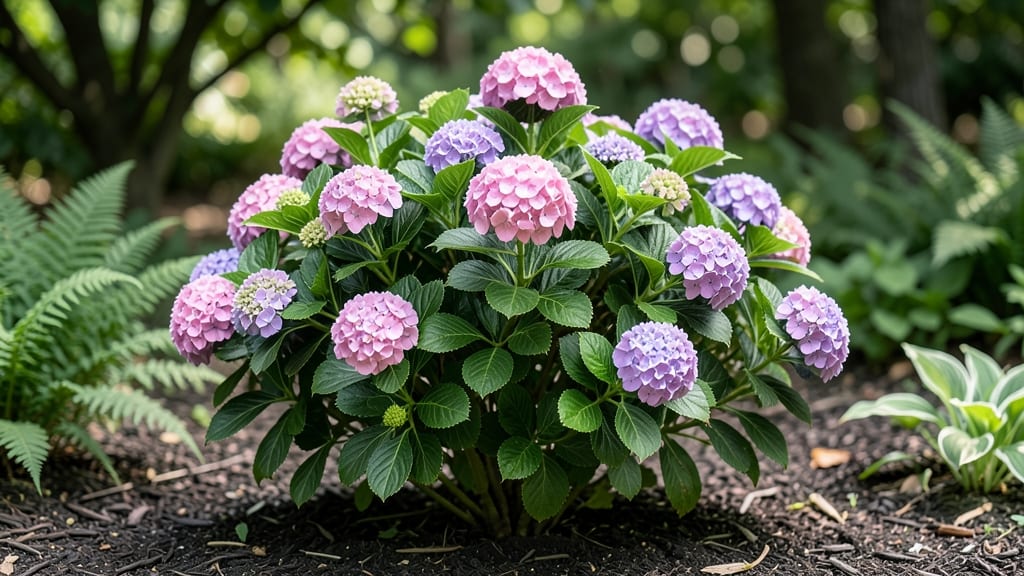
My ever-blooming hydrangea transformed my yard from "meh" to "wow" with six months of color—no deadheading drama required. 🌸 The secret lies in choosing the right variety (like 'Endless Summer' or 'Limelight') and giving it the perfect mix of sun, soil, and water.
These hydrangeas thrive in morning sun with afternoon shade, well-draining soil with a slightly acidic pH (5.2-6.0), and consistent moisture—think of them as thirsty but not soggy.
Most people overwater, which leads to bud drop, so I check the soil before watering: if it's dry 1-2 inches down, it's time.
By late summer, you'll have clusters of blooms that last until frost, with colors shifting from pink to blue based on your soil's pH. The foliage stays lush too, making them the low-maintenance superstars of the garden.
Works in containers or garden beds, and even handles city pollution better than most plants. Here's how to keep them thriving all season long!
📚 In This Guide
- What you need
- Instructions
- Tips and common mistakes
- Wrapping up and next steps
What you need
- ● Ever-blooming hydrangea plant(s): 1–3 mature plants (depending on desired size; varieties like Endless Summer® or Little Lilo® are great choices).
- ○ Optional: Bare-root or potted plants (check local nurseries for seasonal availability).
- ● Well-draining soil: 50% native soil + 50% organic matter (compost, peat moss, or coconut coir).
- ○ Optional: Soil acidifier (like aluminum sulfate) if your area has alkaline soil (pH 6.0–6.2 is ideal).
- ● Planting site: Part shade (4–6 hours of sunlight daily; morning sun is best).
- ● Space: 3–6 feet between plants (varies by variety).
- ● Basic tools: 1 garden trowel or spade.
- ● 1 pair of pruning shears (sterilized with rubbing alcohol).
- ● 1 watering can or hose with a gentle spray nozzle.
- ○ Optional: Mulch (2–3 inches of pine bark or shredded leaves) to retain moisture.
- ● Know your zone: Ever-blooming hydrangeas thrive in USDA Zones 4–9. Check your local climate! 🌡️
- ● Watering plan: Keep soil consistently moist (not soggy) for the first 2–3 weeks post-planting.
- ○ Fertilizer (optional but helpful): Balanced granular fertilizer (10-10-10) or slow-release hydrangea-specific food.
- ● Apply once in early spring and again after flowering.
- ● Deadheading: Minimal effort required! Snip spent blooms in late fall (not spring) to encourage next year’s flowers. ✂️
Step-by-step guide to growing ever-blooming hydrangeas
Here's how I grow lush, vibrant hydrangeas that bloom continuously with almost no deadheading—just follow these simple steps.
🪴 Step 1: Choose the Right Location and Soil
Ever-blooming hydrangeas thrive in partial shade—think 4-6 hours of morning sun with afternoon shade protection. I always plant mine where they get dappled light, especially in hotter climates. The soil should be moist but well-draining, with a pH between 5.5 and 6.5 for optimal blue flower production (add sulfur if your soil is alkaline).
Dig a hole twice as wide as the root ball but only as deep. This encourages roots to spread horizontally rather than settling too low. Mix the excavated soil with 2-3 inches of compost and a handful of slow-release fertilizer (like 10-10-10) to give them a nutrient boost right away. The goal is loose, airy soil that holds moisture without becoming soggy.
☀️ Step 2: Plant and Water Thoroughly
Place the hydrangea in the hole so the top of the root ball sits 1 inch below soil level—this prevents the stem from rotting while encouraging strong root growth. Backfill with the amended soil, pressing gently to remove air pockets. Water deeply right after planting until the soil is saturated 12 inches down—you'll see water pooling at the surface before draining.
I always water again 3-4 days later to settle the soil around the roots. Mulch with 2-3 inches of shredded bark (keeping it 6 inches away from the stem) to retain moisture and regulate temperature. The mulch should look evenly spread, not piled high like a volcano around the base.
💧 Step 3: Maintain Consistent Moisture and Fertility
Ever-blooming hydrangeas are drought-sensitive, so water weekly during dry spells—1-1.5 gallons per plant—until the soil feels damp 3-4 inches down. You'll know it's right when water runs out the drainage holes but doesn't pool on the surface. Overwatering leads to yellow leaves and root rot, so always check before adding more.
Feed with a balanced liquid fertilizer (like 20-20-20) every 4-6 weeks during the growing season. I cut back to half-strength in late summer to avoid encouraging tender new growth before winter. The key is consistency—hydrangeas respond poorly to feast-or-famine feeding. You'll see lush, dark green leaves and abundant blooms as your reward.
✂️ Step 4: Prune Strategically for Continuous Blooms
Here's the secret: prune in late winter or early spring (before new growth starts) to shape the plant and remove dead or crossing branches. Never cut into old wood—ever-blooming hydrangeas produce flowers on new wood, so focus on renewal pruning. Cut just above a bud or leaf node, angling the cut slightly downward to shed water.
I leave 3-5 strong stems for structure and trim back others to 6-12 inches from the ground. This encourages bushier growth and more blooms. Avoid heavy pruning in fall—it removes next year's flower buds. Watch for new shoots in spring; these are your signal that the plant is recovering well from winter.
🌿 Step 5: Overwinter for Year-Round Beauty
In Zone 5 or colder, mound 4-6 inches of mulch around the base after the first frost to insulate roots. Wrap young plants with burlap or a tree guard to protect from windburn. Mature plants usually handle winter fine, but a light frost cloth over sensitive varieties adds extra protection.
Prune lightly in early spring to remove any winter damage. Ever-blooming hydrangeas are forgiving—even if you skip a year of pruning, they'll bounce back. The real magic happens when you adjust soil pH in late winter: add aluminum sulfate for blue flowers or lime for pink. You'll see color changes within 4-6 weeks—it's like a natural mood ring for your garden!
Tips & tricks for perfect ever-blooming hydrangeas
These simple yet powerful strategies will help you cultivate hydrangeas that stay vibrant and blooming all season long with minimal effort.
Location and Lighting: Pay close attention to the 4-6 hours of morning sun requirement—this is non-negotiable for ever-blooming varieties. If your garden gets intense afternoon sun, use sheer curtains or lattice screens to filter the light. I've seen hydrangeas in my own yard struggle when planted in full sun; the leaves scorch and blooms fade prematurely. Test your spot by observing how sunlight moves across your garden throughout the day.
Soil Preparation: The pH between 5.5 and 6.5 is crucial for blue flowers, but don't stress if your soil tests differently. You can adjust it gradually by adding sulfur (for higher acidity) or lime (for alkalinity) in small amounts. Test your soil every 6-12 months—hydrangeas are sensitive to pH shifts, and dramatic changes can stress the plant. I recommend using a simple soil test kit from your local garden center for accurate results.
Watering Technique: When you water your hydrangeas, aim for deep saturation—the soil should be damp 3-4 inches down. A good way to check is by using a screwdriver: if it goes in easily, you're good. If it meets resistance, water more. I've learned this the hard way—underwatering causes buds to drop, while overwatering leads to root rot. The key is consistency; hydrangeas prefer steady moisture rather than sporadic watering.
Pruning Insight: When pruning in late winter or early spring, focus on cutting just above a bud or leaf node at a slight downward angle. This technique helps water run off the cut rather than pooling and causing rot. I always leave 3-5 strong stems for structure—this creates a balanced shape while encouraging new growth. Remember, ever-blooming hydrangeas flower on new wood, so avoid cutting into old growth.
Pro Tips for Ever Blooming Hydrangea
- These simple yet powerful strategies will help you cultivate hydrangeas that stay vibrant and blooming all season long with minimal effort.
- Location and Lighting: Pay close attention to the 4-6 hours of morning sun requirement—this is non-negotiable for ever-blooming varieties.
- Soil Preparation: The pH between 5.5 and 6.5 is crucial for blue flowers, but don't stress if your soil tests differently.
Frequently asked questions
Got questions about keeping your ever-blooming hydrangeas happy and vibrant? You’re not alone!
Here are answers to the most common concerns—so you can enjoy that lush, year-round color with confidence.
Do ever-blooming hydrangeas really bloom all year, or just in warm months?
Ever-blooming hydrangeas (like Hydrangea macrophylla or Hydrangea paniculata varieties) produce flowers on new wood, meaning they bloom on current season’s growth. While they thrive in warm weather, many varieties (especially paniculata) can still show color into fall—though heavy frost or winter dieback is normal. For true year-round blooms, plant in sheltered spots or choose cold-hardy types like ‘Limelight’ or ‘Little Lime’.
How do I protect ever-blooming hydrangeas in winter?
Most ever-blooming hydrangeas are hardy to USDA Zones 5-9, but young plants or extreme cold need extra care. Mulch the base with 3–4 inches of shredded leaves or straw after the ground freezes. For macrophylla types, wrap the crown in burlap or use a tree guard to shield from wind. Avoid heavy mulch in spring—remove it once temps rise above 40°F to prevent rot.
Do I still need to prune ever-blooming hydrangeas if they don’t require deadheading?
Prune in late winter or early spring (before new growth starts) to shape the plant and encourage bigger, fuller blooms. Cut back 1/3 of the oldest stems to the first set of buds. Avoid summer pruning—it can reduce next year’s flowers. Pro tip: Use clean, sharp shears and disinfect them with rubbing alcohol to prevent disease.
Why aren’t my ever-blooming hydrangeas flowering as much as they should?
Common culprits include:
- Over-fertilizing: Too much nitrogen = lush leaves, few blooms. Use a balanced, acid-loving fertilizer (like 10-10-10) in early spring.
- Poor sunlight: Most need 6+ hours of sun—shady spots = leggy growth and sparse flowers.
- Wrong pruning time: Pruning after mid-summer removes next year’s flower buds.
- Stress: Check for pests (aphids, scale) or disease (powdery mildew)—treat with neem oil or fungicide if needed.
Are there drought-tolerant ever-blooming hydrangea varieties?
While hydrangeas love moisture, some varieties handle dry spells better. ‘Little Lime’ and ‘Vanille Fraise’ (paniculata types) are more drought-resistant once established. To help them thrive:
- Mulch deeply (3–4 inches) to retain soil moisture.
- Water deeply 1–2x per week during dry spells (aim for 1–1.5 inches of water).
- Avoid letting soil dry out completely—hydrangeas hate soggy and bone-dry roots.
Wrapping up and next steps
Transforming your garden into a year-round canvas of color doesn’t have to be complicated—thanks to the ever-blooming hydrangea! 🌸 With minimal deadheading and the right care, you can enjoy lush blooms from spring to frost.
Whether you’re a seasoned gardener or just starting, these tips make it easy to cultivate stunning, low-maintenance beauty that keeps giving.
Ready to elevate your outdoor space? Start by selecting your favorite ever-blooming variety, then follow our step-by-step planting guide to get growing. Before you know it, your garden will be the talk of the neighborhood—one bloom at a time!